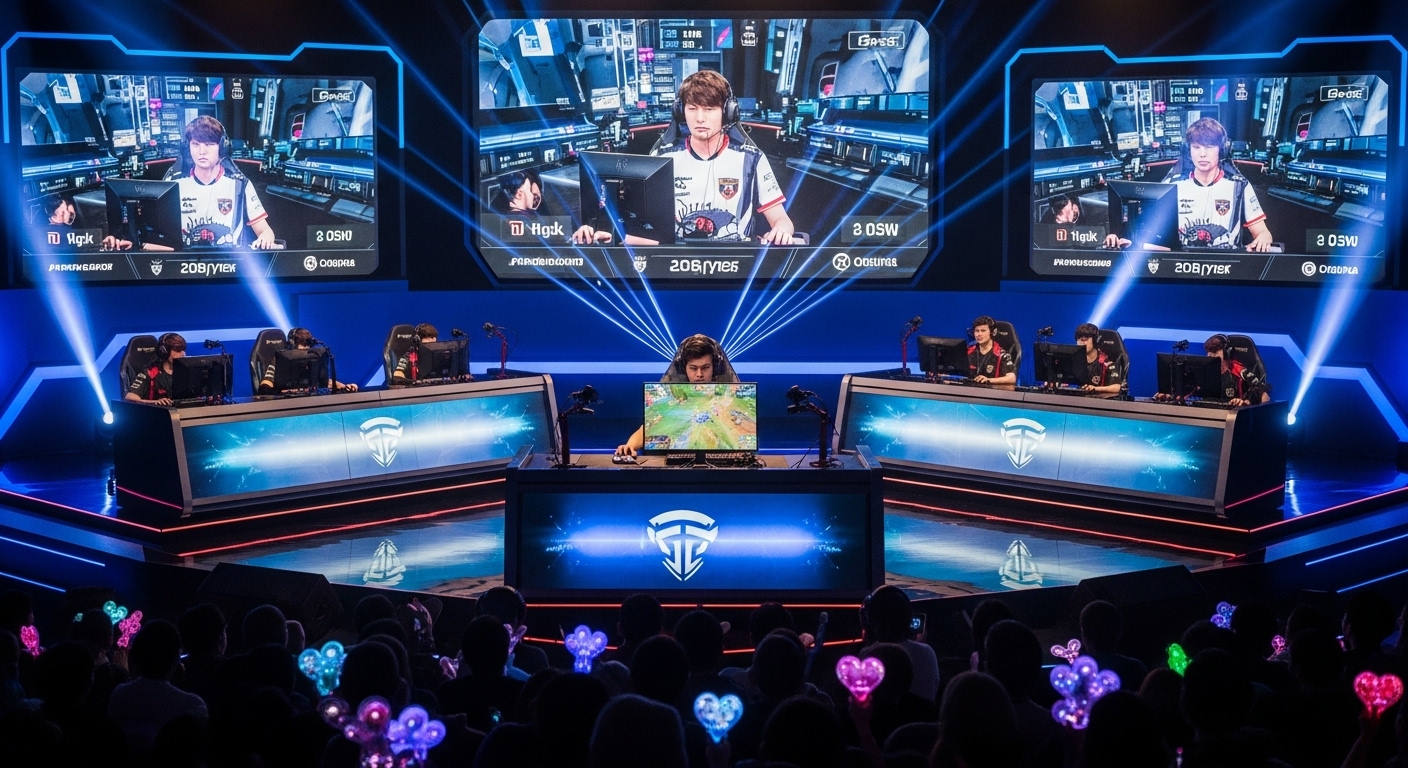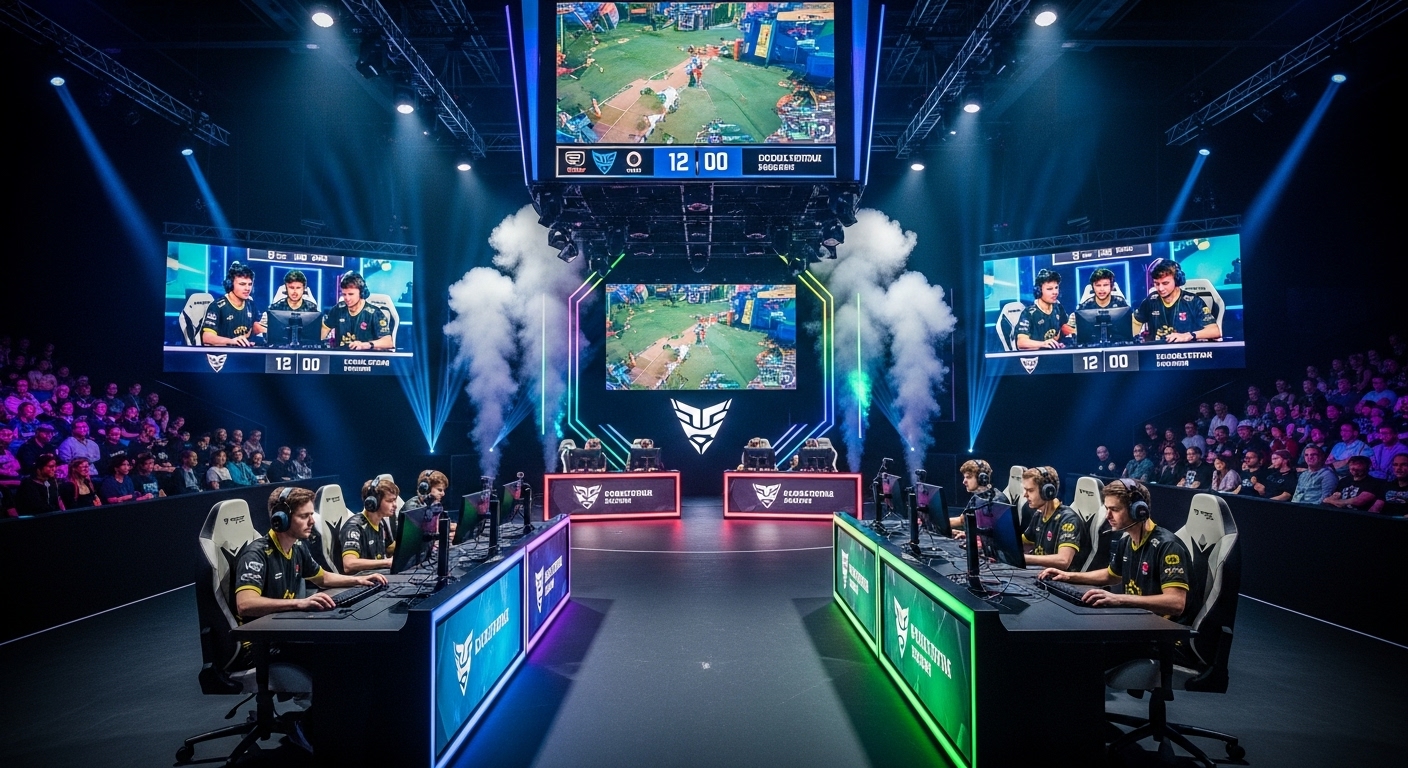
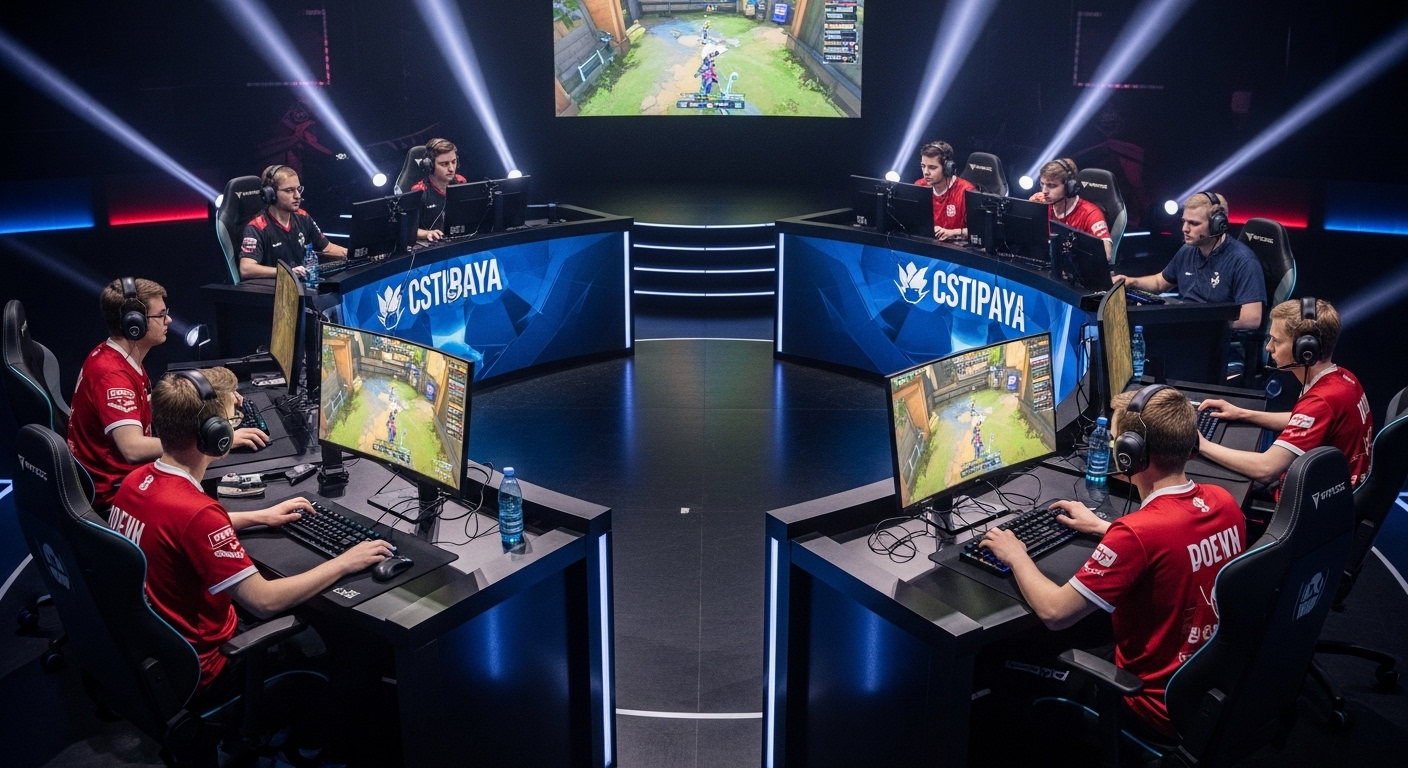
Esports, once a niche subculture of competitive video gaming, has evolved into a global phenomenon. What started as casual tournaments in basements or cybercafes has transformed into a multi-billion-dollar industry, attracting millions of viewers and turning professional gamers into celebrities. Today, esports is not just a pastime—it’s a career, a form of entertainment, and a cultural force in its own right. In this blog post, we’ll dive into the rapid rise of esports, its impact on the gaming community, and what the future holds for this dynamic industry.
What is Esports? A Competitive Digital Playground
At its core, esports refers to competitive video gaming, where players or teams compete against one another in organized tournaments or leagues. While competitive gaming has existed for decades, it wasn’t until the early 2000s that it began to take off globally, with games like StarCraft, Counter-Strike, and League of Legends paving the way for esports as we know it today.
Esports competitions can range from small local tournaments to large-scale international events that fill arenas and are broadcasted to millions of viewers online. The games played in esports span multiple genres, including first-person shooters (FPS), real-time strategy (RTS), multiplayer online battle arenas (MOBA), and sports simulation games. Titles like Dota 2, Fortnite, Valorant, and Call of Duty are household names, with professional teams and players competing for massive prize pools and global recognition.
The defining characteristic of esports is its competitive nature. Players train for years to perfect their skills, and the stakes are high, with millions of dollars in prizes, sponsorships, and a growing fanbase fueling the industry’s expansion.
The Esports Industry: A Billion-Dollar Business
The growth of esports over the last decade has been nothing short of explosive. What was once a fringe hobby is now a major economic force. According to recent reports, the global esports industry is expected to surpass $1.5 billion in revenue, with the bulk of this income coming from sponsorships, advertising, media rights, and merchandise sales.
Brands from every corner of the business world are now investing in esports, seeing it as a valuable marketing opportunity to reach a young, tech-savvy audience. Companies like Coca-Cola, Intel, and Nike have jumped on board, sponsoring teams, events, and even individual streamers. These sponsorships not only provide financial support to teams and players but also help legitimize esports in the eyes of the broader public.
Beyond sponsorships, media rights are another major revenue stream. Esports events are streamed live on platforms like Twitch, YouTube, and Facebook Gaming, where millions of fans tune in to watch their favorite players and teams compete. This online presence has given esports a level of accessibility and global reach that traditional sports have only dreamed of.
Esports Careers: More Than Just Playing the Game
While the spotlight often falls on professional players, esports offers a wide array of career opportunities beyond just gaming. As the industry continues to grow, the demand for talented individuals in various roles has skyrocketed. The ecosystem surrounding esports is vast, with opportunities in team management, event organization, broadcasting, marketing, content creation, and game development.
Professional Players
At the heart of esports are the players themselves. These athletes dedicate hours upon hours to perfecting their craft, and the best of the best can make significant earnings through tournament winnings, sponsorships, and streaming. Top esports players are not only celebrated in the gaming community but are now regarded as legitimate sports stars, with social media followings rivaling that of traditional athletes.
Coaches and Analysts
Just like traditional sports, esports teams rely heavily on coaches and analysts who help players develop strategies, improve gameplay, and understand the competition. These professionals work behind the scenes, ensuring that teams are performing at their highest level.
Commentators and Streamers
The world of esports also includes commentators, often called “casters,” who provide live play-by-play analysis during tournaments. These commentators have become celebrities in their own right, known for their engaging personalities and in-depth knowledge of the games they cover. Additionally, content creators and streamers on platforms like Twitch and YouTube have turned gaming into a full-time career, with millions of subscribers and lucrative sponsorship deals.
The Global Impact of Esports: Uniting Gamers Across Borders
One of the most remarkable aspects of esports is its ability to connect people from different countries, cultures, and backgrounds. With the advent of online multiplayer games and global streaming platforms, gamers can now compete with and against one another regardless of geographic location. This has created a truly global community of players and fans, bound together by a shared love of gaming.
Esports tournaments, like The International for Dota 2 or the League of Legends World Championship, attract players from all corners of the globe, with audiences spanning continents and time zones. These events are broadcast in multiple languages, allowing people from diverse regions to participate in and enjoy the action. This level of inclusivity and accessibility is one of the driving forces behind the explosive growth of esports.
Moreover, esports have helped to break down cultural barriers. Games like Fortnite, Apex Legends, and PUBG have created spaces where players of all nationalities can come together, forming friendships and rivalries that transcend borders. Esports has become a platform for global cooperation, where the shared experience of playing and watching games fosters understanding and unity.
The Future of Esports: What’s Next?
As esports continues to evolve, several key trends and innovations are shaping the future of the industry.
Virtual Reality (VR) and Augmented Reality (AR):
Incorporating VR and AR into esports could create entirely new experiences, offering players and viewers alike a more immersive and interactive experience. VR could allow players to physically “enter” the game, while AR could overlay digital elements onto the real world, enhancing gameplay and viewing.
College Esports and Scholarships:
With universities and colleges recognizing the value of esports, many institutions are now offering esports scholarships and even establishing competitive gaming teams. The growth of collegiate esports will likely lead to a more structured, sustainable pipeline for young gamers aspiring to turn professional.
Esports as a Mainstream Sport:
As esports continue to mature, it’s not far-fetched to imagine them becoming part of mainstream sports networks, with regular coverage on television and even inclusion in major events like the Olympics. In fact, there have been discussions about including esports as an official Olympic sport, which could mark a milestone in the legitimization of competitive gaming.
Increased Investment and Globalization:
As more investors recognize the potential of esports, the industry will likely see even greater financial growth. This increased investment could lead to more high-quality tournaments, bigger prize pools, and better support for players. With esports gaining popularity in countries like China, South Korea, and the United States, the global market for competitive gaming is expected to expand even further.
Conclusion: Esports—A New Frontier in Entertainment
Esports is no longer just a subculture for gamers; it’s a thriving industry that has changed the landscape of entertainment, sports, and digital media. What began as a niche interest has become a global phenomenon that brings people together, creates career opportunities, and generates billions in revenue. As technology continues to advance and new generations of players and fans emerge, esports will undoubtedly continue to grow, further cementing its place in the world of sports and entertainment.
The future of esports is bright, and as the industry matures, it will continue to push boundaries, innovate, and inspire millions of people around the world. Whether you’re a player, a fan, or someone curious about the world of competitive gaming, one thing is clear—esports is here to stay.