
Introduction: A New Frontier of Competition
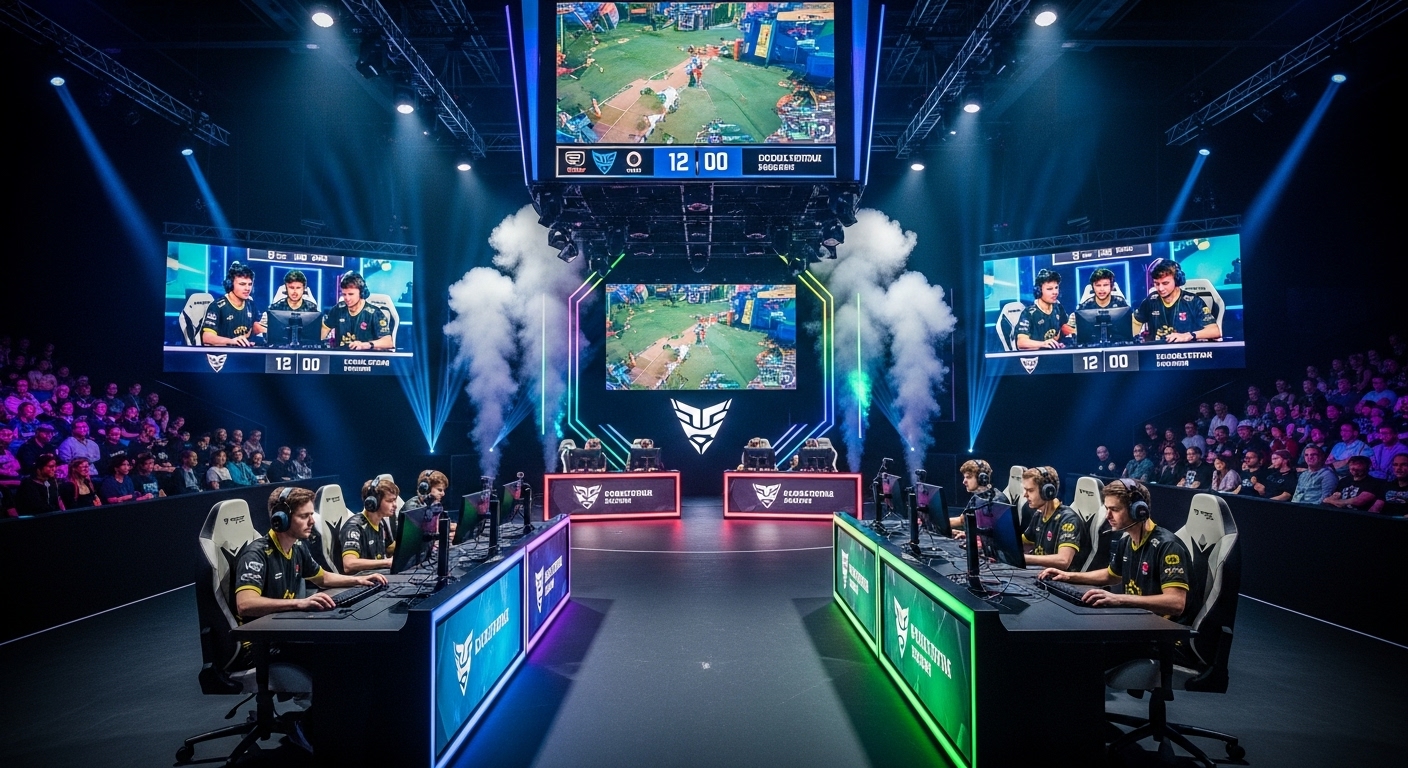
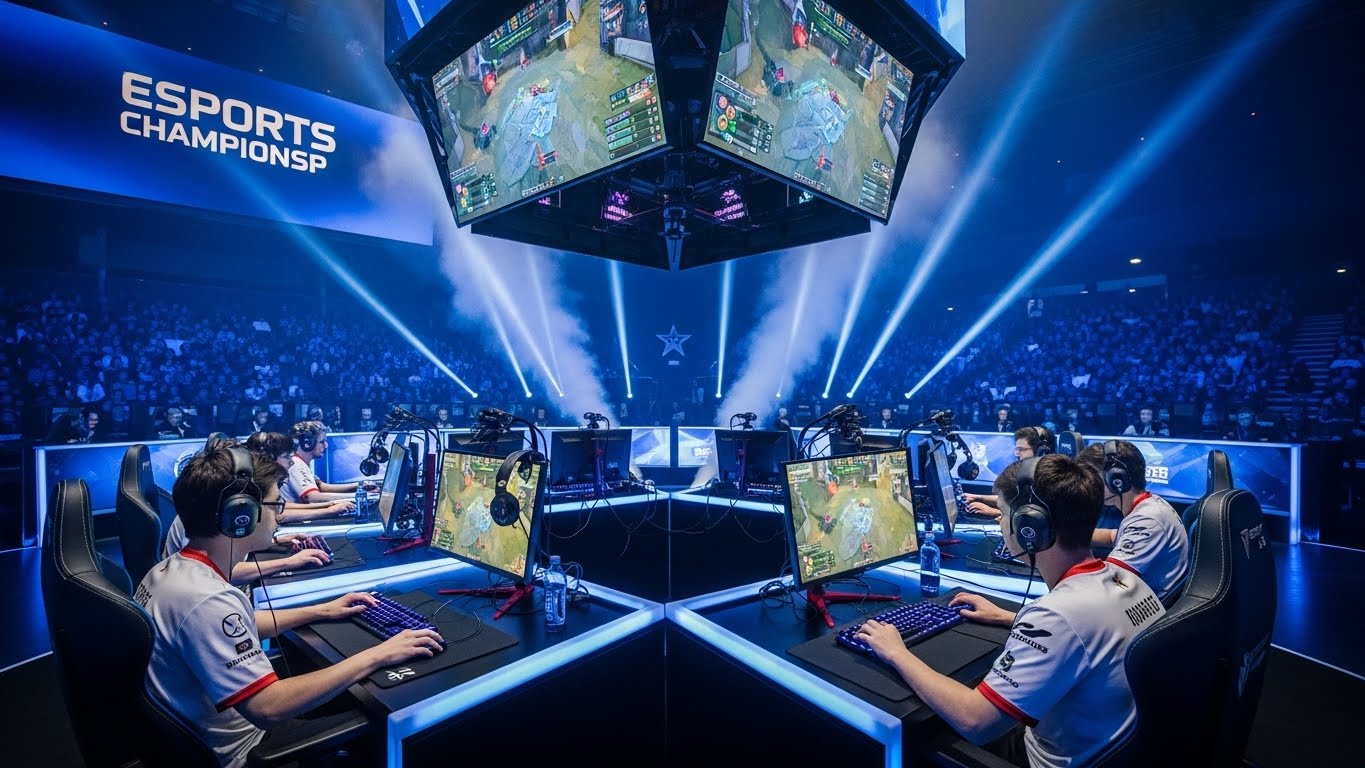
Esports, short for electronic sports, has emerged as one of the fastest-growing entertainment industries in the world. What started as casual gaming among friends has evolved into organized, professional competitions with global audiences. Today, esports offers players a platform to showcase skill, strategy, and teamwork, while fans enjoy immersive and interactive experiences that rival traditional sports.
The Meteoric Rise of Esports
In the past decade, esports has transformed from small-scale tournaments to international events with millions of viewers. Popular games like League of Legends, Dota 2, Fortnite, and Counter-Strike: Global Offensive dominate the competitive landscape. Professional teams now receive sponsorship deals, and tournaments offer prize pools worth millions, making esports a viable career path for talented players worldwide.
Technology: Fueling the Game
Technology has been a major driver behind esports’ rapid growth. High-speed internet, advanced gaming hardware, and streaming platforms have made it possible for fans to watch live matches from anywhere in the world. Innovations such as virtual reality and augmented reality are beginning to create even more immersive experiences, allowing both players and audiences to engage with the game in new and exciting ways.
Community: The Heart of Esports
The esports community plays a critical role in its success. Online forums, social media groups, and local tournaments bring players and fans together, fostering mentorship, collaboration, and shared enthusiasm. Communities celebrate achievements, organize competitions, and provide guidance for aspiring players, creating an inclusive ecosystem where talent can flourish.
Opportunities and Challenges
Esports offers numerous opportunities, from professional gaming careers to coaching, commentary, and event management. However, it also faces challenges such as long practice hours, mental and physical strain on players, and the need to maintain fair competition. Addressing these challenges is crucial to ensure the industry grows responsibly and sustainably.
The Future of Esports
The future of esports is bright and full of potential. Educational institutions are introducing scholarships and training programs for esports athletes, traditional sports organizations are investing in esports teams, and emerging technologies are pushing the boundaries of gaming experiences. Esports is no longer just a pastime—it is a legitimate career path, a thriving global community, and a cultural phenomenon shaping the future of entertainment.
Conclusion: More Than a Game
Esports has redefined competition, entertainment, and community in the digital age. It combines skill, strategy, and social connection in ways that traditional sports cannot always match. As the industry continues to grow, esports will inspire new generations of players and fans, proving that the virtual arena is as compelling and impactful as any physical sports field.