Introduction: The Birth of a New Competitive Era
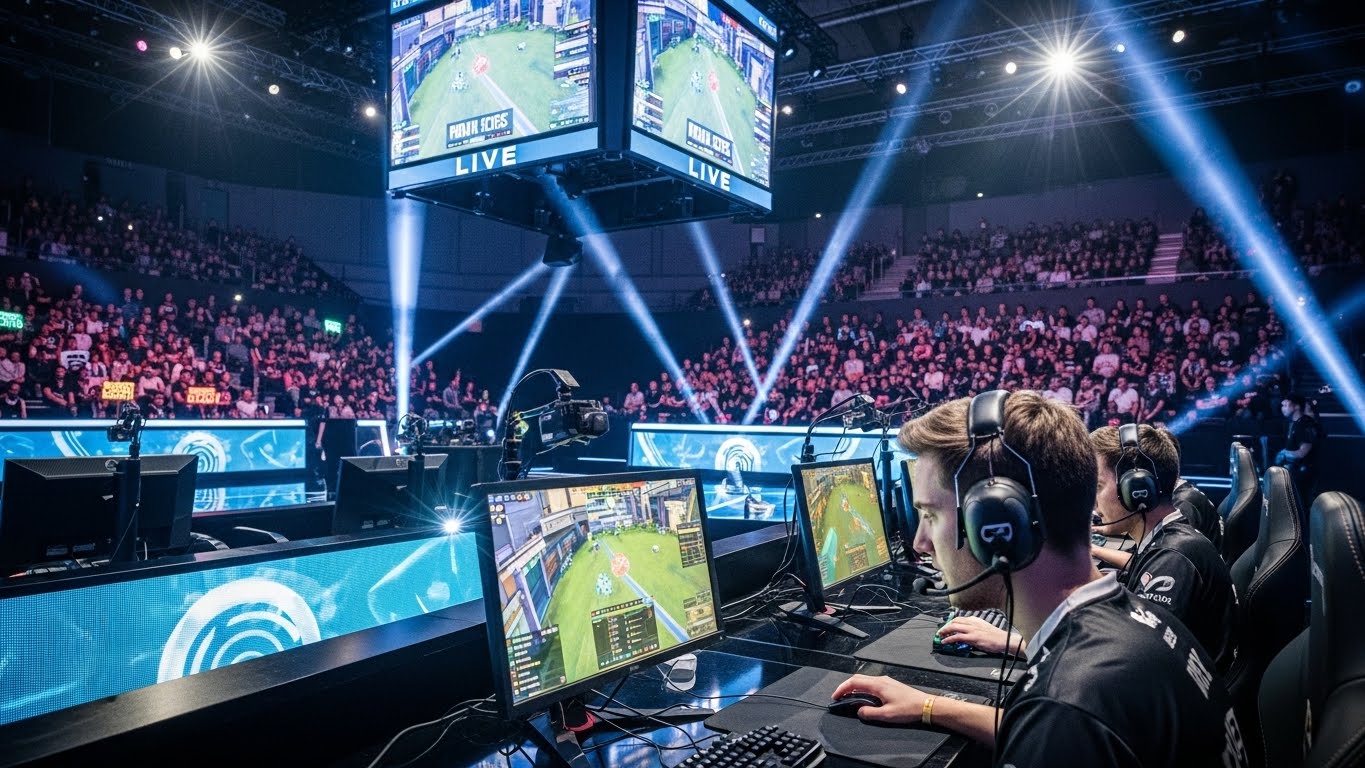
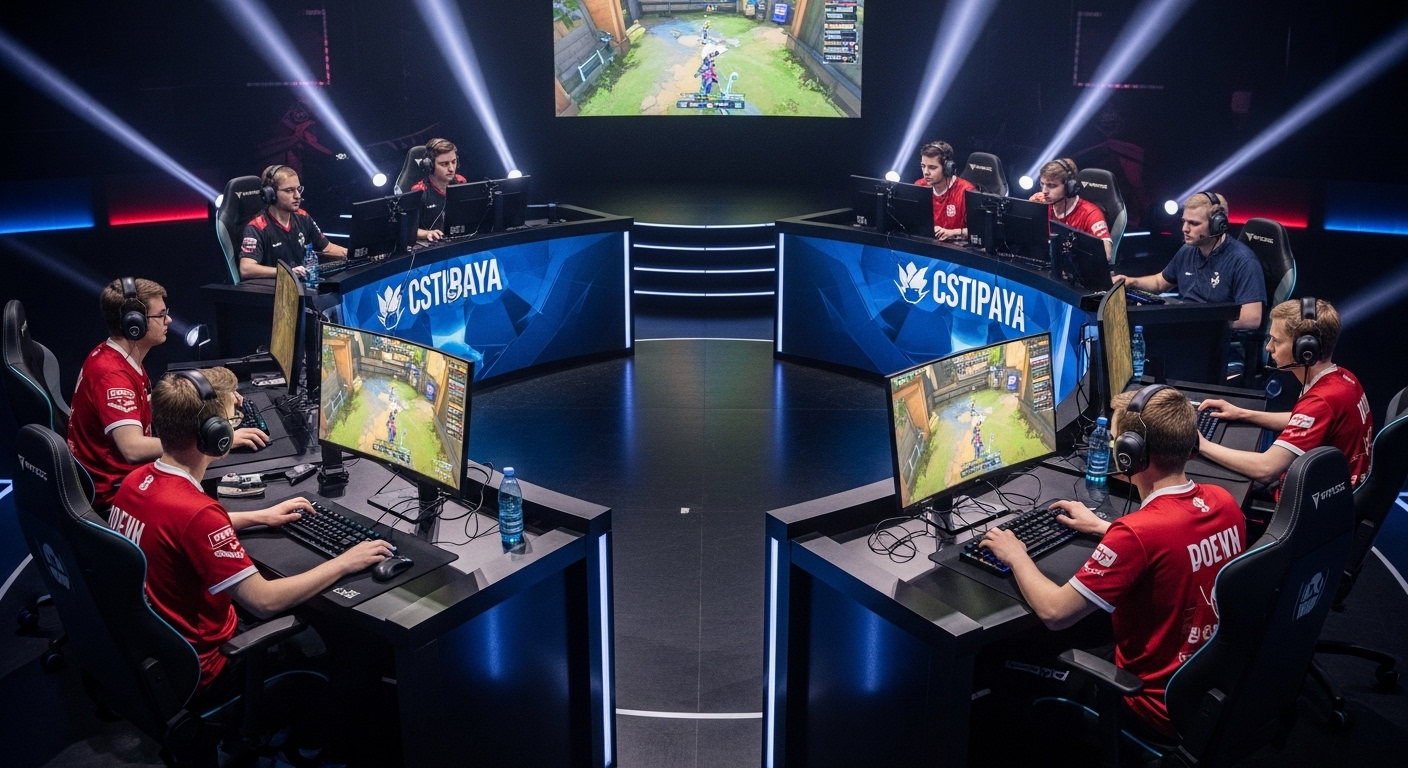
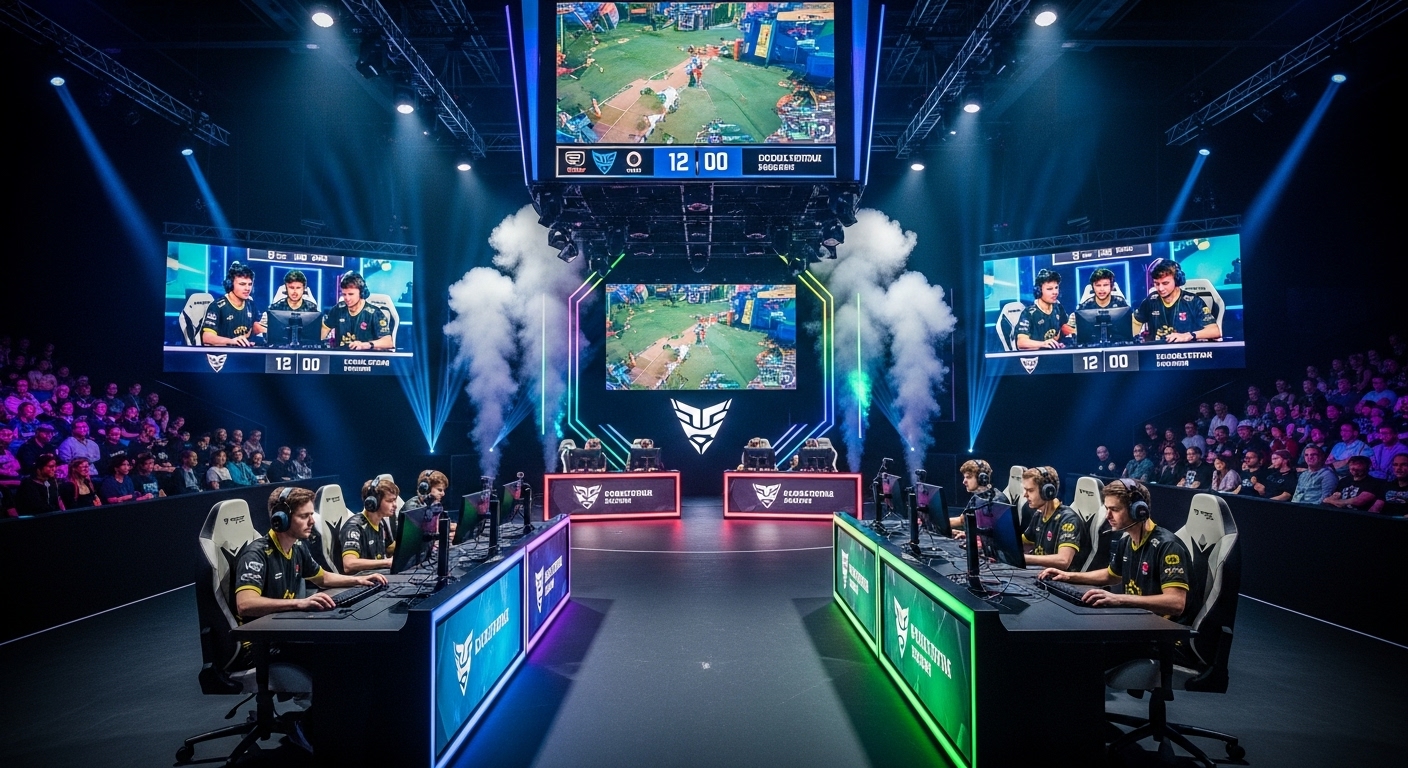
The world of sports has seen a massive transformation in recent years, with one industry in particular rising to the forefront: esports. What began as a subculture within the gaming community has now evolved into a global powerhouse, attracting millions of viewers, billions in revenue, and a new generation of athletes. Esports, or competitive gaming, has crossed the boundaries of traditional entertainment, turning digital competitions into a mainstream spectacle that rivals traditional sports in viewership and influence.
This blog post dives deep into the rise of esports, how it is reshaping the landscape of competition, and what makes this digital arena so captivating for both players and fans alike.
The Evolution of Esports: From Hobby to Global Phenomenon
Esports may seem like a recent development, but its roots go back several decades. While competitive gaming has been around since the 1980s, the modern esports industry truly began taking shape in the early 2000s, propelled by the growth of online gaming, streaming platforms, and the increasing popularity of multiplayer games.
The Early Days: From LAN Parties to Tournaments
Competitive gaming has its origins in local area network (LAN) parties, where gamers would gather in person to compete against each other. The 1990s saw the rise of games like Quake, StarCraft, and Warcraft, which helped lay the foundation for what would eventually become esports. As these games grew in popularity, so did the idea of hosting organized tournaments, attracting players who wanted to compete at the highest level.
The real turning point came in the 2000s when online gaming platforms allowed players to compete with others from around the world. This led to the birth of iconic esports tournaments, such as The World Cyber Games (WCG) and The Electronic Sports World Cup (ESWC). These events brought together players from different countries and showcased the potential of esports on a global scale.
The Streaming Revolution: Bringing Esports to the Masses
While tournaments were growing in popularity, the rise of streaming platforms like Twitch and YouTube Gaming brought esports directly into the homes of millions. These platforms allowed fans to watch live matches, interact with players, and even follow their favorite teams in real-time. The accessibility of esports content led to a surge in viewership, with some tournaments now drawing audiences in the tens of millions.
The combination of live broadcasts, content creation, and online communities turned esports into a spectator sport in its own right. With regular tournaments, esports now operates much like traditional sports leagues, with professional teams, sponsorships, and a dedicated fanbase. Players are no longer just gamers—they’re athletes in the digital world.
Why Esports Is Taking Over: The Allure of Competitive Gaming
Esports isn’t just a passing trend—it’s a phenomenon with staying power. What makes it so appealing to both players and viewers? Several key factors have contributed to esports’ meteoric rise, blending skill, entertainment, and community into one exciting package.
The Thrill of Skill and Strategy
At its core, esports is about high-level competition. Games like League of Legends, Counter-Strike: Global Offensive, and Dota 2 require immense skill, precision, and teamwork to succeed. Unlike casual gaming, where the focus may be on entertainment or relaxation, esports is about mastery of the game. Professional players spend countless hours refining their strategies, perfecting their mechanics, and coordinating with their teams to achieve victory.
This level of expertise creates an exhilarating experience for viewers. Watching top-tier players execute complex strategies, make split-second decisions, and outmaneuver their opponents is a thrilling experience—one that mirrors the excitement of traditional sports.
Accessibility: A Global Community of Gamers
One of the biggest advantages of esports is its accessibility. While traditional sports often require expensive equipment or physical abilities, esports only requires a gaming device and an internet connection. This makes it possible for anyone, anywhere, to participate in or enjoy esports.
Additionally, esports isn’t limited by age, gender, or location. Players from all over the world, from various backgrounds, compete on equal footing, breaking down traditional barriers that often exist in physical sports. Whether you’re a teenager in a small town or an adult in a big city, esports offers a platform to compete and watch at the highest level.
A Thriving Community and Fan Culture
The sense of community within esports is one of its most powerful draws. Online multiplayer games encourage players to work together, communicate, and build lasting friendships. Fans of esports have taken this community spirit to the next level, forming fan clubs, creating content, and engaging in live chats during tournaments.
Players, teams, and organizations also play a role in fostering a sense of community. Esports stars have massive followings on platforms like Twitch, where they can interact directly with their fans. Many players also stream their gameplay or behind-the-scenes content, offering fans an intimate look into their lives. This interaction builds a strong bond between players and their communities, creating a unique and supportive fan culture that is integral to esports’ success.
Esports as a Career: The Rise of Professional Players and Teams
Esports has transitioned from being a hobby to becoming a legitimate career for many players, coaches, analysts, and team owners. With the rise of sponsorships, media deals, and big-brand investments, the economics of esports are comparable to traditional sports.
Professional Players: The New Age Athletes
Becoming a professional esports player is no easy feat. Much like traditional athletes, esports professionals spend hours each day training, practicing, and competing. To make it to the top, players need to master their chosen game, understand team dynamics, and be able to handle the pressure of high-stakes competitions.
Top esports players can earn substantial salaries, not only from tournament winnings but also from sponsorships, streaming revenue, and merchandise sales. Some of the highest-earning players in games like Dota 2 and Fortnite have made millions in prize money alone. In fact, some of the top tournaments, such as The International in Dota 2, have prize pools that surpass those of major traditional sports events.
Esports Teams and Organizations
Much like football or basketball teams, professional esports players are part of larger organizations. These teams often have coaches, analysts, and managers who help players refine their strategies and work together more effectively. Teams like Team Liquid, Cloud9, and G2 Esports represent some of the best in the industry, with players who compete in multiple games across a variety of genres.
Esports organizations have become multi-million-dollar businesses, attracting investments from traditional sports teams, media companies, and tech giants. These organizations offer financial backing, team management, and brand sponsorships that allow players to focus on what they do best—competing at the highest level.
The Future of Esports: Where Are We Headed?
As esports continues to grow, its future is filled with endless possibilities. From technological advancements to larger audiences and greater mainstream acceptance, esports is poised to evolve even further.
Virtual Reality and Augmented Reality: A New Frontier
The integration of virtual reality (VR) and augmented reality (AR) into esports could revolutionize the way the games are played and watched. VR gaming, in particular, offers the potential for immersive, first-person competitions, where players can physically interact with their environments and opponents. This could open up entirely new forms of esports that push the boundaries of what we consider competitive gaming today.
Mainstream Acceptance and Integration into Traditional Sports
The lines between esports and traditional sports are beginning to blur. Many traditional sports teams and organizations are now investing in esports, and even major broadcasters are dedicating more airtime to esports tournaments. Esports is gaining recognition as a legitimate form of competition, and some believe it could one day be included in major events like the Olympics.
The Rise of Mobile Esports
As mobile gaming becomes more popular, mobile esports is expected to become a significant part of the esports ecosystem. Games like PUBG Mobile and Free Fire have already created a competitive scene, and as mobile technology improves, we can expect even more games and tournaments to rise in prominence. The accessibility of mobile esports makes it easier for players to compete from anywhere, further expanding the reach of the industry.
Conclusion: Esports—A Global Competitive Force
Esports has become much more than just a digital pastime. It has evolved into a global competitive force that is changing the landscape of entertainment and sport. With its rapidly growing audience, professional players, and multi-million-dollar industry, esports is not just here to stay—it’s on its way to becoming one of the dominant forms of entertainment in the world.
Whether you’re a player, a fan, or simply curious about the world of competitive gaming, one thing is certain: the esports revolution is only just beginning. As the industry continues to grow and innovate, it’s exciting to imagine where this digital arena will take us next. The future of competition is here—and it’s happening in the world of esports.