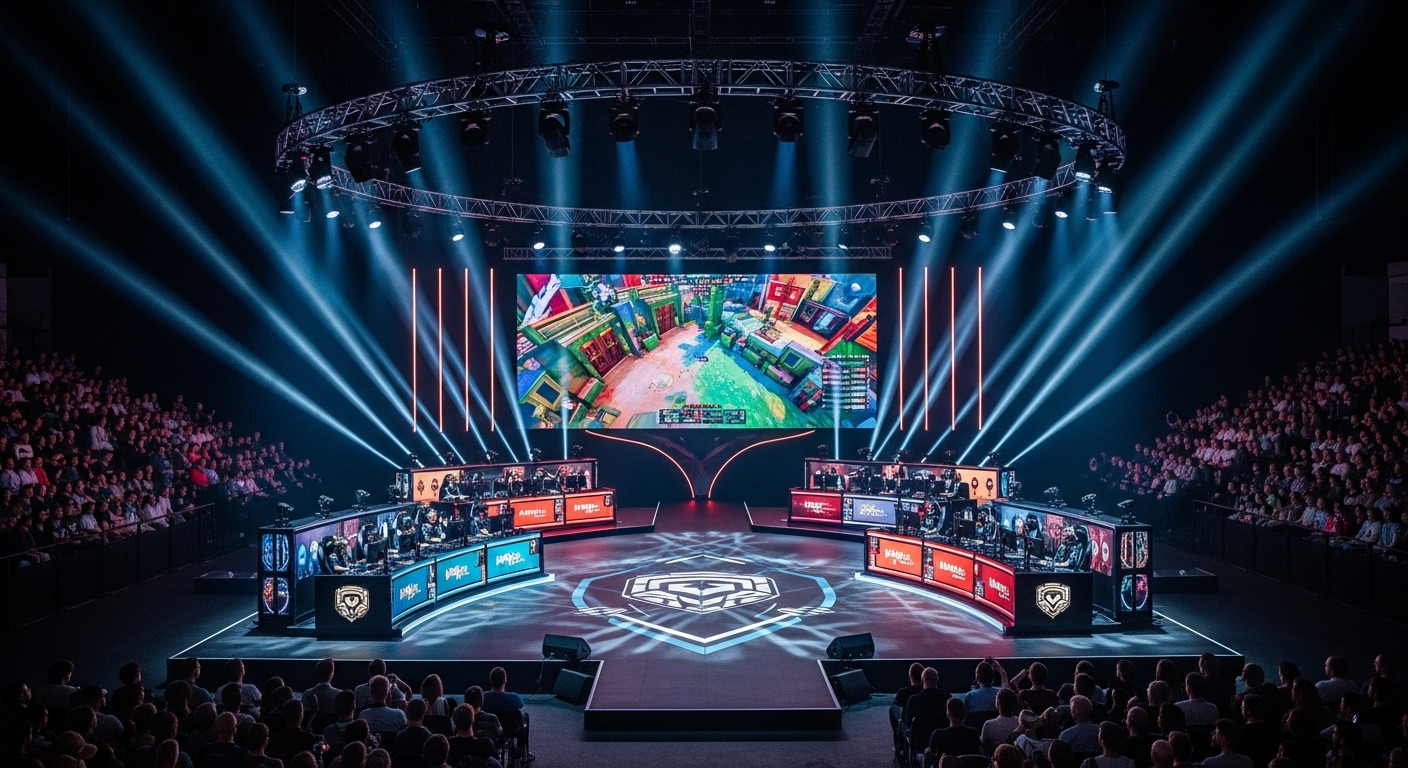
Introduction: From Basement Battles to Global Arenas
There was a time when video games were simply a way to unwind after school or work, something done on a couch or in a dimly lit bedroom. Fast forward to today, and gaming has transformed into something far greater: a worldwide competitive phenomenon known as Esports. This digital sport has moved from living rooms to massive arenas, drawing millions of fans, attracting sponsors, and redefining what competition means in the modern age.
Esports, short for electronic sports, refers to organized, competitive gaming where players or teams face off in various video games. These competitions are watched both live and online by huge audiences, similar to how traditional sports like soccer or basketball captivate their fans. What once seemed like a niche hobby has become one of the fastest-growing industries on the planet, shaping youth culture, media, and even education.
In this article, we’ll explore the fascinating journey of Esports — how it began, how it grew, who the key players are, and what the future holds for this thriving ecosystem.
The Early Days: Seeds of Competition
To understand how Esports became the global powerhouse it is today, we have to go back to where it all started. Competitive gaming didn’t suddenly appear with flashy tournaments and million-dollar prizes; it began quietly in the late 20th century when video games themselves were still finding their identity.
The first known video game competition took place in 1972 at Stanford University. The game was Spacewar!, and the prize was a year’s subscription to Rolling Stone magazine. It was a humble beginning, but it marked the start of something that would eventually captivate millions.
The 1980s saw arcade culture explode. Games like Pac-Man, Donkey Kong, and Space Invaders were not just entertainment; they were challenges. Players competed to achieve the highest score, their names immortalized on glowing leaderboards. These local competitions and arcade rivalries laid the foundation for the spirit of Esports — skill, recognition, and the thrill of victory.
By the late 1990s, personal computers and home consoles brought gaming into homes around the world. Titles like StarCraft, Counter-Strike, and Quake became household names among competitive players. LAN parties — where players connected their computers to battle in the same physical space — became the forerunners of the organized Esports tournaments we see today.
The 2000s: Building the Competitive Infrastructure
The 2000s were a turning point. This decade saw the birth of Esports as a legitimate competitive industry. Broadband internet became common, online multiplayer games flourished, and streaming technology began to connect players and fans in ways never seen before.
Games like Warcraft III, Counter-Strike 1.6, and Halo dominated the competitive scene. South Korea became a global hub for Esports, leading the way with professional gaming leagues, televised matches, and players achieving celebrity status. The Korean StarCraft scene, in particular, became legendary — filling stadiums and drawing TV audiences that rivaled traditional sports broadcasts.
Meanwhile, the West caught on quickly. The Major League Gaming (MLG) circuit was founded in 2002 in the United States, giving professional gamers a structured platform to compete, earn recognition, and make a living. It was the beginning of Esports as a career path rather than a pastime.
Developers also began to see the potential of Esports as a marketing and community-building tool. Game studios started designing titles with competitive balance and spectator appeal in mind, paving the way for the next era of organized gaming.
The Streaming Era: The Birth of a Global Audience
If the 2000s built the foundation, the 2010s turned Esports into a cultural juggernaut. The rise of streaming platforms like Twitch and YouTube Gaming changed everything. Suddenly, anyone could watch live matches, learn from professionals, and even build their own communities around gaming content.
Streaming democratized Esports. You no longer needed access to a TV channel or a ticket to a live event. You could tune in from anywhere in the world and feel part of the action. Tournaments like The International for Dota 2, League of Legends World Championship, and Overwatch League became global spectacles, watched by tens of millions.
The numbers were staggering. In 2019, The International’s prize pool surpassed $34 million, crowdfunded largely by fans. That same year, the League of Legends World Championship drew over 100 million viewers — a figure that rivaled the audience for the Super Bowl.
Esports had officially gone mainstream. Sponsors, media companies, and investors all wanted in. Big brands like Coca-Cola, Intel, and Mercedes-Benz began sponsoring teams and tournaments. Traditional sports franchises started investing in Esports teams, recognizing that the next generation of fans was as likely to watch a Valorant match as a basketball game.
The Players: Modern-Day Digital Athletes
One of the most fascinating aspects of Esports is how it has redefined what it means to be an athlete. The best Esports players train with the same discipline as traditional sports stars. They practice for long hours, study opponents, analyze gameplay, and maintain strict routines to keep their reflexes sharp.
Professional gamers are often compared to chess masters — their success relies on a combination of strategy, precision, teamwork, and mental stamina. Reaction time, hand-eye coordination, and situational awareness are honed through years of practice.
The lifestyle, however, is not without its challenges. The intense competition and constant practice can lead to burnout, stress, and physical strain. The career span of a professional gamer is typically shorter than that of athletes in traditional sports. Many retire in their mid-20s, transitioning to coaching, content creation, or commentary roles.
Despite these hurdles, professional gamers command enormous respect. Many have loyal fan bases, sponsorships, and earnings that rival or even surpass professional athletes. Names like Faker from League of Legends, s1mple from Counter-Strike, and Ninja from Fortnite are known far beyond gaming circles.
The Games that Defined Esports
Certain games have shaped the Esports landscape more than others. Each has its own culture, community, and competitive ecosystem.
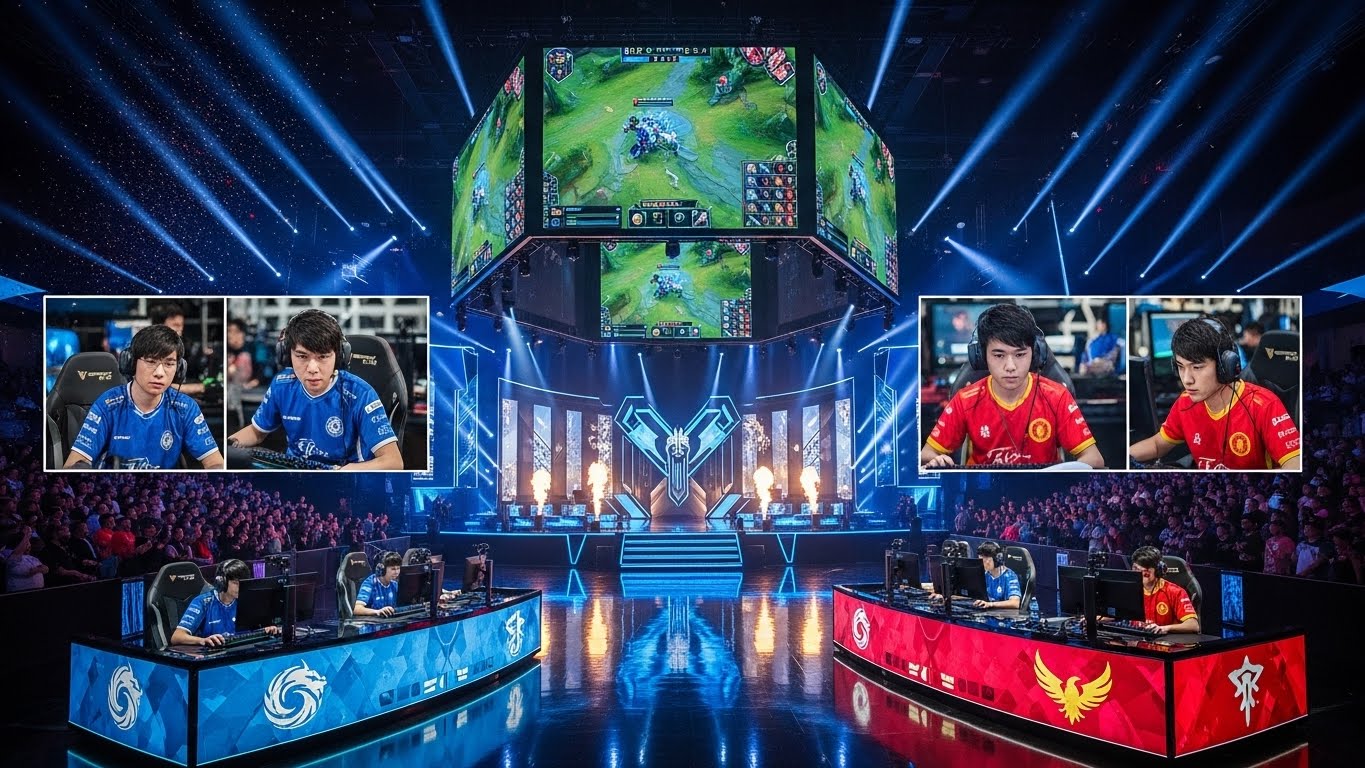
League of Legends is arguably the face of modern Esports. Its developer, Riot Games, built a well-structured league system and global tournaments that have elevated the game to iconic status. The League of Legends World Championship is known for its spectacular production, elaborate opening ceremonies, and world-class competition.
Dota 2, developed by Valve, took a different approach by letting the community crowdfund prize pools through in-game purchases. This model not only empowered fans but also led to some of the largest payouts in Esports history.
In the first-person shooter genre, Counter-Strike: Global Offensive (CS:GO) and Call of Duty continue to dominate, each with deep competitive histories. The tactical precision and teamwork required in these games make them thrilling both to play and to watch.
Fortnite brought something entirely new with its mix of battle royale gameplay and cultural relevance. It blurred the lines between gaming, entertainment, and music, hosting virtual concerts and crossover events that turned Esports into a multimedia experience.
Other games like Overwatch, Valorant, Rocket League, and PUBG have also built massive followings, each contributing to the growth and diversity of the Esports ecosystem.
The Business of Esports: An Expanding Economy
Behind the bright lights and roaring crowds lies an intricate business machine. Esports is not just about the games; it’s about an entire industry that includes sponsorships, broadcasting rights, merchandise, events, and digital media.
According to multiple market reports, the global Esports industry has surpassed the billion-dollar mark and continues to grow annually. Revenue streams come from a mix of advertising, sponsorships, media deals, and ticket sales.
Teams have evolved into full-fledged organizations, complete with coaches, analysts, content creators, and marketing departments. Some of the biggest names — like Team Liquid, Fnatic, and Cloud9 — are as recognized in gaming as Manchester United or Real Madrid are in football.
Investors see Esports as one of the most promising areas for youth engagement. The average Esports fan is under 35, digitally savvy, and loyal. This makes the industry particularly attractive to brands seeking to connect with younger audiences in authentic ways.
Universities have also started to notice. Many colleges now offer Esports scholarships, varsity programs, and degrees focused on game design, event management, and digital marketing — all geared toward supporting this growing field.
The Fans: The Heartbeat of the Scene
No sport thrives without its fans, and Esports is no exception. The community surrounding Esports is one of its greatest strengths.
Esports fans are deeply involved. They don’t just watch; they engage. They analyze plays, debate strategies, and celebrate players’ successes as if they were close friends. Social media platforms, forums, and Discord servers have made it easier for fans to interact directly with teams and players, creating a sense of connection that traditional sports often struggle to replicate.
Live events are another testament to fan passion. Stadiums in cities like Seoul, Los Angeles, and Shanghai fill with thousands of cheering supporters, waving team banners and chanting for their favorite players. The atmosphere can feel like a mix between a rock concert and a World Cup final.
These gatherings are not just competitions; they’re cultural events. They bring together people from different countries, languages, and backgrounds, all united by a shared love for the game.
Esports and Technology: Powering the Experience
Technology is the backbone of Esports. Every advancement in hardware, software, and connectivity has helped push the boundaries of what’s possible.
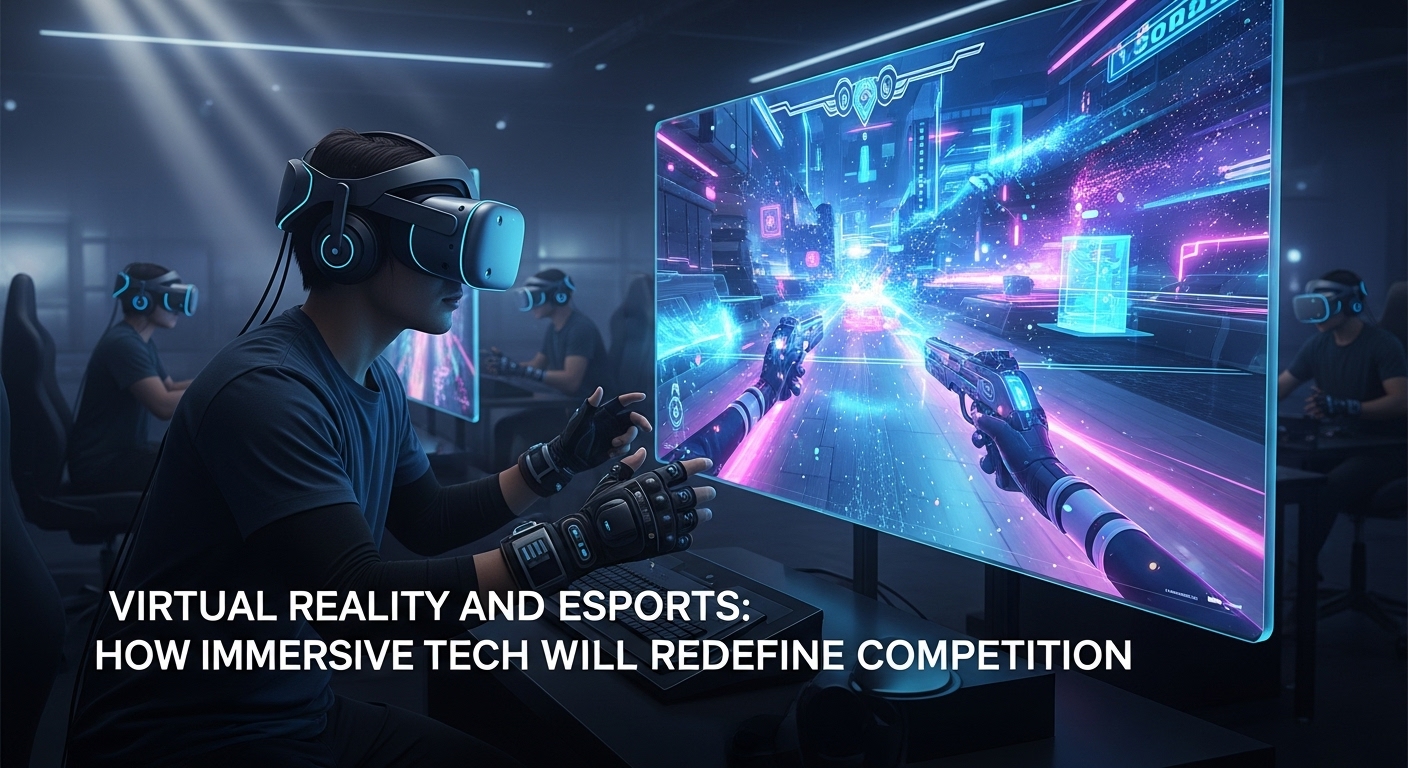
High-performance gaming PCs, ultra-low latency internet connections, and advanced streaming platforms allow players to compete and fans to watch in real time. Virtual reality (VR) and augmented reality (AR) are opening new possibilities for immersive experiences.
AI-driven analytics are being used to study gameplay, improve strategies, and even predict outcomes. Developers are experimenting with machine learning tools that can coach players or identify tactical weaknesses.
The line between player and spectator continues to blur. Interactive viewing features, such as real-time stats and multiple camera angles, let audiences feel more engaged than ever before.
Esports in Education and Career Development
The influence of Esports is reaching beyond entertainment. Educational institutions are incorporating it into their programs, recognizing the skills it fosters — teamwork, communication, problem-solving, and strategic thinking.
High schools and universities now have dedicated Esports teams, just like traditional sports. Some offer scholarships to talented players, while others use Esports to teach STEM concepts.
The industry has also created thousands of new jobs beyond gaming itself: event managers, shoutcasters, marketing specialists, game developers, and even psychologists who help players manage stress and performance anxiety.
For many young people, Esports offers a career path that combines passion with opportunity. It’s not just about playing games; it’s about being part of an evolving digital economy.
Challenges Facing Esports
Despite its success, Esports faces challenges that must be addressed for it to sustain its growth.
One major issue is regulation. Unlike traditional sports, Esports lacks a universal governing body. Rules, contracts, and player rights vary widely across games and regions, leading to inconsistencies and occasional disputes.
Player welfare is another concern. The intense schedules, mental strain, and online scrutiny can take a toll. Efforts are being made to introduce better support systems, including mental health resources and standardized contracts.
There are also issues of inclusivity. While Esports is open to anyone with a console and an internet connection, female representation and diversity within the industry still lag behind. Creating safe and welcoming spaces for all players remains a priority.
Finally, cheating and match-fixing — often fueled by the anonymous nature of online play — continue to challenge organizers. Advances in anti-cheat software and stricter oversight are helping, but the fight is ongoing.
The Future of Esports
Looking ahead, Esports shows no signs of slowing down. The next decade promises innovation, expansion, and deeper integration with mainstream entertainment.
We can expect more crossovers between Esports and traditional sports. Already, organizations like the NBA and FIFA are investing in their digital counterparts. Hybrid events that combine physical and digital competition could become the norm.
The rise of mobile gaming is another frontier. In regions like Southeast Asia and India, mobile Esports titles such as PUBG Mobile and Mobile Legends have created massive communities, proving that you don’t need a high-end PC to compete.
Virtual reality and cloud gaming may also redefine how Esports is played and experienced. Imagine stepping inside the game as a viewer, moving alongside players, or participating as part of an interactive audience.
Esports is also influencing pop culture, fashion, and entertainment. Collaborations between gaming brands and luxury labels, celebrity endorsements, and even Esports-themed TV shows are all signs that gaming has become an essential part of modern identity.
Conclusion: The Digital Stage of the Future
Esports represents more than just competition; it’s a reflection of our digital age. It embodies creativity, community, and connectivity. What started as a niche pastime has evolved into a global cultural force that unites people through play.
From modest beginnings in university labs to sold-out arenas and billion-dollar franchises, Esports has rewritten the rules of entertainment and sport alike. It continues to inspire millions — not just to play, but to dream, create, and compete.
The question is no longer whether Esports is “real sport.” The world has already decided. The only question now is how far it will go. And if history is any indication, the game has only just begun.