Introduction to Esports
Esports, short for electronic sports, refers to organized competitive gaming where players and teams compete against each other in video games. Over the past two decades, what began as small gatherings of gamers playing for fun has transformed into a massive global industry worth billions of dollars. Esports is no longer just a hobby; it is a legitimate form of entertainment, competition, and career opportunity that rivals traditional sports in popularity and professionalism.
In the early days, competitive gaming was limited to local arcade tournaments and small LAN parties. But with the rise of high-speed internet, online streaming, and digital gaming platforms, esports exploded into a worldwide phenomenon. Today, millions of people tune in to watch professional gamers compete in tournaments featuring games like League of Legends, Dota 2, Counter-Strike, Fortnite, and Valorant.
The esports industry represents the convergence of gaming culture, technology, media, and sports. It has reshaped how people view competition and entertainment, blurring the lines between physical and virtual sports.
The Origins and Evolution of Esports
The history of esports dates back to the 1970s, when video games were still a new form of entertainment. The first known gaming competition took place at Stanford University in 1972 for the game Spacewar. The winner received a year’s subscription to a magazine as a prize. This modest beginning marked the birth of organized gaming competitions.
During the 1980s, arcade games became a major part of popular culture. Games like Pac-Man, Donkey Kong, and Street Fighter brought players together in arcades, where they competed for high scores. Gaming magazines and television shows started recognizing top players, turning them into early gaming celebrities.
The 1990s were a turning point. The introduction of personal computers and the internet gave rise to online multiplayer games. Titles like Quake, StarCraft, and Counter-Strike became the foundation for competitive gaming communities. LAN parties and early online tournaments allowed players to test their skills against others across the globe.
By the 2000s, esports began to formalize. Professional teams, sponsorships, and dedicated tournaments became the norm. South Korea played a crucial role in shaping esports into a professional industry. With television channels dedicated to broadcasting StarCraft matches and government support for gaming infrastructure, South Korea became the world’s esports capital.
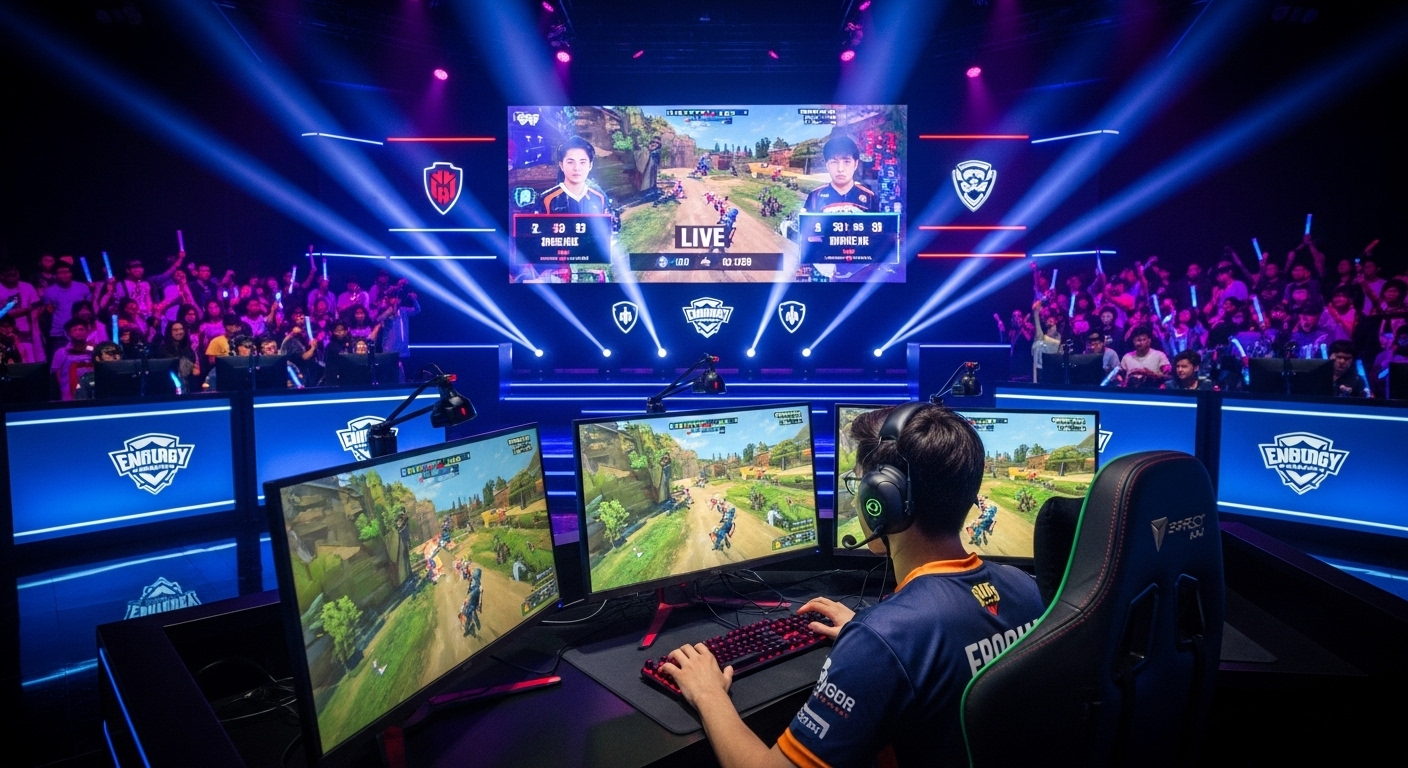
Today, esports events fill entire stadiums. Millions of viewers watch live online streams and broadcasts, while players sign million-dollar contracts. What was once a niche pastime has evolved into a mainstream cultural and economic force.
Popular Esports Titles
The esports industry includes a variety of games across multiple genres. Each game offers a unique style of competition and attracts its own dedicated fan base.
League of Legends is one of the most prominent esports titles in the world. Developed by Riot Games, it features two teams of five players competing to destroy each other’s base. Its strategic depth, constant updates, and international tournaments like the World Championship make it a global phenomenon.
Dota 2, developed by Valve Corporation, is another major multiplayer online battle arena (MOBA) game. Known for its complexity and massive prize pools, Dota 2’s annual event, The International, regularly offers multi-million-dollar rewards to the winning teams.
Counter-Strike: Global Offensive (CS:GO) and its successor Counter-Strike 2 are iconic first-person shooter games that emphasize teamwork, reflexes, and strategy. Their competitive scene has been active for over two decades, making Counter-Strike one of the most enduring esports franchises.
Fortnite introduced a new style of competitive gaming by blending battle royale gameplay with creative building mechanics. Its massive online tournaments, often featuring celebrity players, have made it a cultural sensation among younger audiences.
Valorant, another title by Riot Games, combines elements of tactical shooting with unique character abilities. It quickly established a professional scene after its launch, attracting players and organizations from other games.
Other popular esports titles include Call of Duty, Overwatch, Rainbow Six Siege, Rocket League, and mobile games like PUBG Mobile and Mobile Legends. Each game contributes to the diversity and growth of esports.
The Rise of Esports Athletes
Professional esports players are more than just gamers; they are highly skilled athletes who train intensively. Just like traditional athletes, they follow strict routines, analyze strategies, and maintain physical and mental health to perform at their best.
Top esports players often spend six to ten hours a day practicing. They study gameplay footage, refine their reflexes, and work with coaches to improve teamwork and communication. The level of dedication and discipline required to compete at the highest level is immense.
Many esports players start young. Some go professional in their teenage years, while others peak in their early twenties. Reflexes and decision-making speed play a major role, which is why most professional gamers retire earlier than athletes in traditional sports. However, many continue to work in the industry as coaches, analysts, streamers, or content creators after their competitive careers.
With the rise of sponsorships, streaming platforms, and endorsements, professional gamers can earn significant incomes. The highest-earning players have made millions from prize money alone, not including salaries or brand deals. This financial success has legitimized esports as a viable career path for aspiring players worldwide.
Esports Organizations and Leagues
Behind every great player is an organization that supports them. Esports organizations operate like traditional sports teams, providing players with contracts, housing, coaches, analysts, and management staff. They also handle marketing, branding, and fan engagement.
Some of the most well-known organizations include Team Liquid, Cloud9, T1, Fnatic, Natus Vincere, and Evil Geniuses. These organizations field teams across multiple games and participate in international leagues and tournaments.
Leagues have brought structure and stability to esports. The Overwatch League, League of Legends Championship Series (LCS), and Valorant Champions Tour (VCT) are examples of franchised systems where teams compete in seasonal formats. These leagues attract sponsors, advertisers, and media partnerships, creating a sustainable ecosystem for the sport.
The establishment of governing bodies and standardized rules has also helped esports gain credibility. Tournament organizers enforce strict guidelines for fair play, anti-cheating, and player conduct.
The Role of Streaming and Media
One of the biggest factors in esports’ growth is online streaming. Platforms like Twitch, YouTube, and Kick allow fans to watch live matches, interact with streamers, and engage with gaming communities. This direct connection between players and audiences has fueled the popularity of esports.
Streaming has also democratized content creation. Many professional players and casual gamers alike build personal brands through live broadcasts, tutorials, and commentary. The accessibility of esports content has made it a global entertainment form that transcends borders and languages.
Mainstream media has also taken notice. Esports tournaments are now broadcast on television and covered by major news outlets. Documentaries and films have explored the lives of professional gamers, helping to break stereotypes about gaming.
Esports and Education
In recent years, educational institutions have recognized the potential of esports. Schools and universities now offer scholarships, programs, and degrees related to competitive gaming and esports management. These programs focus on game design, event management, marketing, psychology, and broadcasting.
Student esports leagues provide young players with opportunities to compete while balancing academics. This combination of education and competition helps students develop teamwork, communication, and leadership skills.
Esports in education also promotes diversity and inclusion. It welcomes players from all backgrounds and provides equal opportunities for both men and women to compete on digital platforms.
Economic Impact of Esports
The economic footprint of esports is immense. The industry generates revenue through sponsorships, advertisements, ticket sales, merchandise, and media rights. Global esports revenue has surpassed the billion-dollar mark and continues to grow annually.
Sponsorships are the backbone of esports economics. Companies from technology, energy drinks, fashion, and automotive sectors invest heavily in esports marketing. This partnership between gaming and corporate industries has created new business models and opportunities.
Tournament organizers also benefit from ticket sales and digital viewership. Major events attract tens of thousands of spectators in arenas and millions more online. Merchandise sales, from team jerseys to gaming peripherals, further add to the industry’s revenue.
Esports has also driven technological innovation. The demand for high-performance gaming hardware, internet infrastructure, and streaming services has accelerated advancements in these sectors.
The Globalization of Esports
One of esports’ greatest strengths is its global reach. Unlike traditional sports, which may have regional limitations, esports transcends geography. Players and fans from every corner of the world can participate and connect through digital platforms.
Asia, particularly South Korea and China, leads the esports market, but North America, Europe, and Southeast Asia are rapidly catching up. Countries like Japan, Brazil, and India are also investing heavily in esports infrastructure and talent development.
International tournaments bring together players from different cultures, creating a sense of global unity. Language barriers are overcome through shared passion for gaming, and fans worldwide celebrate victories together online.
Challenges Facing Esports
Despite its success, esports faces several challenges. Player burnout is one of the most pressing issues. The intense schedule and mental pressure can lead to exhaustion, stress, and declining performance. Organizations are now implementing wellness programs to support player health.
Another challenge is maintaining fair competition. Cheating, match-fixing, and doping have occasionally marred esports’ reputation. Stronger regulations and advanced anti-cheat systems are constantly being developed to preserve integrity.
The industry also faces gender imbalance. Although many women play games professionally, they are underrepresented in top-tier competitions. Efforts to promote inclusivity and create safe spaces for female players are ongoing.
Additionally, the rapid commercialization of esports can lead to issues like player exploitation, contract disputes, and lack of long-term job security. The industry continues to evolve, and stakeholders are working to create a more sustainable environment for all participants.
The Future of Esports
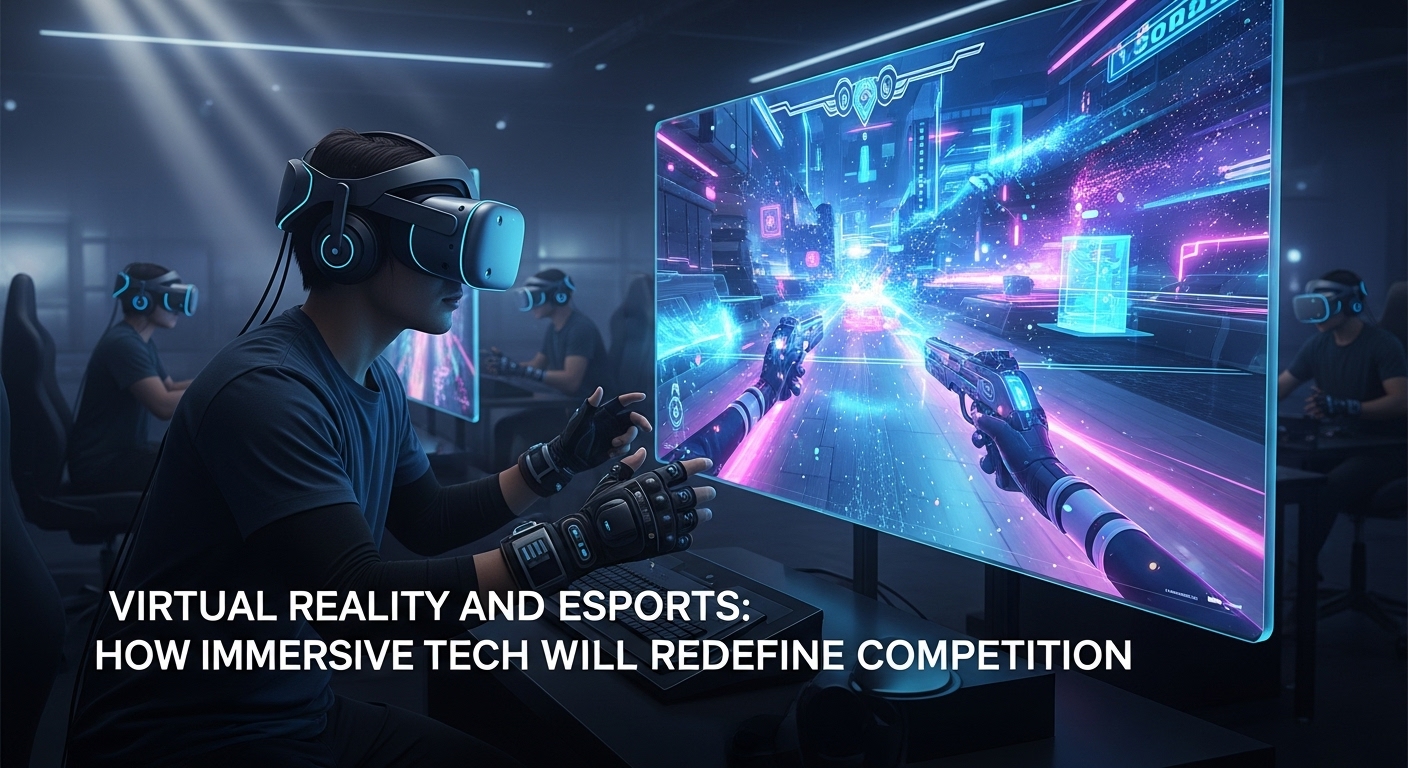
The future of esports looks brighter than ever. With advancements in technology, virtual reality, and artificial intelligence, the way people play and watch games will continue to evolve. Esports could soon integrate with metaverse platforms, offering immersive experiences where fans can virtually attend matches and interact with players.
As viewership continues to rise, esports may become part of the Olympic Games. Discussions about including esports as an official Olympic event have already begun, signaling its growing recognition as a legitimate sport.
Mobile esports is another expanding frontier. With smartphones becoming more powerful and affordable, mobile gaming tournaments are attracting massive audiences, especially in developing regions.
Furthermore, the boundaries between gaming, entertainment, and education will continue to blur. Esports will influence how future generations learn, socialize, and express creativity.
Conclusion
Esports has revolutionized the concept of competition in the digital age. It represents passion, innovation, and global connectivity. From humble beginnings in arcades to billion-dollar stadium events, esports has proven that gaming is more than just play—it is a platform for achievement, teamwork, and cultural expression.
As technology advances and society continues to embrace digital lifestyles, esports will only grow in influence. It will inspire future generations to pursue their dreams in virtual arenas and continue shaping the entertainment landscape for decades to come.
The world of esports is not just about games—it is about people, stories, and the endless pursuit of excellence in the digital era.