
Introduction: The Global Rise of Esports
Esports has transformed from a niche hobby into a worldwide competitive phenomenon, capturing the attention of millions of players, viewers, and industry professionals. This rapidly expanding field blends athletic discipline, mental strategy, and digital innovation, driven by passionate communities and technological advancements. Esports is more than just playing games; it is a full-scale cultural movement that has shifted the landscape of entertainment, competition, and modern careers. As digital technology grows more sophisticated, esports continues to evolve into one of the most dynamic and impactful arenas of the twenty-first century.
The Origins and Evolution of Esports
Although competitive gaming might seem like a recent trend, its roots date back decades. Early computer tournaments, arcade competitions, and console challenges laid the foundation for today’s esports scene. As technology advanced, games became more complex, visually stunning, and network-capable. Local competitions soon expanded into online global tournaments, allowing players from different regions to compete without geographical barriers. Over the years, esports matured into a structured industry with professional teams, trained athletes, organized leagues, and massive international tournaments. This journey from small gaming circles to stadium-filled events highlights the remarkable evolution of digital competition.
What Defines Modern Esports
Esports encompasses a wide range of competitive video games across various genres. These include strategy games, first-person shooters, battle royales, sports simulations, and multiplayer online battle arenas. What defines esports today is not simply playing games for fun, but engaging in rigorous practice, strategic planning, and coordinated teamwork. Professional esports athletes train daily to refine reflexes, decision-making, and communication skills. Their dedication mirrors traditional sports, where discipline and preparation determine performance. With structured leagues, coaching staff, sponsorships, and global audiences, esports has undeniably earned its place among mainstream competitive sports.
Major Esports Genres That Dominate the Scene
Esports features diverse game genres, each offering unique challenges and styles of competition. Strategy and tactical games require deep planning, resource management, and quick decision-making under pressure. First-person shooters test reaction time, precision, and spatial awareness. Multiplayer battle arenas focus on teamwork, character roles, and strategic execution. Sports simulation games recreate real-world competitions, blending virtual control with athletic instincts. Battle royale games emphasize survival, mobility, and adaptability in unpredictable environments. This broad range of genres ensures that esports appeals to varied interests and skill sets, welcoming a wide spectrum of players and spectators.
Professional Esports Athletes and Teams
Professional esports players are highly skilled individuals who dedicate countless hours to practice and performance improvement. They work within structured teams that function much like traditional sports organizations. These teams often have coaches, analysts, fitness trainers, and managers who guide player development both mentally and physically. Athletes study game mechanics, analyze opponents, and refine strategies through scrimmages and competitions. Their careers involve discipline, teamwork, and creative problem-solving. With increasing recognition, esports players are now seen as respected professionals whose talents are celebrated around the world.
The Esports Audience: A Global Community
One of the most powerful aspects of esports is its vibrant and passionate global audience. Fans follow teams, celebrate favorite players, and participate in discussions and community-driven events. Streaming platforms and digital broadcast channels have made watching esports more accessible, allowing millions to enjoy matches in real time from anywhere in the world. Viewers become emotionally invested in major tournaments, cheering for thrilling plays and dramatic moments. This global audience fuels the industry, creating a shared sense of excitement and engagement that connects people across cultures and continents.
Training, Strategy, and Discipline in Esports
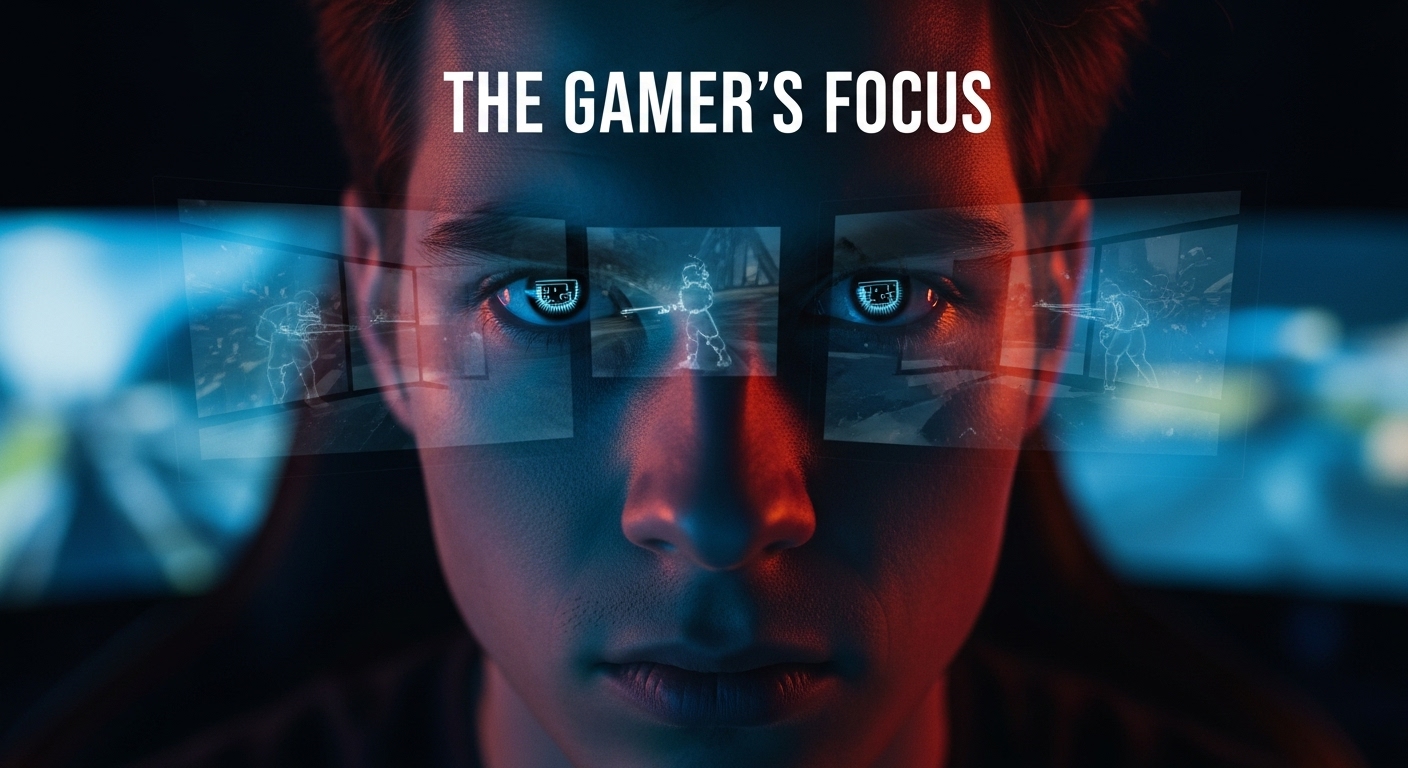
Behind every esports success story lies dedication and structured training. Professional players spend hours developing reflexes, studying game updates, and mastering advanced mechanics. Teams practice coordination through communication drills, role assignments, and strategic reviews. Analysts break down gameplay footage to identify strengths and weaknesses. Many players adopt physical fitness routines to maintain stamina and reduce mental fatigue. These habits demonstrate that esports is not merely a form of entertainment but a disciplined pursuit that demands mental resilience, focus, and continuous improvement.
Esports Tournaments and Global Competitions
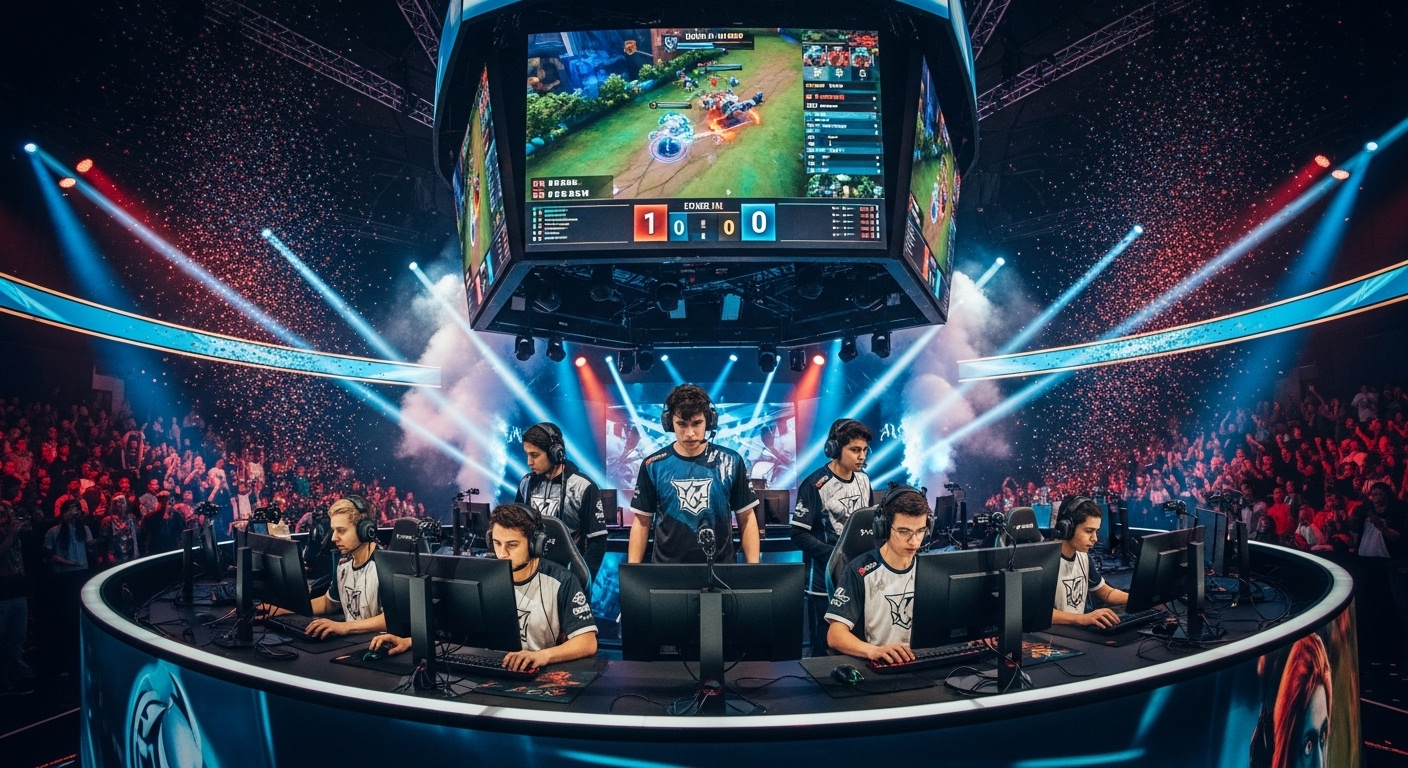
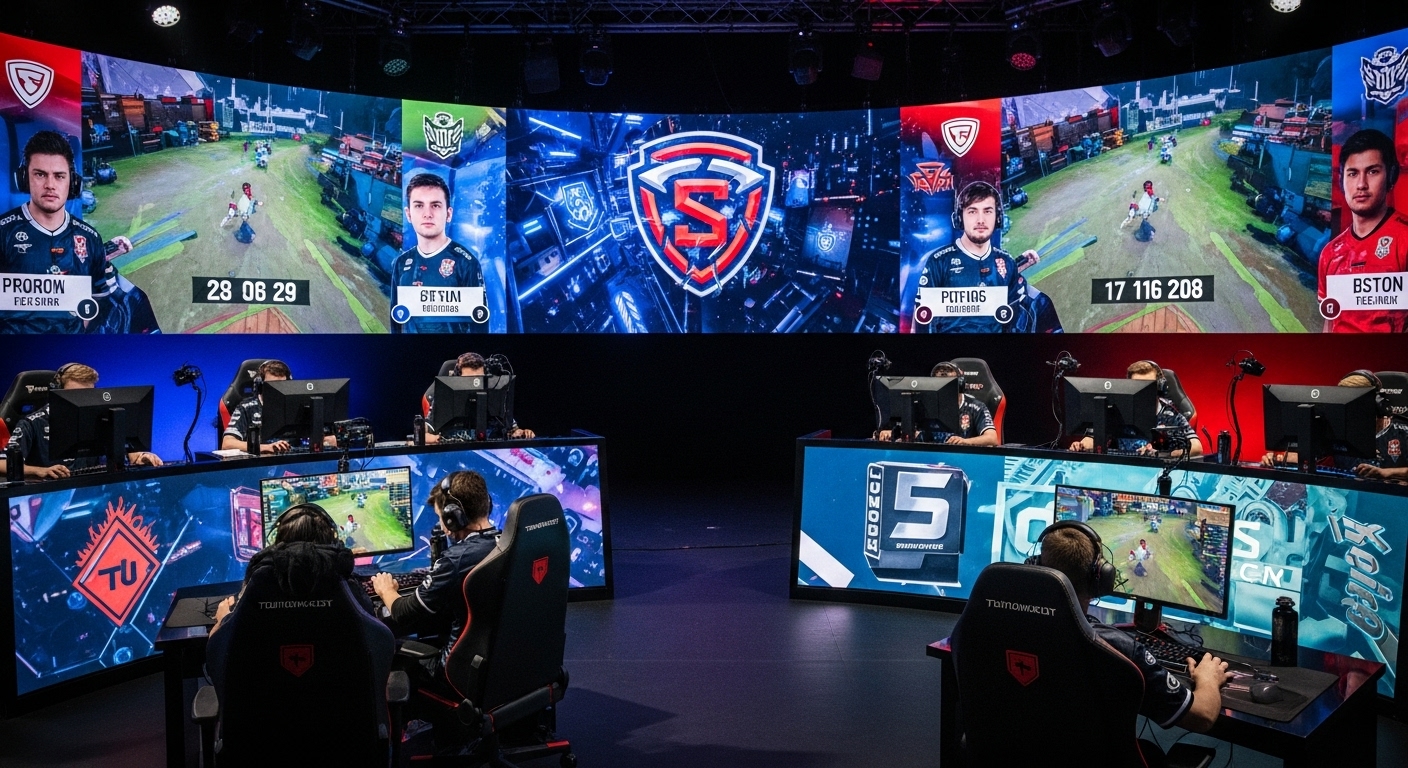
Large-scale esports tournaments have grown into exciting spectacles that rival traditional sports events. These competitions often take place in packed stadiums, attracting fans who come to witness their favorite players perform live. International tournaments bring together elite teams from different regions, creating intense matchups filled with unpredictable twists and memorable moments. Prize pools can reach impressive amounts, reflecting the industry’s financial strength and growing prestige. These global competitions serve as milestones for players and fans alike, showcasing the highest level of skill and the collaborative nature of esports culture.
The Economic Impact of Esports
Esports has grown into a thriving economic powerhouse, contributing to job creation, technological innovation, and entertainment revenue. Sponsorships, merchandise, advertising, and tournament hosting all drive the industry forward. Professional teams partner with major brands, while game developers invest heavily in maintaining competitive ecosystems. Esports also influences technology markets, including gaming hardware, accessories, and streaming tools. As more companies recognize the reach and cultural impact of esports, investments continue to rise, fueling expansion and creating new opportunities across related industries.
Streaming Culture and Content Creation
Streaming platforms have played a crucial role in the rise of esports. Content creators, professional players, and commentators share gameplay, tutorials, behind-the-scenes footage, and personal stories with global audiences. This fusion of entertainment and skill-building attracts viewers who enjoy learning from experts or simply relaxing with engaging content. Streamers often develop strong relationships with their communities, building loyal fan bases that support their work. This culture of shared experiences helps amplify the popularity of esports while giving players more influence beyond tournament participation.
Youth Engagement and the Next Generation of Esports Players
Younger audiences are increasingly drawn to esports, inspired by the competitive spirit and digital possibilities it offers. Schools and universities now support esports programs, encouraging students to develop gaming skills alongside academic learning. These institutions understand that esports fosters critical thinking, strategic planning, and teamwork. Many young players aspire to join professional teams or become content creators. This integration of esports into education and youth culture signals its future relevance, ensuring that the next generation will continue to expand and shape the industry.
The Technological Innovations Powering Esports
Esports continues to grow thanks to rapid technological advancements. High-speed internet, powerful gaming hardware, and advanced software make competitive gaming smoother and more accessible. Innovations in artificial intelligence enhance game design, improve matchmaking, and help players study their performance with analytical tools. Virtual reality and augmented reality promise to introduce entirely new competitive experiences. These technologies not only improve gameplay but also elevate the broadcast and spectator experience. As tech evolves, esports will continue to push boundaries and redefine digital competition.
Challenges Facing the Esports Industry
Despite its progress, esports faces challenges that require careful attention. Player burnout, high-pressure environments, and long training hours can take a toll on mental and physical health. Fair play issues, including cheating and game manipulation, must be constantly addressed. The industry also needs clearer regulations governing contracts, team management, and tournament operations. Promoting diversity and inclusivity is essential for creating a welcoming environment for all players. Overcoming these challenges will ensure that esports remains sustainable, ethical, and respected as a competitive field.
The Future of Esports: Growth, Innovation, and Cultural Impact
The future of esports looks exceptionally promising. As technology advances and global interest continues to rise, esports is poised to become even more integrated into mainstream culture. Cross-platform play, enhanced virtual experiences, and improved production quality will elevate the viewer experience. Educational programs, career pathways, and community-driven leagues will help nurture future talent. Esports will likely play an increasing role in entertainment, communication, and global connection, breaking barriers and expanding opportunities for people worldwide.
Conclusion: The Enduring Power of Digital Competition
Esports has reshaped how people compete, connect, and express creativity. What began as simple gaming competitions has evolved into a sophisticated global industry with passionate fans, skilled athletes, and limitless potential. Esports embodies innovation, teamwork, strategy, and dedication, proving that digital competitions hold as much value as traditional physical sports. As technology advances and communities grow larger, esports will continue to influence culture, career paths, entertainment, and social engagement. This digital arena stands as a testament to human talent and the unifying power of games, marking the beginning of a future where esports becomes an even more significant force in our global society.