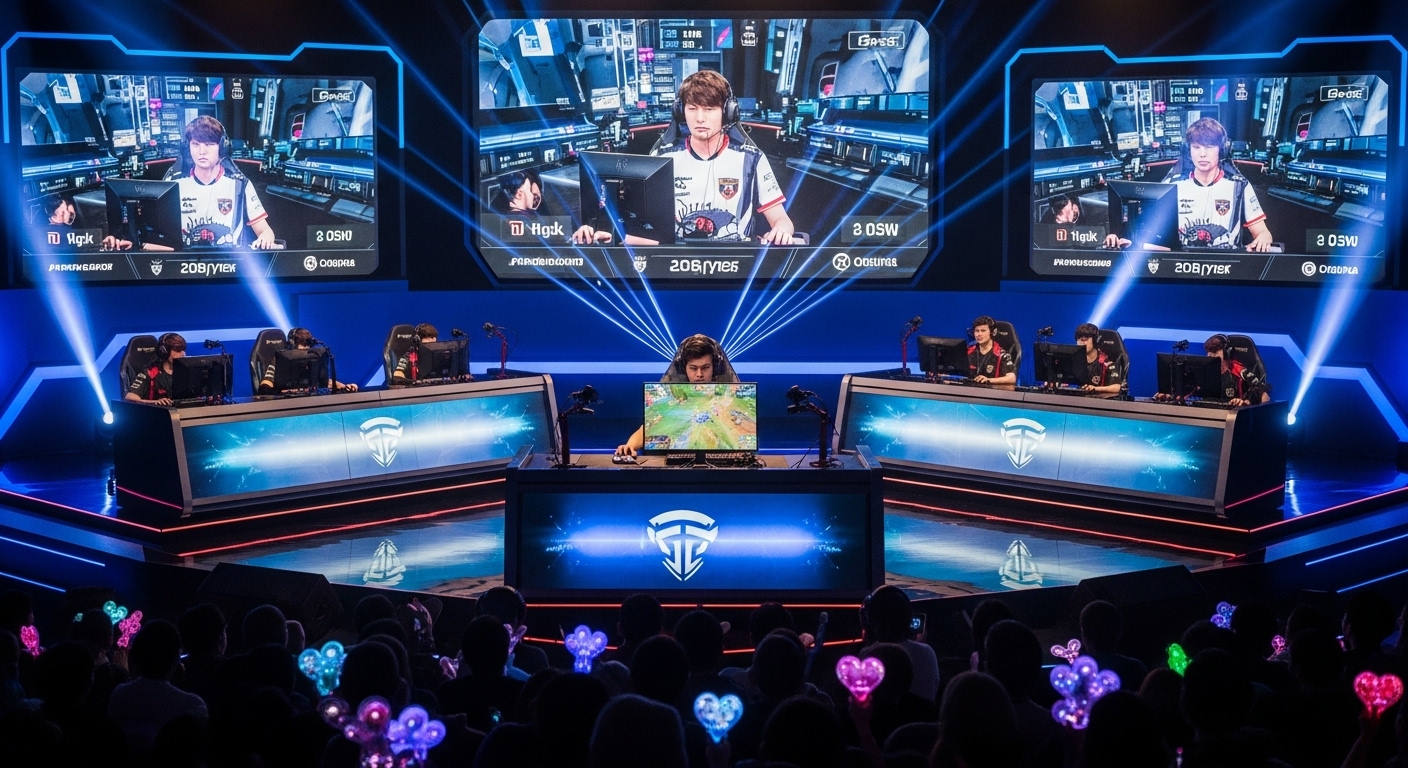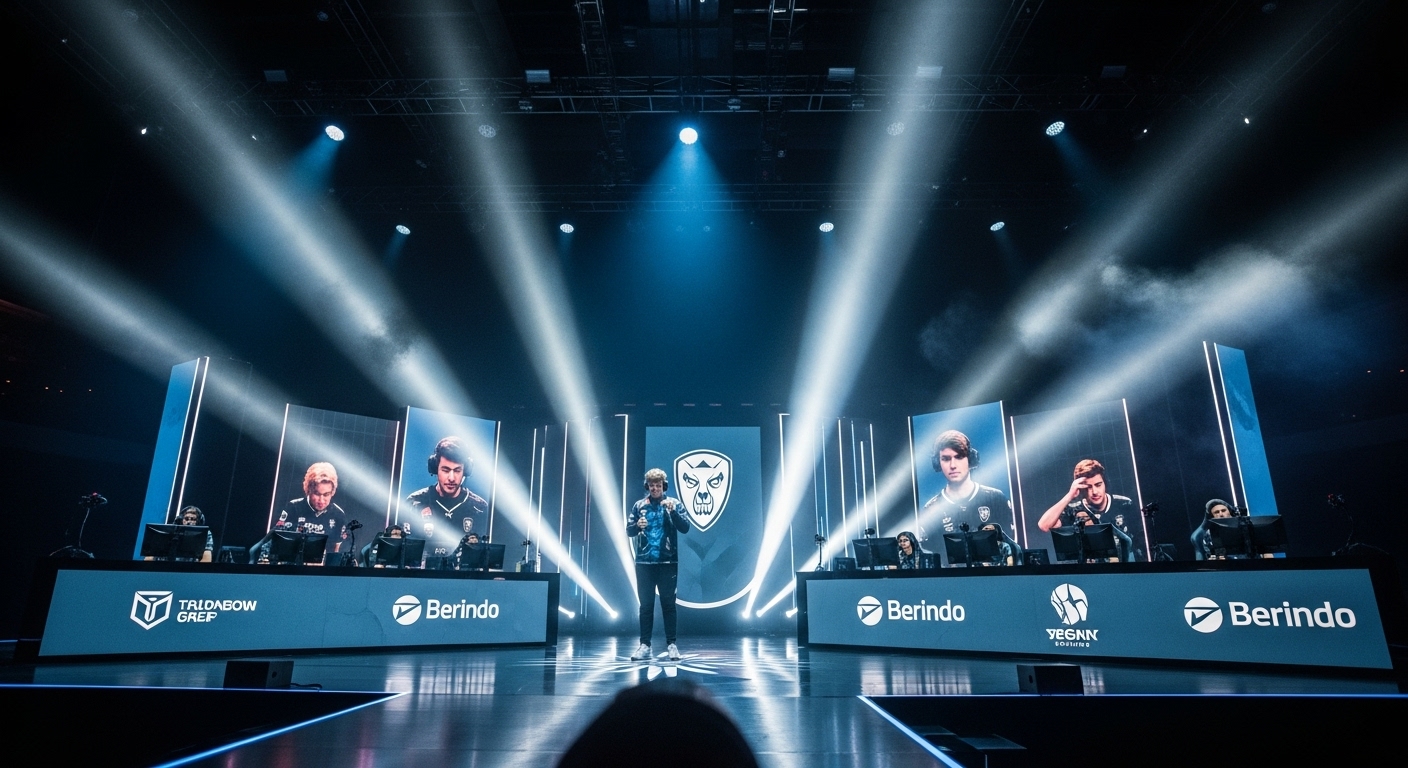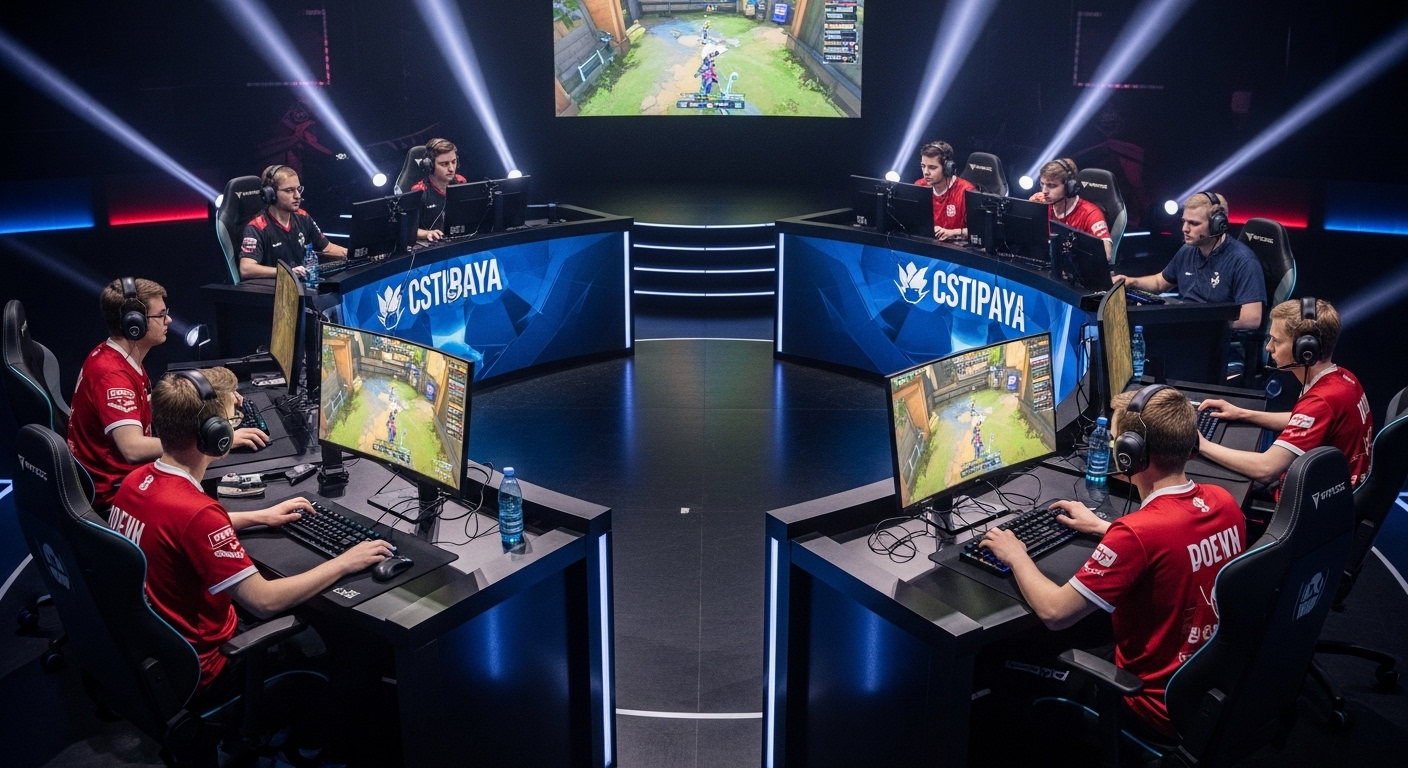
In recent years, esports has evolved from a niche pastime into a billion-dollar global industry. The rise of competitive video gaming has captivated millions, transcending age, geography, and culture. What was once a casual hobby for a select few has become a professional, high-stakes competition with massive audiences, sponsorships, and even government recognition. In this blog post, we’ll explore the rise of esports, how it has developed into the powerhouse it is today, and what the future holds for this fascinating and dynamic industry.
The Early Days of Esports
Esports has roots that stretch back decades. In the 1970s and 1980s, the gaming world was largely limited to arcade games like Pong and Space Invaders. These games were played in public spaces, and although they were competitive in nature, there was no formal structure for organized competition. However, the seeds of competitive gaming were planted during this era.
The first known competitive gaming event took place in 1972 when Stanford University hosted the Intergalactic Spacewar Olympics. The game Spacewar was chosen, and the winner received a year-long subscription to Rolling Stone magazine. This event, though small, set the stage for the future of esports by introducing the concept of competition in the gaming world.
The 1990s saw the advent of the internet, and with it, the possibility for online gaming. The first major esports tournament that gained significant attention was the Red Annihilation tournament in 1997, which was based on the game Quake. It attracted 2,000 participants and was even sponsored by companies like Microsoft. This tournament marked the beginning of esports as a serious, competitive industry.
The Rise of Esports in the 2000s
In the early 2000s, the landscape of esports began to shift dramatically. Several factors contributed to its rapid rise during this time. One of the most significant factors was the widespread adoption of broadband internet, which allowed players to compete online with people from all over the world.
Esports leagues started to take shape, with games like StarCraft, Warcraft III, and Counter-Strike becoming some of the most popular titles in competitive gaming. Tournaments began to be held more frequently, and organizations like the World Cyber Games (WCG) and the Electronic Sports League (ESL) emerged as pioneers in organizing global tournaments.
In 2003, the World Cyber Games held its first official competition in South Korea, a country that would later become the epicenter of the esports movement. South Korea’s obsession with gaming and its advanced internet infrastructure created an environment that was uniquely suited for the growth of esports. Games like StarCraft and League of Legends became cultural phenomena, and the country’s competitive players achieved celebrity status.
The Explosion of Esports in the 2010s
The 2010s was the decade when esports truly exploded onto the global stage. This was the period when esports became a mainstream cultural force. What were once small, niche tournaments blossomed into massive events with millions of dollars in prize money and global recognition.
The Growth of Streaming Platforms
A major factor that contributed to the explosion of esports in the 2010s was the rise of streaming platforms like Twitch and YouTube Gaming. Twitch, in particular, became the go-to platform for gaming content. By 2014, Twitch was attracting millions of viewers each day, many of whom tuned in to watch professional esports tournaments. The availability of live streams made it possible for fans to follow their favorite players and teams in real time, fostering a deeper sense of community.
Streaming also provided gamers with the opportunity to create their own content, leading to the rise of individual streamers who built massive followings. These streamers were often at the center of esports tournaments, either as competitors or as personalities who provided commentary and analysis.
Sponsorship and Investment
As the popularity of esports grew, so did the interest from major brands and investors. Companies like Coca-Cola, Red Bull, Intel, and Mercedes-Benz began to sponsor esports events, bringing significant financial support to the industry. In 2018, the total global esports revenue was estimated at over $900 million, with projections for continued growth.
Corporate sponsorship not only helped elevate the profile of esports but also provided the financial backing needed to create larger, more impressive events. Major brands understood that esports offered a valuable opportunity to tap into a young, tech-savvy demographic, and they were eager to align themselves with this growing cultural movement.
The Emergence of Major Esports Leagues
In addition to tournament-style events, the 2010s also saw the emergence of professional esports leagues. Perhaps the most notable of these leagues is the League of Legends Championship Series (LCS), which was created by Riot Games in 2013. The LCS quickly became one of the most successful and prestigious esports leagues in the world.
Other games followed suit, with Overwatch, Call of Duty, and Counter-Strike: Global Offensive (CS:GO) all seeing the formation of their own professional leagues. These leagues provided players with regular salaries, benefits, and job security, which further legitimized esports as a career choice. The presence of structured leagues also allowed fans to follow their favorite teams and players over the course of a season, much like traditional sports leagues.
The Growth of Esports Arenas
As esports events grew in size and popularity, dedicated esports arenas began to appear. One of the first major esports-specific venues was the Esports Stadium Arlington in Texas, which opened in 2018. This venue was designed to host large-scale esports events and featured state-of-the-art technology for streaming, broadcasting, and gameplay.
In addition to dedicated esports arenas, major venues like Madison Square Garden in New York and the Los Angeles Memorial Coliseum began to host esports events, further signaling the mainstream acceptance of esports. These large venues allowed esports tournaments to reach wider audiences and created a more immersive experience for both players and fans.
Esports as a Global Industry
Esports has quickly become a global industry, with competitive gaming taking place in nearly every corner of the world. Tournaments are held in countries as diverse as South Korea, Germany, China, and Brazil, and millions of viewers from all over the globe tune in to watch these events.
International Esports Competitions
One of the hallmarks of esports is its international nature. Unlike traditional sports, where athletes are often confined to competing within their respective countries, esports players have the ability to compete globally. Tournaments like The International (for Dota 2) and The League of Legends World Championship draw competitors from all over the world.
This international aspect of esports has led to the formation of a global community of players, fans, and organizations. Esports organizations now operate in multiple regions, with teams representing countries from all over the world. This has helped foster cross-cultural collaboration and a sense of unity among gamers from different backgrounds.
The Role of Social Media and Content Creation
Another factor that has contributed to the global growth of esports is the role of social media and content creation. Esports organizations and players have embraced platforms like Twitter, Instagram, and YouTube to engage with their audiences, share updates, and promote events. Social media has become an essential tool for building a brand and connecting with fans, and it has played a key role in the expansion of esports’ global reach.
Content creators, such as streamers and YouTubers, also play a critical role in the esports ecosystem. These individuals produce a wide variety of content, from gameplay highlights and tutorials to commentary and analysis of major tournaments. Their content helps to sustain interest in esports between major events and provides fans with a constant stream of entertainment.
Regional Growth and Esports Hotbeds
While South Korea remains one of the most prominent esports nations, other countries have also seen significant growth in the esports scene. China, in particular, has become a major player in the esports industry, with games like League of Legends and Honor of Kings achieving immense popularity. The Chinese government has even recognized esports as a legitimate sport, and cities like Shanghai and Beijing have become hubs for esports events and organizations.
In North America and Europe, esports is also experiencing rapid growth. The United States is home to some of the most successful esports organizations, such as Cloud9, Team Liquid, and 100 Thieves. The European esports scene is equally vibrant, with teams like G2 Esports and Fnatic gaining recognition on the global stage.
The Future of Esports
As esports continues to grow, the future holds many exciting possibilities. One of the most significant trends is the increasing overlap between traditional sports and esports. In recent years, major sports leagues like the NFL and NBA have partnered with esports organizations to create official leagues and tournaments for video game adaptations of their respective sports. This trend is expected to continue, as more traditional sports embrace the popularity of esports and seek to engage younger audiences.
Another major development in the esports world is the continued growth of virtual reality (VR) and augmented reality (AR) technologies. These technologies could revolutionize the way competitive gaming is played, offering a more immersive and interactive experience for both players and spectators.
Finally, as the esports industry matures, there will likely be an increase in regulation and standardization. Esports organizations, players, and tournaments will need to navigate issues such as player welfare, anti-cheating measures, and intellectual property rights. The establishment of clear regulations will help ensure that esports remains a fair, professional, and sustainable industry.