
Esports events have evolved from small gatherings of local gamers into global spectacles attracting millions of viewers both online and offline. From tournaments with multi-million-dollar prize pools to live conventions and fan festivals, organizing these events requires meticulous planning, coordination, and execution. Behind every thrilling match, seamless live stream, and packed venue lies a complex logistical operation that ensures everything runs smoothly.
This blog explores how event organizers handle logistics in esports, including venue management, technology infrastructure, scheduling, player coordination, and audience experience.
Understanding Esports Event Logistics
Logistics in esports involves planning and managing the physical, technical, and human resources required for an event. Unlike traditional sports, esports events combine live audiences, online broadcasting, and high-tech gaming equipment, creating unique logistical challenges.
Key components include:
Venue Selection and Setup
Technical Infrastructure and Equipment
Scheduling and Match Management
Player and Team Coordination
Audience Engagement and Safety
Sponsorships and Vendor Management
Effective logistics ensure that the event is entertaining, safe, and professionally executed, leaving a lasting impression on players and fans alike.
Venue Selection and Setup
Choosing the right venue is critical for an esports event’s success. Organizers consider:
Capacity and Layout: The venue must accommodate players, staff, spectators, and media while allowing for stage visibility and audience comfort.
Accessibility: Locations near airports, public transportation, and hotels improve convenience for international participants.
Power and Networking Infrastructure: Esports requires high-speed internet, stable power supplies, and multiple network redundancies to prevent disruptions.
Flexibility for Stages and Booths: Organizers must plan for player areas, main stages, streaming setups, sponsor booths, and audience seating.
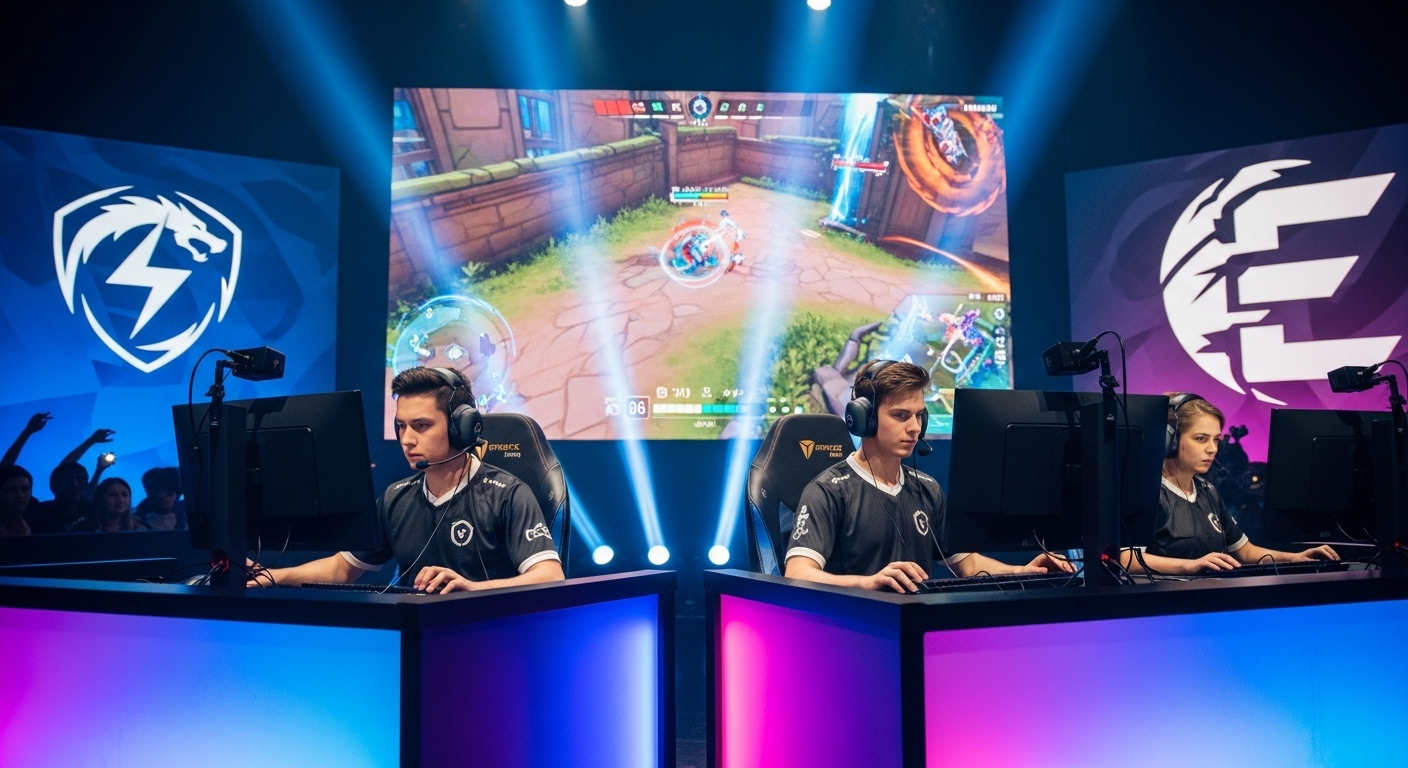
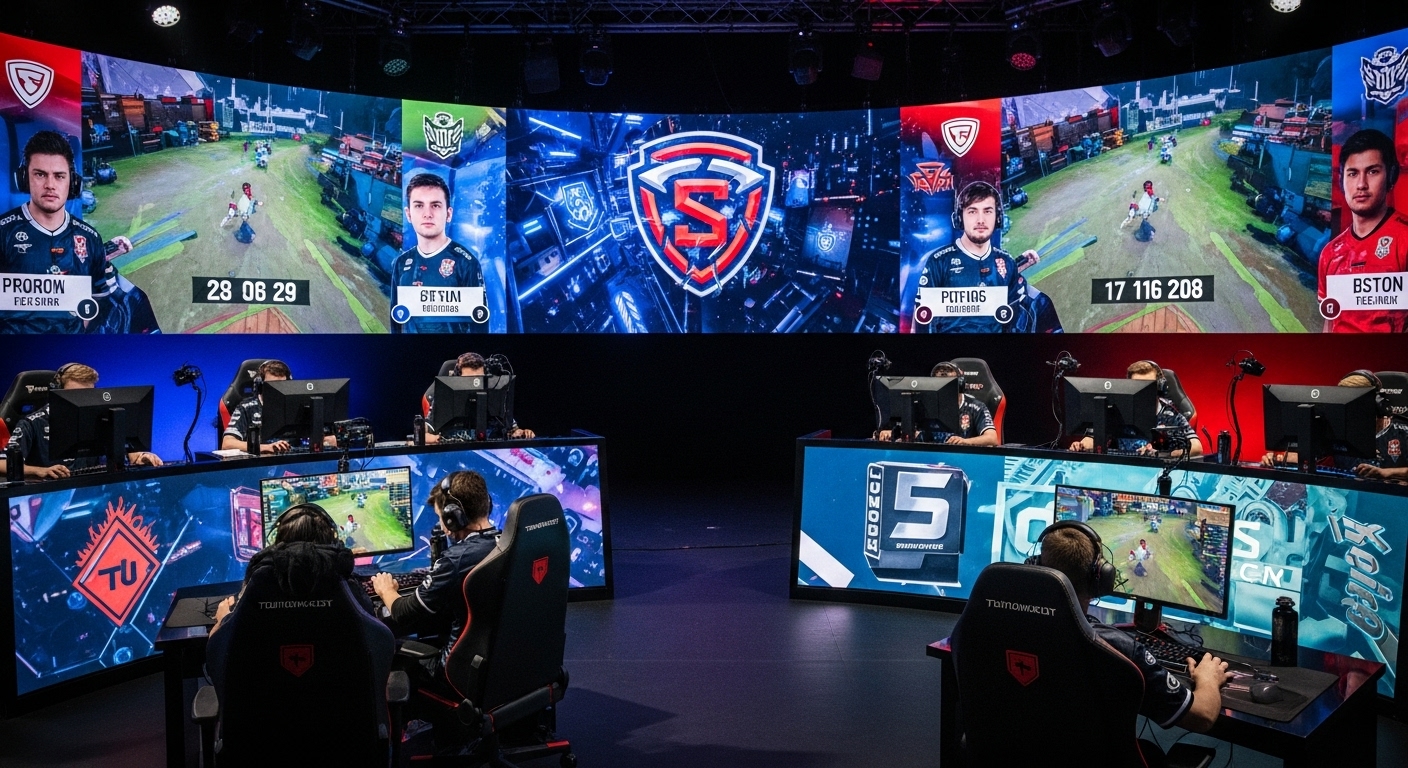
Setup involves constructing stages, installing lighting and audio systems, arranging seating, and ensuring proper signage for attendees. Organizers often work with stage designers and production teams to create visually appealing setups that enhance the viewer experience.
Technical Infrastructure and Equipment
Technical logistics are a cornerstone of esports events. Organizers handle:
High-Performance Gaming Equipment: PCs, consoles, monitors, and peripherals must meet competitive standards.
Network Management: Dedicated internet lines, LAN setups, and failover connections prevent lag and downtime.
Audio-Visual Equipment: Cameras, microphones, LED screens, and broadcast equipment ensure high-quality production.
Redundancy Systems: Backup servers, power generators, and spare hardware mitigate technical failures.
Ensuring seamless online streaming is equally important. Organizers coordinate with broadcast teams to provide multi-camera angles, real-time commentary, overlays, and live graphics.
Scheduling and Match Management
Esports events require precise scheduling to coordinate matches, breaks, and broadcasts. Logistics include:
Tournament Brackets: Organizers must manage pools, seeds, and progression for fair competition.
Match Timing: Scheduling considers player stamina, global viewership time zones, and live streaming slots.
Breaks and Media Opportunities: Planned breaks allow players to rest and media teams to capture content.
Contingency Planning: Delays due to technical issues or player availability require flexible rescheduling.
Software tools and tournament management platforms often assist in tracking scores, brackets, and timing, ensuring smooth execution.
Player and Team Coordination
Handling participants is a vital aspect of logistics:
Travel and Accommodation: Organizers book flights, hotels, and transportation for international teams.
Practice Facilities: Dedicated warm-up areas allow players to prepare without distractions.
Player Support: Coordinating visas, dietary requirements, medical support, and on-site staff ensures participants remain comfortable and focused.
Communication Channels: Organizers maintain constant contact with teams to address changes, updates, and emergencies.
High-level tournaments often assign player liaisons or team managers to handle day-to-day logistics and reduce stress for competitors.
Audience Engagement and Safety
Esports events cater to both in-person and online audiences, requiring careful planning:
Ticketing and Entry Management: Efficient systems prevent long lines and overcrowding.
Safety and Security: Crowd control, emergency protocols, and health measures ensure a safe environment.
Fan Experience: Interactive booths, merchandise stalls, meet-and-greets, and photo opportunities enhance engagement.
Streaming Experience: Organizers coordinate overlays, live commentary, and viewer interaction for online spectators.
Creating an enjoyable fan experience strengthens brand loyalty and encourages future event attendance.
Sponsorships and Vendor Management
Esports events rely heavily on sponsors and vendors, which adds logistical layers:
Sponsor Integration: Branding, product demos, and sponsored segments must be seamlessly incorporated into the event.
Vendor Coordination: Food, merchandise, and technology vendors require space, access, and setup instructions.
Compliance and Contracts: Legal and contractual obligations ensure sponsors and vendors are satisfied and obligations are met.
Proper coordination allows sponsors to gain visibility while maintaining a cohesive event experience.
Challenges in Esports Logistics
Organizers face several unique challenges:
Technical Failures: Network outages, server crashes, or hardware malfunctions can disrupt events.
Time Zone Differences: International competitions require careful planning to maximize global viewership.
Player Fatigue and Stress: Long events require consideration of physical and mental well-being.
Venue Limitations: Not all locations are suitable for high-tech esports setups.
Unpredictable Audience Behavior: Managing large crowds and ensuring safety requires preparation and experienced staff.
Mitigating these challenges involves detailed contingency plans, backup systems, and professional teams.
Tools and Technologies Used in Esports Event Logistics
Tournament Management Software: Platforms like Battlefy or Toornament streamline bracket creation, score tracking, and scheduling.
Project Management Tools: Tools such as Trello, Asana, or Monday.com help organize tasks across production, technical, and marketing teams.
Broadcasting Equipment: Multi-camera setups, OBS, XSplit, and professional switchers enhance live production quality.
Networking Solutions: Redundant internet lines, LAN setups, and VPNs prevent connectivity issues.
Communication Systems: Radios, intercoms, and chat apps ensure instant communication across staff and teams.
These tools enable organizers to coordinate complex operations efficiently and respond quickly to unforeseen challenges.
Best Practices for Esports Event Logistics
Early Planning: Begin logistics planning months in advance to secure venues, equipment, and personnel.
Test Runs and Dry Runs: Conduct rehearsal matches, network tests, and production run-throughs to identify potential issues.
Clear Communication Channels: Maintain centralized communication for staff, teams, sponsors, and media.
Redundancy Planning: Prepare backup equipment, servers, and contingency schedules.
Audience-Centric Design: Prioritize fan experience to maximize engagement and satisfaction.
By following these best practices, organizers reduce risk and enhance the overall quality of the esports event.
Conclusion: The Complexity Behind Esports Events
Handling logistics in esports is a massive, multi-faceted operation that combines venue management, technology, scheduling, participant coordination, and fan engagement. Successful event organizers blend meticulous planning with flexibility, ensuring that competitions run smoothly while providing a memorable experience for players and audiences alike.
From small local tournaments to global championships, efficient logistics distinguish professional events from amateur productions. Behind every flawless live stream, energized crowd, and high-stakes match is a team of organizers managing countless details, proving that logistics is as much a part of esports success as player skill and competition.