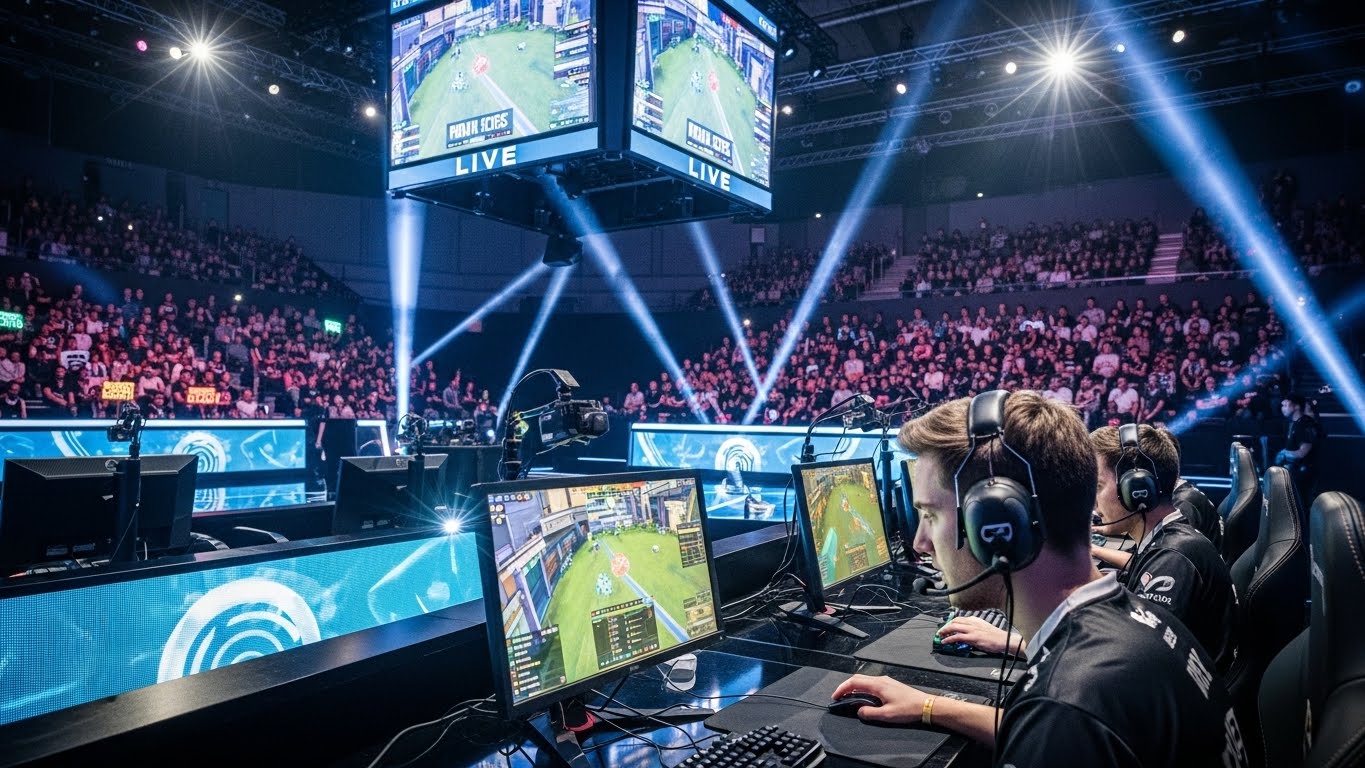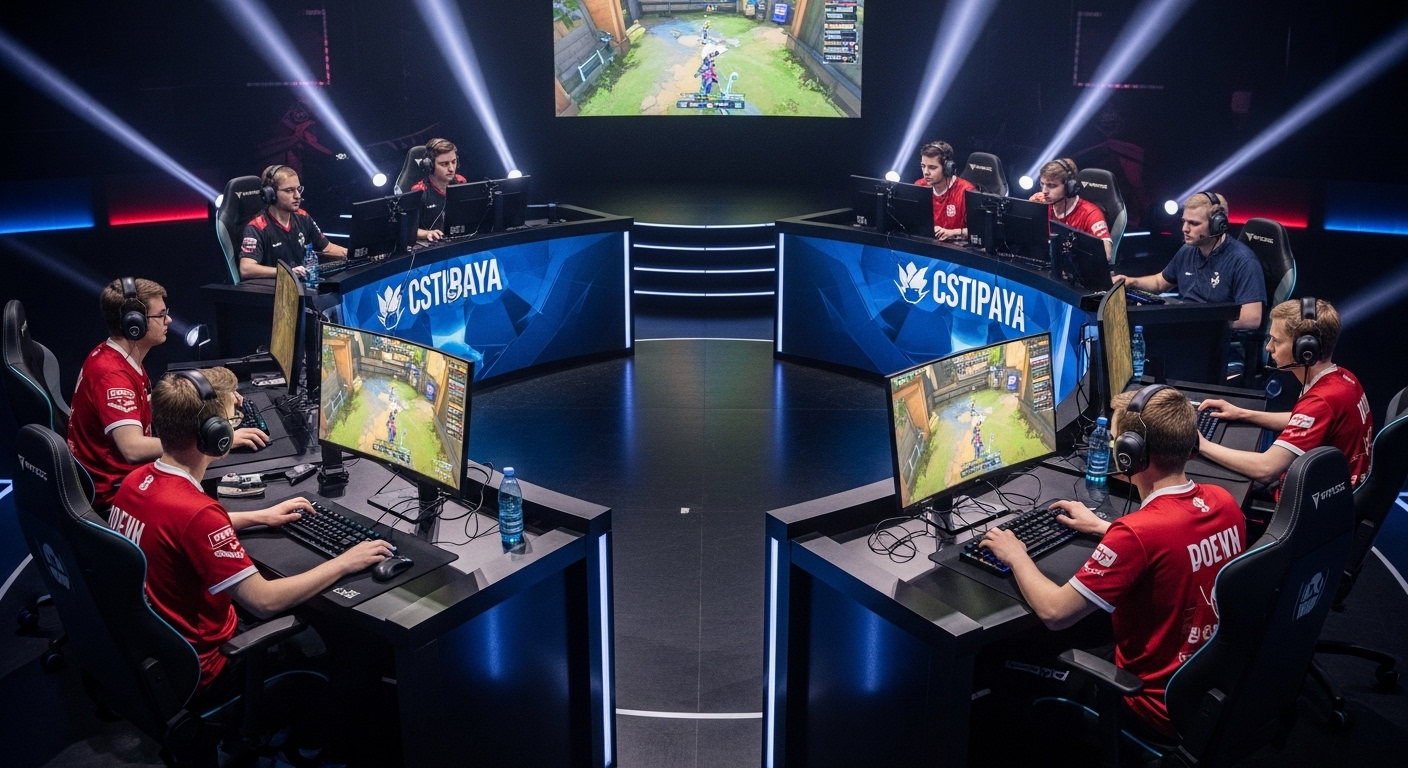
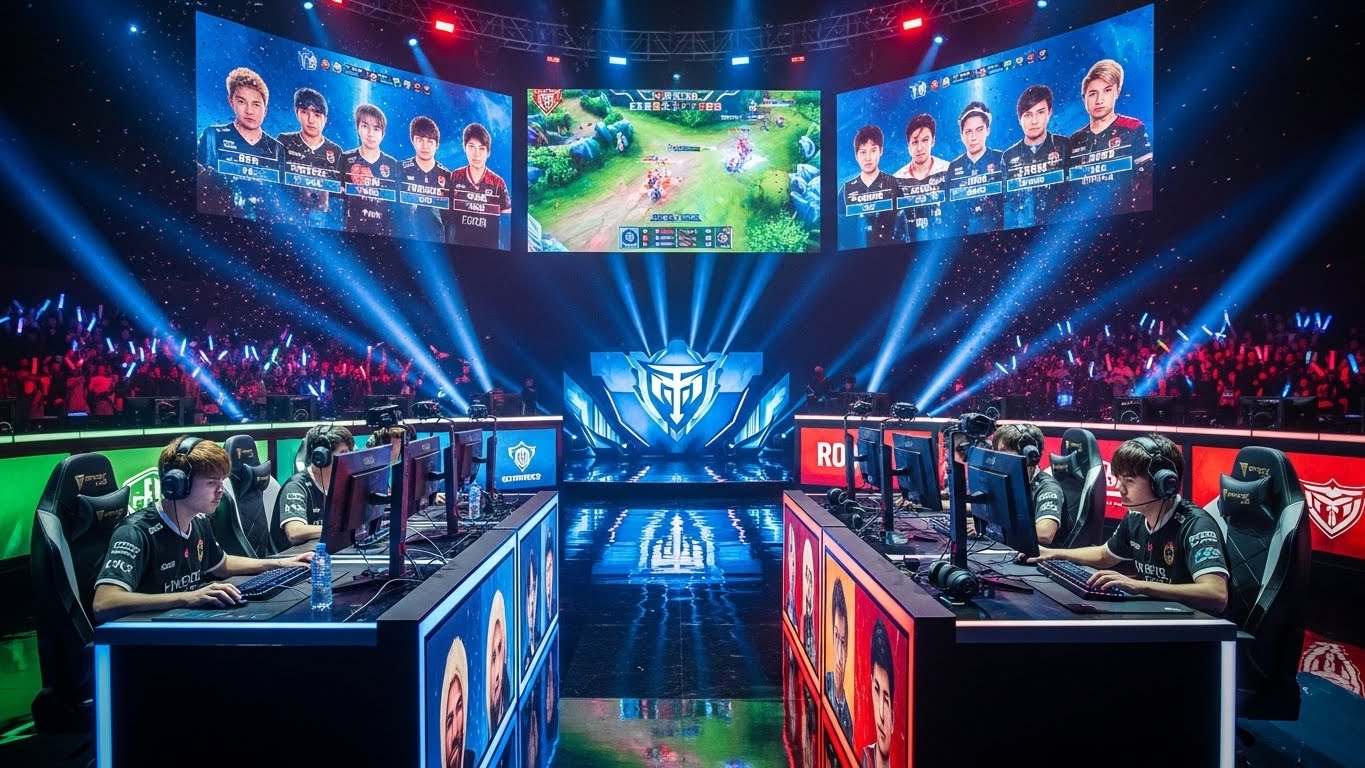
Esports has grown from a niche hobby into a global phenomenon, reshaping the way people view competition, entertainment, and digital culture. What was once casual gaming in living rooms has evolved into professional leagues, stadium-filling tournaments, and careers that rival traditional sports. The rise of esports is not only a story of technological advancement but also of cultural evolution, economic impact, and social connectivity. This blog explores the history, ecosystem, challenges, and future of esports, highlighting why it has become a defining feature of modern entertainment.
The Origins of Competitive Gaming
The roots of esports trace back to the early days of video games. In the 1970s and 1980s, players competed for high scores on arcade machines like Space Invaders, Pac-Man, and Donkey Kong. These competitions were small and informal, driven by passion rather than commercial gain. Players sought recognition among peers and local communities, unknowingly setting the stage for a global movement.
With the advent of personal computers and internet connectivity in the 1990s, multiplayer gaming became possible across regions. Titles like Quake, StarCraft, and Counter-Strike allowed players to compete in real time, forming early competitive communities. Tournaments emerged, and online forums provided spaces for discussion, strategy, and the organization of professional play.
The Professionalization of Esports
By the 2000s, esports began transitioning from casual competition to professional sport. Game developers recognized the potential of competitive play and began designing titles with balance, strategy, and spectator appeal in mind. Communities grew, and formal tournaments offered cash prizes, sponsorships, and recognition.
Professional teams emerged, often operating similarly to traditional sports organizations. Players trained under coaches, analysts reviewed strategies, and management handled sponsorships and contracts. The professionalization of esports attracted investment, media attention, and mainstream recognition, solidifying its place as a legitimate industry.
Understanding the Esports Ecosystem
Esports is supported by a complex ecosystem that extends far beyond players. Teams operate with coaches, analysts, psychologists, and managers to optimize performance. Tournament organizers plan events, manage logistics, and ensure high production value. Developers maintain game balance and support competitive structures. Broadcasters and streaming platforms deliver content to millions of viewers worldwide.
Fans are also an integral part of the ecosystem. Community engagement through forums, live chats, and social media drives cultural influence and market growth. This multifaceted ecosystem ensures that esports thrives as both a competitive endeavor and an entertainment experience.
Skill, Strategy, and Training in Esports
Professional esports requires exceptional skill, mental acuity, and strategic thinking. Players dedicate hours each day to mastering mechanics, practicing teamwork, and refining strategies. Reflexes, hand-eye coordination, and split-second decision-making are crucial for success.
Team-based esports emphasize communication and coordination. Players must adapt strategies in real time, understand their roles, and maintain composure under pressure. Training routines often include simulated scenarios, tactical discussions, and performance reviews. Esports is not just about reaction time; it demands discipline, focus, and continuous improvement.
Physical and Mental Health in Competitive Gaming
Although esports is digital, physical and mental health are critical to performance. Extended practice sessions can lead to fatigue, repetitive strain injuries, and posture issues. Many professional players integrate physical exercise, stretching, and healthy habits to maintain endurance and prevent injuries.
Mental health is equally important. High-pressure tournaments, public scrutiny, and rigorous schedules can lead to stress, anxiety, and burnout. Recognizing this, teams now provide psychological support, counseling, and structured rest periods. Maintaining balance between performance and well-being is essential for longevity in esports careers.
The Role of Technology in Esports
Technology is the backbone of esports. High-performance computers, consoles, and peripherals enable competitive play, while streaming platforms allow global audiences to watch matches in real time. Advancements in graphics, processing power, and network stability have elevated gameplay and spectator experience.
Data analytics and artificial intelligence are increasingly integrated into training. Coaches and players analyze gameplay to identify patterns, improve strategies, and optimize performance. Technology not only enhances competition but also strengthens engagement, creating immersive and interactive experiences for audiences.
Social and Cultural Impact of Esports
Esports has had a profound social and cultural impact. Online communities connect millions of fans worldwide, fostering collaboration, discussion, and shared identity. Gaming transcends traditional barriers such as geography, language, and physical ability, promoting inclusivity and cultural exchange.
For younger generations, esports provides role models and aspirational figures. Players inspire fans to pursue careers in gaming, content creation, or technology. Esports culture emphasizes creativity, dedication, and teamwork, offering both entertainment and a sense of belonging to participants around the globe.
Career Opportunities in Esports
Beyond professional play, esports offers a wide range of careers. Coaches, commentators, content creators, event organizers, marketers, and game developers are integral to the industry. Educational programs and esports academies now provide structured pathways for training and career development.
Streaming platforms and content creation have created additional opportunities for independent careers. Influencers can monetize audiences, collaborate with brands, and build personal brands. Esports demonstrates that gaming can evolve from a hobby into a sustainable, professional ecosystem.
Economic Influence of Esports
Esports has grown into a multi-billion-dollar industry. Revenue streams include sponsorships, advertising, merchandise, ticket sales, and media rights. Large-scale tournaments stimulate local economies, generating employment, tourism, and hospitality revenue.
Investment from corporations, media companies, and technology firms continues to expand the infrastructure of esports. With increasing economic impact, esports has established itself as a serious business venture and a significant contributor to the global digital economy.
Women and Inclusivity in Esports
The esports industry is becoming increasingly inclusive. Female players, commentators, and organizers are gaining visibility, challenging long-standing stereotypes. Initiatives promoting diversity and equal opportunity are fostering a more inclusive environment for participants of all backgrounds.
Representation is critical. Seeing talent and dedication rewarded irrespective of gender encourages broader participation. By embracing inclusivity, esports cultivates creativity, fairness, and engagement, reflecting modern societal values.
Challenges and Ethical Considerations
As esports grows, ethical challenges emerge. Issues such as cheating, toxic behavior, and online harassment must be addressed to maintain fair competition. Developers and organizers enforce rules, monitor behavior, and promote integrity within the community.
Additionally, the long-term sustainability of careers, player welfare, and equitable opportunities remain important topics. Addressing these challenges ensures that esports continues to evolve responsibly, balancing competitiveness with ethics and social responsibility.
The Future of Esports
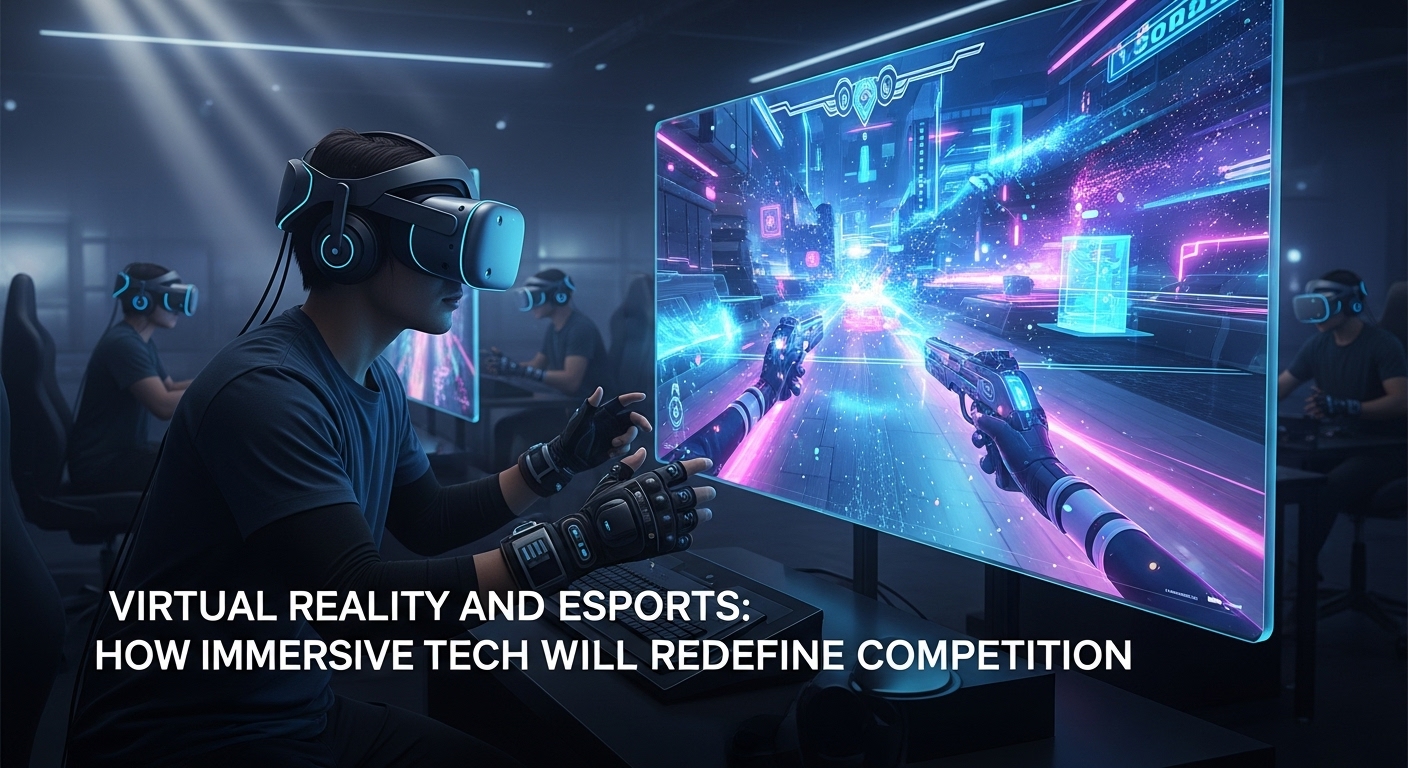
The future of esports is filled with possibilities. Emerging technologies like virtual reality, augmented reality, and cloud gaming will redefine gameplay and audience engagement. Integration with traditional sports and educational programs could further expand its influence.
As esports becomes increasingly professionalized and globalized, it will continue to shape digital culture, entertainment, and competition. The industry is poised for growth, innovation, and deeper cultural significance in the years to come.
Conclusion
Esports has transformed from casual gaming into a global phenomenon that combines skill, strategy, and technology. It has created careers, fostered international communities, and driven technological innovation. Beyond entertainment, esports represents a new model of competition, cultural exchange, and professional opportunity.
From humble beginnings in arcades to packed arenas and millions of online viewers, esports demonstrates the evolving power of digital competition. It is a cultural, social, and economic force that continues to redefine what it means to compete, connect, and succeed in the modern world.