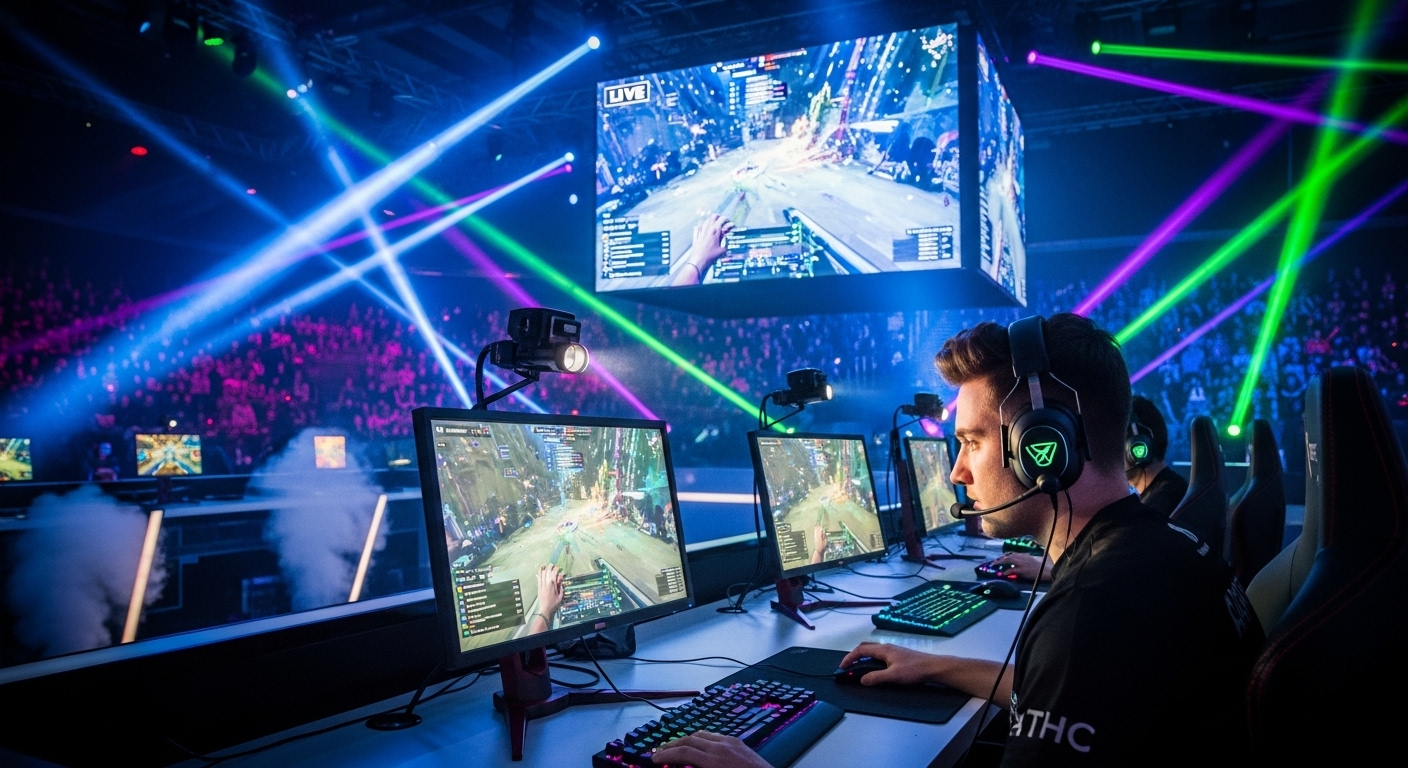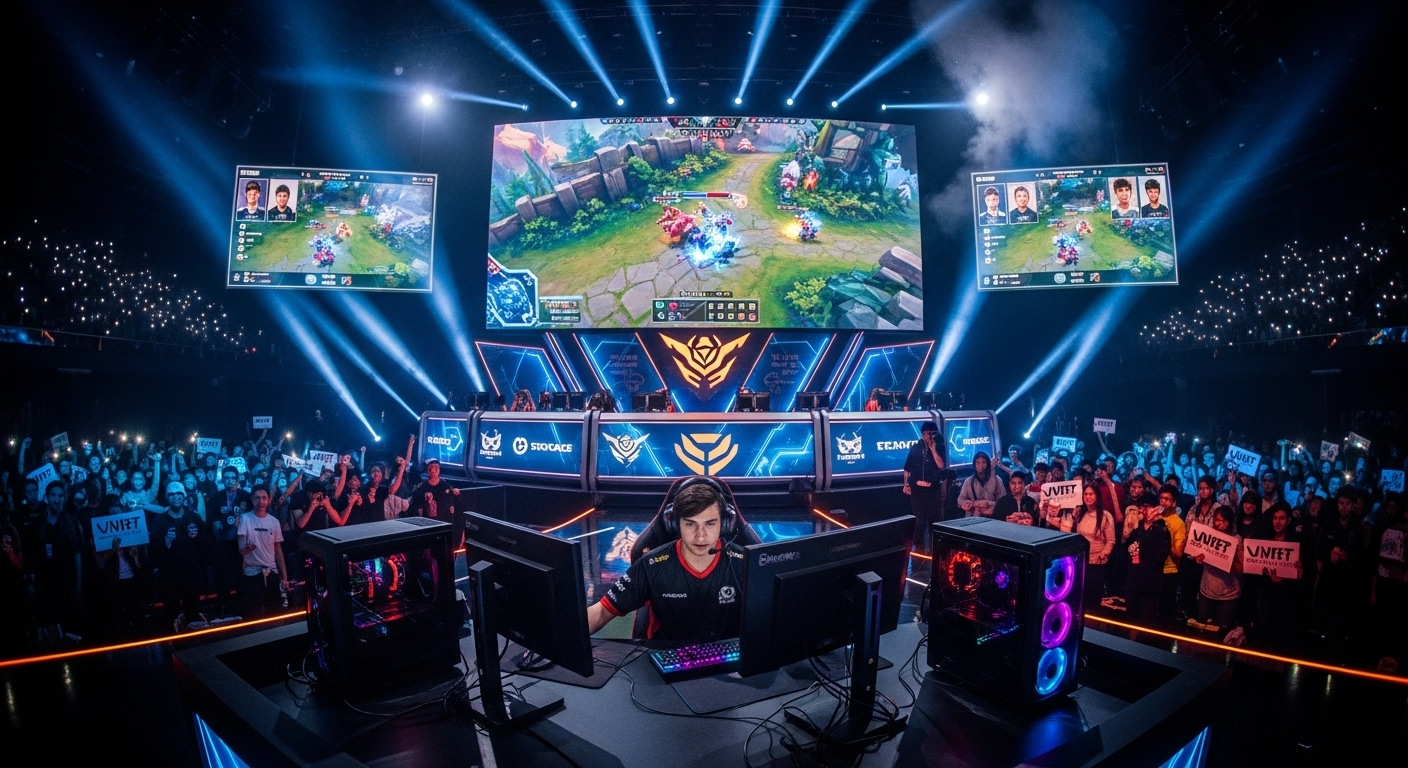
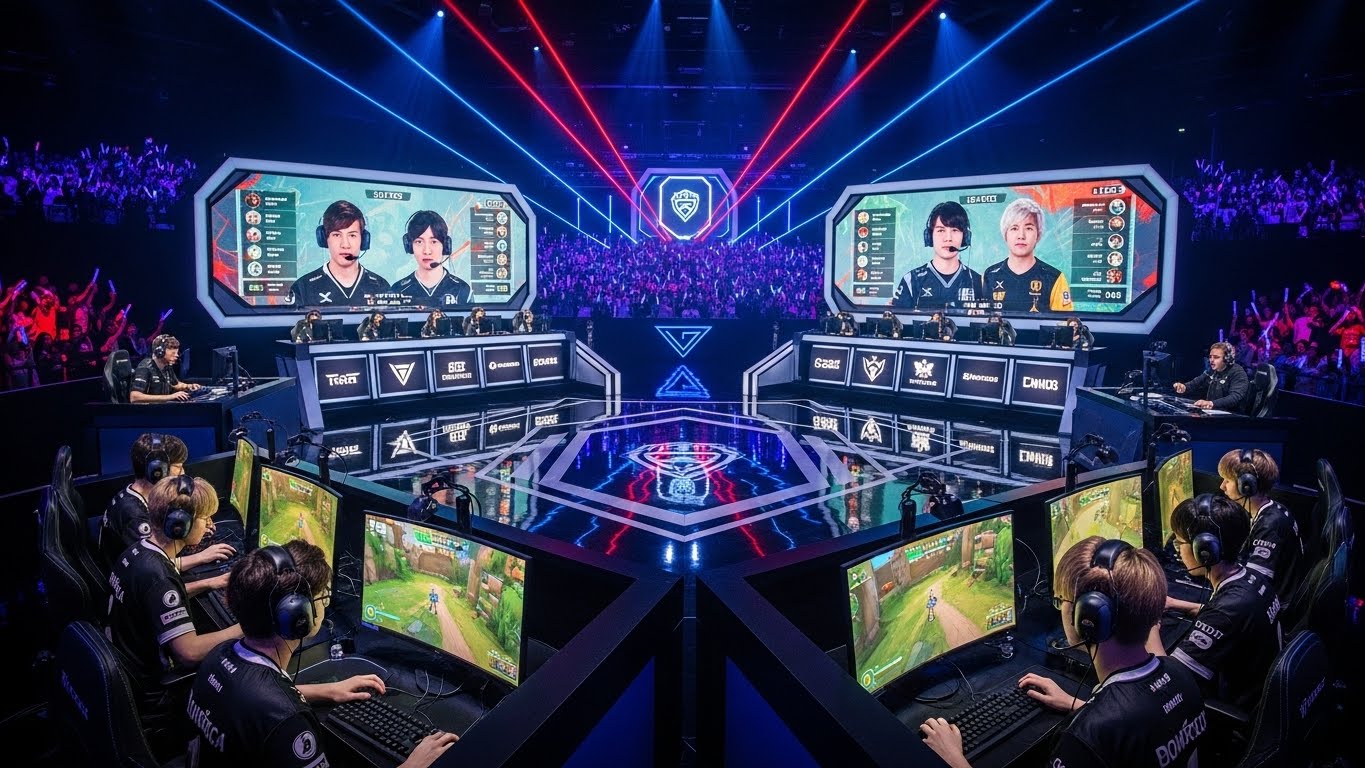
The world of competitive gaming, known as esports, has experienced an unprecedented rise over the past two decades. What was once considered a niche hobby is now a billion-dollar industry, drawing millions of fans, players, and investors worldwide. Esports is not just about playing video games; it has become a global phenomenon that blends competition, entertainment, technology, and community. Its rapid growth highlights the changing ways people interact with games and how gaming can influence culture, education, and the economy.
The Evolution of Esports
The history of esports dates back to the 1970s when early video games like Space Invaders and Pong inspired competitive events. The first known video game competition took place at Stanford University in 1972, featuring the game Spacewar. In the 1980s and 1990s, competitive gaming expanded with the rise of home consoles and personal computers. Tournaments such as the Red Annihilation Quake event and the Cyberathlete Professional League helped establish esports as a legitimate form of competition.
Over time, esports transitioned from small, local competitions to large-scale international tournaments. The growth of the internet and streaming platforms enabled players from across the globe to compete and watch live events. Today, esports has evolved into a professional ecosystem with teams, coaches, analysts, and large fan communities.
What Makes Esports Unique
Esports is distinct from traditional sports because it emphasizes mental agility, strategy, and reflexes rather than physical athleticism. Games like League of Legends, Counter-Strike: Global Offensive, Dota 2, and Fortnite require precise coordination, rapid decision-making, and strong teamwork. Each game demands a unique combination of skills, making esports a diverse and challenging competitive field.
Professional esports players spend hours training every day, focusing on improving their reaction times, strategies, and teamwork. Their schedules often mirror those of traditional athletes, including practice sessions, review of gameplay footage, and physical conditioning. This dedication underscores the fact that esports is not just a hobby but a professional pursuit requiring discipline and resilience.
The Rise of Professional Esports
Professional esports has grown into a global industry with structured leagues, organized tournaments, and career opportunities. Organizations like T1, FaZe Clan, and Cloud9 manage players, coaches, and support staff similar to traditional sports franchises. High-profile tournaments such as the League of Legends World Championship, The International for Dota 2, and the Fortnite World Cup attract millions of viewers both in stadiums and online.
Esports has also created new career paths beyond competitive play. Commentators, analysts, content creators, event organizers, and marketing professionals all play essential roles in supporting the ecosystem. This growth demonstrates that esports is a multifaceted industry with economic, social, and cultural significance.
The Economic Impact of Esports
The financial impact of esports is substantial, with revenues coming from sponsorships, merchandise, broadcasting rights, streaming platforms, and tournament prize pools. Companies invest heavily in esports to reach younger audiences, making it a valuable platform for marketing and brand engagement.
Prize pools in esports tournaments can be enormous. For instance, The International, one of the largest Dota 2 tournaments, has offered prize pools exceeding tens of millions of dollars. These financial incentives have transformed esports into a viable career path, attracting talented players worldwide who aspire to compete professionally.
Technology and Esports
Technology is at the core of esports. High-performance computers, gaming peripherals, and stable internet connections are essential for competitive play. Advanced analytics tools allow teams to evaluate strategies, monitor player performance, and optimize gameplay. Streaming platforms enable millions of fans to watch live events, creating a global shared experience.
Emerging technologies such as virtual reality and augmented reality are beginning to influence esports, offering immersive gaming experiences. Artificial intelligence tools provide coaching insights, helping players refine their skills and enhance their decision-making. The continuous interplay between technology and esports ensures that the industry remains innovative and dynamic.
Mental and Physical Challenges
Esports demands both mental and physical endurance. Players must maintain intense focus for long periods, react quickly to fast-paced scenarios, and make split-second decisions. The mental strain can be significant, requiring strategies for stress management, concentration, and resilience.
Physical well-being is also crucial. Long hours of gaming can lead to repetitive strain injuries, eye fatigue, and poor posture. To address these challenges, professional teams incorporate physical training, nutrition plans, and mental health support into their routines. This holistic approach mirrors the care provided to traditional athletes, emphasizing that esports is a discipline requiring both mind and body.
Esports as a Cultural Phenomenon
Esports has fostered a unique global culture. Fans engage through live streaming platforms, forums, and social media, creating communities around shared interests. Professional players often become celebrities, influencing fashion, entertainment, and media. Tournaments serve as cultural events, drawing fans from diverse backgrounds together in celebration of competition and skill.
Unlike many traditional sports, esports is inclusive, allowing individuals of all genders, physical abilities, and backgrounds to participate. Online connectivity has made it possible for communities worldwide to interact, compete, and collaborate, reinforcing esports as a unifying force across borders.
Esports and Education
Esports is increasingly integrated into education, with schools and universities offering programs and scholarships for competitive gaming. These programs teach teamwork, strategic thinking, communication, and problem-solving skills. Students gain experience in leadership, event management, and digital media, which can translate into careers in gaming, technology, and beyond.
Collegiate esports also serves as a training ground for professional players. Many student-athletes transition to competitive leagues after university, while others pursue careers in esports management, broadcasting, or content creation. This integration highlights esports as a tool for both personal development and professional growth.
Challenges Facing the Esports Industry
Despite its growth, esports faces challenges. The industry is still maturing, and regulatory standards vary widely across regions. Player burnout, mental health issues, cheating, and gambling-related concerns remain significant issues. Gender representation and diversity also need improvement in some areas.
Ensuring sustainability in esports requires collaboration between players, teams, event organizers, and governing bodies. Establishing fair competition standards, promoting mental health, and fostering inclusivity are essential for long-term success.
The Future of Esports
The future of esports is promising. Technological innovations such as virtual reality, augmented reality, and AI integration will create new gaming experiences. Global audiences are expected to grow as streaming platforms and media coverage expand. Crossovers between esports and traditional sports may also increase, with major sports organizations investing in esports teams and competitions.
Esports will continue to redefine entertainment, competition, and community engagement. As technology advances and global interest expands, esports is set to become an even more integral part of modern culture and society.
Conclusion
Esports is more than a passing trend—it is a transformative force in entertainment, culture, and technology. From humble beginnings in arcades and personal computers, it has grown into a global phenomenon that blends skill, strategy, and spectacle. Professional players, teams, and fans form a dynamic ecosystem that mirrors traditional sports in discipline, dedication, and passion.
Esports impacts education, the economy, and social culture while providing opportunities for careers and community engagement. It challenges traditional ideas of competition, demonstrating that digital arenas can be as exciting, demanding, and influential as physical ones. The rise of esports is a testament to human innovation and the evolving ways we engage with games, competition, and one another.
The world of esports continues to grow, inspiring players and fans alike. It proves that competitive gaming is not merely entertainment; it is a platform for skill, creativity, and global connection. The digital arena has become a stage for talent, strategy, and innovation, redefining what it means to compete in the 21st century.