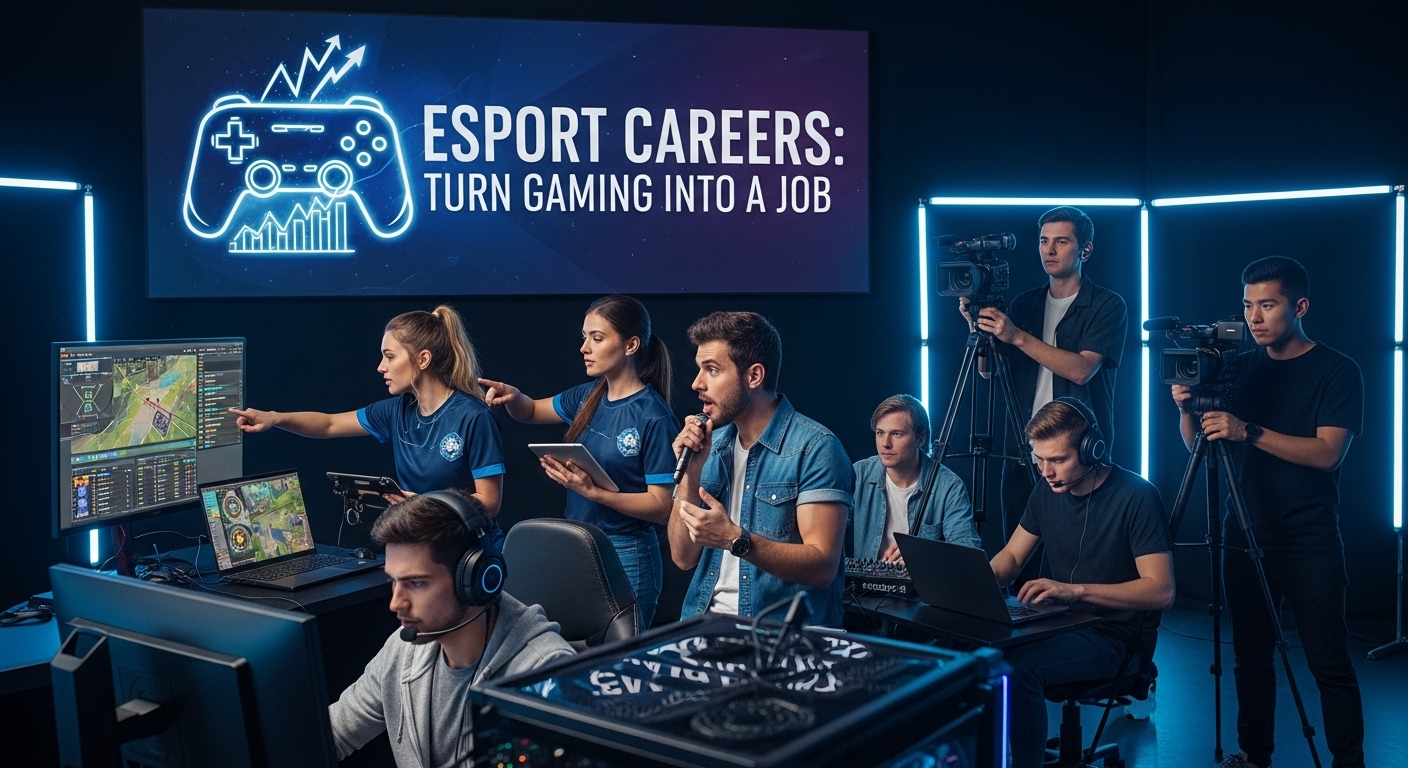
Not too long ago, playing video games was seen as a simple pastime, often dismissed as something unproductive. Today, the esports industry has transformed gaming into a billion-dollar global business, opening the door for gamers to turn their passion into a profession. Whether you dream of becoming a pro player, a coach, a content creator, or even a behind-the-scenes strategist, there’s a growing range of opportunities in esports.
If you’ve ever wondered how to turn your love for gaming into a career, you’re not alone. With the right mindset, preparation, and industry knowledge, it’s possible to make gaming more than just a hobby. This article explores the different paths available, what it takes to succeed, and how you can build a sustainable future in esports.
Understanding the Growth of Esports
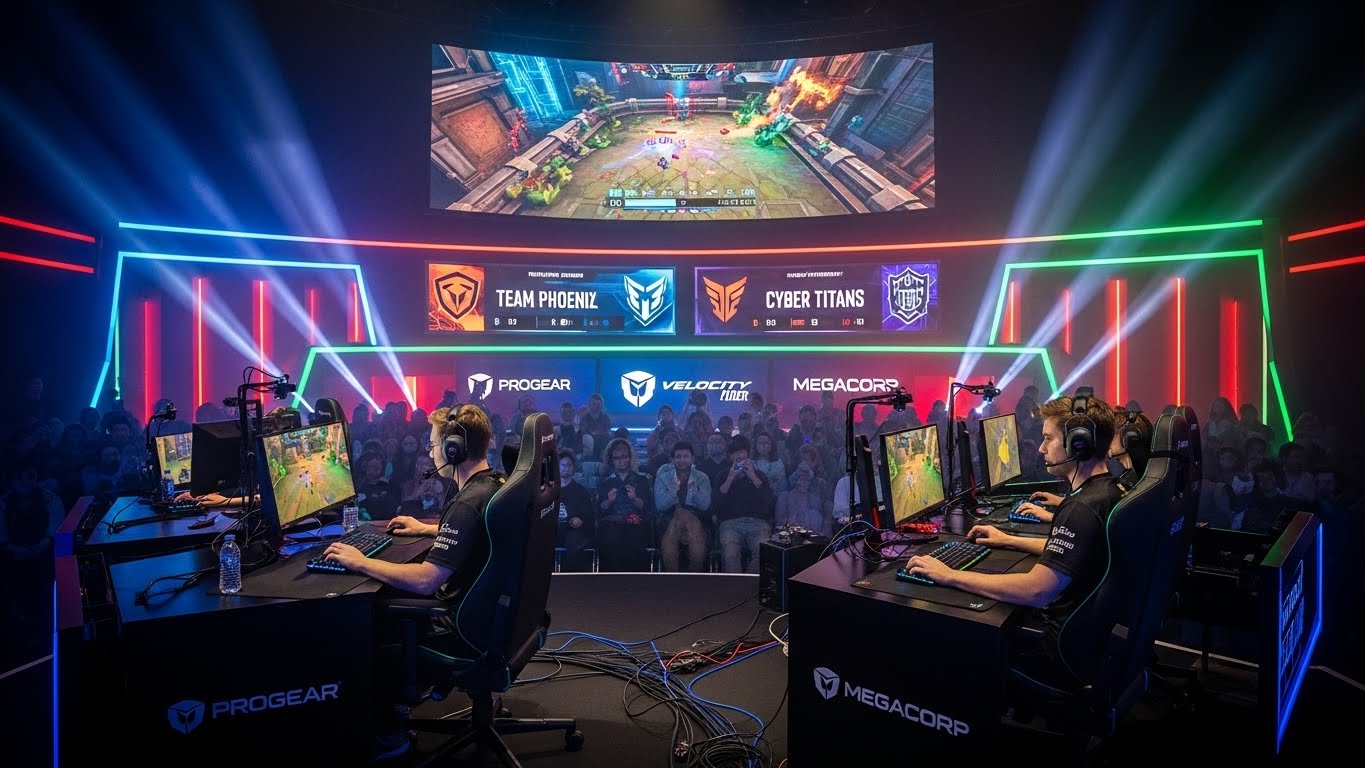
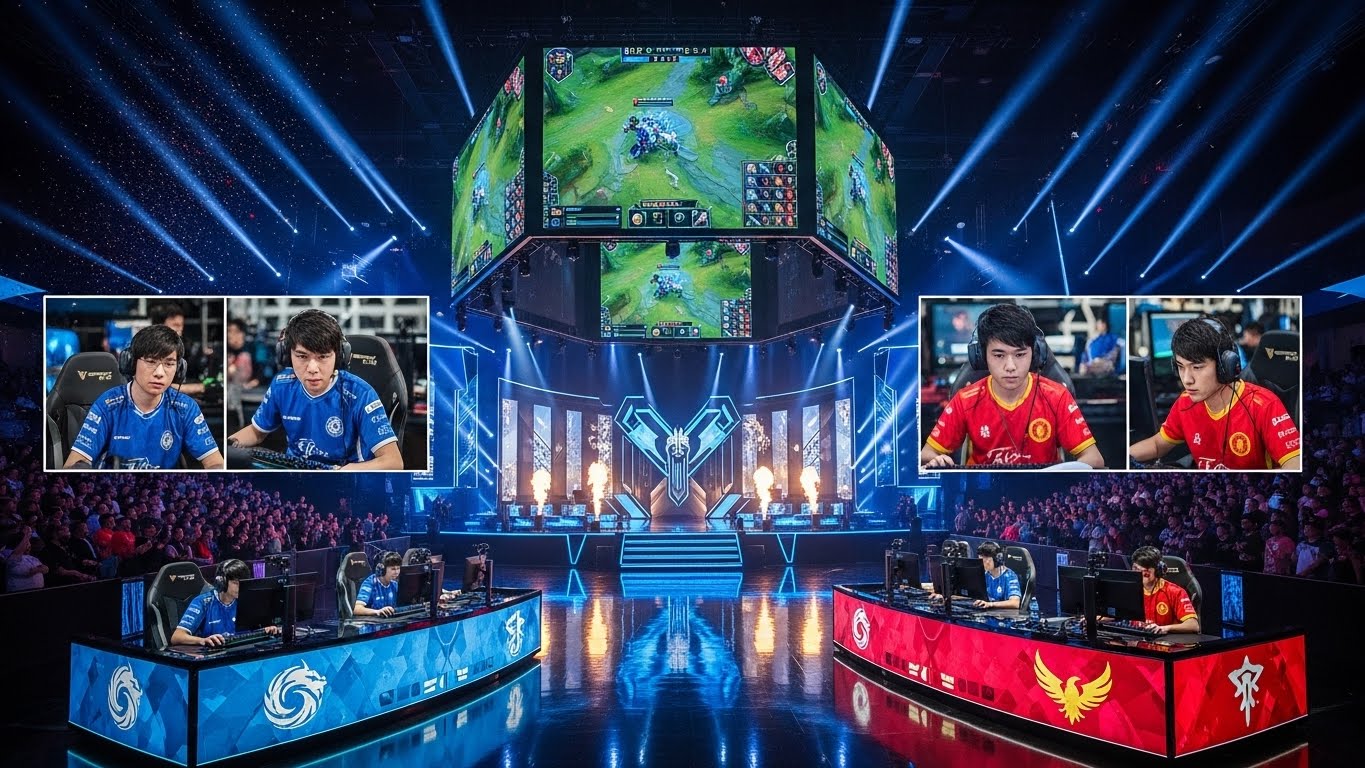
Esports has rapidly evolved from small local tournaments into a global entertainment powerhouse. Competitive gaming now fills arenas, attracts millions of online viewers, and draws sponsorships from major brands in tech, fashion, and food. Games like League of Legends, Dota 2, Counter-Strike 2, Valorant, and Fortnite are at the forefront, with tournaments offering multi-million-dollar prize pools.
This growth is fueled not only by competitive play but also by streaming platforms, content creation, and a strong community culture. In many ways, esports mirrors traditional sports: there are athletes (pro gamers), coaches, managers, analysts, broadcasters, and even fans who follow their favorite teams religiously. The industry is expanding so quickly that it offers far more than one path to success.
Becoming a Professional Player
The most obvious career in esports is that of a professional player. Like athletes in basketball or soccer, pro gamers dedicate countless hours to practice, strategy, and competition. Success at this level requires more than just raw talent. It demands discipline, adaptability, and the ability to work within a team structure.
Steps to becoming a pro player include:
- Master your game: Focus on one game and develop deep expertise. Most professional players dedicate themselves to a single title.
- Compete regularly: Participate in online tournaments, ranked ladders, and amateur leagues to build experience and credibility.
- Join or form a team: Many organizations scout talent from smaller leagues. Being part of a team helps you gain exposure and learn competitive dynamics.
- Maintain a professional reputation: In an industry built around digital presence, your online behavior matters. Teams and sponsors look for players who represent their brand well.
While the dream of becoming a pro is highly competitive, it can also be rewarding. Top players earn salaries, prize money, and sponsorship deals. However, the career lifespan of a professional player can be short due to the intensity and demand, which is why many players eventually transition into coaching, streaming, or other esports roles.
Content Creation and Streaming
Not everyone needs to be the best player in the world to make a living in gaming. Many successful careers have been built through streaming platforms like Twitch or YouTube, where gamers share their gameplay, tips, or simply their personality with an audience.
Streaming allows players to earn through ad revenue, subscriptions, donations, and brand sponsorships. The key to success here isn’t just skill, but entertainment. Viewers tune in for engaging personalities, commentary, and community interaction as much as for the game itself.
If you’re considering streaming, consistency is crucial. Building an audience doesn’t happen overnight, but with persistence and authenticity, many streamers have turned small followings into full-time careers. The added advantage is flexibility: content creation allows you to be your own boss and carve out a unique brand identity.
Coaching and Analysis
Behind every successful esports team is a strong coaching staff and analysts who guide strategies, review performance, and develop game plans. Coaches don’t just teach mechanics—they foster teamwork, communication, and mental resilience.
Analysts, on the other hand, focus on the data. They study opponent tendencies, track in-game metrics, and develop strategies based on trends. These roles require a deep understanding of the game, strong communication skills, and the ability to see the bigger picture.
For players who may not reach professional heights but have a talent for teaching or analysis, this path offers a rewarding alternative that keeps you directly involved in the competitive scene.
Esports Journalism and Content Writing
Another area of opportunity lies in covering esports as a journalist, writer, or content creator for news outlets and team websites. As the industry expands, so does the need for high-quality reporting, commentary, and storytelling. Esports fans crave updates, interviews, and analysis much like traditional sports fans.
Writers can find work with online publications, contribute to community blogs, or even build their own platforms. This career requires not only knowledge of the games but also strong writing and research skills. If you love both gaming and communication, esports journalism might be a perfect blend of your interests.
Event Management and Production
Esports tournaments are massive events, often requiring the same level of production as concerts or sporting matches. Behind the scenes, event organizers, producers, and technical crews work to ensure everything runs smoothly.
Roles in this sector include event coordinators, broadcast producers, stage managers, and camera operators. For those with a passion for logistics, production, or live entertainment, this is a promising area where gaming and event management intersect.
Marketing, Sponsorships, and Team Management
Like any business, esports organizations need professionals in marketing, social media, sponsorship management, and operations. These roles are essential in connecting teams with fans and brands, building partnerships, and creating content that grows visibility.
For individuals with business or marketing backgrounds, esports provides a unique opportunity to merge professional expertise with a passion for gaming. This side of the industry is expanding rapidly as more brands invest in esports sponsorships.
Building Your Path in Esports
Whichever path you choose, building a career in esports requires patience, networking, and constant learning. Here are a few tips to guide your journey:
- Network actively: Attend tournaments, join online communities, and engage with people already working in the industry. Opportunities often come through connections.
- Develop transferable skills: Communication, teamwork, problem-solving, and technical knowledge are all valuable no matter which role you pursue.
- Stay informed: Esports evolves quickly. Keep up with new games, tournament formats, and industry trends to remain competitive.
- Be realistic but ambitious: Not everyone will become a superstar player, but many roles exist. Focus on where your strengths align with industry needs.
- Start small, grow steadily: Whether it’s streaming, writing, or competing in local tournaments, building credibility and experience step by step is the most sustainable approach.
Challenges to Consider
While esports offers exciting opportunities, it’s not without challenges. Competition is fierce, and income can be inconsistent, especially for beginners. Professional players face intense training schedules that can lead to burnout, while streamers often deal with irregular income streams and the pressure of staying relevant.
Moreover, the industry is still young and constantly evolving, which means job stability isn’t guaranteed. Anyone entering esports should prepare for these realities and have a plan for balancing passion with long-term sustainability.
The Future of Esports Careers
Looking ahead, the future of esports is bright. Universities are now offering esports programs, scholarships, and degrees in game design, marketing, and management. Governments in some countries officially recognize esports players as athletes, and mainstream sports franchises continue to invest in esports teams.
With global audiences expected to grow into the hundreds of millions, the demand for talent across all aspects of the industry will only increase. This creates opportunities not just for players but for anyone with creativity, business acumen, or technical skills.
Final Thoughts
Turning gaming into a job isn’t just a fantasy anymore—it’s a legitimate career path with diverse opportunities. From playing professionally to streaming, coaching, writing, or managing events, there’s space for a wide range of talents and interests.
What matters most is treating esports with the same seriousness as any other profession. Dedication, persistence, and professionalism are essential. If you’re passionate about gaming and willing to put in the work, the world of esports can provide not just a paycheck but a fulfilling career built on something you love.