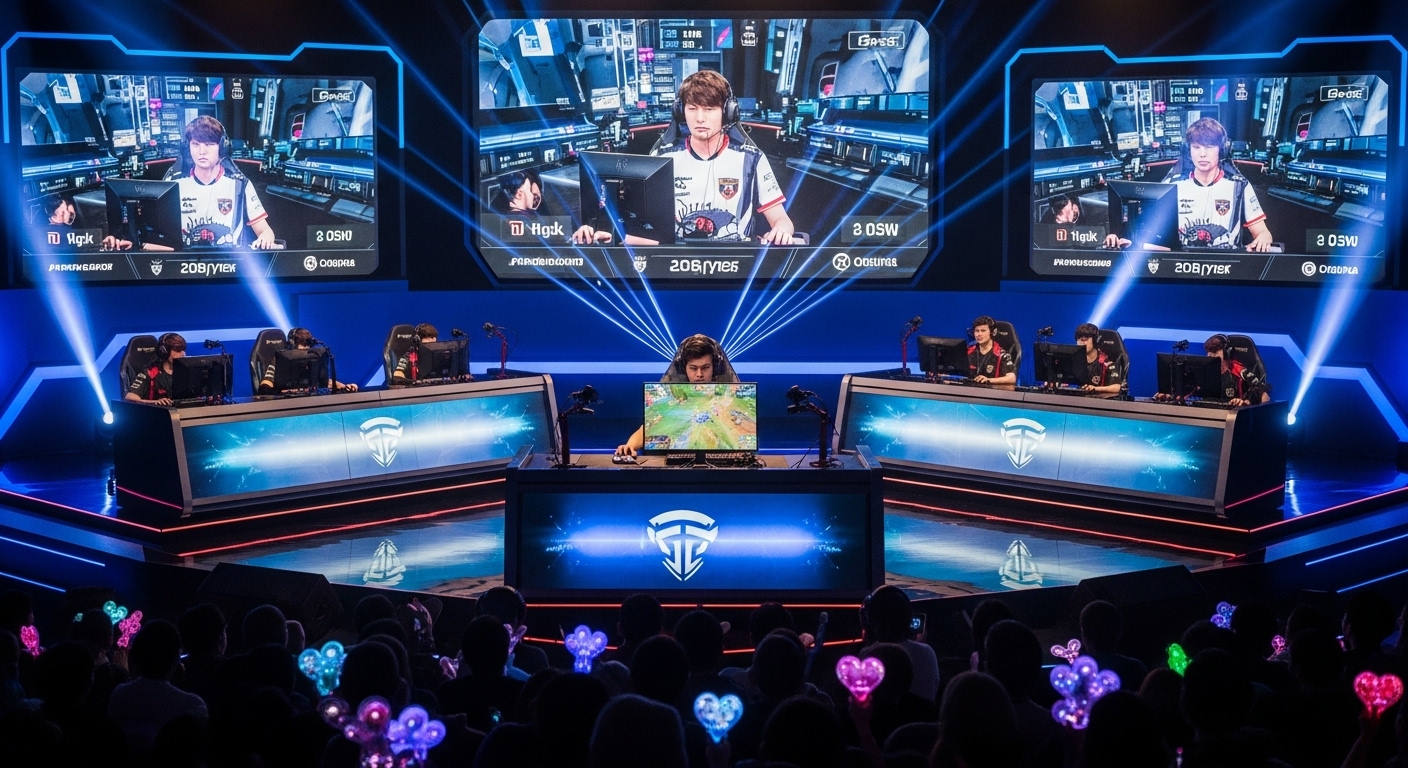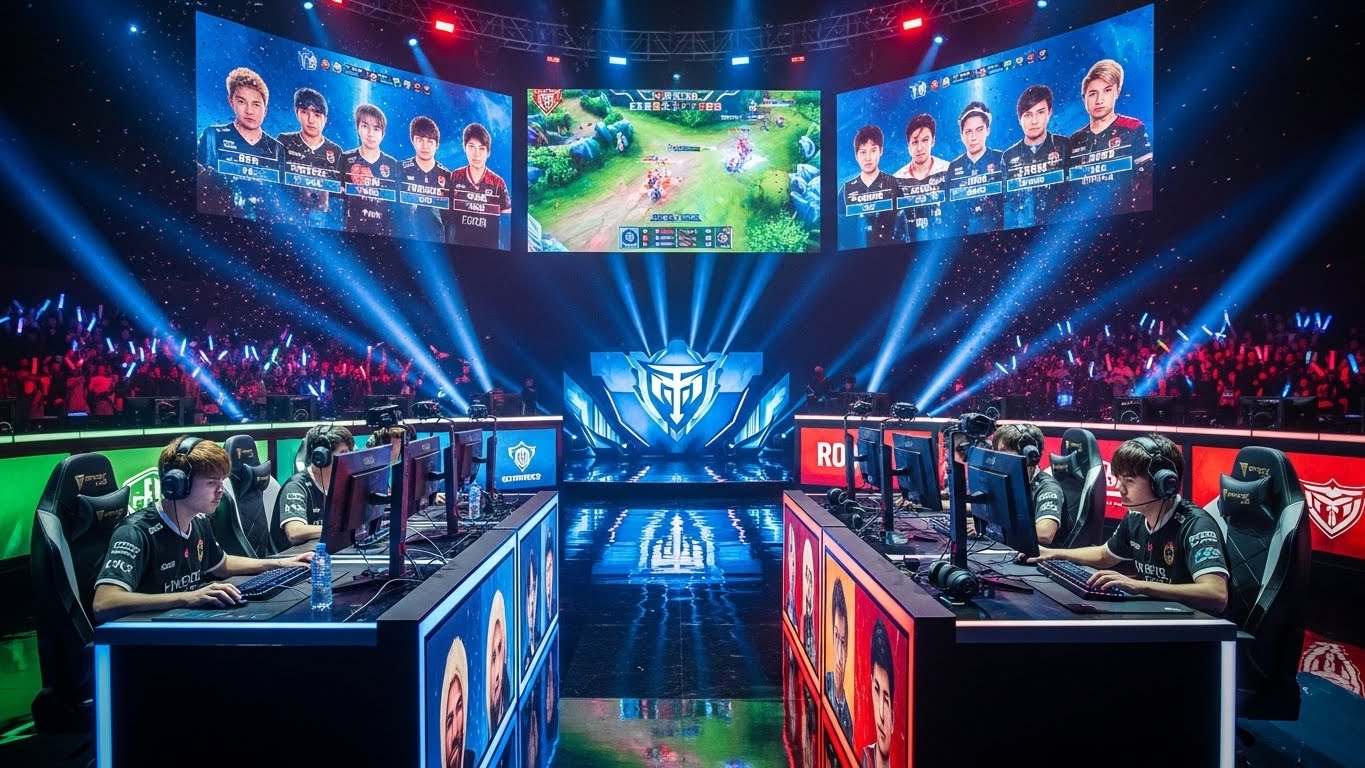
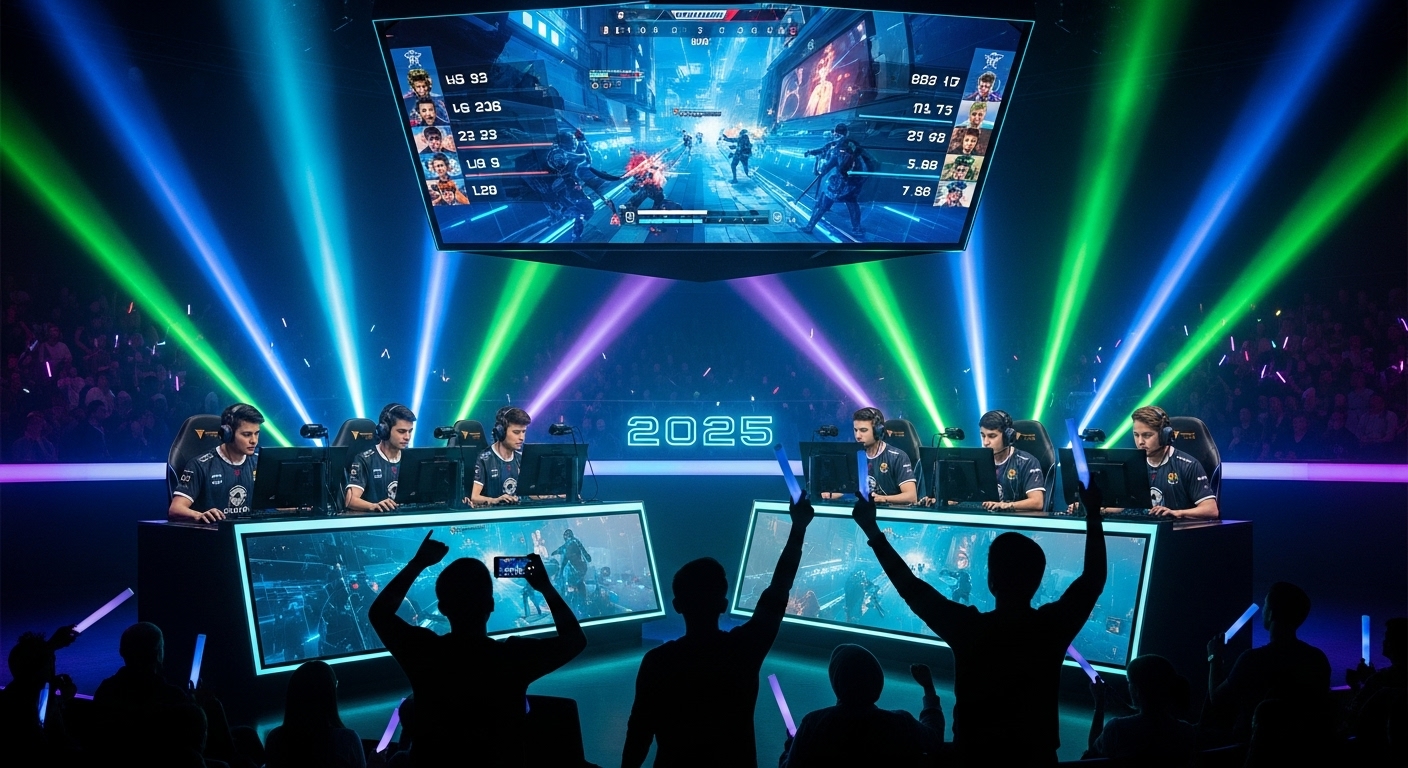
In less than two decades, competitive gaming has transformed from a niche hobby into one of the most dynamic industries in global entertainment. Once dismissed as little more than kids playing video games in their bedrooms, esports has grown into a multi-billion-dollar business with professional leagues, global tournaments, and massive fan followings. As we step into 2025, the rise of competitive gaming is not only redefining the way we think about sports and entertainment but also reshaping culture, technology, and the global economy.
From Basement Battles to Stadium Spectacles
The journey of esports is a story of rapid evolution. In the early 2000s, competitive gaming was largely confined to small community tournaments or internet cafes where friends would battle each other in games like Counter-Strike, StarCraft, or Halo. At the time, there was little structure, and most competitions lacked funding or mainstream recognition.
Fast forward to today, esports tournaments regularly fill arenas that once hosted concerts and major sporting events. The League of Legends World Championship, Dota 2’s The International, and Counter-Strike Majors are now global spectacles, drawing audiences that rival the Super Bowl and the FIFA World Cup. Millions more tune in via streaming platforms, with broadcast quality that rivals traditional sports coverage.
What was once considered a pastime is now a full-fledged career path, attracting not only players but also coaches, analysts, broadcasters, and executives.
The Numbers Behind the Growth
To understand just how powerful esports has become, it helps to look at the numbers. By 2025, the global esports industry is estimated to surpass $3 billion in revenue, with projections continuing to climb. Streaming platforms like Twitch and YouTube Gaming remain the primary engines driving this growth, hosting millions of viewers daily. But newer platforms and regional streaming services are also carving out space, diversifying the industry further.
Advertising, sponsorships, and media rights make up the bulk of this revenue. Global brands that once invested exclusively in traditional sports now compete to sponsor esports teams and tournaments. Tech companies, energy drink brands, and even financial institutions see esports as the perfect way to connect with younger, digitally native audiences.
Meanwhile, esports viewership is projected to exceed 700 million by the end of the year. This places it firmly among the most popular forms of entertainment worldwide, putting competitive gaming shoulder-to-shoulder with the biggest global sporting events.
Technology as the Backbone
One of the main reasons esports has thrived is its unique relationship with technology. Traditional sports have adopted new technologies gradually, but esports was born from them. Every aspect of competitive gaming relies on advances in hardware, software, and digital infrastructure.
High-performance gaming PCs, consoles, and peripherals ensure players can perform at their best. Streaming technology enables real-time global broadcasts, while data analytics provide insights into player performance and viewer engagement. Virtual reality (VR) and augmented reality (AR) are also beginning to influence both the player and fan experience, offering immersive new ways to engage with games and tournaments.
Additionally, faster internet speeds and the expansion of 5G networks have made esports more accessible globally. Players from regions that once struggled with connectivity now have the chance to compete on the world stage, further expanding the talent pool and audience base.
Esports as a Legitimate Career
The stereotype of gamers living in basements has been thoroughly shattered. In 2025, being a professional gamer is not only socially acceptable but also highly lucrative. The world’s top esports athletes earn millions through prize money, sponsorships, and streaming revenues. But beyond the headline-making salaries of the elite, esports has created an entire ecosystem of careers.
Coaches, managers, analysts, production crews, marketing specialists, and event organizers all contribute to the growth of the industry. Universities and colleges now offer esports scholarships and dedicated programs, training students not only to compete but also to work in the business side of the field. This institutional support has given esports a level of credibility and structure that seemed impossible only a decade ago.
Global Reach and Cultural Impact
Unlike traditional sports, which often have geographic boundaries, esports is truly global. A fan in Seoul can watch the same match as a viewer in New York or Paris in real time. This universal accessibility has made esports one of the most inclusive forms of entertainment in the world.
Different regions have also become synonymous with specific games. South Korea remains a hub for League of Legends and StarCraft, while Europe dominates Counter-Strike. North America has become a breeding ground for Call of Duty and Valorant, while China continues to lead in mobile gaming competitions. This diversity ensures that esports is not just one global phenomenon but rather a collection of thriving subcultures.
Beyond competition, esports has seeped into mainstream culture. Fashion brands collaborate with gaming teams on apparel lines. Musicians perform at tournament openings. Television shows and films are inspired by gaming culture. What was once “geek culture” is now part of the global cultural mainstream.
Challenges and Growing Pains
Despite its success, esports still faces challenges. Player burnout is a major issue, with young athletes often competing at the highest level for long hours with limited breaks. Unlike traditional sports, which have established health and wellness structures, esports is still developing comprehensive systems to protect its players.
Regulation is another hurdle. With tournaments and teams spread across multiple countries, creating standardized rules and governing bodies has been difficult. Issues such as match-fixing, doping, and unfair advantages through hardware or software manipulation remain ongoing concerns.
There is also the question of sustainability. While top-tier events and teams enjoy immense popularity and funding, smaller tournaments and grassroots organizations often struggle to stay afloat. Balancing commercial success with community-driven growth will be crucial for esports to maintain its momentum.
Looking Ahead to the Future
As we look to the future, esports shows no sign of slowing down. In fact, 2025 might be remembered as the year it firmly cemented itself as a mainstream global phenomenon. With continued investment from brands, further technological innovation, and expanding fan engagement, competitive gaming will likely rival or even surpass many traditional sports in influence and revenue.
We can also expect greater integration of virtual reality, artificial intelligence, and interactive fan experiences. Imagine fans being able to step into the shoes of their favorite players through VR or AI-driven systems that allow coaches to simulate matches with unprecedented accuracy. These innovations will not only transform the way players train and compete but also how audiences engage with the games.
Education and institutional recognition will also continue to grow. More universities will offer esports degrees and training programs, and high schools will treat esports as seriously as football or basketball. This formalization will ensure a steady pipeline of talent and professional opportunities for generations to come.
Conclusion
Esports has risen from humble beginnings to become one of the most powerful entertainment industries of the 21st century. By 2025, it is no longer a question of whether competitive gaming belongs on the same stage as traditional sports—it already does. Its global reach, technological integration, and cultural influence make it a defining feature of our modern world.
As the industry continues to evolve, one thing is clear: esports is here to stay. It is not just the future of gaming, but a cornerstone of global entertainment in the digital age.