Introduction: A New Era of Competitive Entertainment
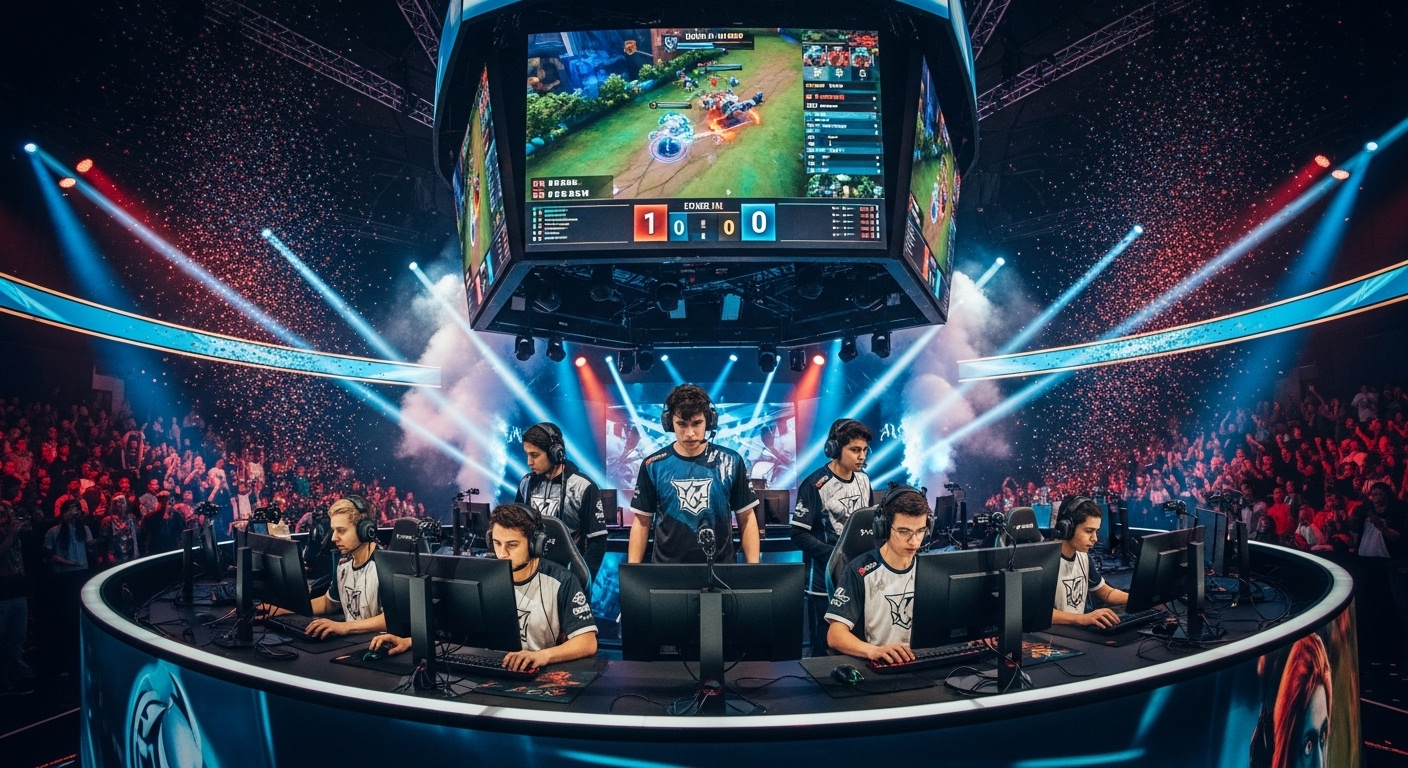
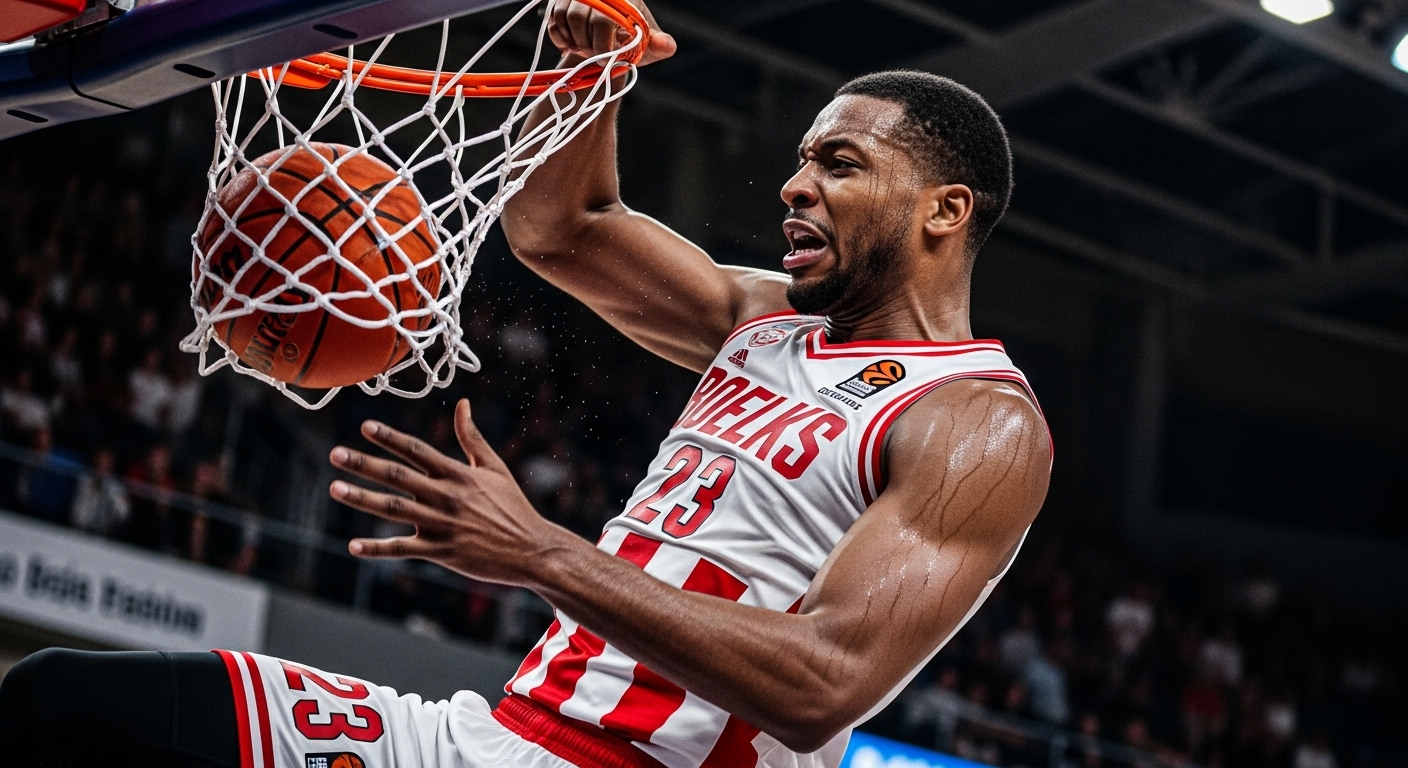
Esports has rapidly transformed from a niche activity enjoyed by hobbyists into a global entertainment powerhouse. What was once seen as simple gaming has evolved into a multimillion-dollar industry, filled with professional athletes, international tournaments, large audiences, and passionate communities. The digital arena has grown so vast that esports now stands alongside traditional sports as a dominant force in modern entertainment culture. But the rise of esports is more than just a technological trend. It reflects a deeper cultural shift in how society views competition, teamwork, skill, and community.
The Early Roots of Esports Culture
While esports may feel like a modern phenomenon, its roots go back decades. Competitive gaming began in small computer labs, arcade rooms, and early console tournaments. Games like early space shooters and fighting games brought players together to test their skills. As technology advanced, networked gaming and home computers allowed people to compete across distances, creating new forms of social interaction. By the early 2000s, titles such as real-time strategy games, arena-style multiplayer games, and first-person shooters laid the foundation for structured professional competitions. What began as a small gathering of enthusiasts slowly grew into a global movement embracing players of all ages.
Global Expansion and Growing Popularity
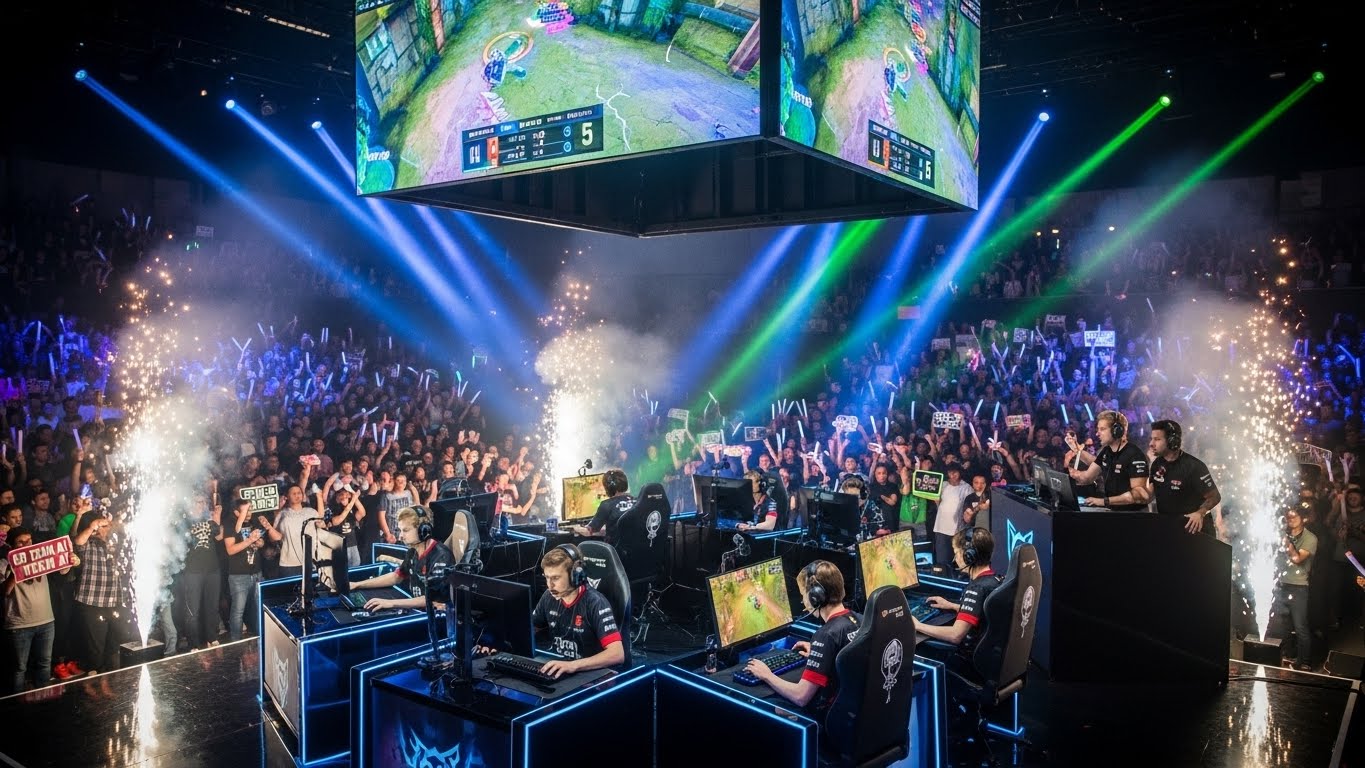
The acceleration of internet access worldwide played a significant role in the explosive growth of esports. Players could now compete with others from entirely different continents, breaking geographical barriers and allowing talent to shine regardless of location. Professional leagues began forming, tournaments expanded, and gaming cafés in many countries became the training grounds for new stars. Esports events started filling arenas, and millions of fans tuned in to watch matches live from their devices. The growth of esports became a testament to the power of digital entertainment, proving that competitive gaming could captivate as much as traditional sports.
The Skill Behind the Screen
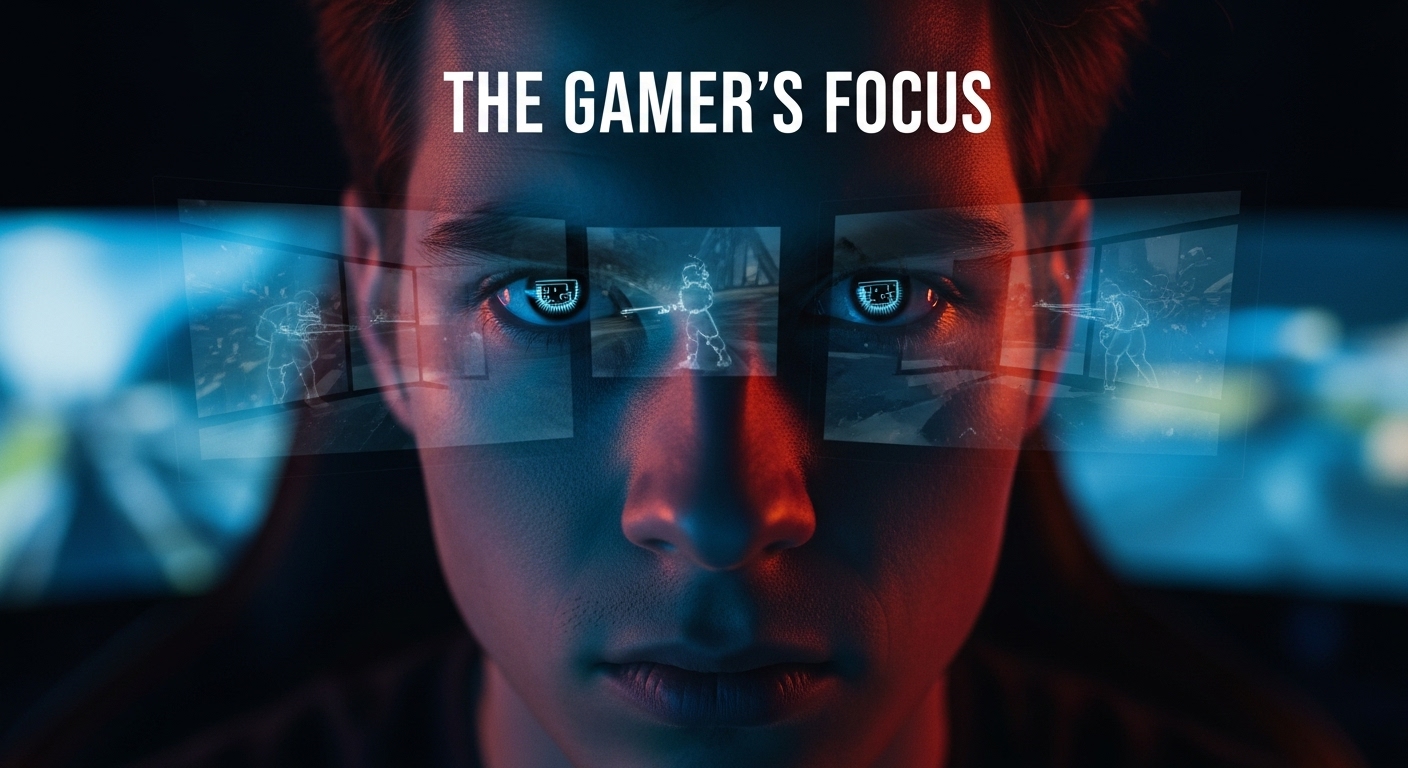
Many individuals unfamiliar with esports may underestimate the level of skill required. Professional esports athletes spend countless hours refining their reflexes, strategies, and teamwork. Games demand exceptional hand-eye coordination, response time, and situational awareness. Strategies evolve constantly, requiring analytical thinking, quick decision-making, and mental stamina. Much like traditional athletes, esports competitors train through daily practice routines, physical conditioning, and team workshops. The pressure to perform at high levels can be intense, and maintaining peak performance requires discipline and resilience.
Teamwork and Communication in Esports
Although some esports titles are designed for individual players, many of the most popular games rely heavily on teamwork. Multiplayer online battle arenas, tactical shooters, and cooperative strategy games require seamless coordination between players. Communication becomes the backbone of success, with teams needing to synchronize decisions, predict opponents’ strategies, and execute complex plays under pressure. Through this process, players develop leadership qualities, conflict-resolution skills, and a strong sense of responsibility. The ability to work effectively as a team is one of the defining features of competitive gaming and reflects the collaborative nature of modern digital culture.
The Professionalization of Esports
As esports gained mainstream attention, the industry began professionalizing at an impressive pace. Teams now operate with structured management, coaching staff, analysts, and wellness professionals. Players receive salaries, bonuses, and endorsement deals based on their performance. Major tournaments offer substantial prize pools, drawing media coverage comparable to that of traditional sporting events. Training facilities equipped with high-performance computers, strategy rooms, and fitness equipment support players in maintaining peak condition. This level of organization elevates esports from casual gaming to a highly respected competitive field.
The Role of Technology in Esports Success
Technology plays a central role in shaping the esports industry. High-performance computers, advanced graphics, and fast internet connections provide the foundation for competitive gaming. Developers continuously enhance game mechanics, balance characters, and introduce new features that keep audiences engaged. Meanwhile, broadcasting technology enables viewers to enjoy professional matches with commentary, replays, and real-time statistics that enrich the spectator experience. These advancements blur the lines between digital and physical sports, creating an immersive environment where players and viewers alike feel part of the action.
Content Creation and Community Growth
Esports would not be where it is today without the massive contribution of global gaming communities. Players create content, share strategies, broadcast live gameplay, and engage in discussions that keep the culture thriving. Many professional players double as content creators, building their personal brands by entertaining and educating fans. Online communities form around teams, games, tournaments, and shared interests, fostering long-lasting friendships across borders. This sense of belonging is a major reason esports resonates so strongly with young generations who value connection and creativity.
Esports as a Pathway for Careers
The career opportunities within esports extend far beyond being a professional player. Many individuals find fulfillment in roles such as coaching, event management, game development, broadcasting, analysis, marketing, and journalism. Colleges and universities around the world are establishing esports programs, offering scholarships and training facilities to nurture talent. For many young people, esports provides a realistic path toward a career that combines passion with professional opportunity. The industry continues to expand, creating new roles and opening doors for people with diverse skill sets.
The Psychological Side of Esports
The mental challenges associated with esports are just as significant as the physical demands of traditional sports. Competitive gamers face pressure, high expectations, and intense focus requirements. Extended practice hours, performance anxiety, and the relentless pace of tournaments can impact players’ mental well-being. Recognizing this, organizations now place emphasis on psychological support, incorporating mental health professionals into their staff. Techniques such as mindfulness, stress management exercises, and regular rest periods are increasingly integrated into training programs. This balanced approach ensures that players remain healthy and motivated throughout their careers.
Esports in Education and Youth Development
Schools and youth organizations are discovering the value of esports as an educational tool. Programs that integrate esports encourage students to develop teamwork, communication, problem-solving, and leadership skills. Educators use gaming strategies to teach concepts in areas such as technology, mathematics, and design. Esports clubs and teams give students a sense of belonging, boosting confidence and fostering collaboration. Rather than viewing gaming as a distraction, many educational institutions now embrace esports as a powerful platform for learning and personal growth.
Social Impact and Cultural Influence
Esports is more than just competition. It has become a cultural movement that influences fashion, music, entertainment, and digital culture. Characters, game worlds, and esports athletes become icons, shaping social trends and inspiring millions of fans. Events create shared experiences that bring communities together, whether they are watching a championship match or participating in grassroots tournaments. The inclusivity of esports allows individuals from all backgrounds to compete, socialize, and express themselves in a welcoming environment. This cultural influence has positioned esports as a defining aspect of modern digital life.
Challenges Facing the Esports Industry
Despite its success, esports faces several challenges that require careful attention. Issues such as burnout, unregulated contracts, lack of long-term player support, and inconsistent tournament structures can impede growth. Toxic behavior in online communities remains a concern, along with cheating and unfair practices that undermine the integrity of competitions. Addressing these challenges involves creating stronger regulations, promoting healthy gaming environments, and supporting player welfare at every level. The industry’s commitment to resolving these issues will determine its long-term sustainability.
The Future of Esports
The future of esports promises even greater innovation. Advancements in virtual reality, augmented reality, artificial intelligence, and cloud gaming will transform how players compete and how fans engage with matches. Mobile gaming will continue to expand reach, ensuring accessibility for millions of new players. Traditional sports organizations and entertainment companies increasingly collaborate with esports, blending industries and opening new opportunities for growth. As technology evolves, esports will remain at the forefront of global entertainment, constantly pushing boundaries and redefining competitive experiences.
Conclusion: A Digital Revolution in Human Competition
Esports has established itself as a powerful global phenomenon that blends skill, strategy, technology, and community. It reflects our evolving digital world, redefining what it means to compete, connect, and achieve excellence. From humble beginnings to international stages, esports shows no signs of slowing down. It inspires players to reach new heights, brings communities together across borders, and creates a new form of entertainment that continues to captivate millions. As the digital frontier expands, esports stands strong as a symbol of innovation, determination, and the limitless potential of human creativity.