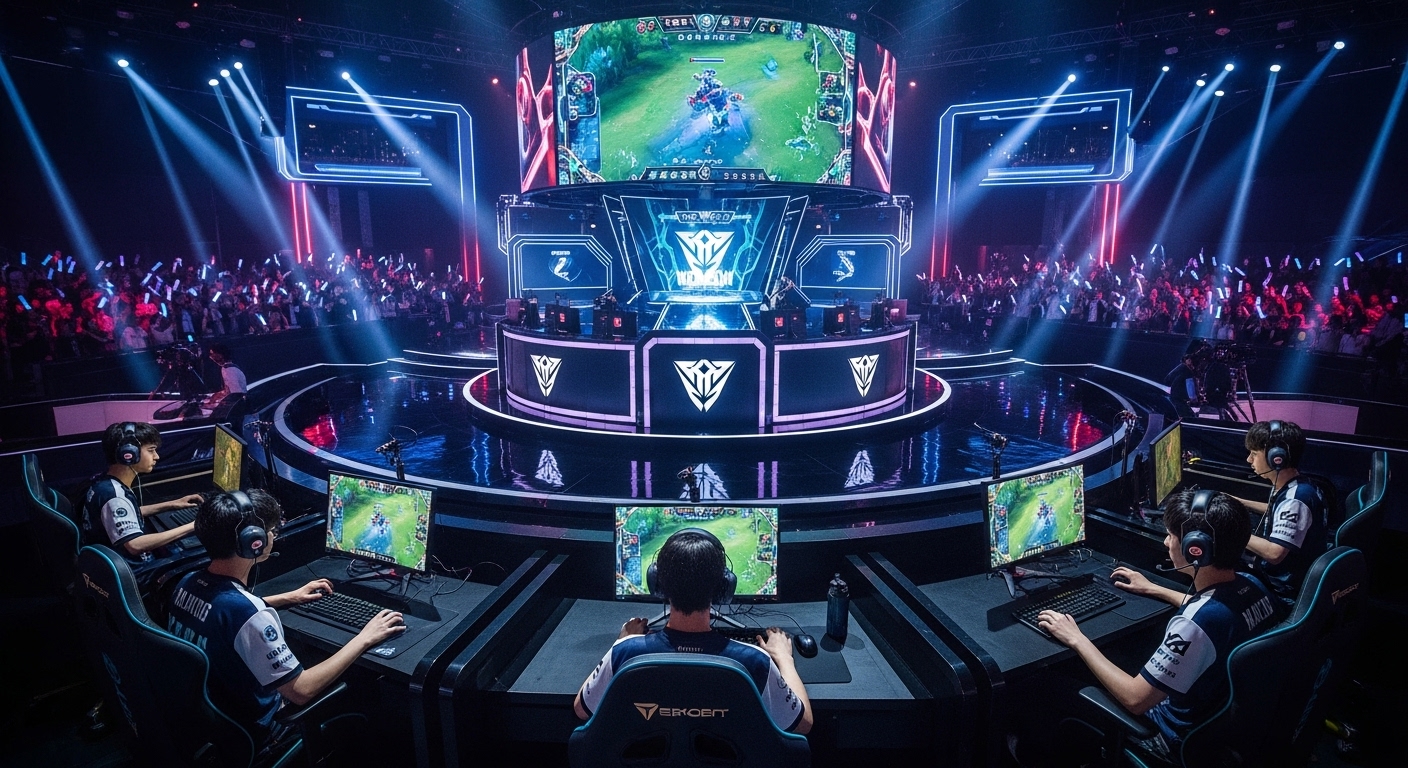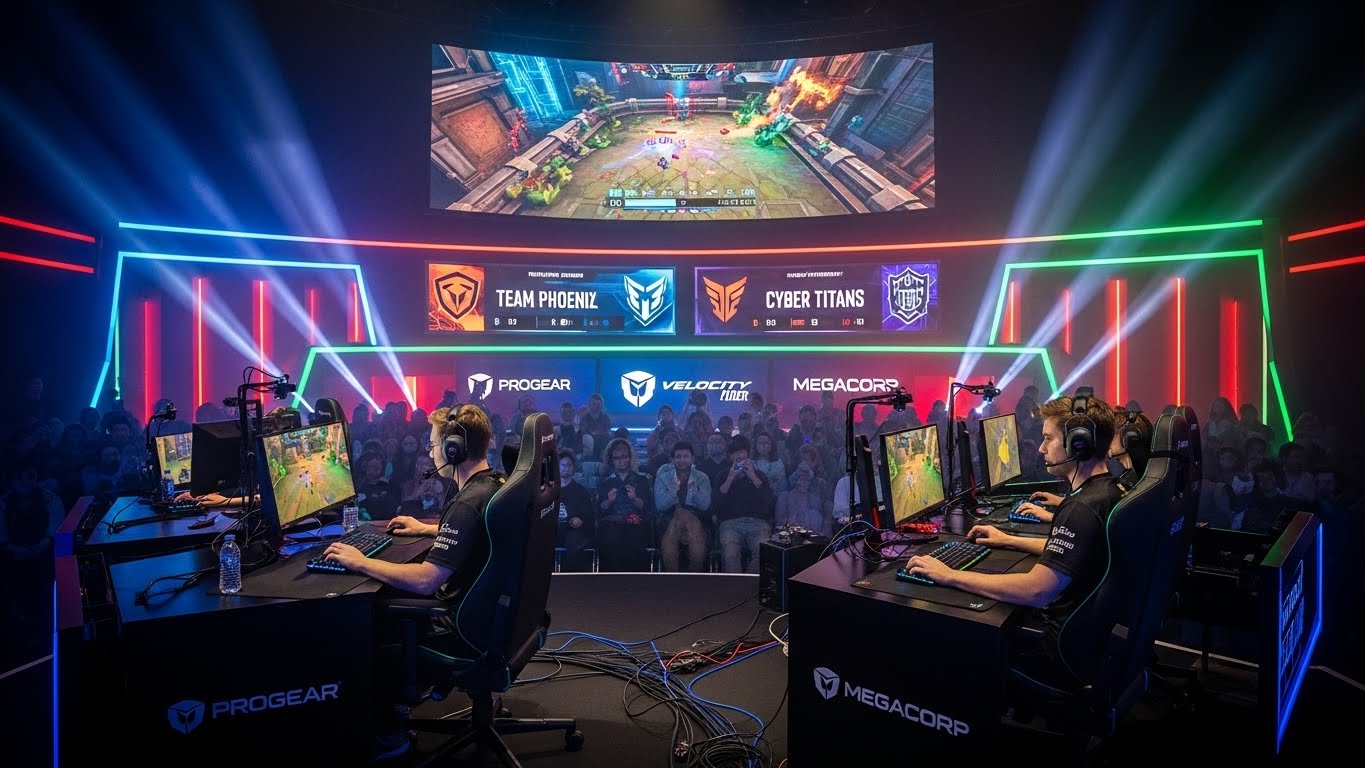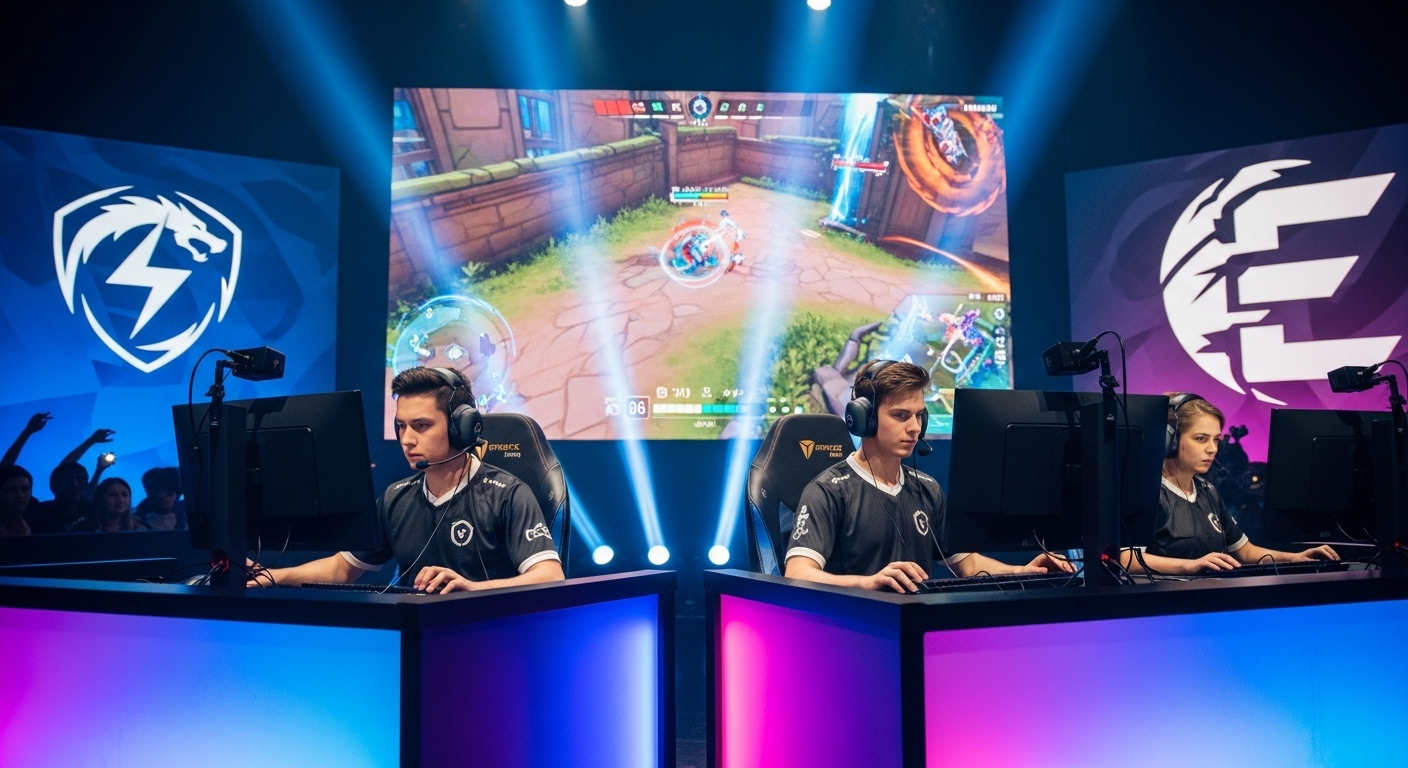
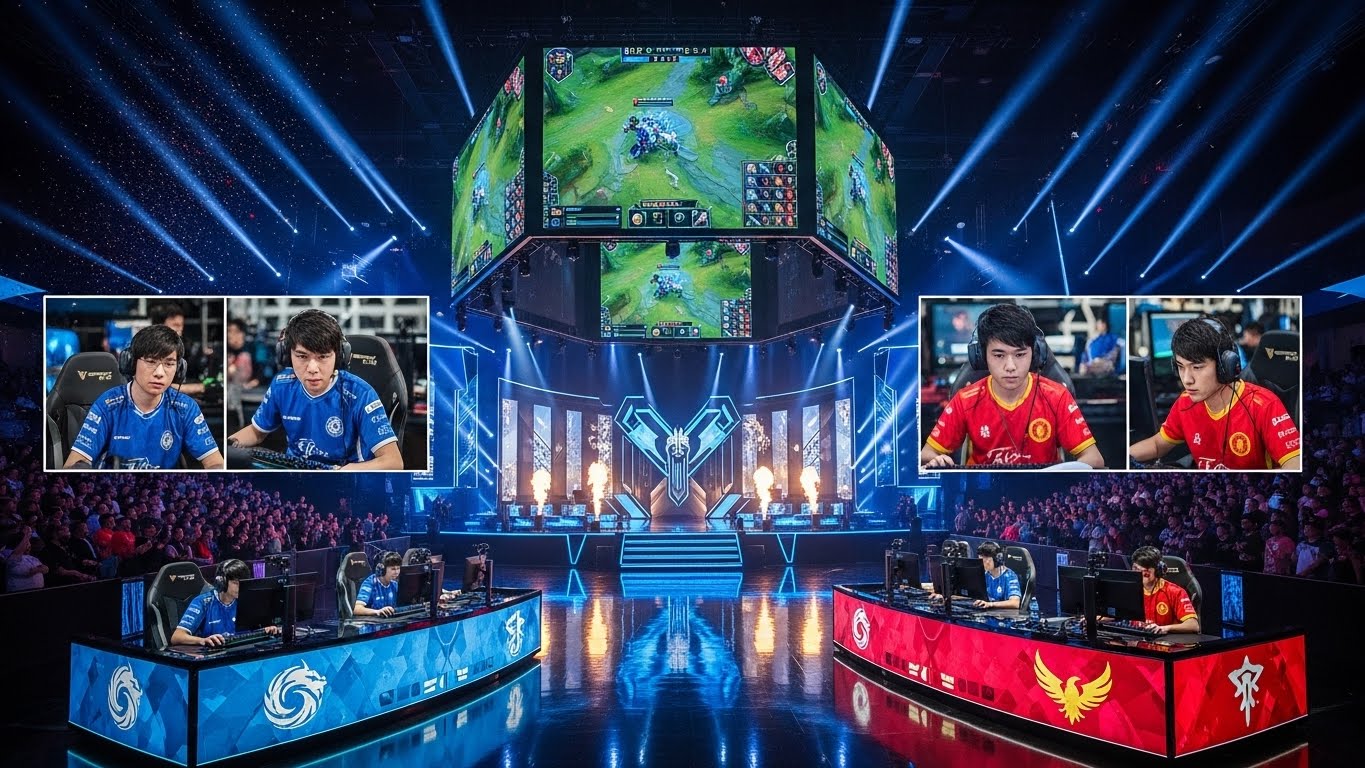
Esports has evolved from a niche hobby for passionate gamers to a global phenomenon. What started as small tournaments and casual competitions has grown into a billion-dollar industry, with professional players, teams, streaming platforms, and even universities offering scholarships for esports. This blog explores the rapid rise of esports, its impact on culture, and its potential future.
The Origins of Esports
Esports, short for electronic sports, refers to competitive video gaming, where players compete against each other in various games for prizes, recognition, and, more recently, careers. The origins of esports can be traced back to the early 1970s, when arcade games like Pong and Space Invaders started to gain popularity. However, the first true esports tournament is often credited to the 1972 Stanford University competition for the game Spacewar!.
In the 1990s, the landscape of esports began to change with the advent of the internet. Online multiplayer games like Quake, StarCraft, and Warcraft opened up the possibility for global competition. These games laid the foundation for professional gaming by allowing players to connect with others around the world, leading to the formation of the first esports leagues.
The Growth of Esports in the 21st Century
The 2000s marked the true expansion of esports into a serious industry. The success of StarCraft in South Korea, in particular, served as a catalyst. In the early 2000s, Korean broadcasters began airing esports tournaments, and the country quickly became the epicenter of competitive gaming. With government support and a dedicated fan base, esports tournaments like the World Cyber Games and Korean Pro Gaming League gained major attention.
As the internet grew more accessible and broadband speeds improved, the ability to stream games online became a reality. Platforms like Twitch and YouTube Gaming provided esports organizations and content creators with ways to share their passion with a broader audience. The streaming boom helped raise the profile of esports globally, as fans could watch live competitions, interact with their favorite players, and follow the latest trends in competitive gaming.
Esports as a Profession
One of the most significant changes in the esports world has been the rise of professional players. Unlike traditional sports, where athletes often spend years in training academies and join professional leagues, esports players can rise to fame by participating in local or online tournaments. Many players are discovered through platforms like Twitch, where they stream their gameplay to thousands, if not millions, of viewers.
The financial aspect of professional gaming is also growing rapidly. Major tournaments like The International for Dota 2 offer multi-million-dollar prize pools, and top players can earn sponsorships, salary contracts, and merchandise sales. Esports organizations have established themselves as professional teams with coaching staff, analysts, and management—resembling the structure of traditional sports teams.
Additionally, streaming platforms like Twitch and YouTube have opened new revenue streams for content creators, who make money not only from sponsorships but also from subscriptions, ads, and donations from viewers. The rise of esports influencers has helped further establish the industry, creating a lucrative ecosystem for professional players and entertainers alike.
The Role of Technology in Esports
Esports’ growth has been closely tied to advances in technology. Modern gaming consoles, high-speed internet connections, and powerful gaming PCs have all contributed to making esports competitions more exciting and accessible. Real-time graphics rendering and stable online servers have allowed for a smooth, competitive experience, even in the most fast-paced games.
Technology has also played a crucial role in broadcasting esports events. High-definition streaming and multi-camera setups ensure that viewers can watch games from various angles, while live statistics and player stats make it easier to follow the action. Virtual reality (VR) and augmented reality (AR) have also begun to make inroads into esports, adding an extra layer of immersion to gaming experiences.
Streaming services like Twitch and YouTube Gaming have grown into entertainment hubs for gamers and esports fans alike. These platforms allow players to stream live gameplay, interact with fans in real-time, and build personal brands. For esports organizations, these platforms offer an easy way to reach global audiences without needing to invest in traditional media channels.
The Esports Ecosystem: Teams, Sponsors, and Fans
The esports ecosystem is a multifaceted industry, with various stakeholders contributing to its success. Professional teams are the cornerstone of the industry. These teams often consist of highly skilled players who specialize in a particular game or genre. Esports teams may focus on a single game, like League of Legends or Counter-Strike: Global Offensive, or diversify across multiple titles.
Sponsors also play an integral role in the success of esports. Companies from a variety of industries—ranging from technology to energy drinks—are eager to associate their brand with the growing world of esports. Major sponsors like Intel, Nike, and Red Bull have signed deals with esports teams and tournaments, further legitimizing esports as a professional industry.
However, fans are arguably the most important element in the esports ecosystem. Esports fans are incredibly dedicated and passionate, often supporting specific teams or players over many years. The sense of community among esports fans is one of the defining features of the culture. Fans interact with players through social media, watch live streams, attend tournaments, and even organize fan meetups and online communities.
The Rise of Esports in Education
Another sign of esports’ mainstream acceptance is its growing presence in educational institutions. Universities across the world have recognized the potential of esports and have started offering scholarships, varsity programs, and esports facilities. In fact, some colleges are now treating esports like traditional sports, offering competitive gaming programs that mirror the structure of physical athletics.
Esports programs at universities are not only about creating professional players, but they also help students develop valuable skills such as teamwork, communication, and strategic thinking. Moreover, students can pursue careers in esports management, content creation, broadcasting, or game development, offering a range of professional opportunities within the esports industry.
The Impact of Esports on Traditional Sports
As esports continues to grow, it has begun to affect traditional sports. Many traditional sports organizations have started investing in esports teams and tournaments. For instance, the NBA has partnered with Take-Two Interactive to create the NBA 2K League, a competitive league for the popular basketball video game. Similarly, soccer clubs like Manchester City and Paris Saint-Germain have established their own esports teams, further bridging the gap between the two worlds.
Esports also appeals to younger generations who may not be as engaged with traditional sports. The digital nature of esports allows it to transcend geographical boundaries and provide fans with a global viewing experience. As a result, traditional sports are increasingly looking to esports to tap into this young, tech-savvy audience.
Challenges Facing Esports
Despite its rapid growth, esports is not without challenges. One of the most significant hurdles is the issue of mental and physical health. The intense training and long hours required to compete at the highest level can take a toll on players’ physical and mental well-being. Many esports players suffer from repetitive stress injuries, poor posture, and sleep deprivation, while others struggle with the pressure to perform at the highest level.
Moreover, the esports scene is not without controversy. Issues like cheating, match-fixing, and player toxicity have plagued the industry. In some cases, players have been banned for using hacks or participating in match-fixing schemes. These problems threaten to undermine the integrity of the esports industry and highlight the need for more stringent regulations and oversight.
The Future of Esports
Looking ahead, the future of esports seems bright. The global reach of the internet, along with improvements in gaming technology, ensures that esports will continue to grow and attract new audiences. We are likely to see more diverse game titles enter the competitive scene, and new types of esports formats, such as VR competitions, may emerge.
Esports will likely continue to blur the lines between gaming, entertainment, and traditional sports. With new broadcasting technologies, higher sponsorship investments, and an ever-growing fan base, esports is poised to become a major player in the global entertainment industry.
One area to watch is the integration of esports with mainstream media and entertainment platforms. The rise of esports has already attracted attention from traditional media outlets like ESPN, and major television networks may begin to air esports competitions on a more regular basis. This will further cement esports’ place in the cultural landscape.
Conclusion
Esports has come a long way since its humble beginnings in the 1970s. What was once a small, underground scene has now become a global industry with millions of players, fans, and organizations. As technology continues to evolve and new games emerge, the future of esports looks brighter than ever. With its ability to unite fans across the world, create new career opportunities, and redefine competitive gaming, esports is no longer a passing trend—it’s a new era of sports and entertainment.