Introduction: The Emergence of Esports
Esports, or electronic sports, has emerged as one of the most dynamic entertainment industries of the modern era. What began as casual gaming among friends has grown into a global phenomenon, drawing millions of players and spectators alike. Competitive gaming now features professional leagues, multimillion-dollar tournaments, and celebrity players, transforming the way we perceive sports, entertainment, and digital culture. This blog explores the evolution of esports, its cultural and economic impact, and the future of competitive gaming.
The Origins of Competitive Gaming
The roots of esports can be traced back to the early 1980s, when arcade games like Pac-Man, Donkey Kong, and Space Invaders sparked local competitions. High-score challenges and small tournaments were the early forms of organized competitive play. Players competed for recognition and small prizes, laying the foundation for structured competition.
The real transformation occurred with the rise of personal computers and the internet. Multiplayer games such as StarCraft, Counter-Strike, and Quake allowed players to compete beyond their local communities. Online connectivity enabled tournaments across cities and countries, giving birth to global gaming communities and creating the first seeds of professional esports.
The Rise of Professional Esports
In the past two decades, esports has evolved from informal competitions into a highly professionalized industry. Today, professional players dedicate countless hours to training, strategic planning, and team coordination. Esports requires mental agility, fast reflexes, strategic thinking, and flawless execution under pressure. Professional players are now recognized not only for their skill but also for their influence on gaming culture and media.
Esports organizations operate much like traditional sports franchises. Teams provide coaching, analysis, marketing, and management support to ensure competitive success and fan engagement. These professional structures have legitimized esports as a career path and established it as a serious form of athletic and intellectual competition.
Popular Esports Genres and Games
Esports encompasses a diverse array of genres, each demanding unique skills and strategies. First-person shooters like Counter-Strike and Call of Duty emphasize precision, reflexes, and teamwork. Multiplayer online battle arena games, such as League of Legends and Dota 2, focus on strategy, coordination, and adaptability. Sports simulation games, including FIFA and NBA 2K, recreate the excitement of traditional sports in a digital setting. Battle royale games like Fortnite and Apex Legends combine survival skills with tactical decision-making. Strategy games such as StarCraft challenge players’ planning and resource management abilities.
The diversity of genres allows esports to appeal to a wide audience and encourages players to specialize in their preferred style of competition.
Esports as a Spectator Sport
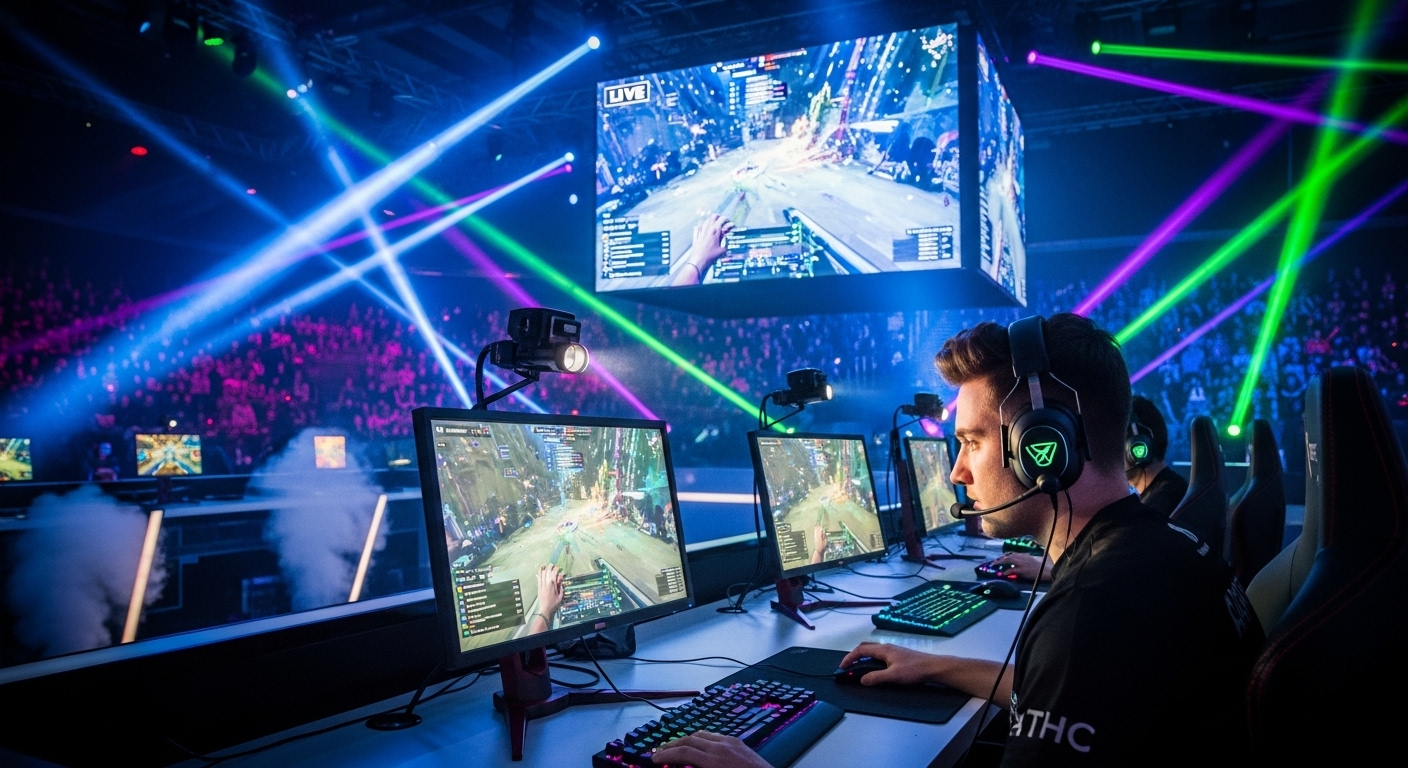
Streaming and online broadcasting have transformed esports into a spectator-driven phenomenon. Platforms dedicated to live gaming allow millions of fans to watch tournaments, interact with commentators, and engage with the community in real time. Unlike traditional sports, esports spectatorship is highly interactive, enabling viewers to chat with each other, follow players’ personal streams, and participate in fan-driven content creation.
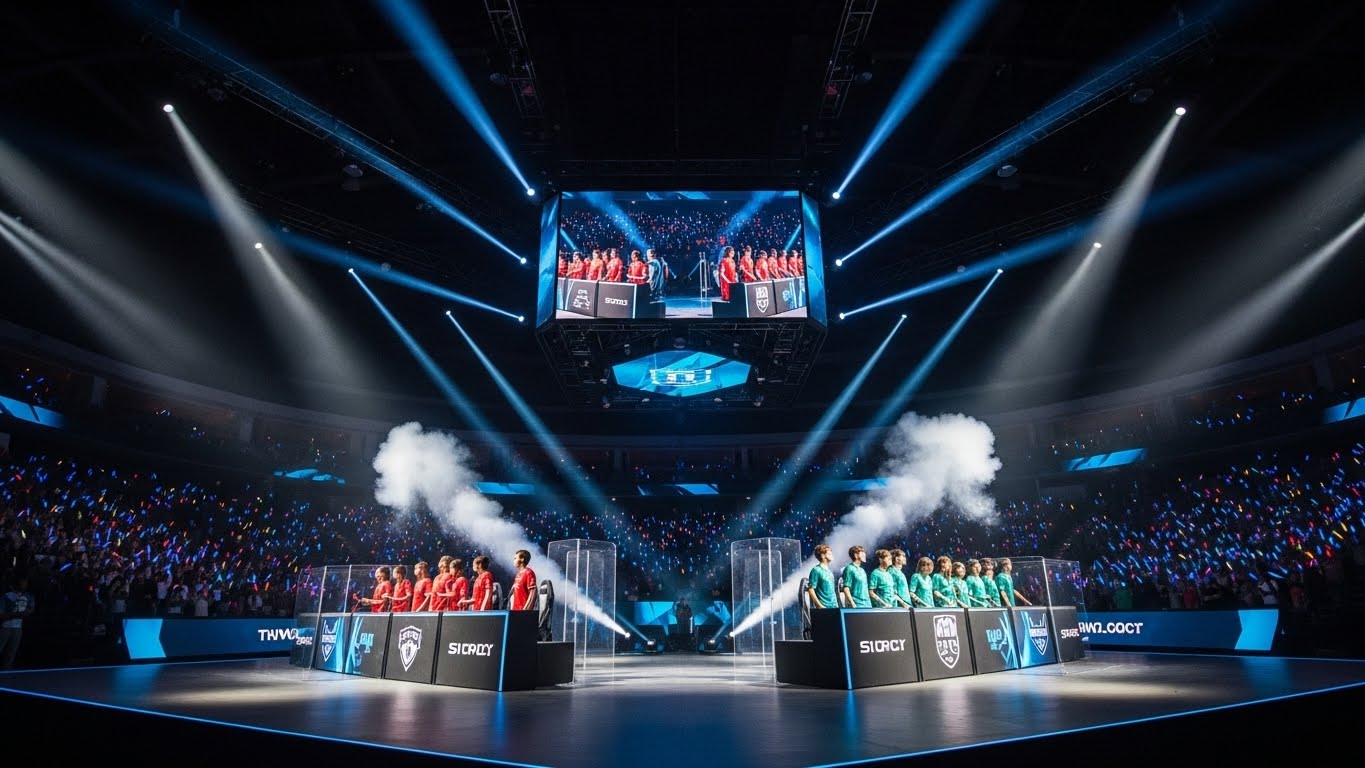
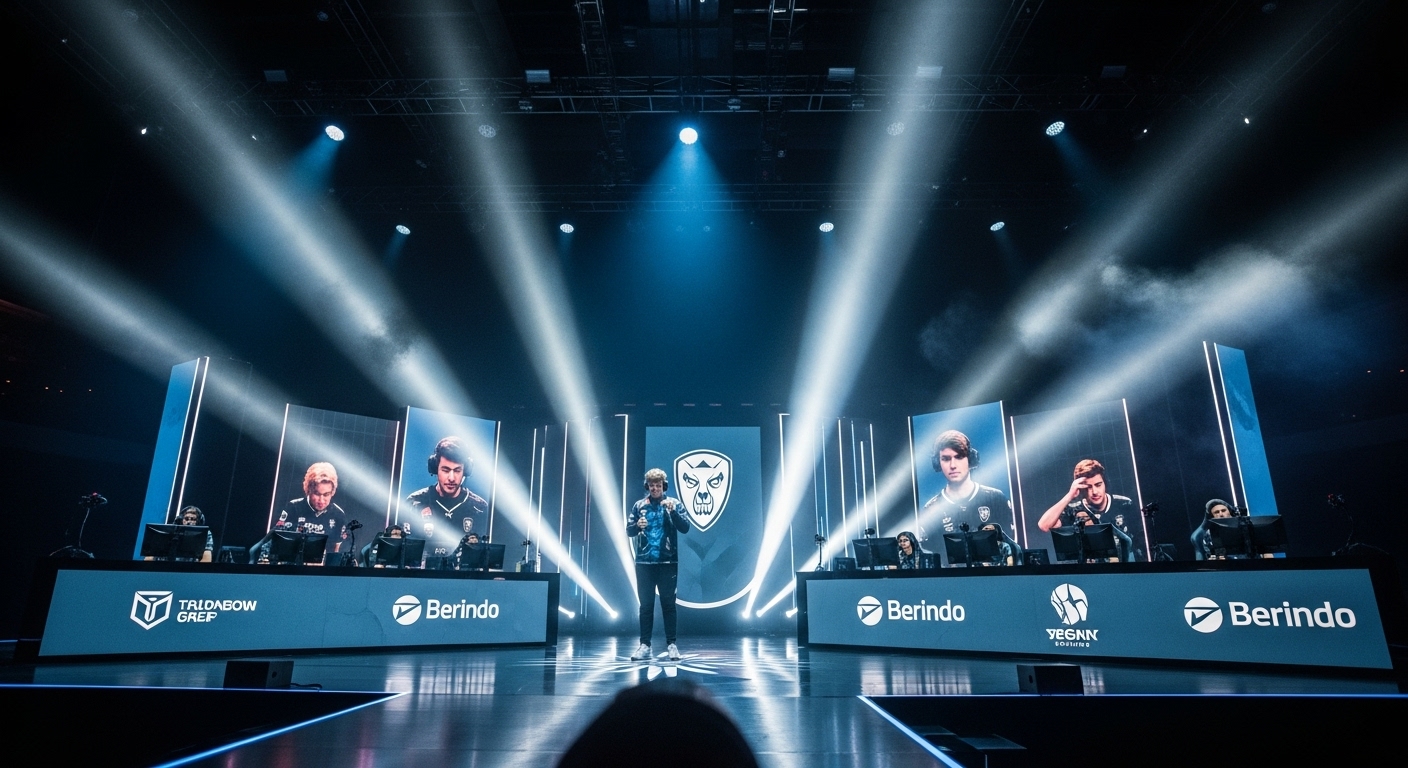
Large-scale tournaments now rival traditional sports events in spectacle, production quality, and audience engagement. Competitive esports events are staged in arenas with live audiences, professional commentary, and cinematic presentation, making them both thrilling to watch and culturally significant.
The Role of Teams and Organizations
Esports organizations play a central role in shaping the industry. They recruit and develop talent, provide coaching, manage sponsorships, and build fan engagement strategies. Teams cultivate a sense of identity and loyalty among fans, much like traditional sports franchises. Organizational support ensures that players can focus on skill development and strategy, leading to higher levels of competition.
Successful esports organizations also invest in branding and media presence. Players and teams become cultural icons, influencing fashion, social media trends, and fan culture. The combination of competitive excellence and media engagement solidifies esports as both a professional pursuit and a lifestyle.
Cultural Impact of Esports
Esports has become a cultural force, influencing fashion, music, media, and digital trends. Professional players inspire fans not just through gameplay but also through personality, style, and content creation. Cosplay, fan art, and online communities reflect the creative energy that esports generates across generations and cultures.
Furthermore, esports challenges traditional perceptions of athleticism. Success in esports demands mental acuity, strategy, and reflexive precision, showing that competitive skill extends beyond physical prowess. This redefinition of competition has helped esports gain recognition and respect as a legitimate form of professional sport.
Economic Significance of Esports
Esports has grown into a multibillion-dollar industry, generating revenue from sponsorships, merchandise, advertising, streaming partnerships, and ticket sales. Major tournaments offer prize pools rivaling those of traditional sports, attracting investment from global brands seeking to reach engaged and youthful audiences.
The industry also provides career opportunities beyond playing professionally. Roles in event management, coaching, content creation, broadcasting, marketing, and game development have expanded alongside esports’ growth. This economic ecosystem reinforces esports’ sustainability and ensures its continued evolution as a global entertainment industry.
Educational Opportunities in Esports
Esports is increasingly integrated into educational systems. Schools and universities offer programs that teach teamwork, strategic thinking, communication, and digital literacy. Competitive gaming scholarships provide opportunities for students to pursue esports while furthering their education.
Gaming also enhances technical skills, such as understanding hardware, software, and streaming platforms. These abilities are transferable to careers in IT, digital media, and game development, demonstrating that esports can be both educational and professionally rewarding.
Challenges Facing Esports
Despite its rapid growth, esports faces several challenges. Gaming addiction, burnout, and mental health issues are concerns for players who train extensively and compete at high levels. Maintaining balance and promoting healthy gaming habits is essential for long-term player well-being.
Inclusion and representation remain ongoing challenges. Historically, esports has been dominated by specific demographics, but increasing efforts are being made to create a more diverse and welcoming environment. Accessibility for players with disabilities is also improving, ensuring that esports continues to grow as an inclusive global phenomenon.
Technology and the Future of Esports
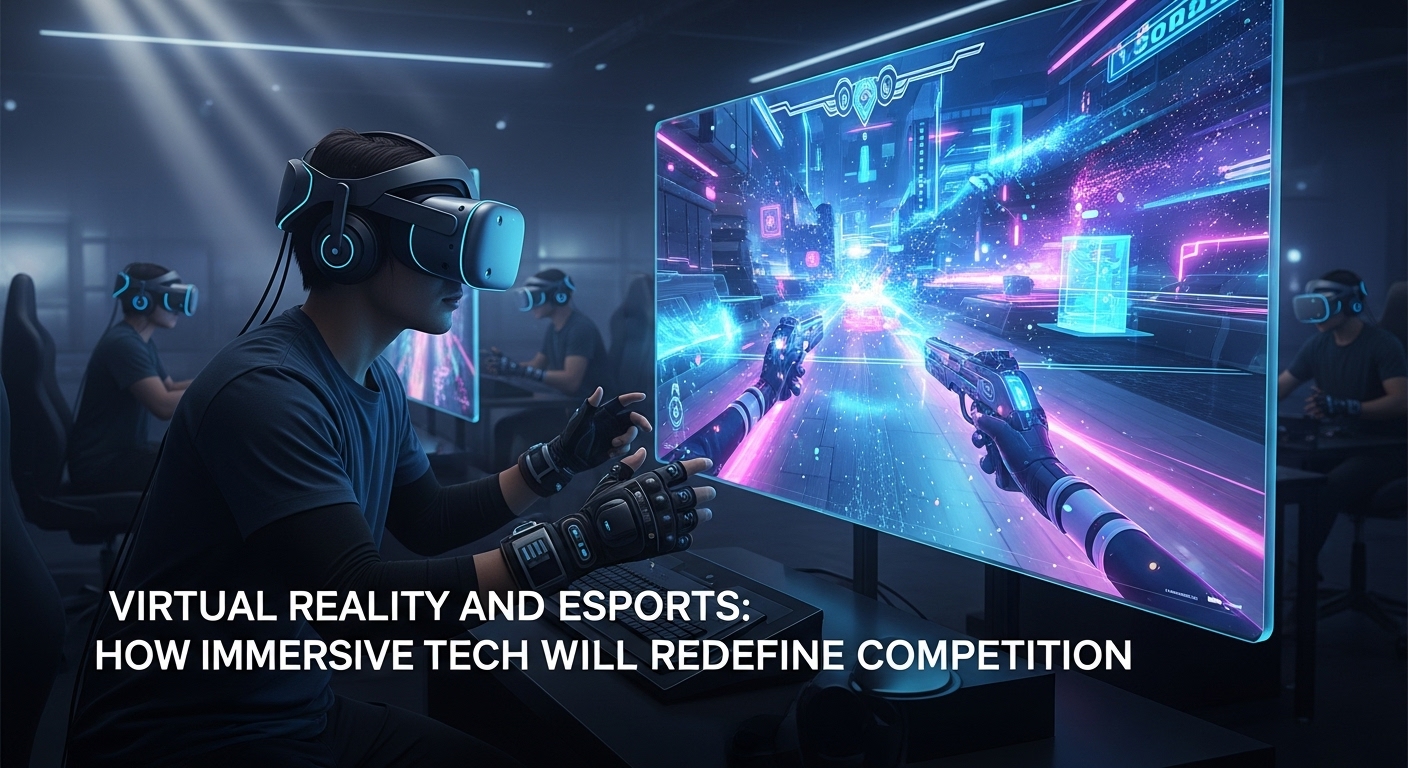
Technology is at the heart of esports’ evolution. High-performance gaming hardware, streaming platforms, analytics tools, and virtual environments continuously enhance both gameplay and spectator experience. Emerging technologies, including virtual reality, augmented reality, and artificial intelligence, promise to redefine competition and create immersive, personalized gaming experiences.
The integration of technology ensures that esports remains dynamic, innovative, and culturally relevant. As these tools advance, esports will continue to push the boundaries of entertainment and competition.
Global Reach and Community
Esports has a truly global presence, connecting players and fans across continents. Regional preferences influence game popularity and competitive styles, with Asia, North America, and Europe leading in professional leagues and international tournaments. International competitions foster collaboration, rivalry, and cultural exchange, creating a shared sense of excitement among global audiences.
Esports communities provide a space for social interaction, creativity, and connection. Fans engage with teams and players, share content, and celebrate gaming culture, making esports both a competitive and communal experience.
The Future Outlook of Esports
The future of esports is bright and full of possibilities. As professional structures, technology, and global reach expand, esports will continue to redefine entertainment, competition, and social interaction. Innovations in virtual and augmented reality, AI-driven game design, and interactive spectator experiences will further enhance engagement.
Sustainability, inclusivity, and professionalization will be key drivers of growth. Esports is likely to continue evolving into new genres, markets, and experiences, solidifying its position as a major cultural and economic force worldwide.
Conclusion: Esports as a Modern Phenomenon
Esports has grown from local competitions in arcades to a global industry that entertains, inspires, and connects millions. It combines skill, strategy, teamwork, and technology to create a unique form of competitive entertainment. As esports continues to professionalize and expand, it will remain a cultural and economic powerhouse, shaping the way people play, watch, and engage in digital experiences.
Esports is more than just gaming; it is a reflection of modern society, innovation, and human creativity. The industry’s rise demonstrates the limitless potential of digital entertainment and its ability to unite people across cultures, generations, and borders. Competitive gaming has truly become a global phenomenon, and its influence will only continue to grow in the years to come.