Introduction: The Rise of Esports as a Global Phenomenon
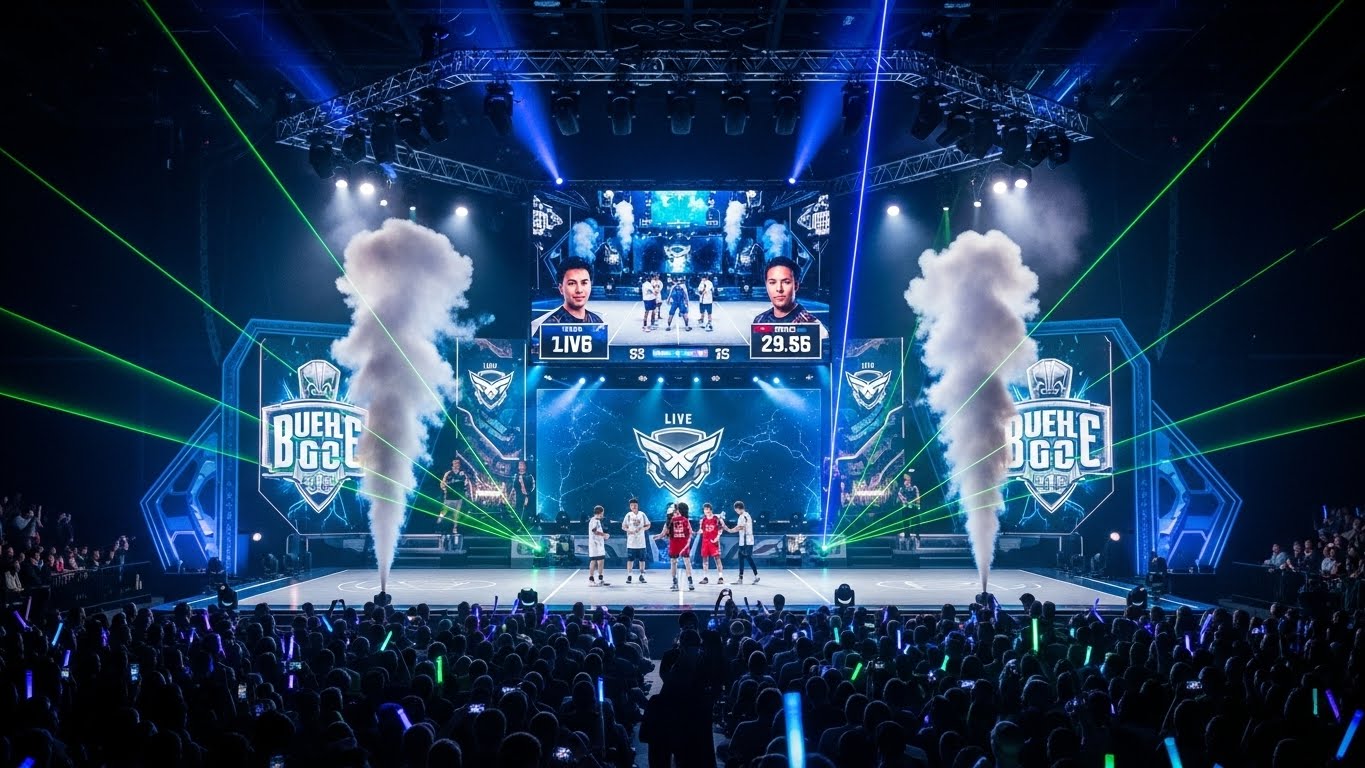
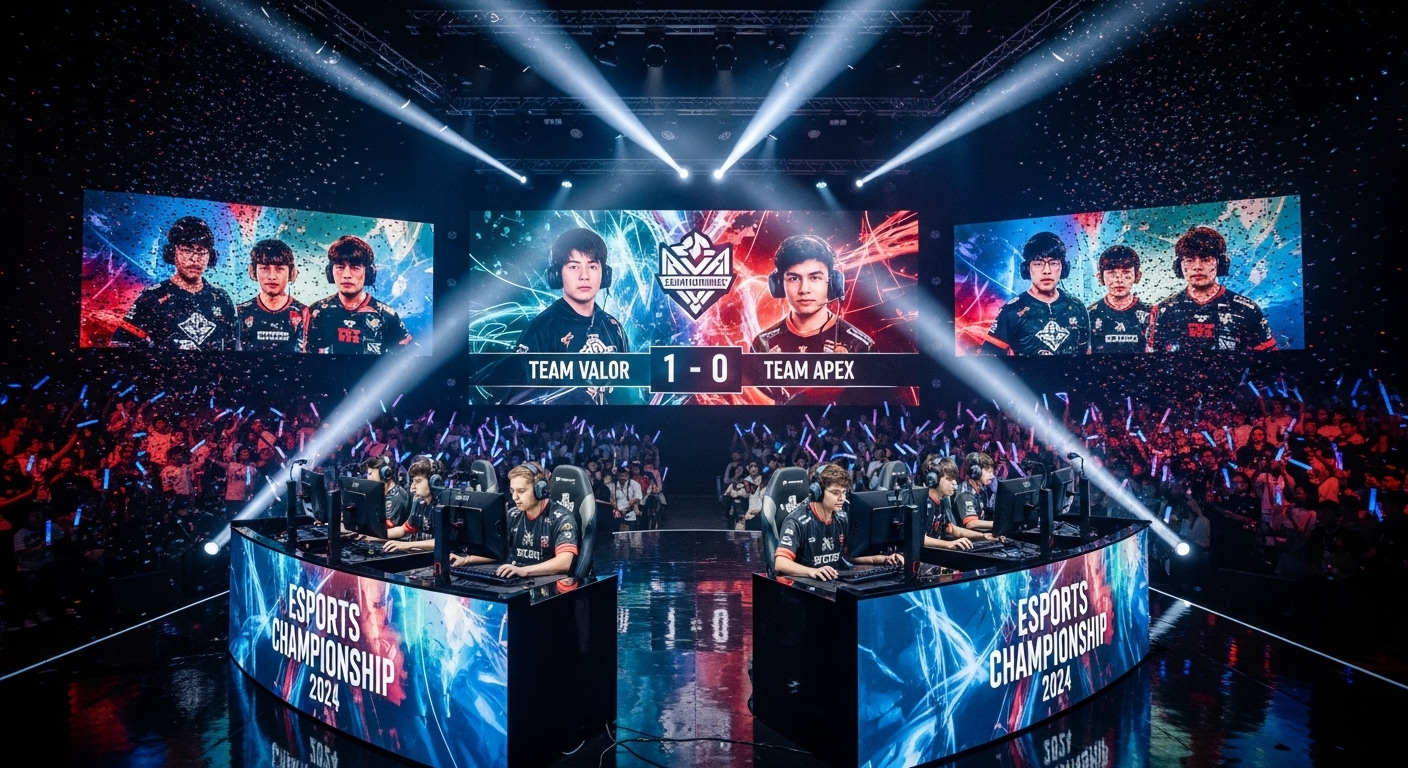
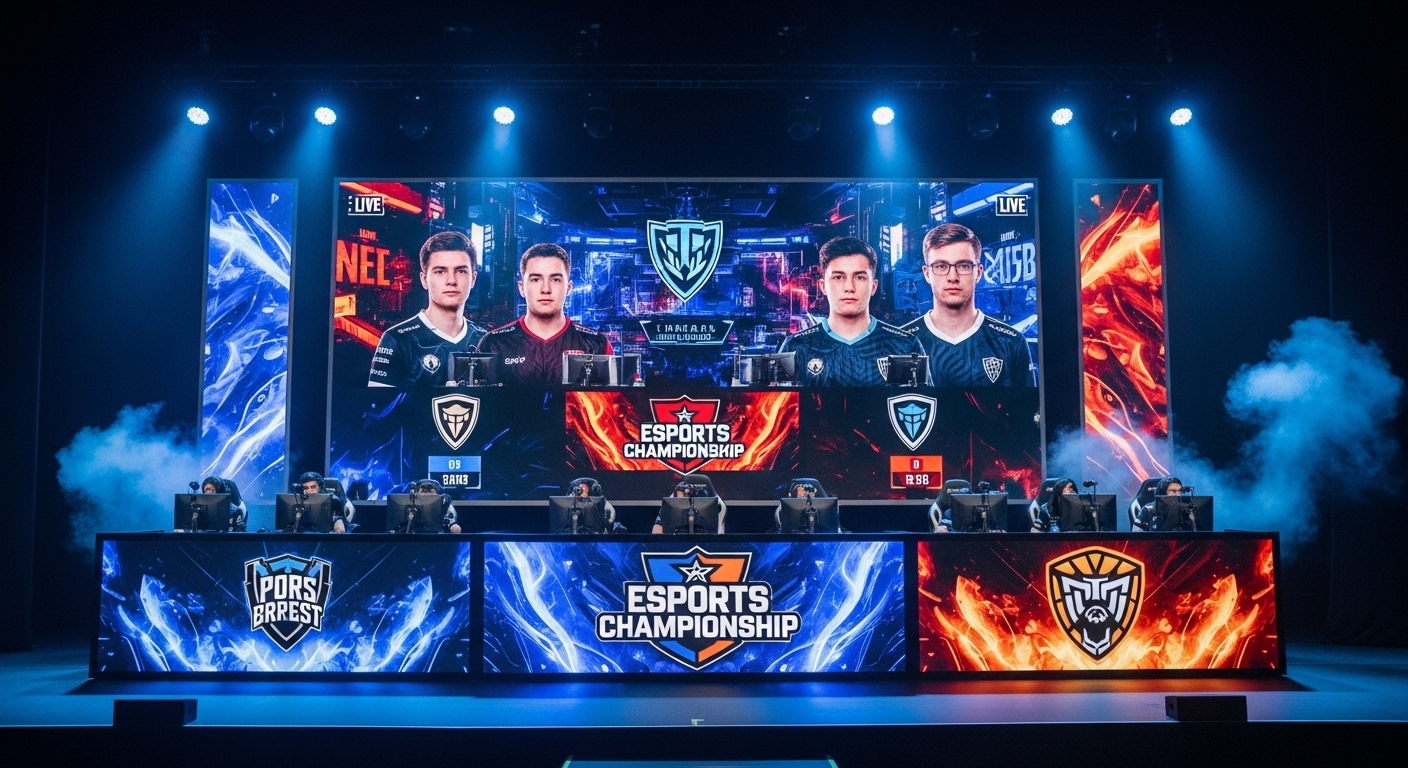
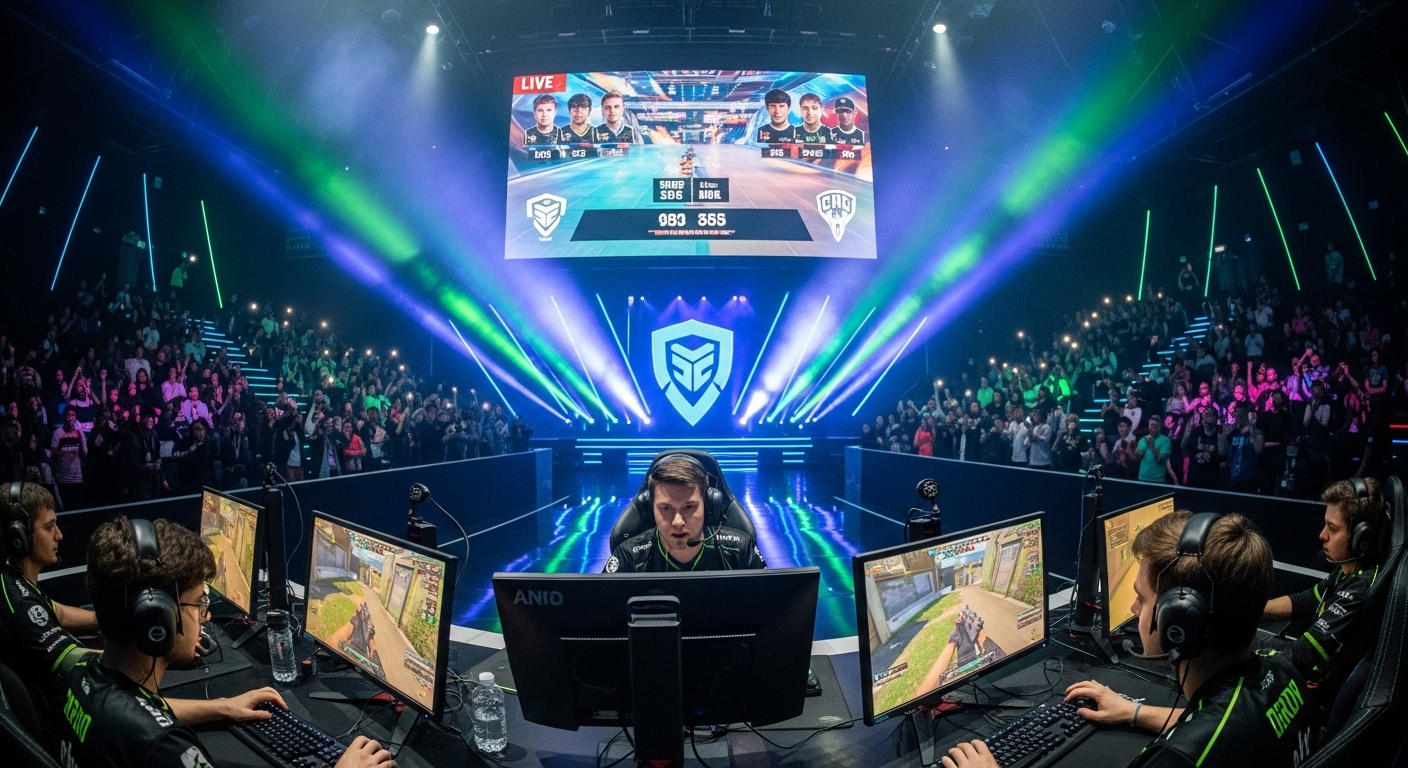
In recent years, esports has evolved from a niche hobby into one of the most significant cultural and economic forces in the world. Competitive gaming, once seen as a pastime for a small group of enthusiasts, has grown into a global phenomenon with millions of players, fans, and professionals participating in tournaments and events. Esports now stands alongside traditional sports as a legitimate and thriving form of competition, attracting sponsors, media attention, and millions of viewers across the globe. From local gaming tournaments to worldwide championships, esports has proven itself as more than just a game—it is a multi-billion-dollar industry and a cultural movement.
The Origins of Esports: From Arcades to the Digital Arena
The roots of esports can be traced back to the early days of video gaming in the 1970s and 1980s. At first, competitive gaming was limited to simple arcade games like Pong and Space Invaders, where players competed for high scores. These early games sparked the first sense of competitive spirit in the gaming community, but it wasn’t until the advent of personal computers and internet access that the real foundations of esports began to take shape.
In the 1990s, the rise of online multiplayer games like Doom, Quake, and Warcraft brought players together across geographic boundaries. Early LAN (Local Area Network) parties allowed gamers to connect their computers for local tournaments, but the true turning point came with the rise of internet connectivity. This allowed for remote online competitions, with games like StarCraft and Counter-Strike bringing together large, international communities of players.
These early years laid the groundwork for what would eventually become the massive esports industry. What was once a hobby has now evolved into a serious profession, with tournaments offering large cash prizes and sponsorship deals. Over time, esports would find its place alongside traditional sports in terms of fan engagement, media coverage, and economic impact.
The Growth of Esports Tournaments and Professional Leagues
As the popularity of online games continued to grow, so too did the size and scale of competitive gaming tournaments. One of the defining moments for esports was the creation of major competitive leagues and tournaments, beginning with titles like League of Legends and Dota 2. These games became the foundation of professional esports, drawing in millions of players and fans from around the world.
In 2011, Riot Games launched the first League of Legends World Championship, which would go on to become one of the largest and most-watched esports tournaments in history. The tournament not only showcased the skill of the top players but also introduced the idea of esports as a spectator sport. Fans around the world began to tune in to watch their favorite teams compete for glory and millions of dollars in prizes. Dota 2 followed suit with The International, which offers one of the largest prize pools in esports history, often surpassing $30 million.
These tournaments, which began with humble online qualifiers, now attract massive live audiences and millions of online viewers. As more games established their own professional leagues, such as Overwatch League and Call of Duty League, the competitive scene became more structured, professional, and accessible.
Esports: A Multi-Billion Dollar Industry
Esports is now a multi-billion-dollar industry, and its rapid growth shows no signs of slowing down. The revenue streams within esports come from multiple sources, including sponsorships, advertising, media rights, ticket sales, and merchandise. Sponsorships from major brands such as Coca-Cola, Intel, and Audi have helped elevate esports from a niche interest to a mainstream industry. Companies across various sectors are eager to tap into the lucrative esports market, recognizing its ability to reach a young, tech-savvy audience.
One of the key drivers of the esports industry’s success is the rise of streaming platforms like Twitch and YouTube Gaming. These platforms have created a direct connection between players, teams, and fans. Fans can now watch live streams of their favorite players and teams, interact with commentators, and even donate to support their favorite streamers. Twitch, in particular, has become a central hub for both casual gamers and professional players alike, making it a major player in the esports ecosystem.
Esports tournaments now offer multi-million-dollar prize pools, and the top players can earn a significant income from sponsorships, tournament winnings, and streaming deals. Esports teams have become brands in their own right, with some organizations valued at hundreds of millions of dollars. The economic impact of esports is undeniable, and it has created a thriving ecosystem that includes not just players, but coaches, analysts, broadcasters, event organizers, and content creators.
The Global Appeal of Esports: Breaking Geographic and Cultural Barriers
One of the unique aspects of esports is its ability to unite players and fans across the globe. Unlike traditional sports, where regional teams dominate the competitive landscape, esports competitions are open to players from any country. This global reach has created an international community of gamers who can compete on a level playing field, regardless of where they are located. Esports events draw fans from all corners of the world, with international tournaments like The International (Dota 2) and the League of Legends World Championship attracting viewers from North America, Europe, Asia, and beyond.
The accessibility of esports has been another factor in its global appeal. Unlike traditional sports, which often require expensive equipment, facilities, and travel, esports only requires a computer or console and an internet connection. This makes it easy for players from diverse socioeconomic backgrounds to participate and compete at the highest level. As a result, esports has become a powerful platform for diversity and inclusion, bringing together people from all walks of life and fostering global communities.
Streaming platforms like Twitch and YouTube have further amplified this global connection by enabling live broadcasts of tournaments and gameplay. These platforms not only allow fans to watch live competitions but also interact with players and commentators in real-time, creating a sense of community and engagement that transcends geographical boundaries.
The Esports Career Path: Opportunities Beyond Gaming
One of the most exciting aspects of esports is the wide array of career opportunities it offers. While playing professionally is the dream for many gamers, esports has created a thriving job market that includes coaching, broadcasting, analysis, event management, content creation, and marketing. Esports organizations, much like traditional sports teams, require support staff, managers, and agents to help run operations, secure sponsorships, and grow their brand.
Professional players, for example, typically start their careers at a young age, entering competitive play while still in their teens. However, unlike traditional sports, esports players often face a shorter window for peak performance, with many retiring by their mid-20s. This has led to the development of support roles for older players, including coaching and commentary, allowing individuals to stay involved in the esports scene long after their playing careers have ended.
Furthermore, the rise of streaming platforms has opened up new career opportunities for content creators. Streamers can build massive followings on platforms like Twitch and YouTube, monetizing their channels through ad revenue, subscriptions, and sponsorships. Some streamers have even become celebrities in their own right, with audiences that rival those of traditional entertainers. The success of these content creators highlights how esports extends beyond the competitive arena into entertainment and social media, offering opportunities for those who may not compete professionally but still wish to be involved in the esports community.
The Mental and Physical Demands of Esports
While esports may seem like a purely digital activity, it places significant mental and physical demands on players. Esports athletes must maintain peak mental focus for hours at a time, often engaging in fast-paced, high-stakes matches that require sharp decision-making and exceptional reflexes. This intense mental focus can lead to stress and burnout, and many esports organizations are now hiring sports psychologists and health professionals to help players manage the pressures of competitive gaming.
In addition to mental stamina, esports players also face physical challenges. Hours of gameplay can lead to strain on the wrists, eyes, and posture. As a result, many professional players follow strict training regimens that include physical exercise, stretching, and ergonomic setups to reduce the risk of injury. The importance of physical fitness is becoming more recognized in the esports world, with many teams hiring trainers to ensure their players stay in top shape, both physically and mentally.
The Future of Esports: What Lies Ahead?
As esports continues to grow, its future looks incredibly bright. The continued evolution of technology—such as virtual reality (VR) and augmented reality (AR)—could revolutionize the way esports is played and experienced. VR and AR have the potential to bring esports into the next level of immersion, allowing fans to experience matches in entirely new ways. In addition, the growing popularity of mobile gaming is opening up new avenues for competitive play, with mobile esports tournaments already gaining traction worldwide.
Esports will also continue to merge with traditional sports. Many sports organizations have already invested in esports teams or tournaments, and some professional athletes are even starting their own esports ventures. This fusion of digital and physical competition could lead to new formats for tournaments, incorporating both traditional sports and esports into hybrid events.
Finally, as esports continues to gain popularity, it will increasingly be recognized as a mainstream form of entertainment, with more opportunities for fans to engage in the culture of competitive gaming. The rise of dedicated esports venues, stadiums, and broadcast deals will further solidify esports’ place in the entertainment landscape.
Conclusion: Esports as the Future of Competitive Entertainment
Esports has come a long way since its humble beginnings in arcades and local LAN parties. Today, it is a thriving industry with global appeal, offering not just entertainment but also opportunities for personal growth, career advancement, and international community building. From grassroots tournaments to multi-million-dollar championships, esports has proven itself as a legitimate and exciting form of competition that brings people together across the world.