Introduction
Once seen as a pastime confined to bedrooms and internet cafés, video gaming has evolved into one of the most dynamic and influential entertainment industries in the world. At the center of this revolution is Esports — organized competitive gaming played by professional players and teams on a global stage. What began as small-scale tournaments among friends has turned into a billion-dollar phenomenon, filling stadiums, attracting millions of viewers, and reshaping how we understand sports, media, and culture.
This blog explores the rise, evolution, and impact of Esports — from its humble beginnings to its current position as a global entertainment powerhouse. We’ll look at how Esports has developed, why it has become so popular, and what the future holds for this fast-growing industry.
The Birth of Competitive Gaming
The roots of Esports stretch back further than many realize. In the early 1970s, competitive gaming was already beginning to take shape. The first known organized video game competition took place in 1972 at Stanford University, where students played Spacewar! for a year’s subscription to Rolling Stone magazine. It might sound modest by today’s standards, but that moment set the stage for what was to come.
In the 1980s, arcade culture took off. Games like Pac-Man, Donkey Kong, and Space Invaders became household names. Players competed to set high scores and earn recognition in magazines and local gaming communities. It was an era driven by skill, competition, and the desire to be the best.
By the 1990s, the rise of home consoles like the Super Nintendo and Sega Genesis, and the growth of PC gaming, began to shape the first modern gaming tournaments. Events such as the Nintendo World Championships and the Cyberathlete Professional League (CPL) in 1997 laid the groundwork for organized competitive gaming. These early tournaments began to look more like what we now recognize as Esports, featuring structured brackets, sponsorships, and prize pools.
The Online Revolution
The early 2000s brought the internet revolution, and with it, Esports exploded. Games were no longer limited by geography; players from different continents could now compete in real time. This period saw the rise of online multiplayer games like Counter-Strike, StarCraft, and Warcraft III, which became the backbone of professional gaming.
South Korea, in particular, became the beating heart of Esports. The country’s rapid internet adoption and government investment in technology created the perfect conditions for competitive gaming to thrive. StarCraft tournaments filled stadiums, and professional gamers were treated like celebrities, complete with sponsors and fan clubs. This era established the foundation of what we now call the Esports ecosystem — an industry with professional teams, coaches, commentators, analysts, and dedicated leagues.
At the same time, Western countries began catching up. The release of Halo, Call of Duty, and Counter-Strike: Source brought competitive gaming to consoles and PC audiences worldwide. Major tournaments like DreamHack, Intel Extreme Masters, and Major League Gaming (MLG) started to gain traction. Gaming was no longer a solitary activity; it was a spectator event.
The Rise of Streaming and Global Audiences
No single development transformed Esports as profoundly as the rise of streaming platforms. The launch of Twitch in 2011 (previously Justin.tv) turned gaming into a spectator sport accessible to anyone with an internet connection. Suddenly, fans could watch their favorite players compete, practice, or even just chat in real time. It blurred the line between gaming and entertainment.
Streaming democratized Esports. You didn’t need a TV deal or a ticket to a live event — you could tune in from your couch, interact with other fans, and support your favorite streamers directly. This accessibility allowed Esports to grow rapidly, reaching audiences that traditional sports took decades to build.
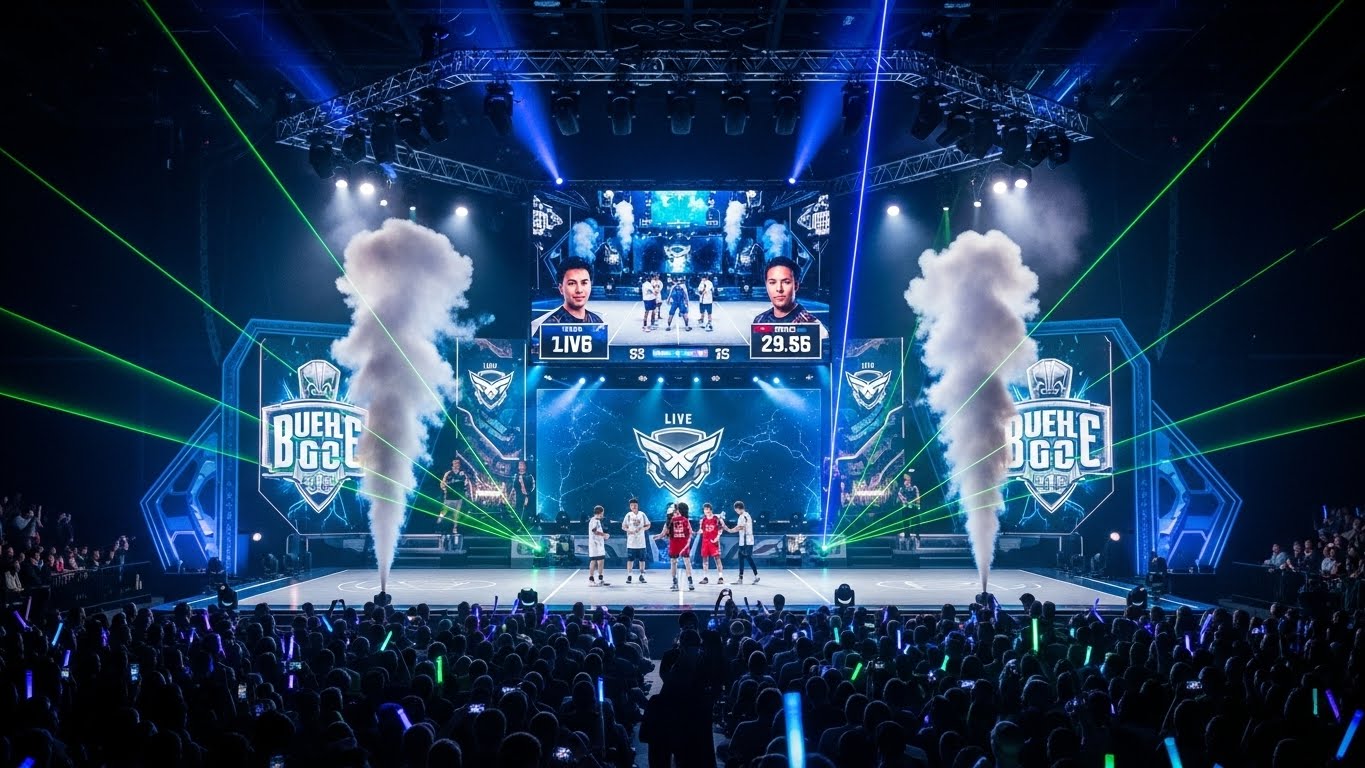
The numbers speak for themselves. Major Esports tournaments now attract viewership rivaling — and in some cases surpassing — traditional sports events. Games like League of Legends, Dota 2, and CS:GO consistently draw millions of live viewers, while the League of Legends World Championship has become a cultural event on par with the Super Bowl in its scale and production value.
Esports as a Professional Career
The professionalization of Esports has been one of its most remarkable transformations. What was once a hobby is now a legitimate career path. Professional players sign contracts, receive salaries, and compete for massive prize pools. For example, tournaments like The International (Dota 2) have awarded tens of millions of dollars in prize money — making it one of the most lucrative events in the entire sports world.
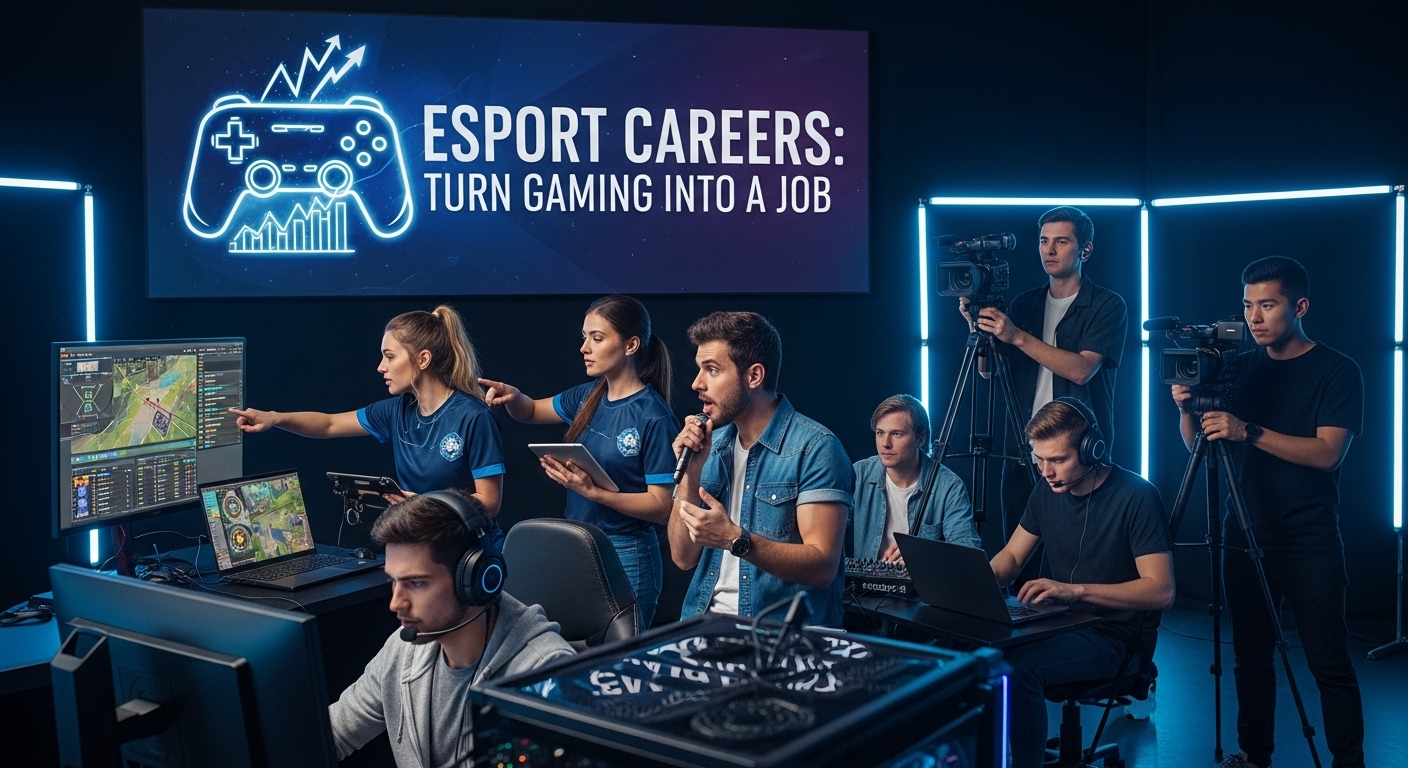
But Esports is not just about players. Like traditional sports, it has created an entire ecosystem of jobs and industries around it. Coaches, analysts, content creators, marketing professionals, event organizers, and game developers all play vital roles in sustaining the industry.
Players are also becoming celebrities in their own right. Top names like Faker, s1mple, Ninja, and TenZ have global fanbases, endorsement deals, and brand partnerships. Social media allows fans to connect directly with their favorite players, adding another layer to the industry’s growth.
The Global Esports Ecosystem
Esports today is truly global. Different regions have developed their own strengths and signature titles. South Korea remains dominant in games like League of Legends and StarCraft, while Europe and North America lead in CS:GO, Valorant, and Call of Duty. China has become a massive force in mobile Esports, with games like Honor of Kings and PUBG Mobile drawing enormous audiences.
Large organizations, such as Fnatic, Team Liquid, Cloud9, T1, and G2 Esports, operate like professional sports franchises. They have management teams, training facilities, and branding divisions. Many even participate across multiple games, much like a sports club with teams in different leagues.
Corporate sponsorships have also played a major role in Esports’ success. Companies ranging from tech giants to car manufacturers have invested heavily in the space, seeing it as a way to reach younger, tech-savvy audiences. Esports arenas, merchandise lines, and branded content have all become standard parts of the ecosystem.
The Impact of Esports on Culture and Society
Esports has become more than just competition; it’s a cultural movement. It represents the merging of gaming, entertainment, and technology in a way that resonates deeply with younger generations. Esports has helped break down outdated stereotypes about gamers, proving that skill, discipline, and teamwork are as important in virtual arenas as they are in traditional sports.
It has also fostered inclusivity and diversity in new ways. People from all walks of life, regardless of geography, gender, or background, can compete on equal footing. The rise of women in Esports — through players, casters, and content creators — continues to reshape the industry for the better.
Moreover, Esports has had a huge influence on education and youth engagement. Many schools and universities now offer Esports scholarships, programs, and clubs. Students can pursue degrees in game design, digital media, or Esports management — fields that barely existed two decades ago.
The Role of Technology in Esports Growth
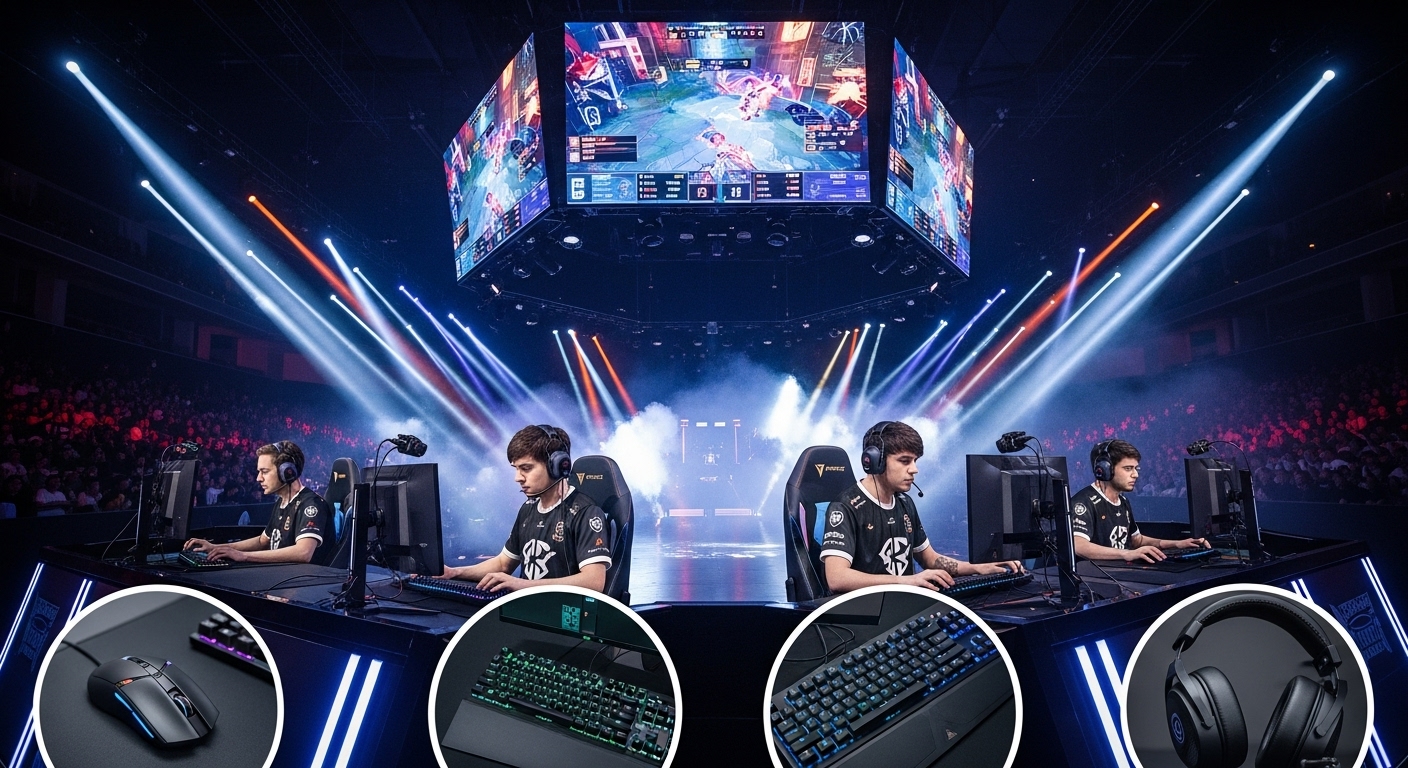
Esports wouldn’t exist without technology — and it continues to evolve alongside it. High-speed internet, powerful gaming hardware, and advanced streaming tools have made it possible for millions of people to compete and watch simultaneously.
Artificial intelligence and data analytics are becoming vital parts of competitive strategy. Teams analyze gameplay footage, player habits, and opponent tactics with precision. Just as sports teams study replays and statistics, Esports organizations rely on data to gain an edge.
Virtual reality (VR) and augmented reality (AR) are also beginning to shape the next frontier of gaming. While still in early stages, these technologies promise more immersive spectator experiences and new ways to engage players. Imagine watching a match from the perspective of a player inside the game — that level of interactivity could redefine the Esports viewing experience.
Esports and Traditional Sports: A Converging Future
For a long time, Esports and traditional sports were viewed as opposites — one physical, the other digital. But that divide is quickly fading. Major sports franchises now invest in Esports teams, and leagues like the NBA, FIFA, and Formula 1 have launched their own Esports divisions.
The pandemic accelerated this convergence. With live sports temporarily halted, millions turned to Esports for entertainment. Sim racing events filled the void for motorsports fans, and professional athletes began competing in virtual tournaments. The lines between the two worlds blurred, showing how gaming could complement — not compete with — traditional sports.
Even broadcasters have adapted. Networks that once ignored gaming now air Esports tournaments alongside live sports coverage. Analysts and commentators provide the same level of insight and energy that viewers expect from football or basketball broadcasts.
Challenges Facing the Esports Industry
Despite its success, Esports faces several challenges that could shape its future. One major concern is player burnout. The competitive calendar is relentless, and many players face immense pressure from young ages. Unlike traditional sports, where athletes often have established support systems, Esports is still building those structures.
There are also issues of regulation and governance. Because Esports spans multiple games and publishers, there is no single governing body overseeing standards, player rights, or league rules. This fragmentation can lead to inconsistencies and disputes over contracts, cheating, or competitive fairness.
Another challenge lies in sustainability. While prize pools and sponsorships are impressive, not all organizations are profitable. Many rely heavily on investor funding, and the long-term business models of some leagues remain uncertain. Building stable revenue streams — through media rights, merchandise, and localized events — will be key to Esports’ continued growth.
Esports and Mental Health
The mental and physical well-being of players has become an increasingly important topic in recent years. Competitive gaming demands focus, endurance, and precision, often requiring players to train for 10–12 hours a day. Without proper balance, this can lead to fatigue, stress, and burnout.
Many organizations are now hiring sports psychologists, nutritionists, and fitness coaches to support their players. Mental resilience is being recognized as just as critical as mechanical skill. By prioritizing health and wellness, teams hope to extend player careers and improve overall performance.
There’s also a growing conversation about community mental health. While gaming communities can be supportive, online toxicity remains an issue. Esports organizations and platforms are taking steps to promote positive behavior, inclusivity, and safe environments for fans and players alike.
Esports Education and Career Development
As Esports continues to expand, so do the educational and career opportunities surrounding it. Universities around the world are launching Esports programs that teach not just gameplay, but also event production, marketing, and management. This academic recognition further legitimizes Esports as a professional field.
Students can now pursue scholarships for their gaming skills — something unimaginable just a decade ago. High schools and youth leagues are incorporating Esports into extracurricular programs, teaching teamwork, communication, and leadership.
Beyond playing, career paths in broadcasting, coaching, and content creation are flourishing. Esports production — with its complex mix of technology, storytelling, and live coordination — has become a highly valued skill in the broader entertainment industry.
The Economic Power of Esports
The financial growth of Esports has been staggering. What began as community-run events now generates billions in revenue through sponsorships, advertising, merchandise, and media rights. Brands are eager to tap into Esports’ youthful audience, which is highly engaged and globally connected.
Cities are also recognizing Esports’ potential as an economic driver. Purpose-built Esports arenas are opening worldwide, hosting events that attract international visitors. These events not only boost local economies but also cement cities as hubs of digital culture.
Additionally, Esports has become a cornerstone of marketing strategies for tech companies, apparel brands, and even food and beverage corporations. By aligning with gaming, they tap into one of the most loyal and influential demographics in the world.
The Future of Esports
The future of Esports looks brighter than ever. With advancements in technology, increasing mainstream acceptance, and expanding audiences, Esports is poised to grow even further in the coming decade.
Mobile gaming will continue to play a massive role, especially in regions like Asia, Africa, and South America. Cloud gaming services will make high-quality games accessible without expensive hardware, broadening participation. Virtual reality and augmented reality could redefine how games are played and experienced.
Esports is also moving toward greater integration with mainstream media. As generations who grew up gaming reach adulthood, Esports will likely be seen not as a niche hobby but as a central part of entertainment culture — just like film, music, or traditional sports.
Conclusion
Esports represents the convergence of technology, competition, and culture in a way the world has never seen before. From the early days of pixelated arcade battles to the high-production global tournaments of today, the journey of Esports mirrors humanity’s relationship with technology and entertainment.
It’s a space that celebrates skill, creativity, and community — and one that continues to challenge old ideas about what sports, careers, and digital life can look like. As it grows, Esports will keep pushing boundaries, uniting millions of fans across continents and redefining how we connect through play.
The future of Esports isn’t just about gaming — it’s about the shared experience of competition, the thrill of innovation, and the boundless possibilities of a connected world.