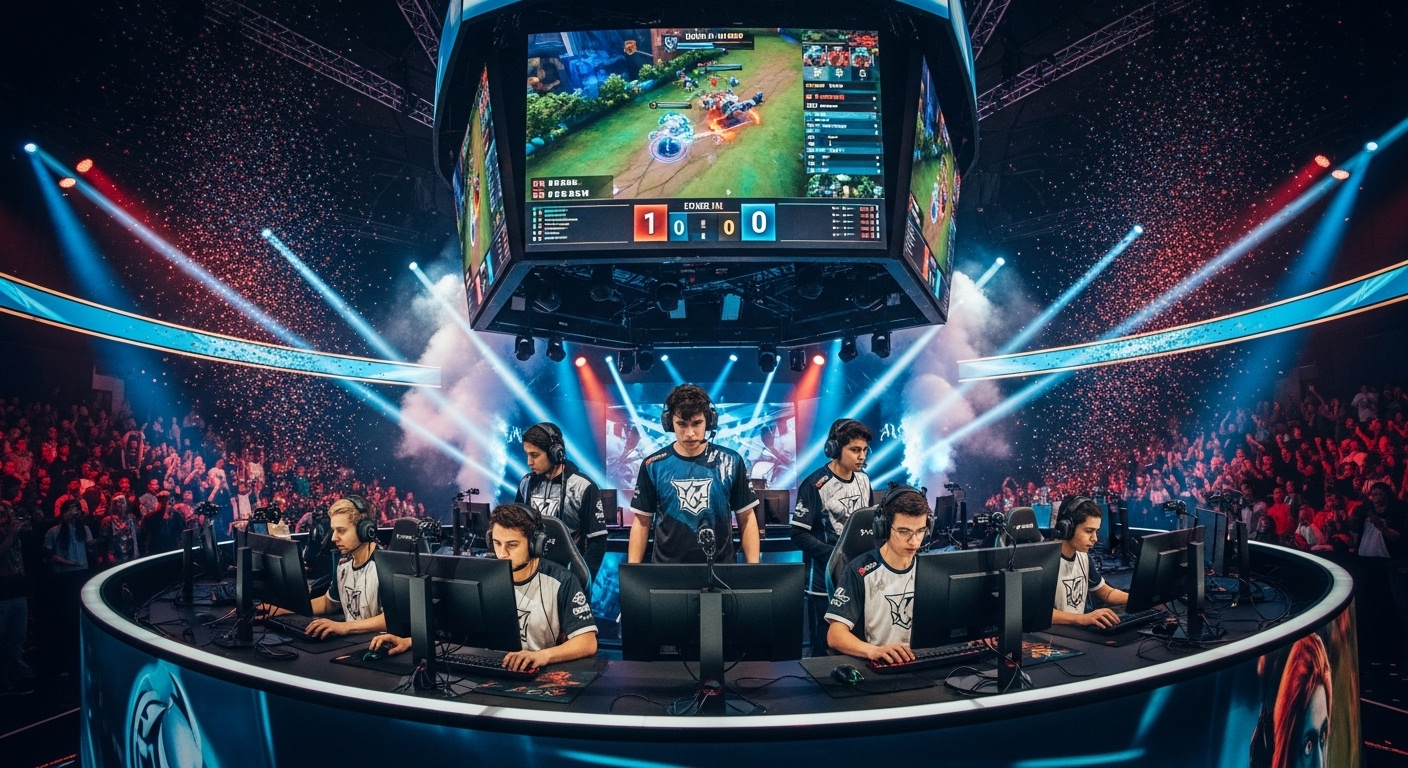
In the last two decades, the global entertainment landscape has witnessed a remarkable transformation. What was once seen as a pastime for teenagers in dimly lit rooms has now evolved into a billion-dollar industry captivating audiences around the world. Esports, short for electronic sports, has redefined the meaning of competition, skill, and fame in the digital age. From packed arenas and million-dollar tournaments to professional athletes and global sponsorships, esports has become a cultural and technological phenomenon. This blog delves into the origins, growth, impact, and future of esports while exploring how it is shaping the future of digital entertainment.
The Birth of Esports: From Arcade Competitions to Global Stages
The history of esports dates back to the early days of video games. In the 1970s, when video games were first emerging as a form of entertainment, gaming competitions were relatively small-scale events. One of the first known gaming tournaments took place in 1972 at Stanford University, where students competed in a game called Spacewar. The prize? A one-year subscription to a magazine, showing just how humble the beginnings of esports truly were.
The 1980s saw the arrival of arcade culture, where competitive gaming began to gain traction. Games like Pac-Man, Donkey Kong, and Street Fighter attracted dedicated players who competed for high scores and recognition. The early tournaments organized by companies like Atari and Nintendo laid the groundwork for the professional gaming scene we see today. By the late 1990s, with the rise of the internet and multiplayer games, esports started to evolve into a structured competitive industry.
Games such as StarCraft, Counter-Strike, and Quake became the cornerstones of early esports, introducing professional teams, sponsorships, and international tournaments. What set these games apart was their competitive nature and the community-driven approach that connected players from around the world.
The Explosion of Esports in the 21st Century
The 2000s marked the true beginning of esports as a mainstream phenomenon. The arrival of broadband internet and streaming platforms revolutionized how people consumed gaming content. Instead of being limited to local tournaments, players could now participate in international competitions and broadcast their matches to millions of viewers online.
One of the pivotal moments in esports history was the rise of multiplayer online battle arena (MOBA) games such as Dota 2 and League of Legends. These games combined strategy, teamwork, and skill, making them perfect for competitive play. Developers began investing heavily in esports infrastructure, organizing official tournaments with massive prize pools.
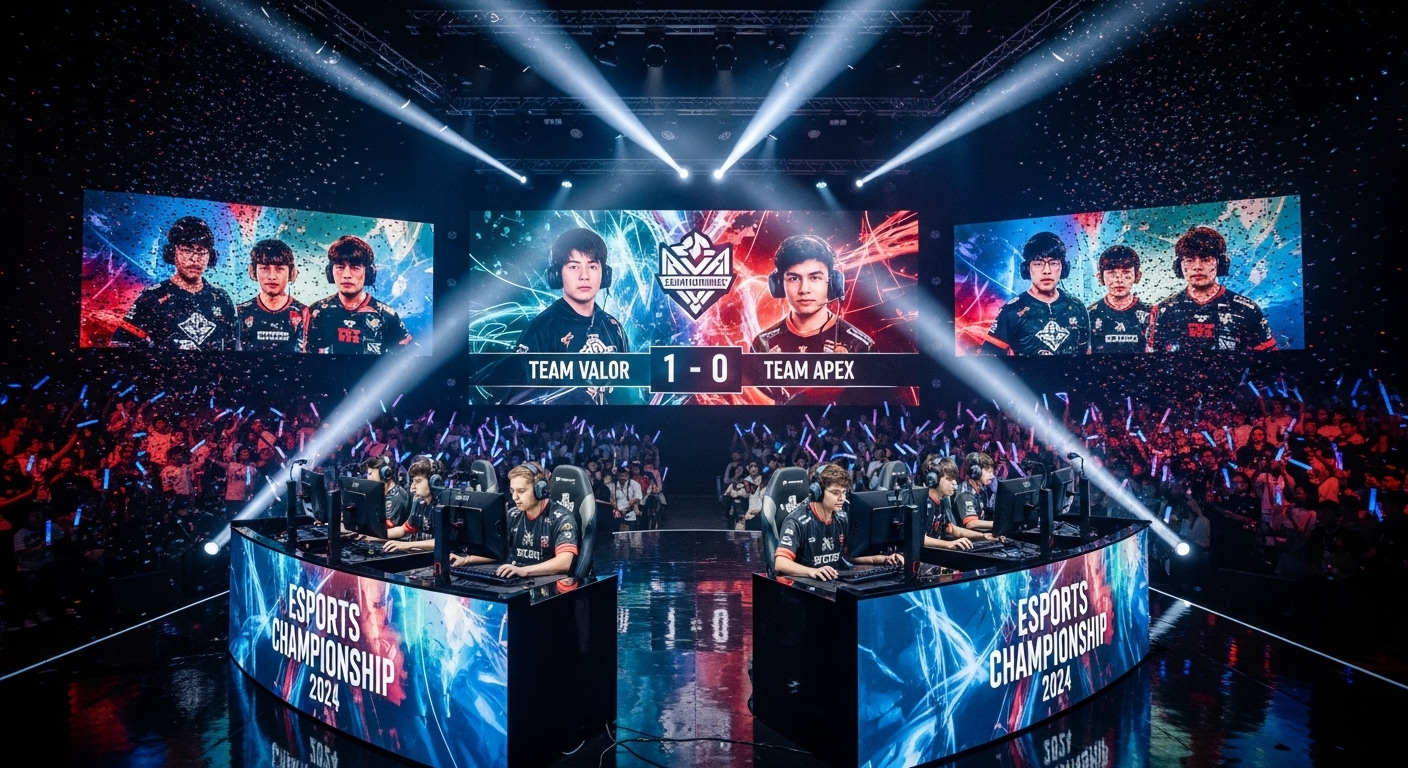
For example, The International, an annual Dota 2 championship, became a symbol of esports success, offering multi-million-dollar prizes funded by the gaming community itself. Similarly, League of Legends tournaments started filling stadiums around the world, drawing millions of viewers both online and offline. These events were no longer niche gatherings; they became major global spectacles rivaling traditional sports in terms of viewership.
The Role of Technology in Esports Growth
Technology has played a critical role in the evolution of esports. Advances in internet connectivity, gaming hardware, and streaming technology have made esports accessible to anyone with a computer or smartphone. High-speed internet ensures seamless online matches, while powerful graphics and processing capabilities create immersive gaming experiences.
Streaming platforms have also played a vital role in making esports a mainstream entertainment medium. These platforms allow fans to watch live tournaments, follow their favorite players, and engage with the gaming community in real-time. The rise of professional streamers and content creators has blurred the lines between gaming and entertainment, making esports a lifestyle for millions.
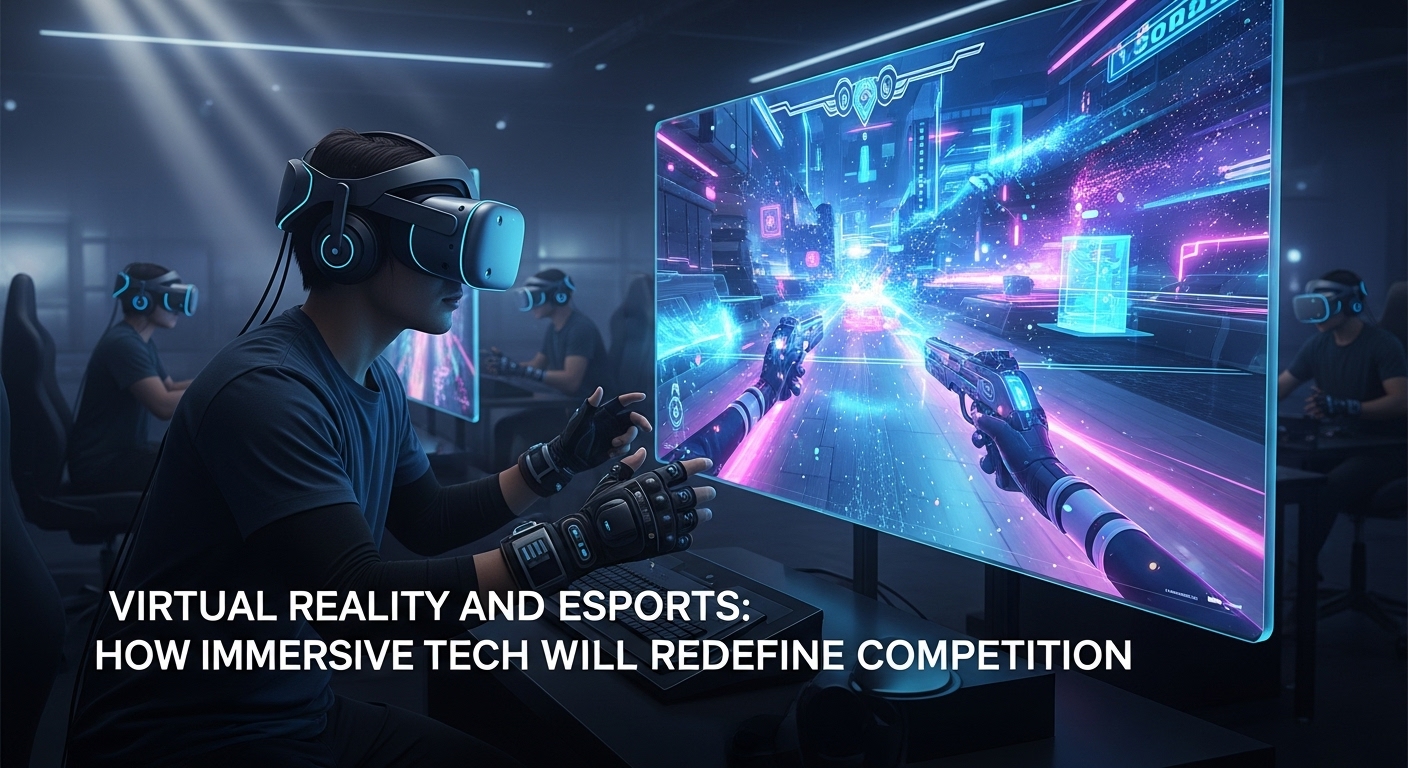
Additionally, developments in virtual reality (VR) and augmented reality (AR) hint at a future where esports will become even more interactive and immersive. The integration of AI-driven analytics is helping players improve their performance by analyzing gameplay data and providing real-time insights, similar to the technological support seen in traditional sports.
Professional Players and Teams: The New Generation of Athletes
Esports has given rise to a new kind of athlete: the professional gamer. Contrary to outdated stereotypes, professional esports players train rigorously, often practicing for eight to twelve hours a day to perfect their reflexes, strategies, and coordination. Many teams employ coaches, analysts, and even fitness experts to ensure players perform at their peak.
These athletes compete in leagues and tournaments around the world, representing teams that operate like traditional sports franchises. Teams such as Fnatic, Team Liquid, T1, and Cloud9 have become household names in the gaming community. They have dedicated fan bases, sponsors, and partnerships with global brands.
Professional gamers also enjoy celebrity status, with social media followings in the millions. Some of them earn more than professional athletes in traditional sports, thanks to tournament winnings, sponsorship deals, and streaming revenue. The recognition of esports players as legitimate athletes has led to the inclusion of esports in major sporting events, with discussions underway about its potential inclusion in future Olympic Games.
The Business of Esports: An Expanding Industry
The economic impact of esports cannot be overstated. What started as small-scale competitions has now turned into a billion-dollar global industry encompassing game developers, sponsors, advertisers, and media companies. Esports revenue comes from various sources, including tournament ticket sales, merchandise, advertising, sponsorships, and digital streaming rights.
Large corporations have recognized the potential of esports and are investing heavily in the industry. Tech giants, beverage companies, and even car manufacturers are sponsoring teams and events, viewing esports as a gateway to reaching younger audiences. Universities and colleges are also offering scholarships for esports athletes, recognizing the educational and career opportunities within this growing field.
Moreover, the esports ecosystem has created new job opportunities beyond gaming itself. There are now careers in event management, broadcasting, game design, marketing, and analytics, all dedicated to supporting the esports infrastructure.
Esports as a Cultural Phenomenon
Esports is more than just competition—it is a global cultural movement. It has brought together people from different countries, backgrounds, and languages, united by a shared passion for gaming. Major esports events attract millions of viewers, often surpassing the audience numbers of traditional sports championships.
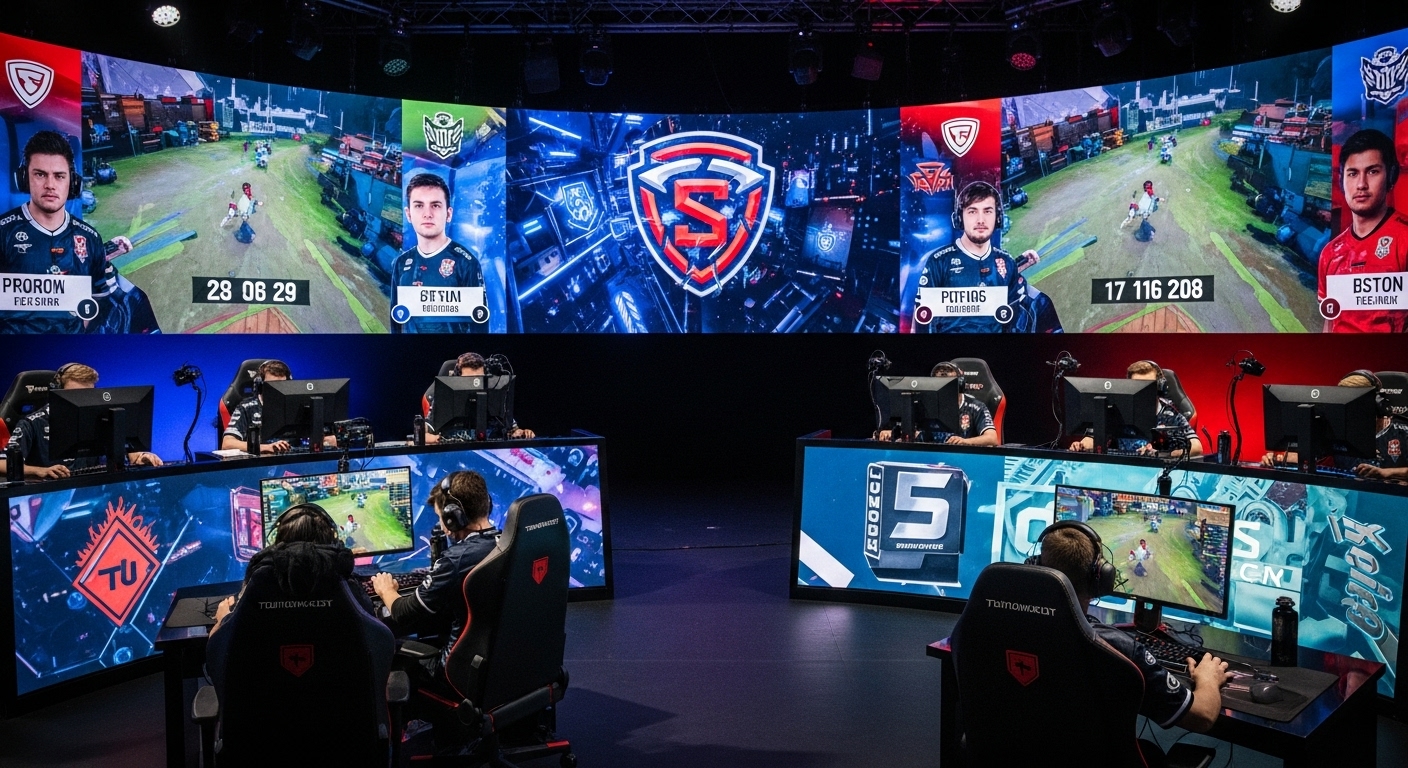
The fandom around esports mirrors that of major sporting leagues. Fans wear team jerseys, attend live events, and follow their favorite players on social media. The production quality of esports tournaments rivals that of traditional sports broadcasts, complete with commentators, analysts, and high-definition visuals that enhance the viewing experience.
Esports has also influenced popular culture, inspiring movies, documentaries, and even fashion trends. The rise of gaming celebrities has blurred the line between gaming, entertainment, and mainstream media, creating an entirely new form of digital celebrity culture.
The Psychological and Social Impact of Esports
Beyond entertainment, esports has significant psychological and social implications. On one hand, it promotes teamwork, strategic thinking, and problem-solving skills. Professional gaming requires intense focus, discipline, and communication—qualities that are transferable to other areas of life and work.
However, like any competitive field, esports also comes with challenges. The intense pressure to perform can lead to stress, burnout, and mental health issues among players. As the industry grows, organizations are beginning to recognize the importance of mental well-being, introducing programs to support players’ mental and emotional health.
Esports has also proven to be an inclusive platform that transcends boundaries. It allows people of different genders, abilities, and backgrounds to compete on equal footing. Initiatives promoting diversity and inclusion in gaming are becoming more prevalent, ensuring that esports remains a space open to all.
Esports and Education
The educational potential of esports is also gaining recognition. Schools and universities around the world are incorporating esports into their curricula, teaching students about game design, event management, and the business of gaming. Competitive gaming programs are being established at both the high school and collegiate levels, providing scholarships and career pathways for talented players.
Furthermore, esports can serve as a valuable tool for teaching teamwork, communication, and leadership. The strategic and analytical skills required in gaming can also enhance cognitive abilities and decision-making skills in students.
The Future of Esports: Where Do We Go From Here?
The future of esports looks brighter than ever. As technology continues to advance, the industry will become even more sophisticated and inclusive. The integration of virtual reality and augmented reality could redefine how games are played and viewed, providing immersive experiences for both players and spectators.
Mobile esports is another rapidly growing segment, making competitive gaming accessible to a wider audience. With smartphones becoming more powerful, mobile gaming tournaments are attracting millions of players worldwide, further expanding the reach of esports.
There is also growing interest in incorporating blockchain and digital assets into esports, creating new opportunities for players and fans to engage with the ecosystem. From digital collectibles to decentralized tournament platforms, the possibilities are endless.
In the long term, esports is likely to continue blurring the lines between traditional sports, entertainment, and technology. As younger generations grow up with gaming as a core part of their culture, esports will only become more mainstream and influential.
Conclusion
Esports is not just a trend—it is the future of competitive entertainment. It represents the intersection of technology, skill, and creativity in a digital age where connectivity defines how we play and interact. What started as a hobby has become a global phenomenon that challenges traditional notions of sports and entertainment.
The rise of esports is a testament to human innovation and the power of community. As it continues to evolve, esports will shape the future of media, culture, and technology, inspiring millions of players and fans across the world. The game, as they say, has only just begun.