Introduction
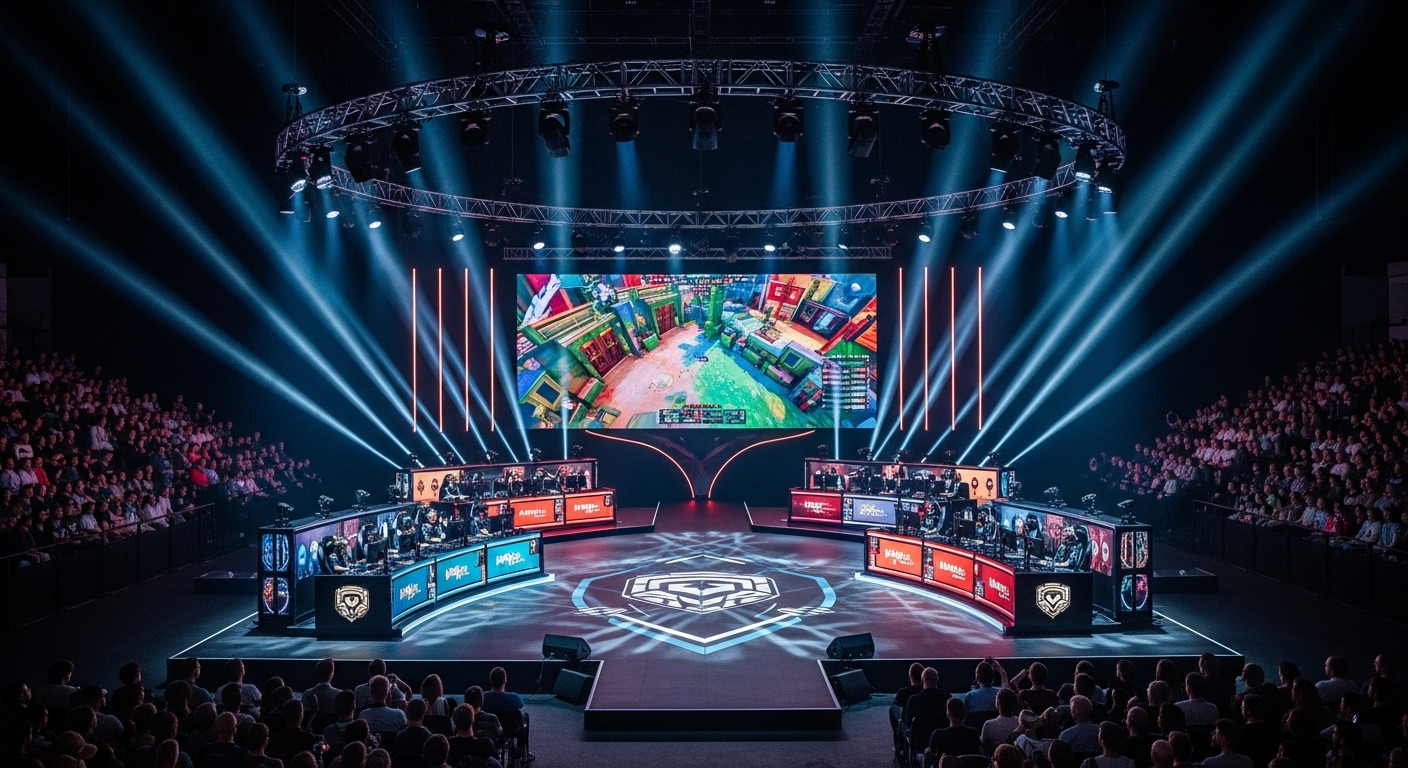
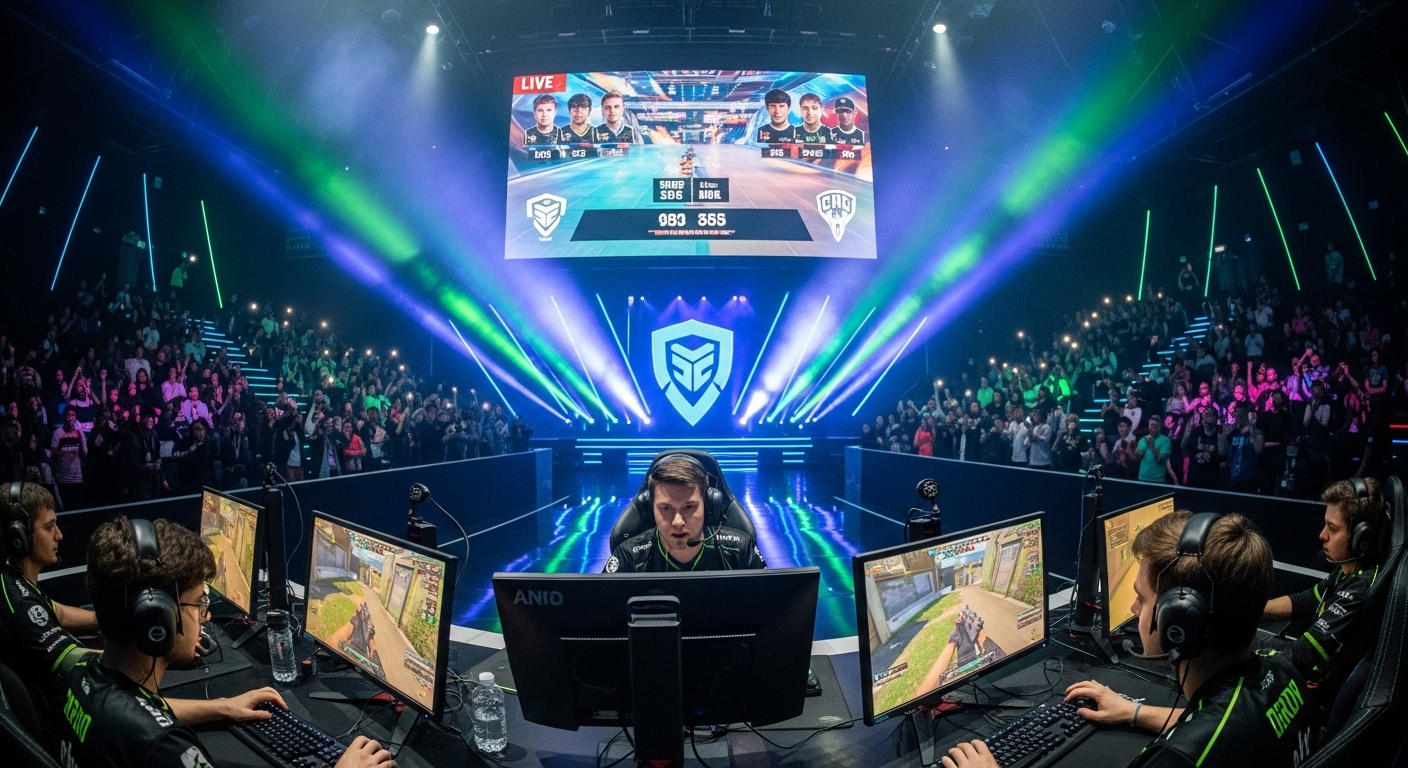
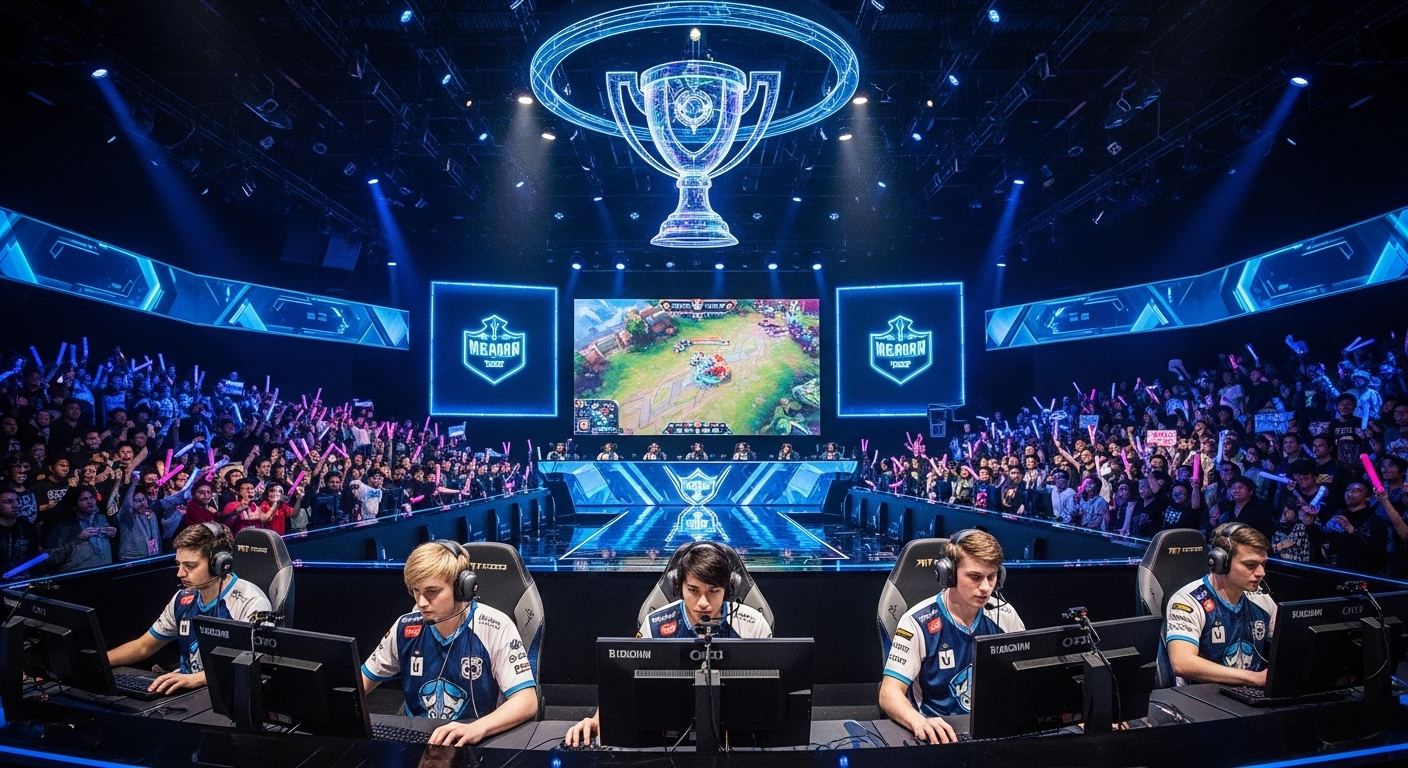
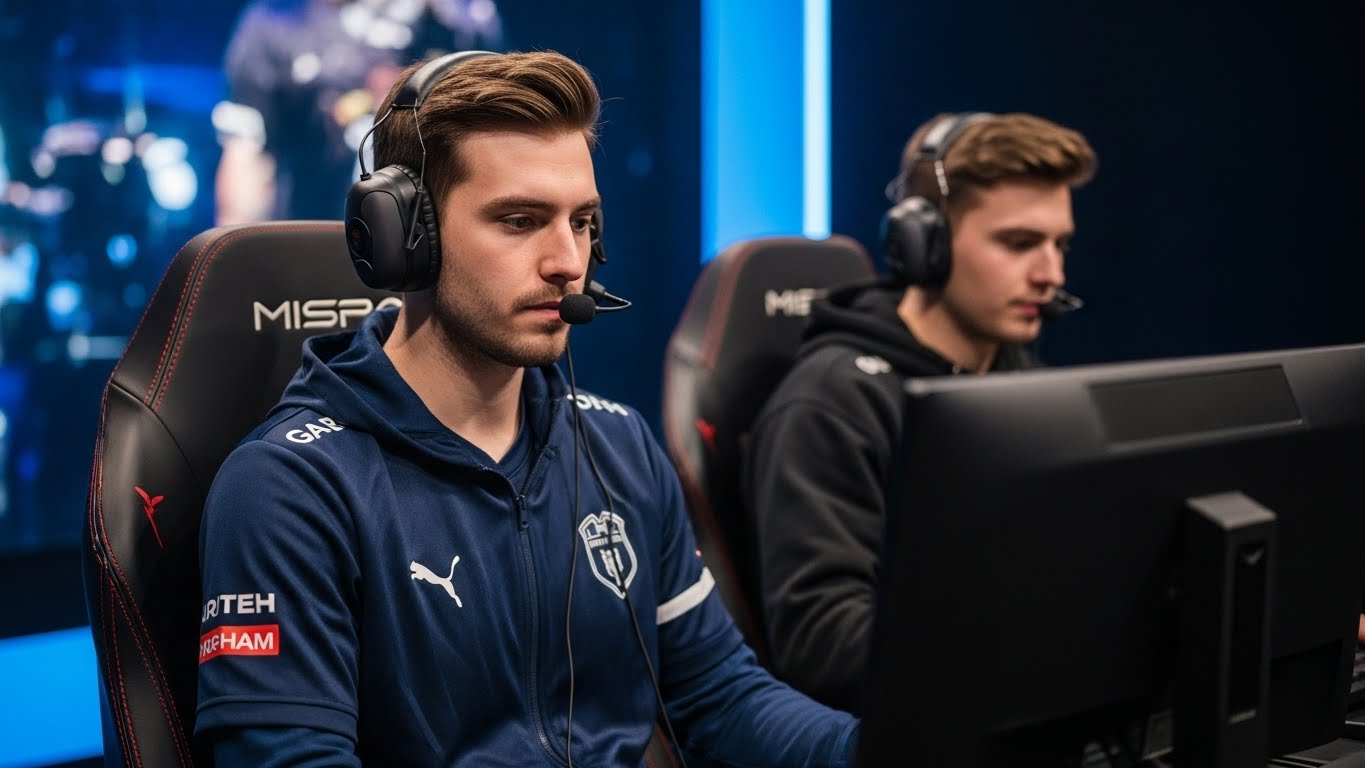
Esports, or competitive video gaming, has evolved from a niche hobby into a multi-billion-dollar industry. In the span of just two decades, it has transitioned from basement LAN parties to globally televised events with massive viewership and sponsorship deals. Esports isn’t just about playing games anymore; it’s about performance, strategy, and an entire ecosystem of players, teams, coaches, broadcasters, and fans. Whether you are a casual gamer or a dedicated esports enthusiast, the world of competitive gaming is a fascinating, fast-moving universe that’s changing how we think about sports, entertainment, and even culture.
A Brief History of Esports
Esports, as a concept, has been around for almost as long as video games themselves. The first known video game competition took place in 1972 at Stanford University, where students competed in a game called Spacewar. The winner took home a year’s subscription to Rolling Stone magazine. In the decades that followed, video game competitions remained small-scale, but with the rise of the internet in the late 1990s, multiplayer games and online tournaments began to take shape.
In the early 2000s, titles like Warcraft III and Counter-Strike started to gain traction in the competitive scene, with events like the World Cyber Games (WCG) and Electronic Sports World Cup (ESWC) attracting a global audience. But it wasn’t until the release of League of Legends in 2009 and Dota 2 in 2013 that esports truly exploded. These titles introduced a new level of strategy, depth, and professionalization that would help propel the industry to its current heights.
The Global Appeal of Esports
One of the key factors contributing to the rise of esports is its global accessibility. Unlike traditional sports, where the infrastructure and physical requirements can limit participation, esports only requires a gaming device and internet connection. Players can compete from anywhere in the world, and as internet speeds and global connectivity have improved, so too has the scope of the competitive gaming scene.
Today, esports is a global phenomenon, with major tournaments held in North America, Europe, South Korea, and China, among other regions. The League of Legends World Championship, for instance, regularly attracts millions of viewers from all over the world, and the game has a particularly strong following in East Asia, especially South Korea and China. Similarly, Dota 2’s The International has become one of the largest esports events globally, with prize pools that rival traditional sports like tennis and golf.
Esports as a Career Path
For many, the allure of esports lies in the potential for it to become a professional career. In the past, gaming was often viewed as a hobby, but as esports has grown, so too has the potential for players to make a living through competitive gaming. Esports athletes can earn money through prize winnings, sponsorships, and streaming platforms like Twitch and YouTube, where they broadcast their gameplay to millions of fans.
Professional esports organizations now function similarly to traditional sports teams. They offer contracts to players, provide coaching and training facilities, and support team operations. The largest organizations, such as Team Liquid, Cloud9, and T1, feature high-profile players who compete in multiple games, from League of Legends and Counter-Strike to Valorant and Fortnite. These organizations also have dedicated management teams, marketing departments, and support staff to help grow their brand and expand their reach.
For many young players, esports offers a career opportunity that might have seemed impossible just a few years ago. At the same time, this rise in professionalization has raised important questions about the long-term health of players. Just like in traditional sports, there’s an intense pressure to perform, and with the competitive nature of esports, burnout and physical strain are becoming more prevalent.
The Role of Streaming and Content Creation
The success of esports is intrinsically linked to the world of streaming and content creation. Platforms like Twitch, YouTube Gaming, and Facebook Gaming have become essential tools for gamers looking to build their personal brands. Streamers and content creators not only play games but also engage with their audiences, stream daily content, and provide insight into their lives.
Esports tournaments, which were once viewed as niche events, now attract large, dedicated audiences through these streaming platforms. These platforms give fans a chance to engage with their favorite players and teams in real-time, while also enabling newcomers to discover the competitive gaming scene at their own pace. For many players, streaming has become a side job or a supplementary income stream in addition to tournament earnings. This creates a rich ecosystem where competitive gaming is not just about winning prizes but also about building a fanbase and creating engaging content.
Twitch, in particular, has become a central hub for the esports community. It allows fans to watch not only the major events but also practice sessions, behind-the-scenes footage, and even casual gaming streams. The interactive nature of Twitch, where fans can chat and interact with streamers, has created a unique relationship between players and their audience that’s not often seen in traditional sports.
Esports and Traditional Sports: A Convergence
As esports has grown, the line between traditional sports and esports has become increasingly blurred. The similarities between the two are undeniable. Both involve intense competition, teamwork, strategy, and individual skill. Just as athletes in traditional sports need to maintain peak physical condition, esports athletes require sharp reflexes, mental endurance, and constant practice.
Moreover, traditional sports organizations and celebrities have started to invest in esports. The NBA, for instance, has launched the NBA 2K League, a professional esports league based on the NBA 2K video game series. Similarly, teams like the Dallas Cowboys and Paris Saint-Germain have also ventured into esports, signing players and creating content that bridges the gap between gaming and traditional sports fandom.
Esports is also attracting the attention of big-name sponsors, with companies like Coca-Cola, Mercedes-Benz, and Intel becoming major backers of esports events and teams. These partnerships have helped validate esports as a legitimate industry, and they are helping to ensure its continued growth.
The Esports Community and Culture
Esports is more than just a competition; it’s a culture. The esports community is a vibrant, passionate group of people who live and breathe gaming. Fans often connect online through forums, Discord servers, and social media platforms. They discuss strategies, celebrate victories, and mourn defeats together. The sense of camaraderie and shared excitement is part of what makes esports so special.
This culture is not just limited to the players and fans. Esports also has its own unique language, with terms like “meta,” “jungler,” and “frag” becoming part of the lexicon of gamers. Events like DreamHack and BlizzCon have become cultural touchstones where fans and players can interact in person, celebrate their favorite games, and immerse themselves in the world of esports.
Esports is also pushing the boundaries of inclusivity and diversity. Historically, gaming has had a reputation for being male-dominated, but the esports industry is slowly becoming more inclusive. Women in esports have increasingly gained visibility as players, commentators, and organizers, and organizations are actively working to promote diversity and equality within the community.
The Future of Esports
As esports continues to grow, its future is full of exciting possibilities. The industry is poised to expand even further, with potential for new games, new audiences, and even greater integration with traditional sports. In the next decade, esports may become as mainstream as the NFL, NBA, or soccer leagues, attracting millions of fans and participants from every corner of the globe.
The advent of virtual reality (VR) and augmented reality (AR) technologies also promises to revolutionize the esports experience. VR gaming could lead to fully immersive, competitive environments where players are physically involved in the game world. Similarly, advancements in AI and machine learning may bring new levels of strategic complexity to games, enabling players to compete in entirely new ways.
Moreover, esports is not just limited to computer-based games. Mobile gaming, with titles like PUBG Mobile and Arena of Valor, is growing at a rapid pace and is attracting large audiences, particularly in Asia. The rise of mobile esports is opening up new avenues for gamers who may not have access to high-end PCs or consoles.
Conclusion
Esports is no longer just a hobby; it’s a global, multi-billion-dollar industry that is reshaping the way we think about gaming and competition. The growth of professional esports organizations, the influence of streaming platforms, the crossover with traditional sports, and the sense of community all contribute to a thriving and dynamic ecosystem. As the industry continues to grow and evolve, it will be fascinating to see how esports influences the world of sports, entertainment, and culture in the years to come. Whether you’re a player, a fan, or someone just beginning to explore the world of competitive gaming, there has never been a better time to be involved in esports.