Sports have always been more than just a game. From ancient civilizations to the modern era, they have played a vital role in human development, culture, and society. Sports teach discipline, teamwork, resilience, and perseverance while also providing entertainment and fostering community. Today, sports have grown into a global industry, influencing education, media, economy, and even technology. This blog explores the evolution of sports, their social and cultural significance, physical and mental benefits, technological integration, and the future of this dynamic field.
The Evolution of Sports
Sports have existed since the earliest civilizations. Ancient societies like Greece, Egypt, and China engaged in physical competitions for recreation, spiritual rituals, and military training. The Olympic Games, originating in ancient Greece, exemplify the long-standing cultural importance of organized sports. Over centuries, sports evolved into structured competitions with codified rules. The 19th and 20th centuries witnessed the rise of professional leagues and international tournaments, transforming sports from local pastimes into a global phenomenon. Today, sports encompass a wide range of activities, from traditional games like soccer and basketball to modern innovations such as esports and extreme sports.
Sports as a Cultural Phenomenon
Sports are deeply embedded in culture and society. They reflect shared values, national pride, and communal identity. Iconic moments in sports history, such as championship victories or record-breaking performances, become cultural milestones. These moments inspire art, music, literature, and even fashion trends. Sports also serve as a platform for social commentary, addressing issues like equality, mental health, and human rights. By bringing people together across age, gender, and cultural boundaries, sports foster a sense of unity and shared experience that transcends language and geography.
The Psychological Benefits of Sports
Participation in sports provides numerous psychological benefits. Engaging in athletic activities develops resilience, focus, discipline, and goal-setting skills. Athletes learn to manage stress, cope with failure, and maintain motivation under pressure. For spectators, sports offer excitement, inspiration, and emotional release. Following a favorite team or athlete creates a sense of belonging and community. Regular involvement in sports, whether through participation or fandom, contributes to improved mental health, reduced anxiety, and enhanced overall well-being.
Physical Health and Sports
The physical benefits of sports are widely recognized. Regular activity improves cardiovascular health, strengthens muscles and bones, enhances flexibility, and supports weight management. Sports also reduce the risk of chronic diseases such as diabetes, hypertension, and obesity. Beyond physical health, participation encourages healthy lifestyle habits and boosts energy levels. Team sports additionally promote coordination, balance, and agility. Engaging in sports from an early age establishes lifelong patterns of fitness, contributing to overall quality of life and longevity.
Sports and Education
Sports play an essential role in education. Schools and universities incorporate athletic programs to foster physical development, teamwork, and leadership skills. Student-athletes learn time management, discipline, and the value of hard work, balancing academic responsibilities with training and competition. Educational sports programs also provide opportunities for scholarships and career pathways in athletics. Beyond traditional benefits, sports enhance social skills, self-confidence, and the ability to work collaboratively—skills that are transferable to professional and personal life.
Professional Sports and Career Opportunities
Professional sports have become a multi-billion-dollar industry, offering diverse career opportunities. Athletes pursue careers at the highest competitive levels, supported by coaches, managers, analysts, and medical staff. Revenue streams in professional sports include broadcasting rights, sponsorships, ticket sales, merchandise, and digital content. Beyond athletes, opportunities exist in marketing, journalism, event management, sports medicine, and fitness training. Professional sports not only entertain but also drive economic growth, create jobs, and inspire young talent to pursue careers in athletics.
Technology in Sports
Technology has revolutionized the world of sports. Performance tracking devices, wearable sensors, and advanced analytics allow athletes to optimize training and prevent injuries. Video replay and instant review systems ensure fair play and accurate officiating. Broadcasting innovations, such as high-definition streaming and virtual reality, enhance fan engagement and create immersive viewing experiences. Social media platforms provide direct interaction between athletes and audiences, amplifying visibility and influence. Technology continues to shape sports, making them more competitive, accessible, and entertaining.
Women in Sports
The role of women in sports has grown tremendously over the last century. Female athletes now compete at the highest levels across disciplines, challenging stereotypes and promoting gender equality. Women’s sports leagues, tournaments, and international competitions have gained prominence, inspiring future generations. Grassroots programs encourage girls to participate from an early age, fostering confidence, empowerment, and leadership skills. The increasing visibility and recognition of women in sports contribute to social change, demonstrating the importance of inclusivity and equal opportunity in athletics.
Sports and Community Engagement
Sports have a unique ability to strengthen communities. Local teams, recreational leagues, and community events bring people together, fostering social cohesion and teamwork. Sports provide constructive outlets for youth, encourage volunteerism, and promote civic pride. Events like marathons, charity matches, and local tournaments create shared experiences that enhance cultural and social bonds. Community engagement through sports also supports mental health, reduces social isolation, and builds a sense of belonging for individuals of all ages.
Esports: The Modern Frontier
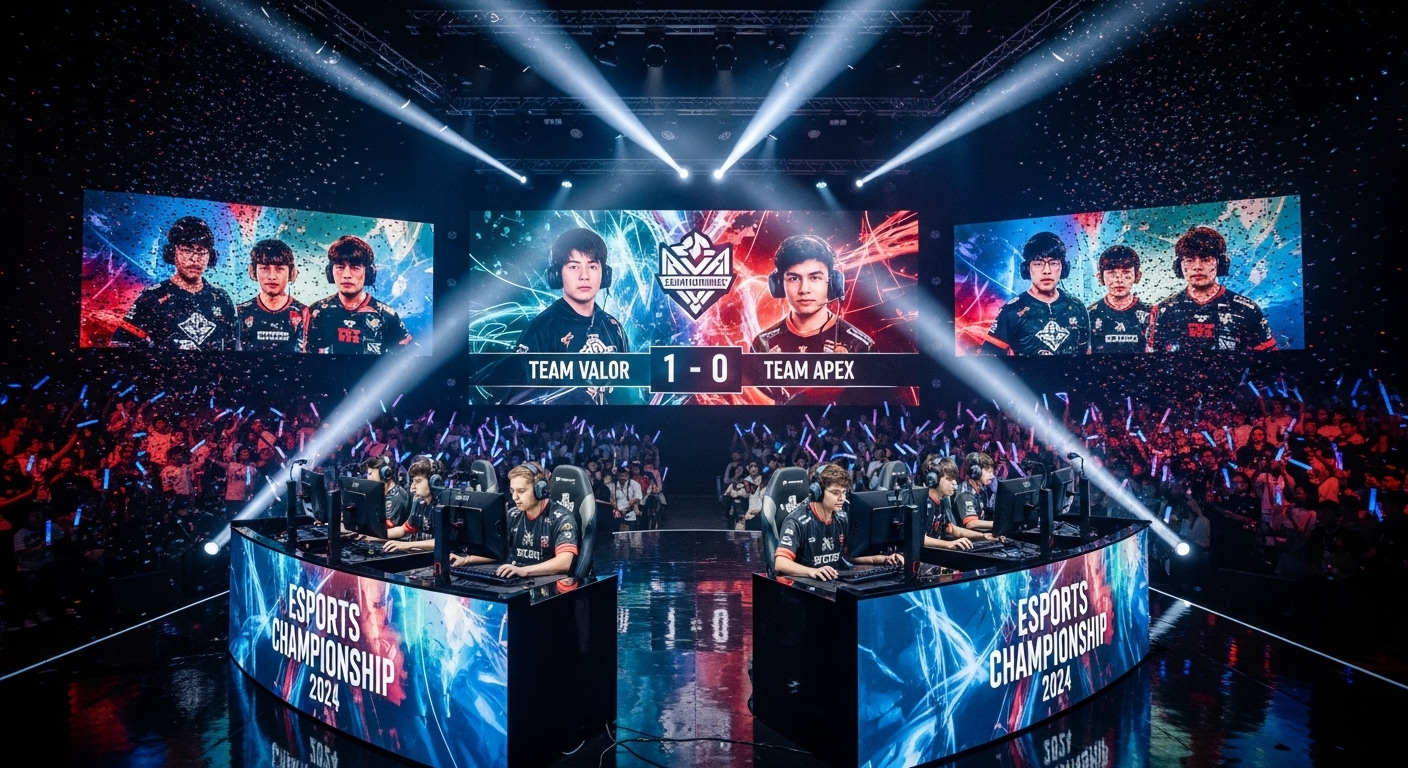
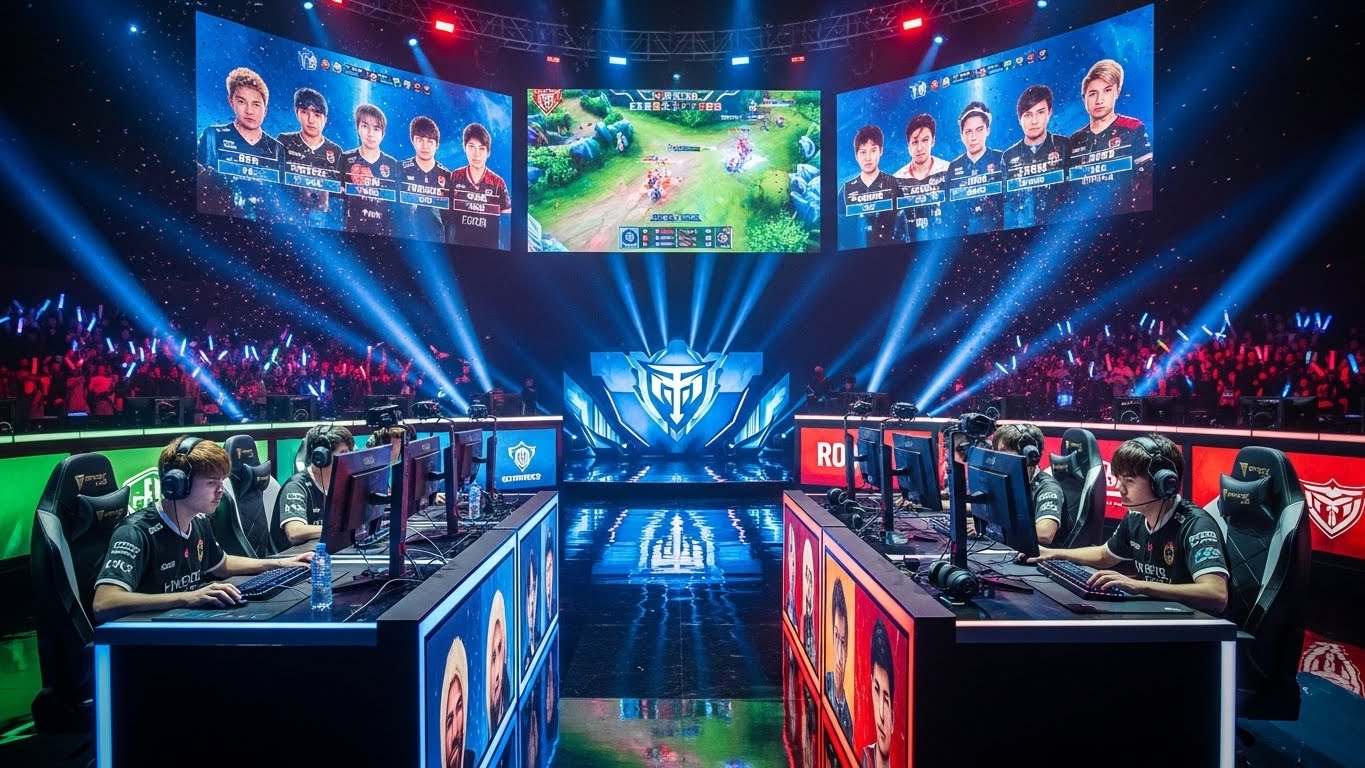
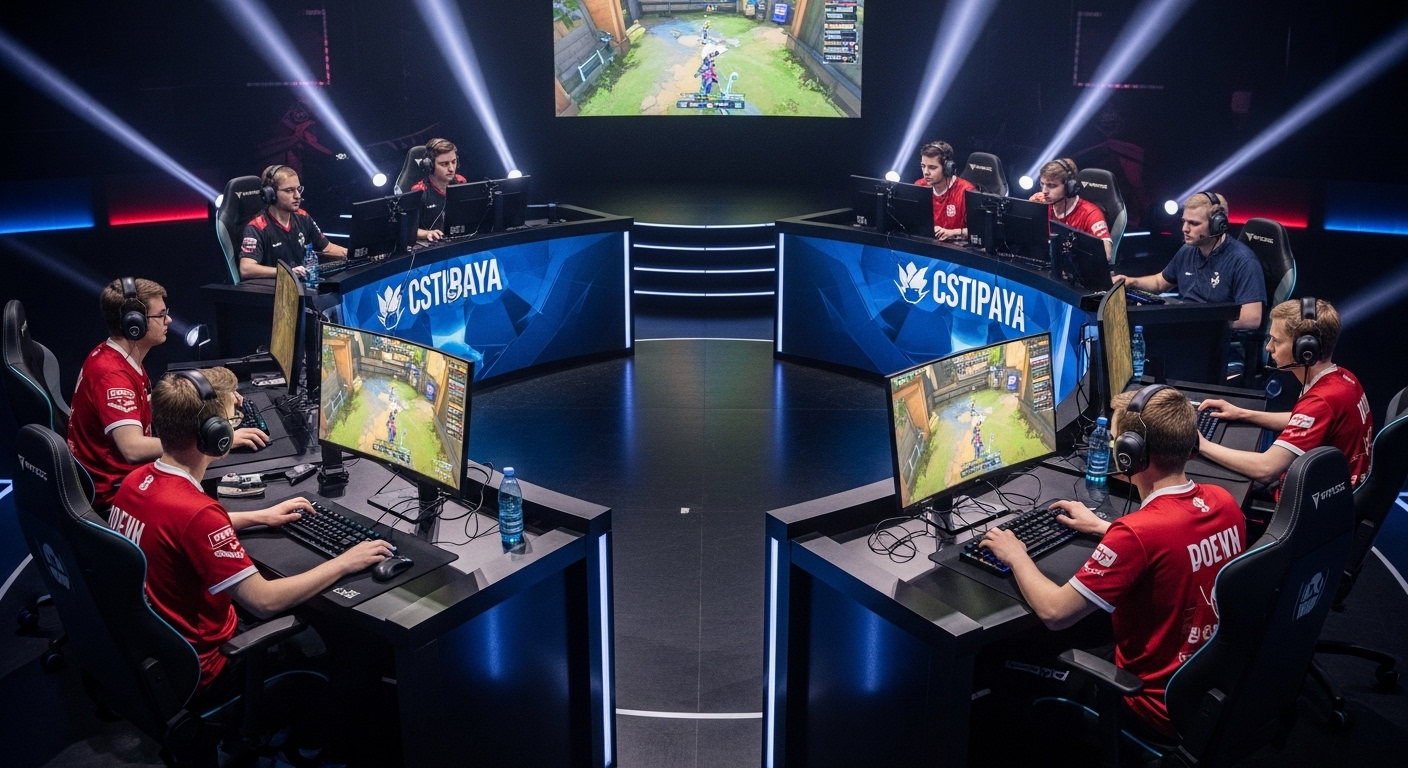
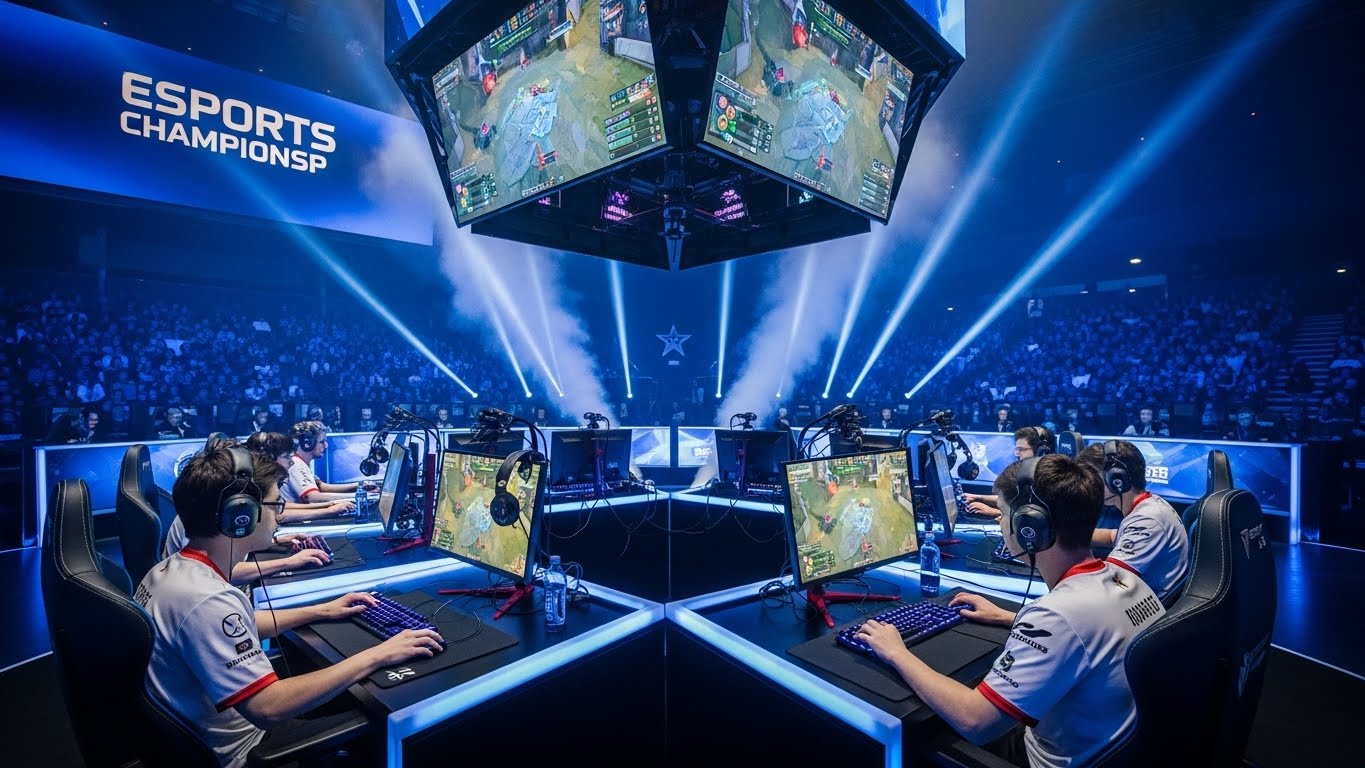
The rise of esports demonstrates the evolving nature of sports in the digital age. Competitive gaming attracts millions of players and spectators worldwide, creating professional opportunities and global fan communities. Esports emphasizes strategy, skill, teamwork, and mental endurance, similar to traditional sports. With streaming platforms and international tournaments, esports has become a legitimate form of entertainment, bridging the gap between technology, sports, and social interaction. Its growth reflects the adaptability and innovation of the sports industry in embracing new forms of competition.
Sports and Mental Toughness
Mental toughness is a key aspect of sports performance. Athletes develop the ability to stay focused, manage pressure, and maintain confidence in high-stakes situations. Visualization, mindfulness, and goal-setting are techniques commonly used to enhance mental resilience. Coaches play an essential role in cultivating this mindset, guiding athletes through challenges and fostering determination. Mental toughness in sports not only contributes to success on the field but also strengthens personal character, decision-making, and problem-solving abilities in daily life.
The Business of Sports
Sports have evolved into a significant economic driver. Professional leagues, merchandising, broadcasting rights, and sponsorships generate substantial revenue. Major events such as the Olympics, FIFA World Cup, and Super Bowl stimulate tourism, infrastructure development, and global marketing opportunities. The commercialization of sports has expanded career opportunities for athletes and non-athletes alike, while creating a vast ecosystem of jobs in media, marketing, fitness, and sports management. The business side of sports underscores its global importance beyond entertainment, highlighting its contribution to economies worldwide.
Challenges in the Sports Industry
Despite its growth, the sports industry faces challenges. Issues such as doping, corruption, and unethical practices threaten integrity. Athlete burnout, mental health struggles, and physical injuries are ongoing concerns. Inequality in funding and opportunities, particularly for women and marginalized groups, remains a challenge. Environmental concerns related to large sporting events and stadium construction also require attention. Addressing these challenges involves regulatory oversight, ethical practices, inclusivity initiatives, and sustainable planning to ensure sports remain safe, fair, and enjoyable for everyone.
The Future of Sports
The future of sports promises innovation, inclusivity, and global connectivity. Advances in technology will enhance athlete performance, fan engagement, and viewing experiences. Emerging sports and hybrid competitions, such as virtual racing and augmented reality games, are expanding the definition of athletic competition. The focus on health, safety, and inclusivity will continue to shape policies and practices. Sports will remain a vital part of culture and society, evolving to meet the needs of a dynamic world while continuing to inspire, entertain, and unite people across the globe.
Conclusion
Sports are far more than games—they are a reflection of human potential, resilience, and social cohesion. They shape culture, teach valuable life skills, foster health and well-being, and connect communities globally. From grassroots activities to professional leagues, sports influence every aspect of society, driving innovation, economy, and entertainment. As technology advances, inclusivity expands, and global connectivity grows, sports will continue to evolve, inspiring generations to embrace competition, teamwork, and personal growth.
Whether through traditional athletic pursuits, digital esports, or community-based recreational programs, sports remain an essential force in human life, nurturing minds, bodies, and societies. They celebrate achievement, encourage perseverance, and remind us of the power of collaboration, resilience, and shared passion.