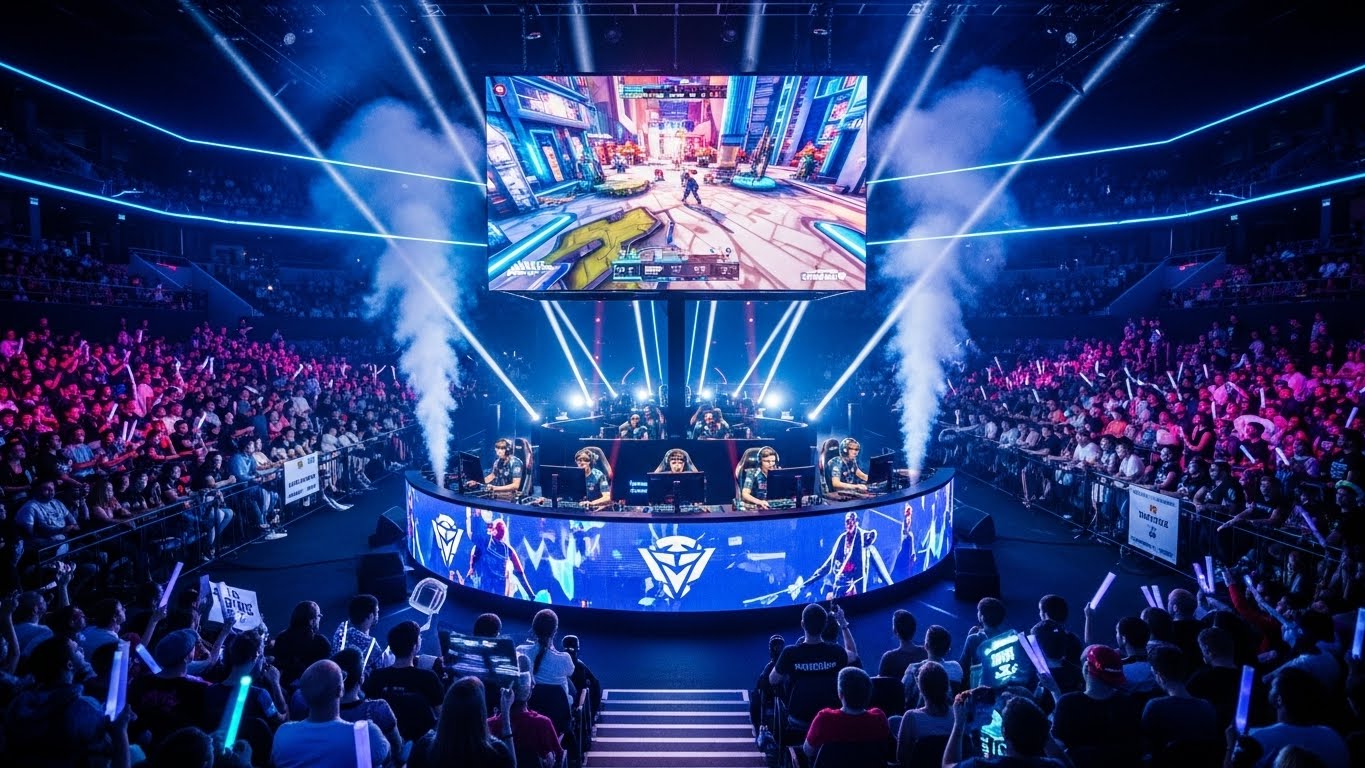
Esports has swiftly evolved from a niche hobby to a multi-billion-dollar industry. The meteoric rise of competitive video gaming has transformed it into a global phenomenon, attracting millions of fans, players, and sponsors alike. Whether you’re a hardcore gamer or just someone curious about the growing world of esports, understanding its history, impact, and future prospects is essential. In this blog post, we will dive into the fascinating world of esports, its development, and what the future holds for this dynamic industry.
What is Esports?
Esports, short for electronic sports, is a form of competition where players, typically in teams, compete against each other in video games. The games played in esports range from strategy-based games like League of Legends to first-person shooters like Call of Duty and Counter-Strike. These competitions are organized at a professional level with lucrative prize pools, sponsorships, and a growing fanbase. Esports is not just about playing games; it’s a full-blown entertainment industry with broadcasting, sponsorships, merchandising, and a rapidly expanding global audience.
The Evolution of Esports
From Arcade Games to Global Tournaments
Esports’ journey began with the early arcade games of the 1970s and 1980s. While competitive gaming has existed in some form for decades, it was the rise of personal computers and online gaming in the late 1990s that laid the groundwork for esports as we know it today.
The first major esports event was the 1997 Red Annihilation tournament for Quake, where professional players competed for a Ferrari as the grand prize. From there, the growth of games like StarCraft, Warcraft III, and Counter-Strike created the foundation for esports leagues and events to flourish.
In the early 2000s, Korea became a hub for esports, particularly with the rise of StarCraft. The South Korean government and telecom companies invested heavily in internet infrastructure, allowing high-speed online gaming to become a mainstream pastime. The Korean Pro Gaming League (KeSPA) helped to formalize competitive gaming, and players began gaining celebrity status. This laid the groundwork for esports to transcend from a hobby to a professional pursuit.
The Role of Streaming Platforms
The rise of streaming platforms such as Twitch and YouTube has been pivotal in the evolution of esports. In 2011, Twitch was launched as a live-streaming platform dedicated to gaming content. This allowed gamers to broadcast their gameplay to a global audience in real-time. Twitch not only made it possible for fans to watch esports events live, but it also helped build a vibrant community of streamers, casters, and commentators.
The partnership between esports and streaming services helped popularize esports, allowing fans to engage with their favorite players and teams in ways previously unimaginable. As of 2025, millions of people tune in to watch live esports events on platforms like Twitch, YouTube Gaming, and Facebook Gaming, further establishing esports as a significant form of entertainment.
The Impact of Esports on the Global Entertainment Industry
Esports has become a massive player in the entertainment industry, creating a new avenue for fans and players to engage with their favorite games. But its impact goes beyond just gaming. The industry’s growth has sparked partnerships with major global brands, media companies, and sports organizations. Here are a few of the ways esports is making its mark:
1. Esports and Sponsorships
One of the driving forces behind the massive growth of esports is the influx of sponsorships from major brands. Companies such as Coca-Cola, Intel, Red Bull, and Nike have recognized the potential of esports to reach a younger, tech-savvy audience and have jumped on board as sponsors for various tournaments and teams.
Esports sponsorships go beyond just promoting products; they create deep integrations into the gaming experience itself. Players wear branded jerseys, streamers advertise products in real-time, and in-game advertisements can be seen during major events. The amount of money invested into esports sponsorships has skyrocketed over the years, with reports estimating that esports sponsorships will surpass $1.5 billion by 2027.
2. Media and Broadcasting
The popularity of esports has caught the attention of traditional media companies, with broadcasting deals becoming more common. Networks like ESPN, TBS, and BBC have begun to air esports events, recognizing their ability to draw in large audiences, particularly among younger demographics. In 2018, the Overwatch League signed a deal with Disney and ESPN to air matches, marking a significant moment in the legitimization of esports in mainstream media.
This increased media presence has helped raise the profile of esports, making it a legitimate alternative to traditional sports for fans looking for engaging live entertainment.
3. Merchandising and Licensing
Esports teams and players are not just creating competitive content; they are also building massive fanbases that are eager to support them financially. Merchandise, including team jerseys, hats, and posters, has become a significant revenue stream for esports organizations. These teams have built loyal followings, and fans often see their favorite players as celebrities.
Additionally, licensing deals with video game developers allow esports organizations to create in-game items and skins that feature their team logos. These items are sold to fans, further increasing the revenue generated by esports teams and game publishers alike.
Esports as a Career Path
Esports has created a new professional landscape for gamers. It’s no longer just about playing for fun—today, players can make a career out of competing professionally, streaming on platforms, or even coaching and managing teams.
Professional Players
The rise of esports tournaments has turned many players into full-time professionals. Some of the highest-paid esports athletes earn millions of dollars in prize money, sponsorships, and streaming income. Games like Dota 2 and League of Legends have created massive international tournaments with prize pools that can reach tens of millions of dollars. As esports continues to grow, the opportunities for professional gamers to earn a living from their craft have expanded significantly.
Coaches and Analysts
Esports is not just about individual players; it requires teamwork, strategy, and meticulous planning. This has created a demand for coaches and analysts who help teams improve their game, strategize for upcoming tournaments, and analyze their opponents. Much like traditional sports, esports teams now employ coaching staff, analysts, and even psychologists to maximize performance and mental wellbeing.
Streaming and Content Creation
Not all esports professionals are players. Streamers, casters, and content creators play a pivotal role in the esports ecosystem. These individuals create content, commentate on games, and build communities around specific games or players. Many esports professionals supplement their incomes by streaming on platforms like Twitch and YouTube. Content creators can earn money through ad revenue, donations, and sponsorships, and some go on to build their own brands or companies.
The Future of Esports
The Growth of Mobile Esports
One of the most significant developments in the esports world in recent years is the rise of mobile gaming. Games like PUBG Mobile, Free Fire, and Mobile Legends have exploded in popularity, particularly in regions like Southeast Asia and India. As mobile gaming technology continues to improve, we can expect mobile esports to become a more integral part of the global esports ecosystem.
Virtual Reality (VR) and Augmented Reality (AR) Esports
The integration of virtual reality (VR) and augmented reality (AR) into esports could revolutionize the competitive gaming landscape. These technologies could allow for fully immersive experiences, offering players and fans alike a new level of interaction. As VR and AR technologies continue to evolve, esports could shift from traditional gameplay to a more immersive, physically interactive experience.
Collegiate Esports and Education
Esports is beginning to be recognized in the educational sphere as well. Universities and colleges around the world are offering esports scholarships and developing competitive teams. This trend is expected to grow, with more institutions creating dedicated esports programs and offering degrees related to esports management, game development, and broadcasting.
Esports as an Olympic Sport
The idea of including esports in the Olympic Games has been a hot topic for years. As esports continues to gain legitimacy, the possibility of esports being included in the Olympics grows more plausible. In 2021, the International Olympic Committee (IOC) began exploring the potential for esports to be incorporated into the Olympic framework. Although this is still in the early stages, it’s a testament to how far esports has come and the growing recognition it is receiving as a legitimate sport.
Conclusion
Esports has undoubtedly transformed the gaming world, evolving from a niche hobby to a global phenomenon that rivals traditional sports in both scale and impact. From its humble beginnings to its current status as a multi-billion-dollar industry, esports continues to grow in popularity, with its influence only expected to expand in the years to come. With the increasing integration of technology, mobile gaming, and educational opportunities, the future of esports looks brighter than ever. Whether you’re a player, a fan, or someone curious about the scene, esports is here to stay, and it’s only going to get bigger.