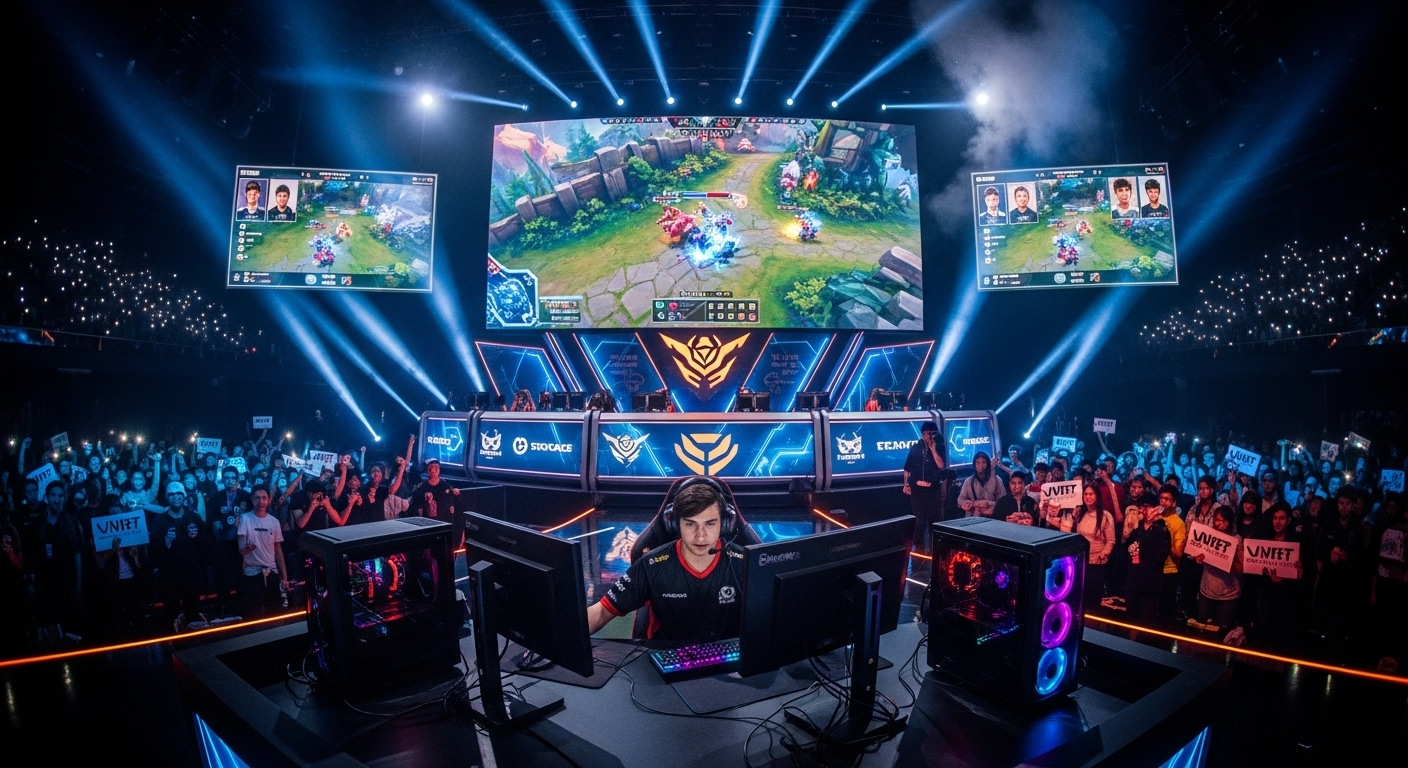
Introduction: The Rise of Esports
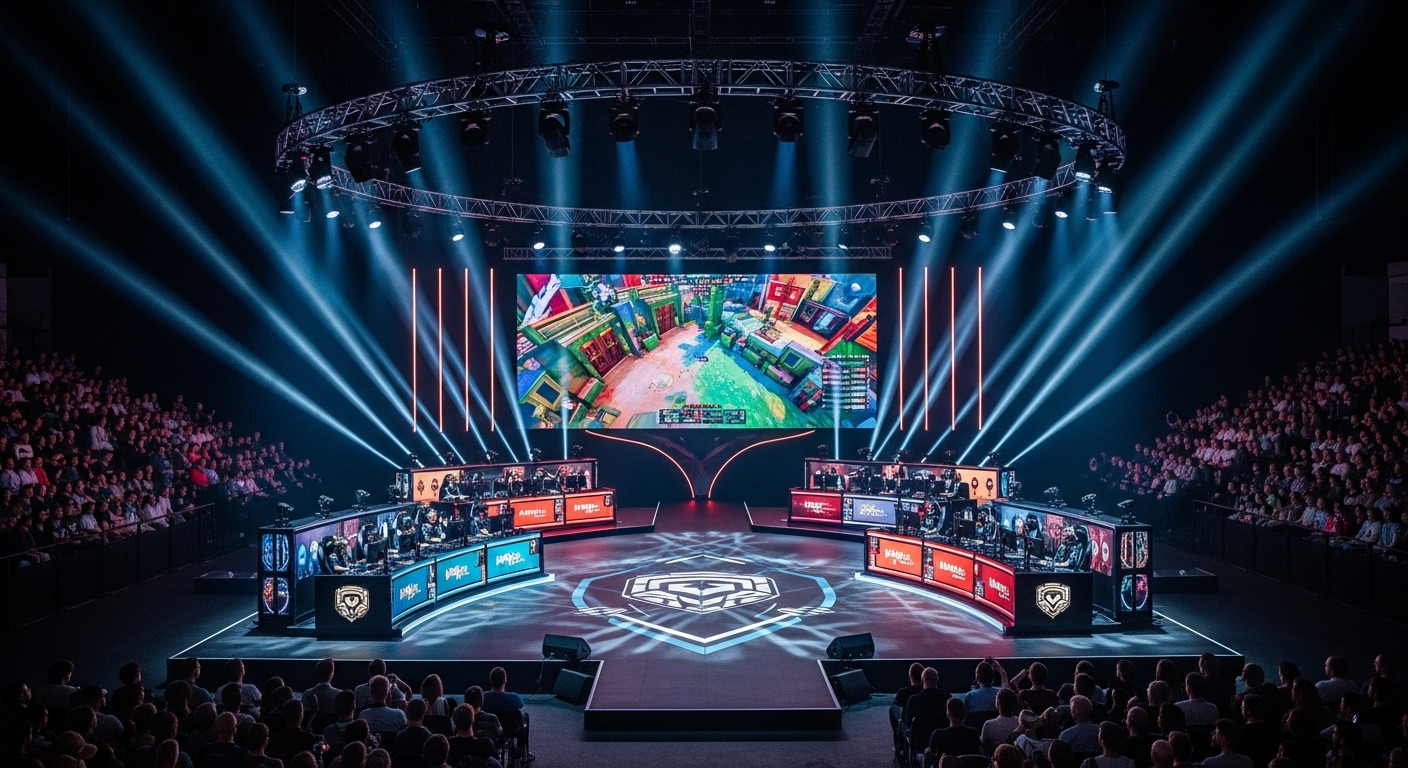
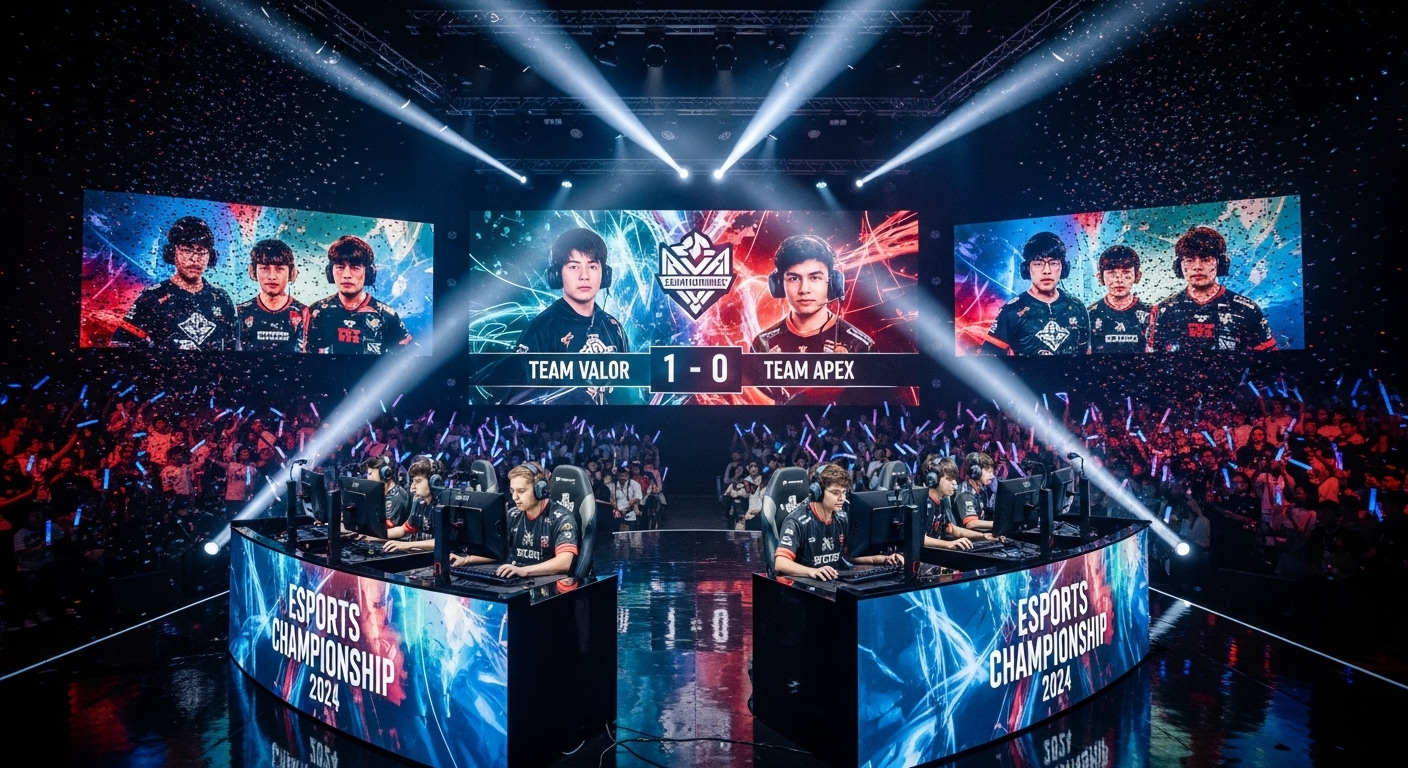
Esports, or electronic sports, has come a long way from its early days as a niche hobby for dedicated gamers. Today, it is a global entertainment industry that commands millions of viewers, generates billions of dollars in revenue, and has transformed the way people view competitive gaming. What was once seen as a pastime for enthusiasts has become a major player in the broader sports and entertainment industry. Esports now rivals traditional sports in terms of audience size, sponsorships, and prize pools.
In this post, we’ll take an in-depth look at the phenomenon of esports, its evolution, the most popular games, the economics behind the industry, and the profound impact it has had on both the gaming community and society at large.
The Early Days of Esports
Esports, as a concept, has existed for much longer than many people realize. The roots of competitive gaming can be traced back to the 1970s, when arcade games first became popular. The Space Invaders Championship in 1980 is often credited as one of the first large-scale gaming competitions. However, the modern era of esports began in the late 1990s, with the advent of online multiplayer games.
The Birth of Competitive Online Gaming
The 1990s were a pivotal time in the evolution of esports. Games like Doom and Quake allowed players to connect over local area networks (LANs) and compete against one another in real-time. These games set the stage for the first major online gaming tournaments. The Red Annihilation tournament in 1997, where players competed in Quake, is considered one of the first landmark esports events.
However, it wasn’t until the early 2000s that the esports scene truly began to take shape, thanks to the rise of StarCraft, a real-time strategy game that became a cultural phenomenon in South Korea. In 2000, the Korean government recognized the potential of esports as a legitimate sport and began investing in infrastructure to support it. This led to the creation of professional leagues and the rise of dedicated esports broadcasters, making South Korea the epicenter of competitive gaming.
The Rise of Esports Globally
By the mid-2000s, competitive gaming had become a global phenomenon. The internet enabled players from different corners of the world to compete against one another, and professional esports leagues began to form in countries outside of South Korea. The success of StarCraft in the South Korean market was mirrored by the rise of Counter-Strike, Warcraft III, and League of Legends in the Western market.
Esports and Streaming
In the late 2000s, streaming platforms such as Twitch revolutionized how people consumed esports content. What was once a niche market for hardcore fans became accessible to a global audience. Esports athletes, or professional gamers, could now broadcast their gameplay live, interact with fans, and even earn revenue through subscriptions, donations, and sponsorships.
Streaming platforms like Twitch quickly became central hubs for the esports ecosystem. Major tournaments such as The International for Dota 2 and League of Legends Worlds began to be streamed live, attracting millions of viewers from across the globe. This, in turn, led to increased sponsorship deals, higher prize pools, and the rise of esports as a serious professional industry.
Popular Esports Titles and Genres
Esports covers a wide variety of game genres, each with its own unique appeal, mechanics, and competitive structure. The two most prominent genres in esports are MOBAs (Multiplayer Online Battle Arenas) and FPS (First-Person Shooters). These genres have not only dominated the esports scene but have also attracted millions of dedicated fans and players.
MOBAs: The Strategic Titans of Esports
MOBAs have long been the dominant genre in esports. Games like League of Legends (LoL), Dota 2, and Smite emphasize teamwork, strategy, and individual skill. In a typical MOBA, two teams of players compete to destroy each other’s base while defending their own. The games feature a roster of unique characters, each with specific abilities, and require players to work together to execute complex strategies.
Among the most popular games in the genre is League of Legends, which boasts some of the largest esports tournaments in the world, including the annual League of Legends World Championship. With prize pools reaching tens of millions of dollars, LoL has attracted top-tier players, fans, and sponsors. Dota 2, developed by Valve Corporation, also hosts the International tournament, which, over the years, has set records for the largest prize pools in esports history, sometimes reaching over $40 million.
FPS: Fast-Paced Action and Reflexes
First-Person Shooter (FPS) games are another cornerstone of the esports world. These games focus on fast-paced, action-heavy gameplay, where players battle in intense, skill-based combat scenarios. The most notable FPS games in esports include Counter-Strike: Global Offensive (CS: GO), Overwatch, and Call of Duty. These games are known for their highly competitive nature, requiring precision, quick reflexes, and teamwork.
CS: GO, for example, has been a mainstay in esports since its release in 2012. Its global tournaments, such as those organized by ESL and DreamHack, draw millions of viewers each year. Meanwhile, Overwatch, developed by Blizzard Entertainment, introduced the concept of a city-based league (the Overwatch League) where franchises compete year-round for supremacy in a structured, professional format.
Battle Royale: The New Frontier of Esports
Over the last decade, the Battle Royale genre has exploded in popularity. Games like Fortnite, PUBG, and Apex Legends have captured the attention of millions with their unique take on survival gaming. In a Battle Royale, players drop into an expansive map and fight to be the last person (or team) standing, with the map shrinking over time to force players into close-quarters combat.
Fortnite, in particular, became a massive success thanks to its free-to-play model and unique building mechanics. The game’s accessibility, combined with its vibrant graphics and frequent updates, helped it dominate the gaming world, with esports tournaments offering huge cash prizes and attracting millions of viewers. PUBG, on the other hand, helped establish the Battle Royale genre in the competitive gaming space and remains a popular choice for both casual and professional players.
The Business of Esports
Esports is no longer just about players and fans—it’s a multi-billion-dollar industry with a complex ecosystem. The business side of esports involves sponsorships, media rights, broadcasting deals, and merchandise sales, among other revenue streams.
Sponsorships and Partnerships
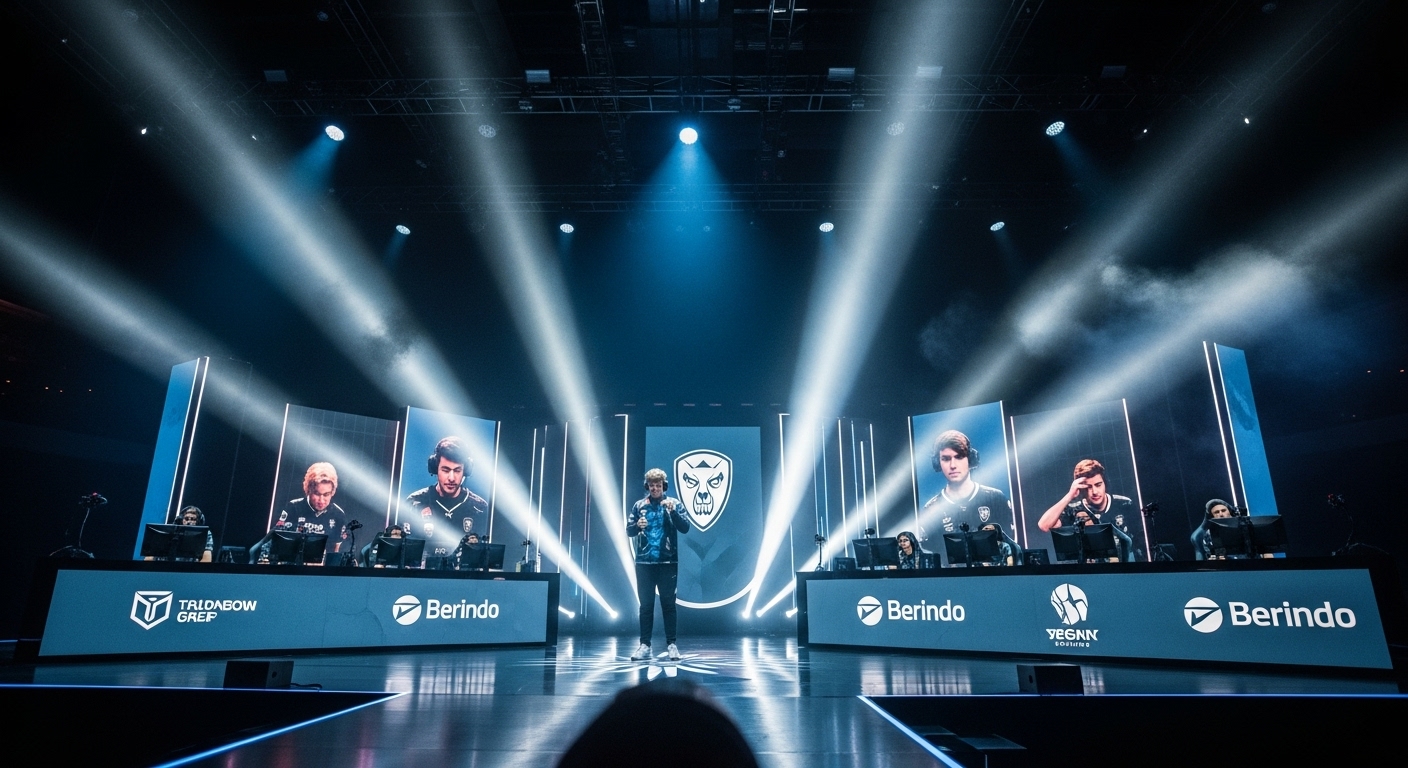
Sponsorships are the primary source of revenue for many esports organizations and events. Brands like Coca-Cola, Intel, Nike, and Red Bull have invested heavily in esports, recognizing the immense value in reaching a young, tech-savvy audience. Esports sponsorships can involve partnerships with teams, individual players, tournaments, or entire leagues.
For instance, Intel is a major sponsor of tournaments like ESL One and DreamHack, while Red Bull has sponsored teams, players, and events, further solidifying its presence in the esports space. These partnerships bring in millions of dollars and help sustain the competitive gaming ecosystem.
Media and Broadcasting Deals
Another lucrative aspect of esports is its media and broadcasting rights. Platforms like Twitch, YouTube Gaming, and Facebook Gaming dominate the esports streaming space, offering sponsorships and advertising opportunities. As esports tournaments become more mainstream, broadcasting deals with traditional media outlets are becoming increasingly common, with networks like ESPN and ABC broadcasting live esports events.
In addition to streaming, esports content also generates significant ad revenue, with major companies keen to advertise their products during high-profile tournaments. These media deals are a vital part of esports’ financial ecosystem, further legitimizing competitive gaming as a major entertainment industry.
Prize Pools and Salaries
Prize money in esports tournaments can be astronomical, with the International for Dota 2 regularly offering prize pools exceeding $40 million. Professional players in games like LoL and CS: GO earn hefty salaries from their teams, in addition to their earnings from tournament victories. Top esports athletes also benefit from sponsorships, streaming deals, and merchandise sales, making esports a viable career for skilled players.
For example, top LoL players can make several hundred thousand dollars per year, not only from tournament prize money but also through endorsements, brand partnerships, and streaming income. These earnings are often supplemented by team contracts, which can offer even more financial stability.
The Cultural Impact of Esports
Esports’ influence extends far beyond the gaming community. As competitive gaming has become more mainstream, it has influenced everything from education to entertainment to social interaction.
Esports and Education
Many universities and colleges now offer esports scholarships to attract top players to their campuses. These scholarships allow students to pursue their passion for gaming while receiving financial support for their education. Schools have also begun to establish dedicated esports programs and competitive teams, fostering a new generation of talent both in-game and in esports management.
In addition, universities are increasingly offering courses and degrees in esports management, game design, and broadcasting, recognizing the growing demand for professionals in the esports industry.