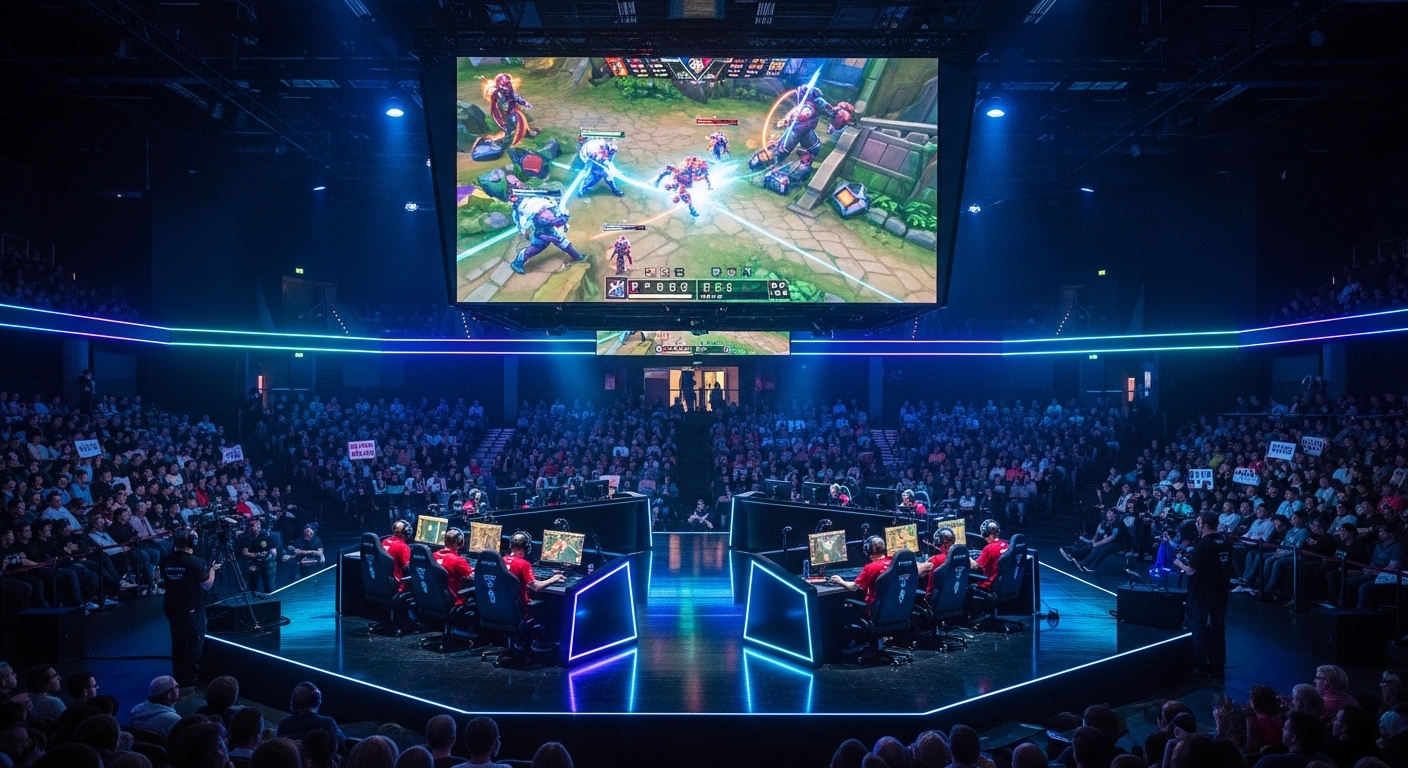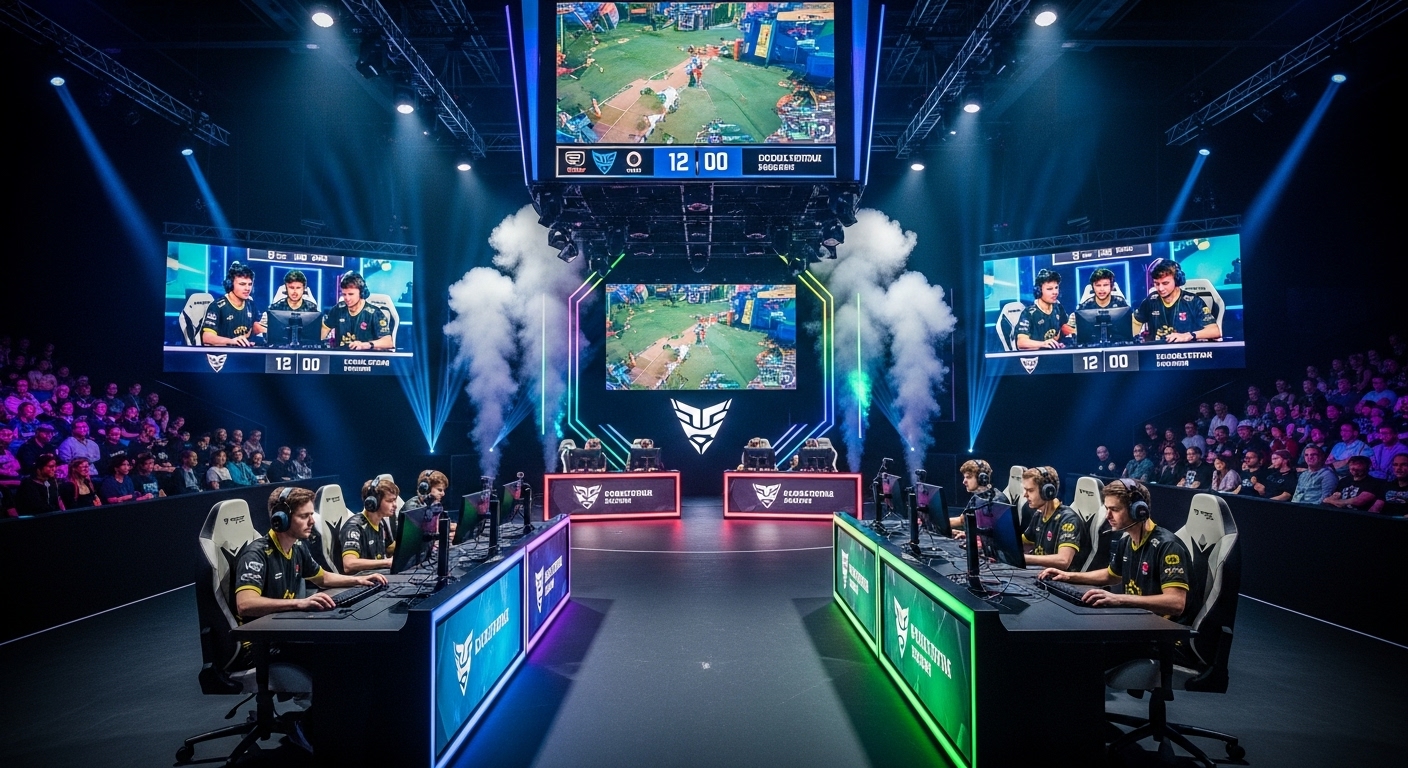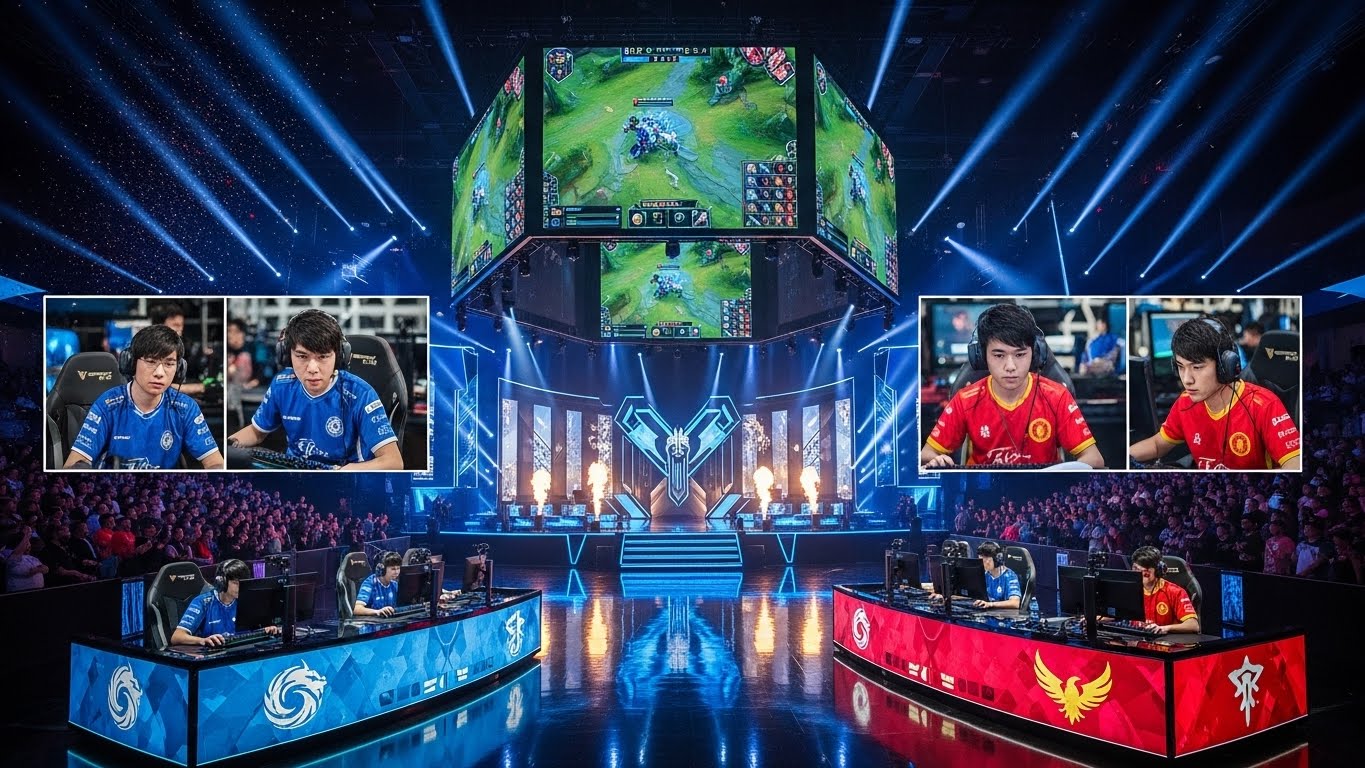
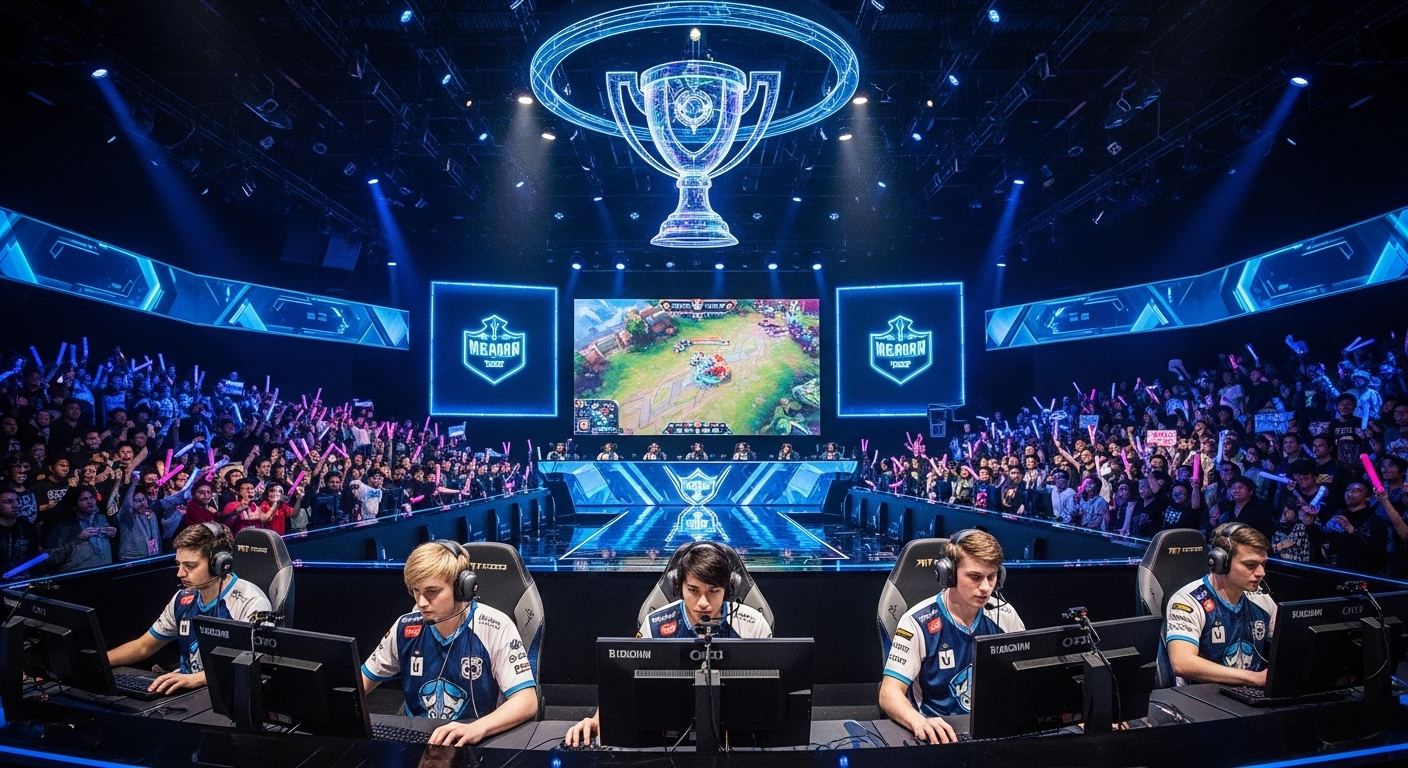
Esports, the competitive realm of video gaming, has grown exponentially over the past two decades, transforming from a niche hobby into a global phenomenon. With millions of players, fans, and spectators worldwide, esports now stands as one of the most exciting and lucrative industries in the world. It has reshaped the landscape of entertainment, offering a unique blend of skill, strategy, and storytelling that appeals to a wide array of people.
In this blog post, we’ll explore the evolution of esports, its impact on traditional sports and entertainment, the key factors behind its meteoric rise, and the future prospects of this dynamic and ever-expanding industry.
The Humble Beginnings of Esports
Esports didn’t appear out of nowhere—it had humble beginnings in the form of LAN (Local Area Network) parties, tournaments held in arcades, and early competitions centered around iconic video games like Space Invaders in the late 1970s and Street Fighter in the 1990s. But the term “esports” as we know it today truly began to take shape during the early 2000s. The rise of online multiplayer games like Warcraft III, StarCraft, and Counter-Strike laid the groundwork for what would become the modern esports ecosystem.
In 1997, the first major esports event, the Red Annihilation tournament, was held, attracting more than 2,000 players competing in Quake. While it may have seemed modest compared to today’s events, it was a pivotal moment in the history of esports, showcasing the potential for competitive gaming to reach a wider audience. By the early 2000s, professional teams and players began emerging, with organizations like SK Gaming and Fnatic forming as part of the growing competitive landscape.
The Rise of Online Platforms and Global Competitions
As broadband internet became more accessible in the mid-2000s, esports took a giant leap forward. The introduction of online multiplayer modes in games like League of Legends, Dota 2, and Call of Duty allowed players from across the world to compete without the need for local LAN gatherings. Platforms like Twitch (founded in 2011) and YouTube Gaming played a pivotal role in broadcasting these competitions to a global audience, turning competitive gaming into a spectator sport in its own right.
Esports tournaments began to garner international attention, and the prize pools grew larger. Games like League of Legends and Dota 2 became the cornerstone of esports, with tournaments like The International and the League of Legends World Championship drawing millions of viewers. The International’s prize pool, which started at just $1 million in 2011, skyrocketed to over $40 million in 2021, setting a record for esports competitions worldwide.
The development of esports leagues and franchises mirrored traditional sports leagues. The Overwatch League and Call of Duty League established franchise systems where teams could own and operate professional squads, much like in sports like the NFL or NBA. This transition marked a turning point for esports, providing stability and growth for players and organizations.
The Key Drivers Behind Esports’ Popularity
Several key factors have contributed to esports’ meteoric rise. Understanding these drivers is crucial to appreciating the impact of esports on modern culture and entertainment.
1. The Global Appeal of Video Games
Video games have long been a universal form of entertainment. As technology evolved, video games became increasingly complex and immersive, appealing to a diverse range of players. Esports capitalizes on the inherent competitiveness of gamers, offering them an opportunity to showcase their skills on a global stage.
Competitive gaming is not just for a select group of elite players anymore. The rise of casual gaming, mobile esports, and titles like Fortnite have brought gaming to millions of people around the world, regardless of age, gender, or background. Esports tournaments now cater to all types of players, from professional athletes to amateur enthusiasts.
2. Streaming and Online Communities
The rise of streaming platforms like Twitch, YouTube Gaming, and Facebook Gaming revolutionized the way fans interacted with their favorite esports players and teams. Fans could now watch their favorite players in real-time, engage with them through live chat, and follow their journeys through competitions. The sense of community that these platforms fostered contributed to the global growth of esports.
Streaming also opened up new avenues for monetization. Professional players, content creators, and esports organizations were able to generate revenue through sponsorships, ads, subscriptions, and fan donations. This created a sustainable ecosystem where players could not only compete but also build lucrative careers as streamers and content creators.
3. Investment and Sponsorships
Esports is no longer just a hobby for a small group of enthusiasts—it’s a booming industry attracting significant investment. In recent years, major companies from a variety of industries, including tech giants like Intel, Nvidia, and Razer, have entered the esports space, providing financial support and technological innovation. Brands like Coca-Cola, Mercedes-Benz, and Red Bull have also partnered with esports organizations to sponsor tournaments, further legitimizing esports as a mainstream entertainment option.
The influx of money into the industry has allowed organizations to provide better infrastructure, improve player salaries, and support grassroots esports initiatives. This growth in sponsorships and investment has made esports a viable career path for players and a profitable venture for businesses.
The Intersection of Esports and Traditional Sports
Esports’ rise has drawn comparisons to traditional sports, with some even suggesting that it will eventually replace them. While that remains unlikely, there is no doubt that esports has had a significant impact on the world of traditional sports. The similarities between esports and traditional sports are undeniable—competitive leagues, professional players, sponsorships, broadcasting, and fan engagement all exist in both domains.
Many traditional sports teams and organizations have seen the potential in esports and have invested in the space. Football clubs like FC Barcelona and Manchester City have formed their own esports teams, while basketball’s Dallas Mavericks and Cleveland Cavaliers have entered the world of competitive gaming. These partnerships have helped esports gain legitimacy and have given traditional sports organizations a stake in this new form of entertainment.
Moreover, the crossover between esports and traditional sports has led to new kinds of media coverage. ESPN, traditionally focused on sports like football and basketball, now regularly covers major esports events. Similarly, mainstream broadcasters like NBC and CBS have begun to showcase esports tournaments, signaling the growing cultural relevance of competitive gaming.
The Future of Esports: Trends to Watch
Esports is far from reaching its peak, and its future holds exciting potential. Several key trends are likely to shape the direction of the industry in the coming years.
1. Virtual and Augmented Reality (VR/AR)
As technology advances, virtual and augmented reality could bring about a new era for esports. VR and AR have already started to make waves in the gaming world, and as these technologies become more accessible, we may see a whole new category of esports emerge. Imagine competing in a fully immersive, 360-degree environment where players interact with the game world and other players in ways that were previously unimaginable.
2. Mobile Esports Expansion
Mobile gaming has become increasingly popular, especially in regions like Asia. The global success of games like PUBG Mobile, Free Fire, and Clash Royale has brought competitive gaming to mobile devices. Mobile esports will continue to grow in the coming years, with more tournaments and leagues dedicated to mobile games, further democratizing access to competitive gaming.
3. Diversity and Inclusivity
Esports has already become more inclusive in recent years, with a growing focus on promoting diversity and breaking down barriers for women and underrepresented groups. Initiatives like the Women’s Esports League and various grassroots efforts aim to create a more inclusive environment for players of all backgrounds.
As esports continues to evolve, expect a larger emphasis on inclusivity, both in terms of player participation and audience engagement. This could include more diverse representation in content creation, team management, and tournament organization.
4. The Rise of Esports Education and Careers
Esports is no longer just for professional players; it has become a viable career path for a variety of roles. As the industry grows, more opportunities are emerging in fields like game development, marketing, broadcasting, event management, and team coaching. Universities and colleges are beginning to offer esports scholarships and programs, providing students with the skills they need to succeed in the industry.
Conclusion
Esports has firmly established itself as one of the fastest-growing entertainment industries in the world. From its humble beginnings to its status as a global powerhouse, esports has demonstrated the power of gaming as both a sport and a form of entertainment. With increasing investment, growing fan engagement, and an expanding global audience, esports shows no signs of slowing down. Whether you’re a player, a fan, or someone who’s simply curious about this emerging phenomenon, the future of esports is bound to be exciting.
Esports is no longer just a game—it’s a lifestyle, a career, and a cultural movement. The competitive gaming community is only getting stronger, and with technological advancements on the horizon, the sky’s the limit for where esports can go in the next decade and beyond.