Introduction
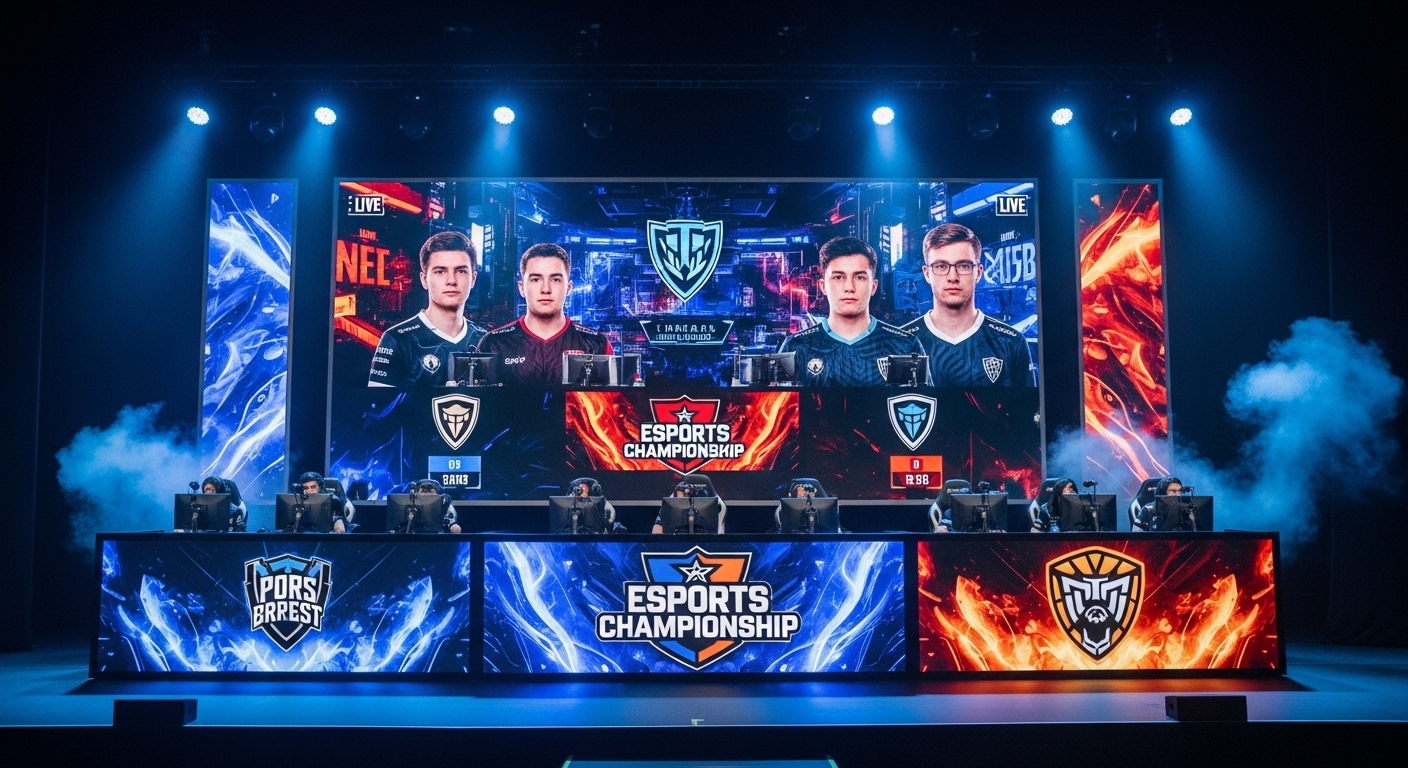
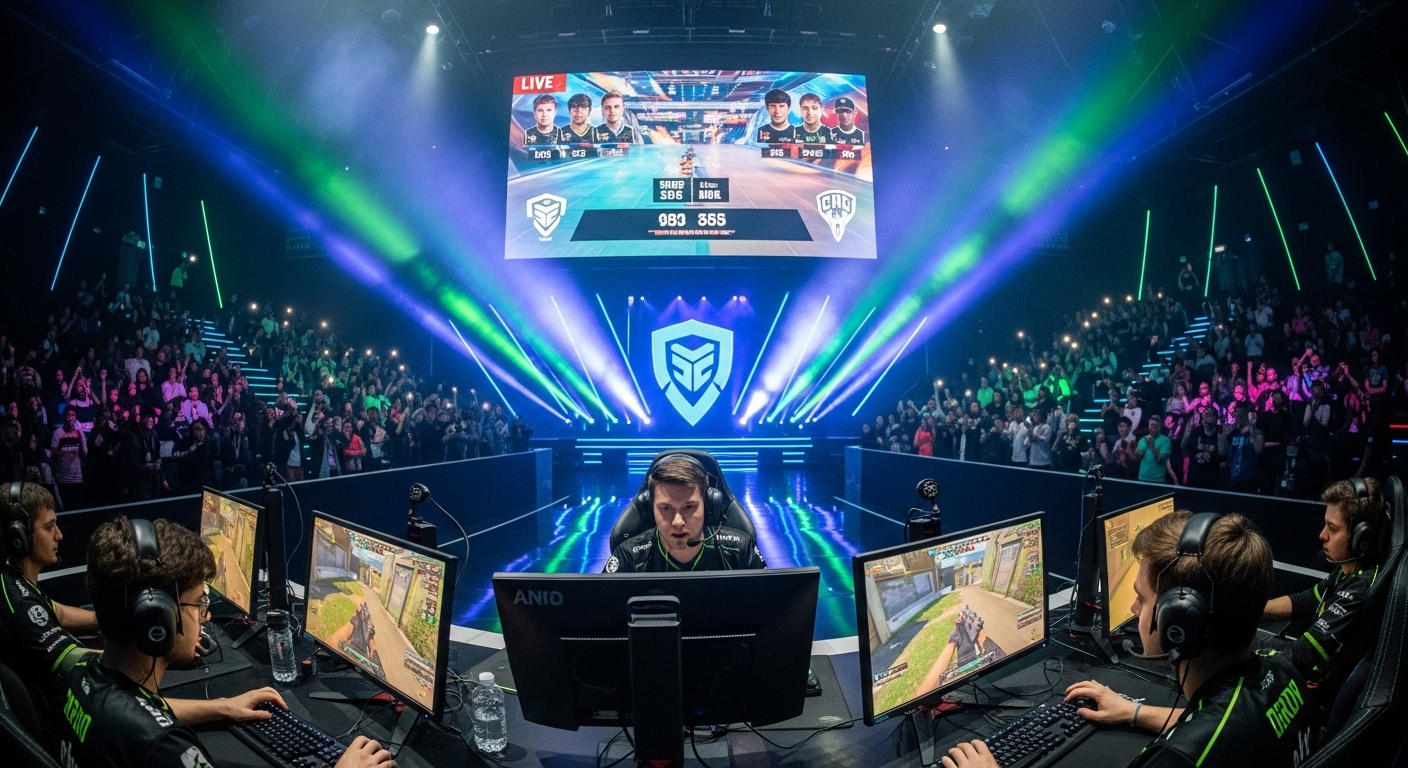
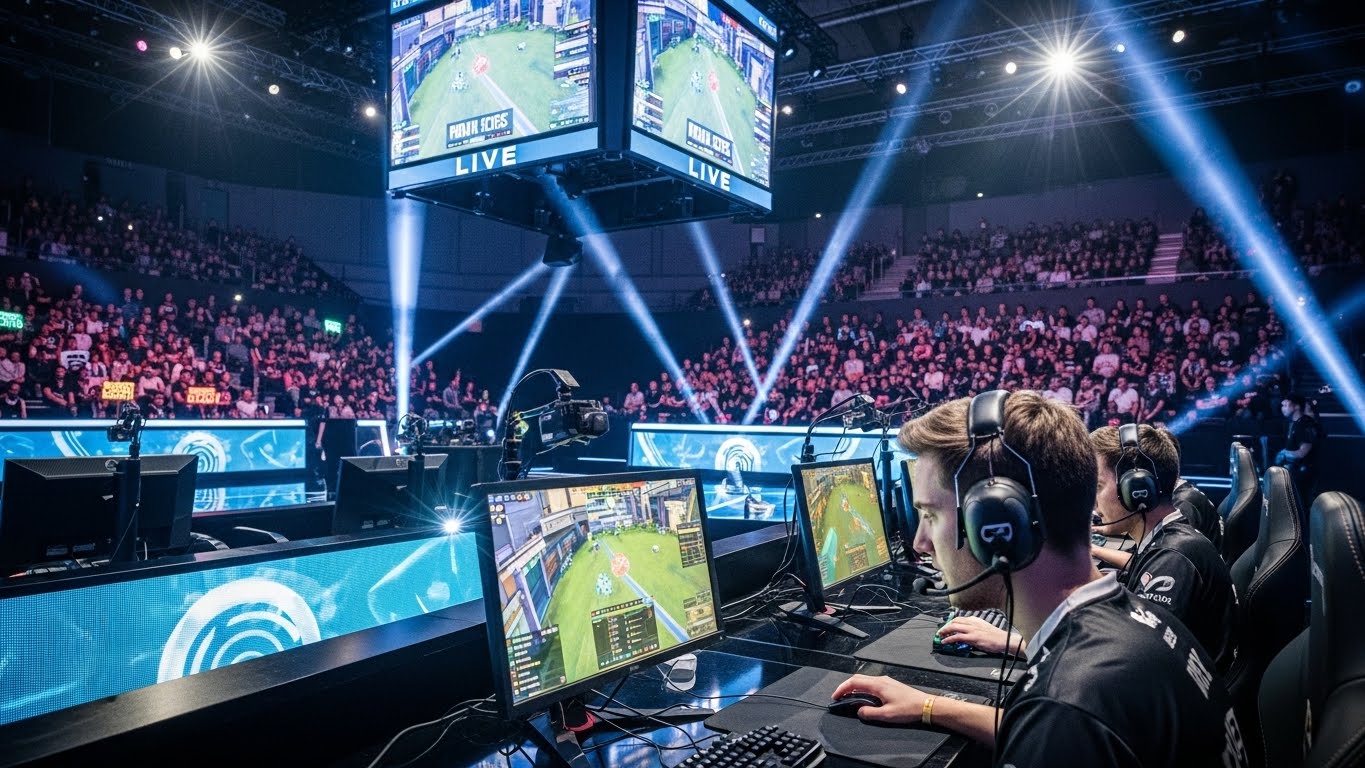
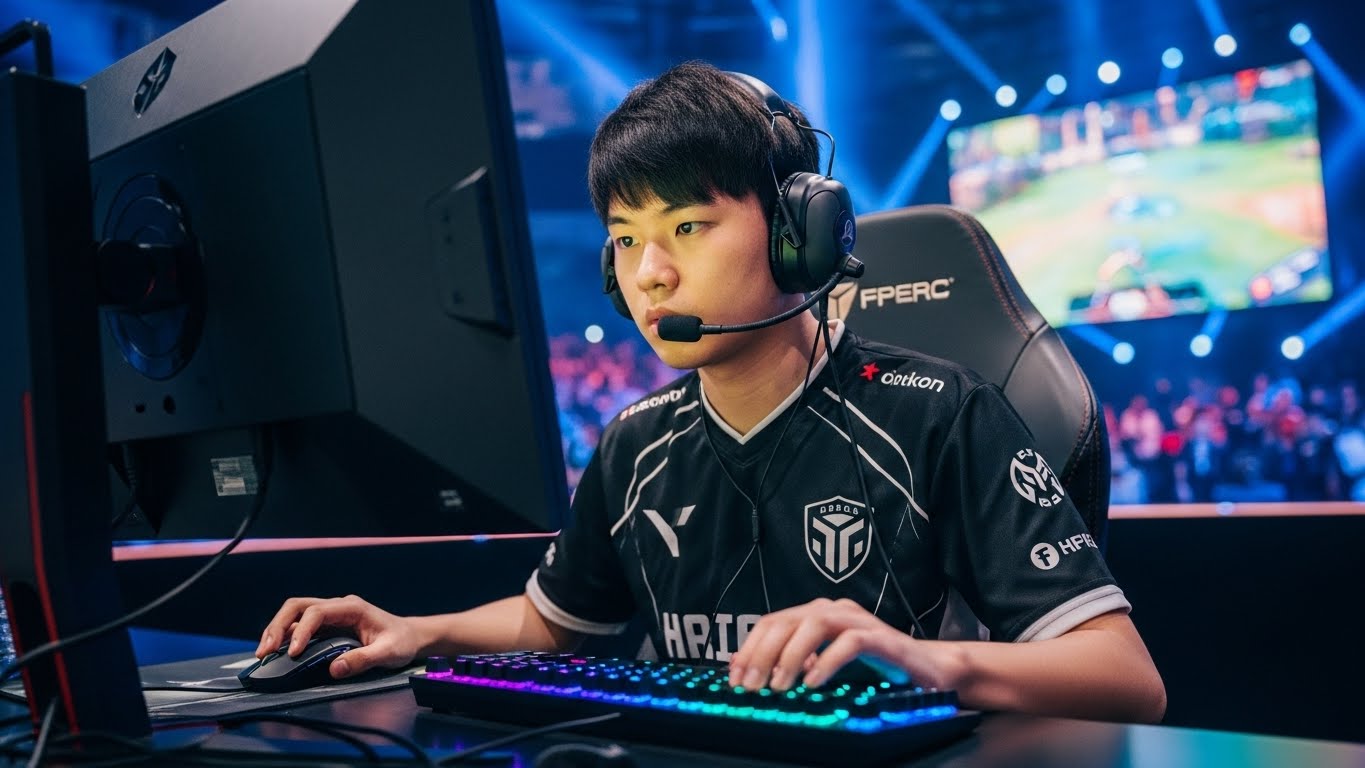
Esports, short for electronic sports, has emerged as one of the most influential forms of modern entertainment. What started as casual video game competitions has grown into a global phenomenon, attracting millions of players and spectators worldwide. With professional leagues, major tournaments, live streaming platforms, and sponsorship deals, esports has become a legitimate industry that rivals traditional sports in both popularity and economic impact.
Unlike traditional entertainment, esports combines competition, strategy, teamwork, and interactive experiences. It offers players opportunities to showcase skill, build communities, and even pursue professional careers. This blog explores the evolution of esports, popular game genres, economic significance, cultural impact, emerging trends, challenges, and the future of competitive gaming.
The Evolution of Esports
Esports traces its roots to the 1970s and 1980s when early video game competitions gained popularity. Games like Space Invaders and Pac-Man sparked local tournaments, often held in arcades or small gaming communities. The concept of competing for prizes and recognition laid the foundation for organized esports.
In the 1990s, multiplayer PC games such as Doom, Quake, and StarCraft allowed players to compete online, breaking geographic barriers. The growth of the internet enabled international tournaments and connected players from different regions, expanding the competitive scene.
By the 2000s, professional leagues began to emerge. Titles like Counter-Strike, Warcraft, and DotA cultivated competitive communities and attracted sponsorships. The rise of streaming platforms later in the decade, such as Twitch and YouTube Gaming, allowed fans to watch live matches, interact with players, and participate in online communities. This shift helped esports transition from niche hobby to mainstream entertainment.
Popular Esports Game Genres
Esports encompasses a wide variety of game genres, each offering unique competitive experiences.
Multiplayer Online Battle Arenas (MOBAs)
MOBAs are among the most popular esports genres. Games like League of Legends, Dota 2, and Smite feature team-based strategy where players control characters with unique abilities. Teams compete to destroy opponents’ bases while coordinating strategies and adapting to in-game developments. MOBAs emphasize teamwork, quick decision-making, and strategy, making them highly engaging for both players and spectators.
First-Person Shooters (FPS)
FPS games such as Counter-Strike: Global Offensive, Valorant, and Call of Duty focus on precision, reflexes, and tactical gameplay. Players compete individually or in teams to complete objectives, often in high-pressure, fast-paced scenarios. FPS esports tournaments draw large audiences due to their intense action and competitive depth.
Real-Time Strategy (RTS) Games
RTS games challenge players to manage resources, build armies, and develop strategies in real-time. Games like StarCraft and Age of Empires demand tactical thinking, adaptability, and quick decision-making. RTS esports attracted early competitive gamers and continues to influence modern strategy-focused esports titles.
Sports Simulation Games
Sports simulations such as FIFA, NBA 2K, and Madden NFL allow players to compete in digital recreations of real-world sports. These games require both skill and strategic understanding of the sport. Competitive leagues and tournaments for sports simulation games attract fans from both the gaming and traditional sports communities.
Fighting Games
Fighting games like Street Fighter, Tekken, and Super Smash Bros. focus on one-on-one combat with precise timing and complex move execution. Competitive fighting game tournaments have passionate fan bases and long-standing rivalries, contributing to esports’ diversity.
Economic Significance of Esports
Esports has become a multi-billion-dollar industry with multiple revenue streams. Sponsorships and advertising are major contributors, as companies invest in tournaments, teams, and content creators. Large esports tournaments often feature prize pools reaching millions of dollars, attracting professional players and global audiences.
Streaming platforms generate additional revenue through subscriptions, advertisements, and donations. Content creators and professional players monetize their audiences by producing tutorials, match highlights, and entertainment content.
Esports also impacts other sectors. Cities hosting tournaments benefit from tourism and hospitality, while universities offer scholarships and programs focused on esports careers. Merchandise, media rights, and sponsorships further solidify the economic influence of competitive gaming.
Cultural Impact of Esports
Esports has transformed culture by shaping entertainment, social interactions, and lifestyle trends.
Community and Social Engagement
Esports fosters global communities. Players, fans, and content creators interact across forums, social media platforms, and live streams. Online multiplayer games encourage collaboration, teamwork, and social connections. Esports communities allow fans to celebrate achievements, discuss strategies, and participate in shared experiences.
Media and Entertainment Influence
Esports has influenced traditional media and entertainment. Live streaming allows fans to watch matches in real-time, often with commentary and interactive features. Major tournaments are broadcasted to millions of viewers, comparable to traditional sports events. Documentaries, shows, and media coverage highlight the culture and competitive spirit of esports.
Professionalization and Career Opportunities
Esports provides professional career paths for players, coaches, analysts, commentators, and content creators. Professional players follow rigorous training schedules, sometimes dedicating hours daily to practice, strategy, and team coordination. Organizations provide coaching, nutrition guidance, and mental health support, reflecting the professional standards seen in traditional sports.
Influence on Popular Culture
Esports has influenced fashion, music, and lifestyle trends. Gaming-inspired clothing, merchandise, and digital culture have become mainstream. Influencers and esports celebrities shape trends, driving engagement and creating a cultural bridge between gaming and broader society.
Emerging Trends in Esports
The esports industry continues to grow and evolve with technology, audience expectations, and global connectivity.
Mobile Esports
Mobile gaming has expanded esports accessibility. Titles like PUBG Mobile, Free Fire, and Mobile Legends allow players to compete on smartphones and tablets. Mobile esports tournaments attract millions of viewers and create opportunities for players in regions where high-end PCs and consoles are less accessible.
Virtual and Augmented Reality
Virtual reality and augmented reality are introducing new immersive experiences to esports. Players can engage in fully interactive environments, creating unique gameplay and spectator experiences. VR and AR competitions are beginning to gain traction, adding depth to traditional esports formats.
Cross-Platform Play
Cross-platform play allows players on different devices to compete together. This promotes inclusivity, larger player bases, and seamless multiplayer experiences. Games that support cross-platform functionality expand communities and increase the competitive potential of esports.
Integration with Traditional Sports
Traditional sports organizations increasingly invest in esports teams and events. Athletes participate in virtual competitions, bridging the gap between physical and digital sports. This integration attracts traditional sports fans to esports while expanding its audience base.
Content Creation and Streaming
Content creation remains central to esports culture. Influencers, commentators, and professional players produce content that extends beyond live matches. Tutorials, highlights, and behind-the-scenes content engage fans and provide additional monetization avenues for creators and organizations.
Challenges Facing Esports
Despite its growth, esports faces significant challenges.
Regulation and Governance
Esports lacks standardized global regulations, leading to inconsistencies in tournament rules, player contracts, and competition oversight. Developing consistent governance frameworks is essential for fair play and industry credibility.
Player Health and Wellbeing
Professional esports players face physical and mental strain due to long training hours and performance pressure. Ensuring proper support, fitness regimes, and mental health resources is critical for player longevity and sustainability.
Market Saturation
Rapid growth has led to intense competition among games, teams, and tournaments. Standing out in a saturated market requires innovation, high-quality content, and effective audience engagement strategies.
Cheating and Fair Play
Maintaining integrity is crucial for esports. Cheating, hacking, and performance-enhancing software threaten fairness and audience trust. Anti-cheat measures and monitoring systems are vital to maintain credibility.
The Future of Esports
The future of esports is promising, driven by technology, professionalization, and global interest. Virtual reality, augmented reality, AI analytics, and cloud gaming will enhance player and viewer experiences. Cross-platform play and mobile esports will broaden access, while streaming platforms will continue to fuel engagement and content creation.
Esports will increasingly integrate with mainstream entertainment and traditional sports, creating hybrid competitions and collaborative events. Educational initiatives and professional programs will ensure talent development, career opportunities, and sustainable growth. Esports is poised to become a central pillar of global entertainment, rivaling traditional sports in influence, viewership, and economic impact.
Conclusion
Esports has evolved from casual gaming competitions to a global industry that redefines entertainment, competition, and social engagement. With diverse genres, professional leagues, and millions of fans, esports provides opportunities for players to develop skills, build communities, and pursue professional careers.
The economic, cultural, and technological impact of esports continues to expand. Emerging trends such as mobile esports, VR and AR integration, cross-platform play, and content creation are shaping the industry’s future. While challenges such as regulation, player wellbeing, and fair play remain, esports demonstrates resilience and innovation.
As technology advances and global audiences grow, esports is set to remain a dominant form of digital entertainment, shaping culture, competition, and interactive experiences for generations to come.