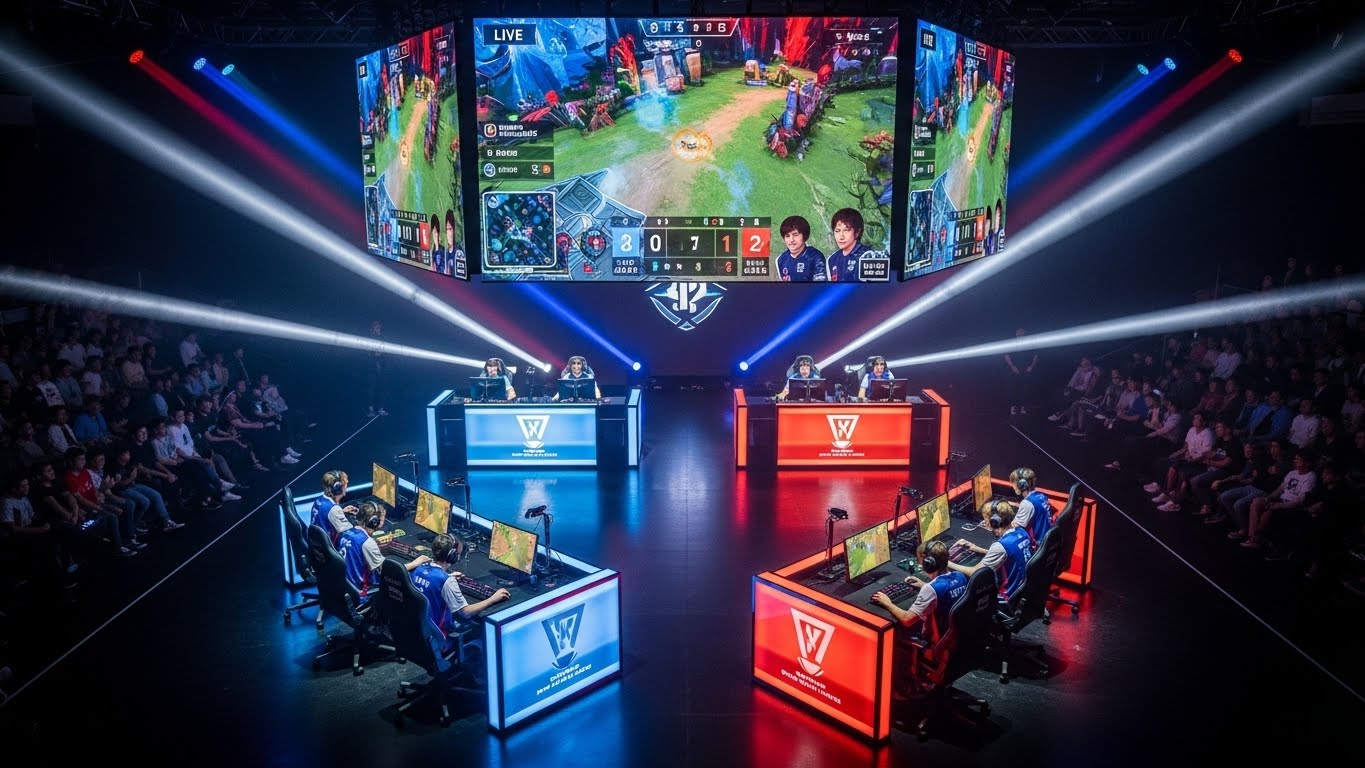
Introduction: A Digital Arena Redefined
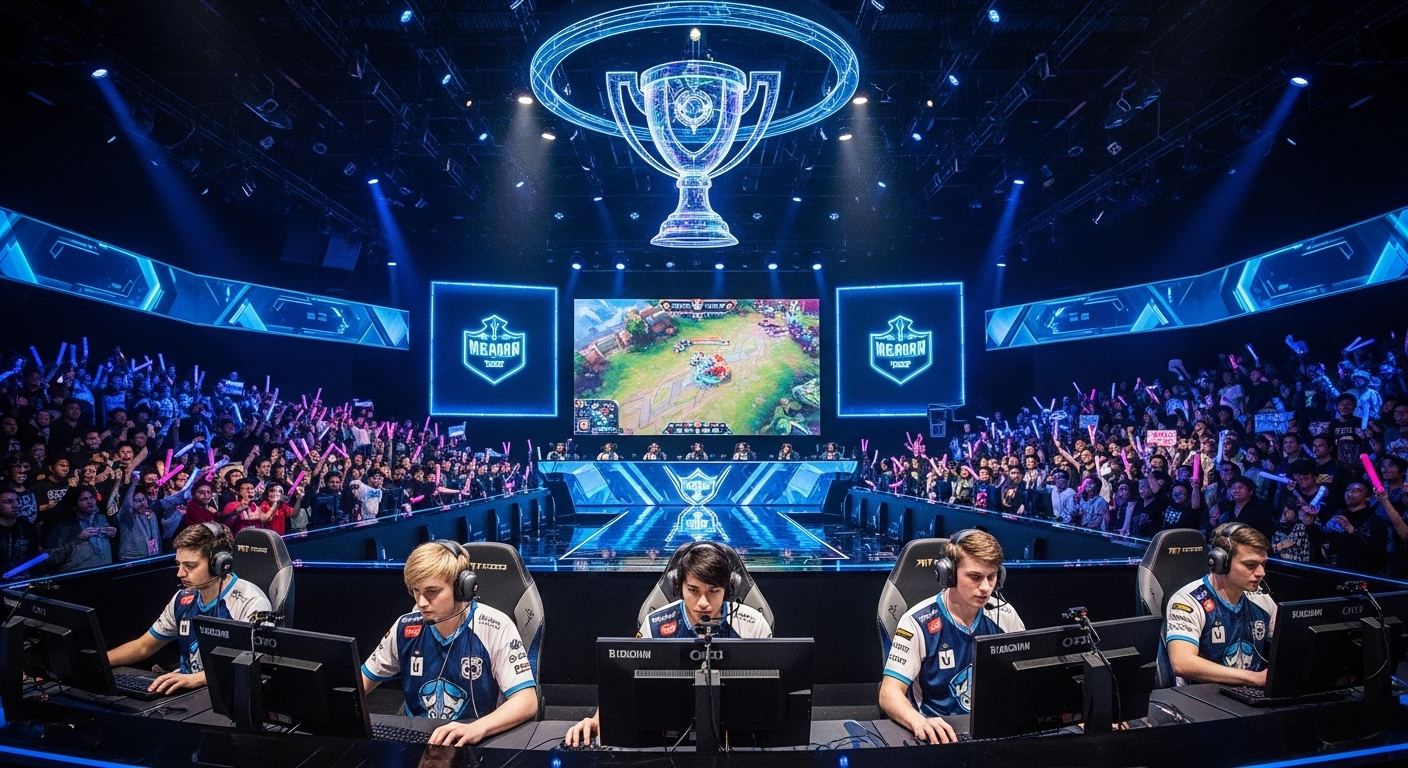
Esports has swiftly evolved from a niche hobby enjoyed by small groups of passionate gamers into a global cultural and economic powerhouse. Today, stadiums fill with roaring fans cheering for their favorite teams, while millions more tune in from around the world to watch tournaments unfold in real time. What was once considered a simple pastime has become an organized, competitive, and highly influential industry. This blog explores the meteoric rise of esports, its cultural significance, the opportunities it provides, and the future that awaits this revolutionary form of entertainment.
The Birth and Evolution of Competitive Gaming
Competitive gaming is not entirely new; its roots go back to the early arcade era when players gathered to outscore each other in classic titles. The launch of home consoles and personal computers in the late twentieth century introduced a new wave of multiplayer experiences. However, it was the rise of the internet and the popularity of network-based games that truly opened the door for esports as we know it today.
By the early 2000s, competitive titles like real-time strategy games and first-person shooters began attracting organized tournaments and growing communities. As technology advanced, developers started designing games specifically built for competitive play, complete with ranking systems, spectator tools, and regular updates to maintain fairness. This evolution laid the foundation for an industry that would eventually rival traditional sports in viewership and revenue.
Why Esports Captured Global Attention
Esports resonates deeply with younger generations who grew up surrounded by digital entertainment. Video games provide immersive storytelling, interactive challenges, and endless creative possibilities. When combined with organized competition, they offer a unique blend of skill, strategy, and excitement.
The accessibility of esports also plays a huge role in its global appeal. Anyone with a gaming device and reliable internet can compete, whether casually or professionally. Unlike traditional sports, which may require specialized equipment, training facilities, or physical attributes, esports opens the door to a broader and more diverse population of players. This inclusivity fuels communities that span across countries, languages, and cultures.
Building an Industry: Teams, Tournaments, and Talent
Behind every successful esports event lies an intricate ecosystem of teams, players, leagues, organizers, coaches, analysts, and broadcasters. Professional teams operate like traditional sports organizations, employing full-time athletes who train intensely and follow structured schedules. These players practice for hours every day, studying opponent strategies, improving reaction times, and mastering their in-game roles.
Major global tournaments attract millions of viewers and offer prize pools that can reach staggering amounts. These events are broadcasted live by professional commentators who help audiences understand the intense strategies unfolding on screen. Production teams create high-quality visuals, dramatic storylines, and memorable moments, elevating esports into world-class entertainment.
The Rise of Esports Education and Career Paths
As esports continues its rapid expansion, educational institutions have begun embracing it. High schools and universities around the world now offer esports clubs, competitive teams, and even scholarships for talented players. Students can study fields related to game design, broadcasting, event management, psychology, coaching, and marketing.
The growth of esports has also opened a wide array of career opportunities beyond playing professionally. These include content creators, social media managers, production specialists, graphic designers, team managers, and data analysts. The industry thrives on collaboration, creativity, and technical expertise, making it an attractive field for young people passionate about gaming and digital media.
Esports as a Cultural Movement
Esports is more than competition; it is a cultural phenomenon that shapes modern entertainment and identity. Livestreaming platforms allow fans to interact directly with professional players and influencers, creating a sense of community unmatched by traditional sports. Fans follow their favorite players not only for their skill but for their personalities, humor, and authenticity.
Additionally, esports has influenced music, fashion, and even the world of traditional sports. Collaborations between game developers and popular artists create unique soundtracks and events within games. Fashion brands design clothing inspired by gaming culture, while sports teams invest in esports organizations or launch their own competitive divisions. This merging of industries highlights the powerful crossover appeal of esports.
The Mental and Physical Demands of Competitive Gaming
Despite misconceptions, competitive gaming requires more than quick reflexes and long play sessions. Professional players must maintain mental stamina, strategic thinking, teamwork, and emotional control. High-pressure matches test their ability to remain calm and focused while adapting quickly to unexpected challenges.
Physical health is also essential. Players often undergo fitness training to improve posture, reduce injury risks, and enhance concentration. Many teams employ nutritionists, sports psychologists, and physical therapists to ensure players stay in top form. This emphasis on wellness demonstrates that esports, much like traditional sports, demands dedication and balance.
Challenges Facing the Esports Industry
Although esports continues to grow, the industry faces several important challenges. Maintaining player health and preventing burnout is crucial, especially as competitive schedules and practice expectations can be intense. Protecting young players from exploitation and ensuring fair contract agreements are vital responsibilities for teams and organizers.
The industry must also address issues such as competitive integrity, cheating prevention, and ethical monetization. As esports expands, establishing clear regulations and supportive environments will be key to long-term success.
The Role of Technology in Shaping Esports’ Future
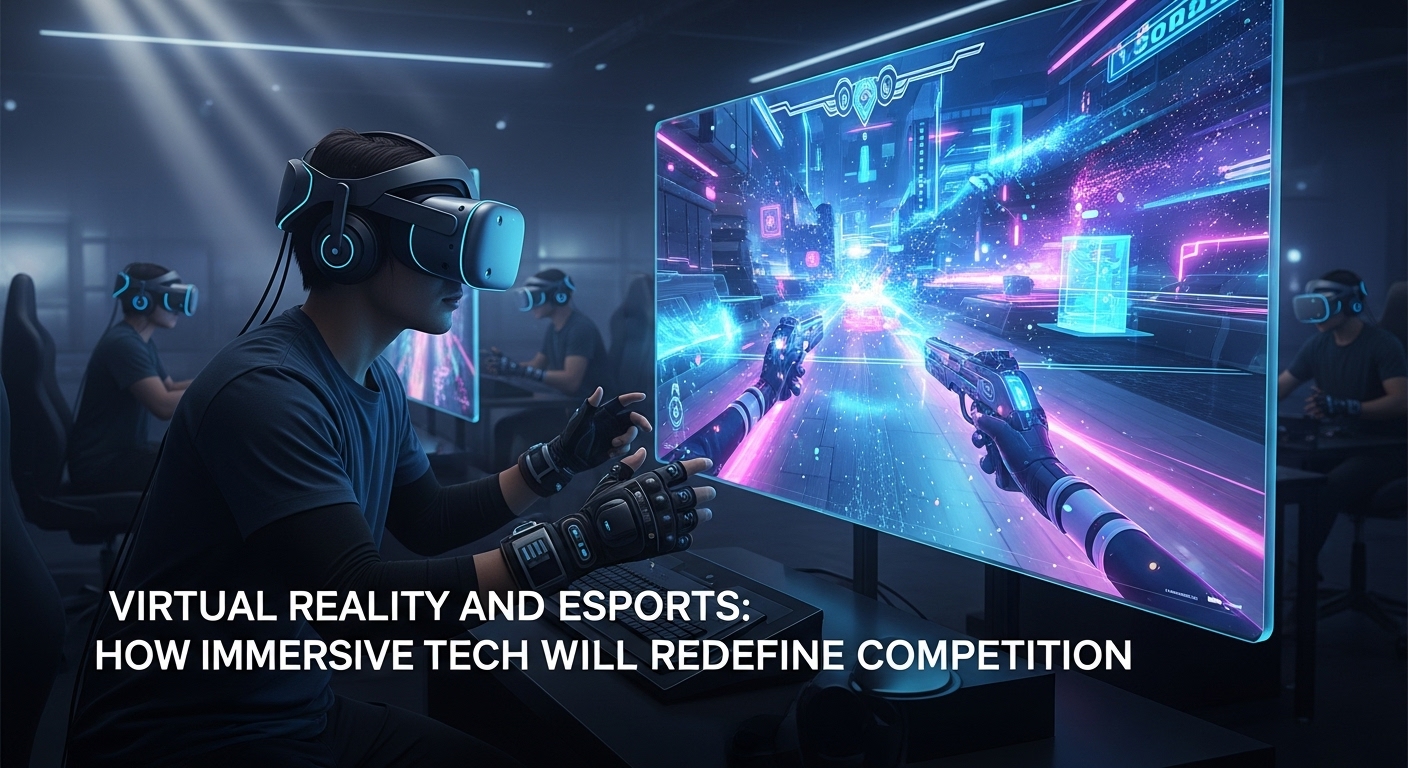
Technology is at the heart of esports, and upcoming innovations are poised to push the industry even further. Advances in virtual reality, augmented reality, and artificial intelligence may redefine how competitions are played and watched. Enhanced internet speeds, cloud computing, and improved hardware will continue to reduce barriers and allow more players to participate.
Broadcasting technology is also evolving rapidly. Enhanced spectator modes, real-time data overlays, and immersive viewing experiences will make esports events even more engaging. As streaming platforms introduce new interactive features, fans will have more opportunities to influence events, participate in discussions, and feel connected to the action.
Esports and the Global Economy
The economic impact of esports is enormous and continues to rise. Sponsorships, merchandise sales, digital purchases, and advertising contribute significantly to industry revenue. Brands outside of gaming recognize esports as a powerful way to reach younger and digitally connected audiences.
Esports events drive tourism and local economic activity as fans travel to attend in-person tournaments. Cities compete to host major events, understanding the value they bring in exposure and revenue. The industry’s financial influence extends far beyond gaming, touching technology, entertainment, education, and retail.
The Global Community of Esports Fans
At the heart of esports lies its vibrant and passionate community. Fans do more than watch; they participate. They create art, discuss strategies, build online groups, support players, and celebrate victories together. Esports connects individuals from different cultures, proving that passion for competition and creativity can transcend language and borders.
These communities also play a vital role in helping games and teams evolve. Their feedback, enthusiasm, and loyalty shape the direction of the industry and ensure that esports remains dynamic, inclusive, and ever-changing.
The Future of Esports: Limitless Potential
As esports continues its upward trajectory, its future holds limitless potential. With growing mainstream acceptance, technology advancements, and expanding economic influence, esports is on track to become one of the most dominant forms of entertainment worldwide. Schools will invest more in esports programs, companies will continue to innovate, and new generations of players will rise to shape the industry’s direction.
Esports is not simply a trend; it is a global movement that reflects the digital age. It brings together creativity, strategy, technology, and community in a way few industries can match. Whether you are a dedicated player, a casual spectator, or someone curious about the world of competitive gaming, esports offers something for everyone.
Conclusion: A New Frontier of Entertainment
Esports has transformed the way the world views competition and entertainment. Its influence stretches far beyond the screen, touching education, culture, business, and technology. What began as friendly battles between gamers has grown into a global phenomenon with an ever-expanding future.
As the digital landscape continues to evolve, esports will remain a thrilling and transformative force, inspiring millions and redefining the boundaries of modern competition. It is a testament to the power of passion, innovation, and community—proof that the virtual world can create real-world impact.