Introduction
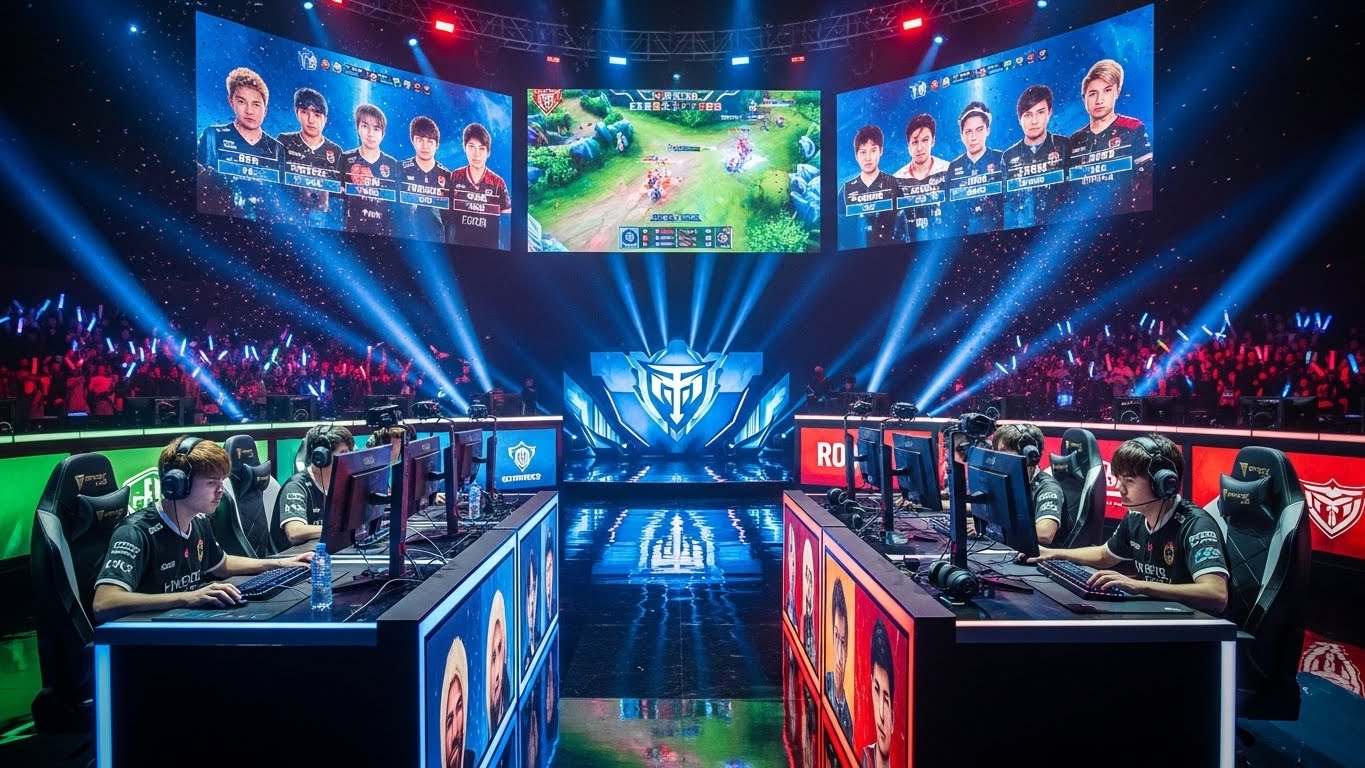
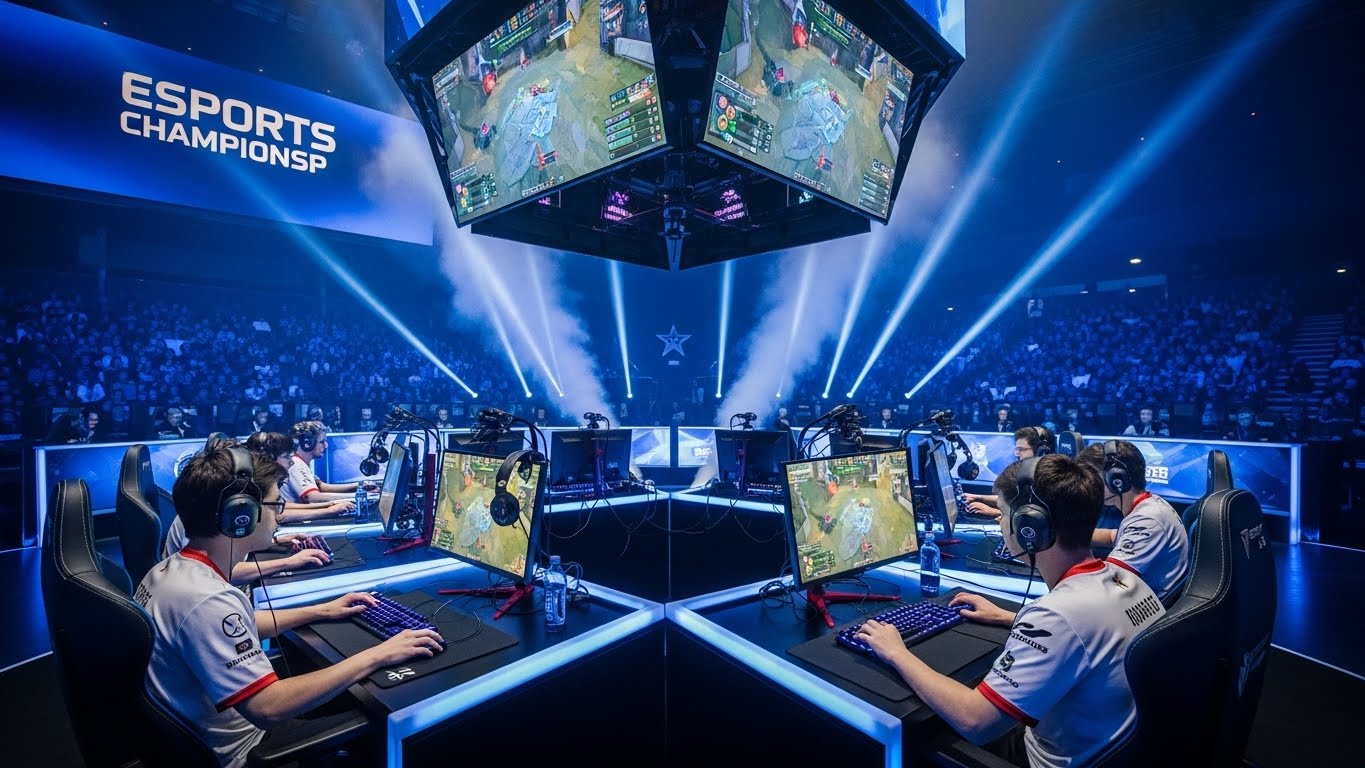
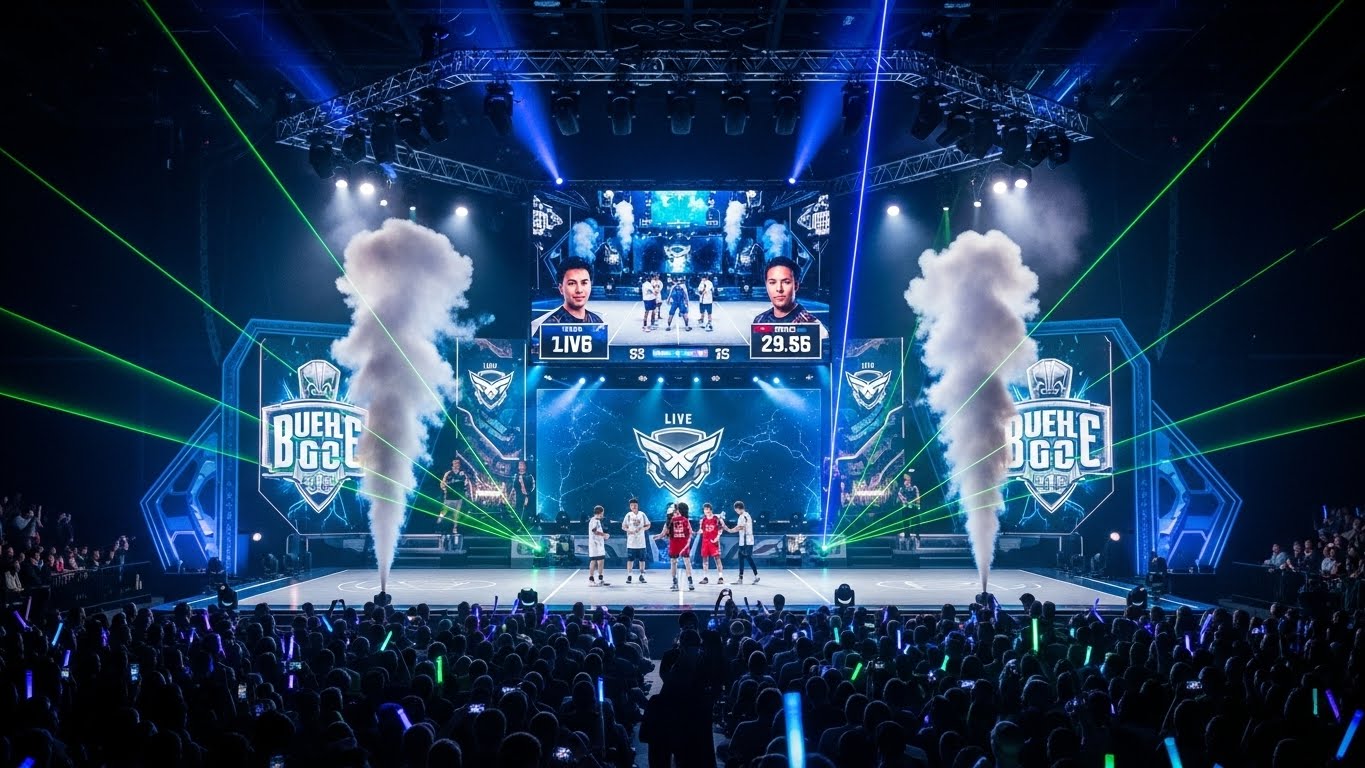
Esports has emerged as one of the most influential entertainment phenomena of the modern era. From local tournaments in small gaming cafes to international competitions in packed stadiums, esports has evolved into a global industry that captivates millions. The fusion of gaming, technology, and competition has created new career paths, cultural shifts, and a thriving community of players and fans alike. This blog explores the growth, impact, and future of esports in a comprehensive and engaging manner.
The Birth of Competitive Gaming
The origins of esports date back to the early days of video gaming when players competed for high scores in arcade games. Initially, competitions were small and localized, with minimal recognition or rewards. These grassroots tournaments laid the foundation for competitive gaming, fostering a community that valued skill, dedication, and creativity.
As gaming moved from arcades to home consoles and personal computers, multiplayer experiences expanded. Players could challenge each other beyond physical boundaries, and the seeds of organized esports communities began to grow. Early online competitions created a culture of rivalry and strategy, setting the stage for the professional scene we see today.
Rise of Online Platforms and Streaming
The growth of high-speed internet revolutionized competitive gaming. Players could now compete globally, and spectators could follow matches in real-time. Platforms dedicated to game streaming transformed the way audiences consumed content. Watching gameplay became entertainment, and charismatic players emerged as influential figures in the esports world.
Streaming also provided a platform for amateur players to showcase their talents. Many professionals were discovered through live broadcasts of their gameplay. As viewership increased, sponsorships and media attention followed, elevating esports from a hobby to a legitimate career option.
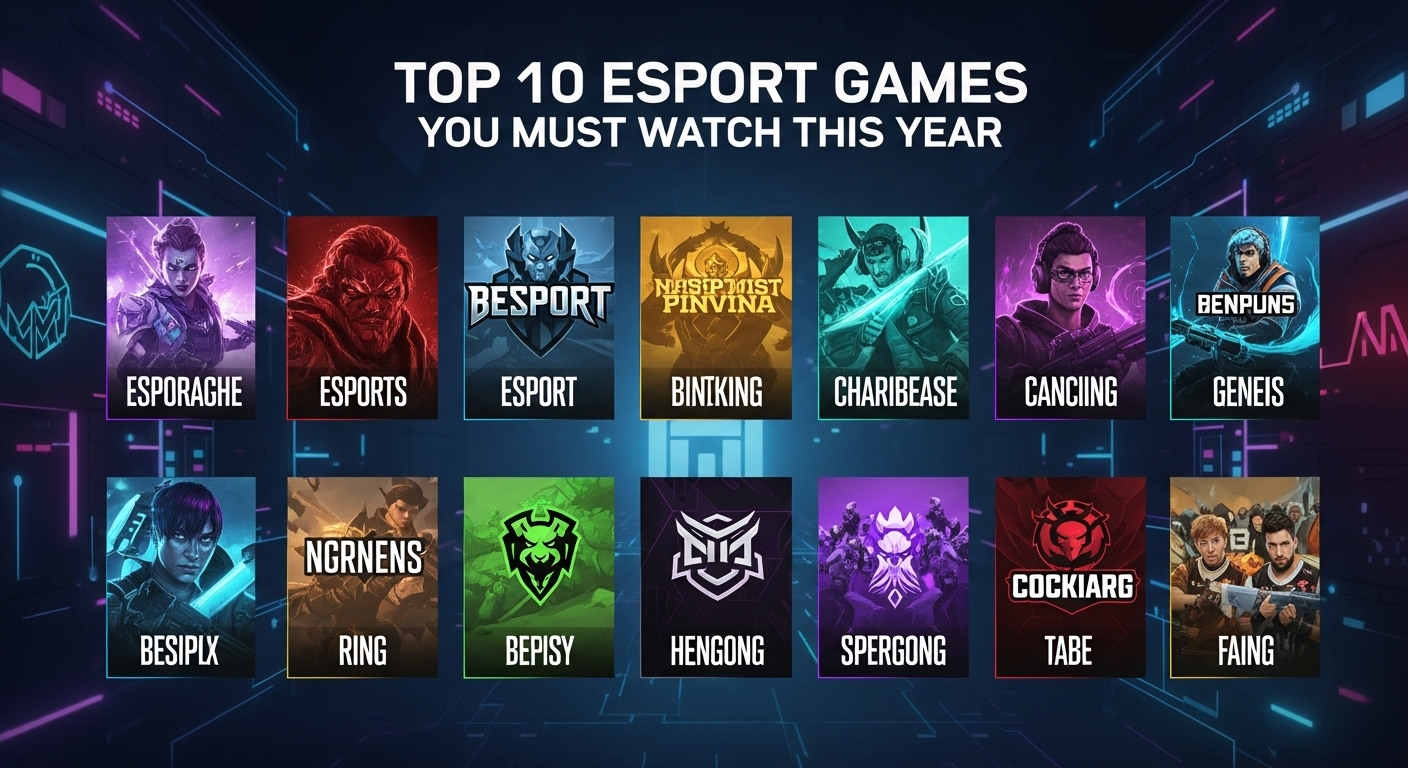
Popular Esports Genres and Games
Esports encompasses a wide variety of genres, each appealing to different types of players and audiences. Multiplayer online battle arena (MOBA) games require teamwork, strategy, and coordination. First-person shooters demand reflexes, precision, and communication. Real-time strategy games test tactical planning and decision-making. Sports simulation titles allow fans to engage with their favorite athletic disciplines digitally.
The diversity in games ensures that esports attracts a broad audience. Players can find a niche that suits their interests and skill set, and fans can follow competitions that align with their preferred gaming style. This variety also drives innovation as developers create new games designed with competitive play in mind.
The Life of a Professional Esports Player
Professional esports players dedicate themselves to mastering their craft. Training often involves rigorous schedules, practice sessions, strategy discussions, and continuous performance analysis. Mental and physical wellness are crucial, as competitive gaming can be intense and demanding.
Players work with coaches, analysts, and sometimes psychologists to improve performance and maintain focus. Nutrition, exercise, and sleep are carefully monitored to ensure optimal condition. Despite the excitement of tournaments and public recognition, the life of a professional player requires discipline, resilience, and a constant drive to improve.
Esports Organizations and Teams
Behind every successful player is an organization that provides support, structure, and resources. Teams handle logistics, sponsorship negotiations, marketing, and event coordination, allowing players to focus on training and performance. These organizations operate similarly to traditional sports franchises, emphasizing long-term strategy, branding, and financial stability.
Team dynamics are critical for success. Effective communication, leadership, and collaboration can determine the outcome of competitive matches. Organizations that prioritize a positive culture and clear goals tend to perform better, demonstrating that esports is as much about teamwork as it is about individual skill.
The Role of Fans and Community
Esports thrives on its passionate fan base. Fans contribute to viewership numbers, merchandise sales, and social media engagement. Communities often form around specific games, teams, or players, creating a sense of belonging and shared enthusiasm.
Unlike traditional sports, esports fans often have direct interaction with players through live streaming chats, social media, and community events. This connection strengthens loyalty and fosters a sense of inclusion. Amateur tournaments and fan-driven events further enhance the vibrancy and reach of esports culture.
Economic Impact and Career Opportunities
The economic influence of esports has expanded significantly. Revenue streams include sponsorships, media rights, merchandise, event ticket sales, and streaming platforms. This growth has generated diverse career opportunities beyond professional playing, such as coaching, broadcasting, event management, content creation, and game development.
Universities and educational institutions are recognizing esports as a viable career path. Programs focused on esports management, digital media, and game design provide structured training and open avenues for students to enter the industry. This evolution highlights the long-term sustainability of esports as a professional field.
Challenges and Considerations
Despite its rapid growth, esports faces several challenges. Player burnout, mental health issues, inconsistent regulations, and financial instability for smaller organizations are ongoing concerns. The competitive nature of esports can lead to high pressure, and managing this environment is crucial for player longevity.
Maintaining competitive integrity is also essential. Ensuring fair play, transparent tournament rules, and ethical practices requires collaboration between publishers, organizers, and players. Addressing these challenges will help solidify esports as a respected and sustainable industry.
Cultural Influence of Esports
Esports has become a major cultural force, influencing fashion, music, and digital media. Professional players often serve as influencers, shaping trends and engaging global audiences. Major tournaments have become events that attract attention far beyond gaming circles, highlighting the broad cultural impact of esports.
The international nature of esports fosters cross-cultural interaction. Players and fans from diverse backgrounds share experiences, strategies, and enthusiasm, promoting understanding and collaboration across borders. This cultural exchange contributes to the universal appeal and reach of esports.
The Future of Esports
The future of esports is filled with possibilities. Technological advancements, including enhanced graphics, immersive gameplay, and interactive viewing experiences, are likely to attract new audiences and increase engagement. Improved infrastructure, governance, and training systems will further professionalize the industry.
The younger generation, growing up with competitive gaming as a norm, ensures long-term sustainability. As the ecosystem continues to innovate, esports is poised to maintain its status as a major form of entertainment and cultural expression worldwide.
Conclusion
Esports represents the convergence of technology, entertainment, and competition in a modern context. From its humble origins in arcade games to its current status as a global phenomenon, esports has reshaped the landscape of gaming and sports. The passion of players, the dedication of organizations, and the loyalty of fans continue to drive its growth. As the industry evolves, esports will remain a dynamic, influential force, proving that beyond the screen lies a world of skill, ambition, and opportunity.