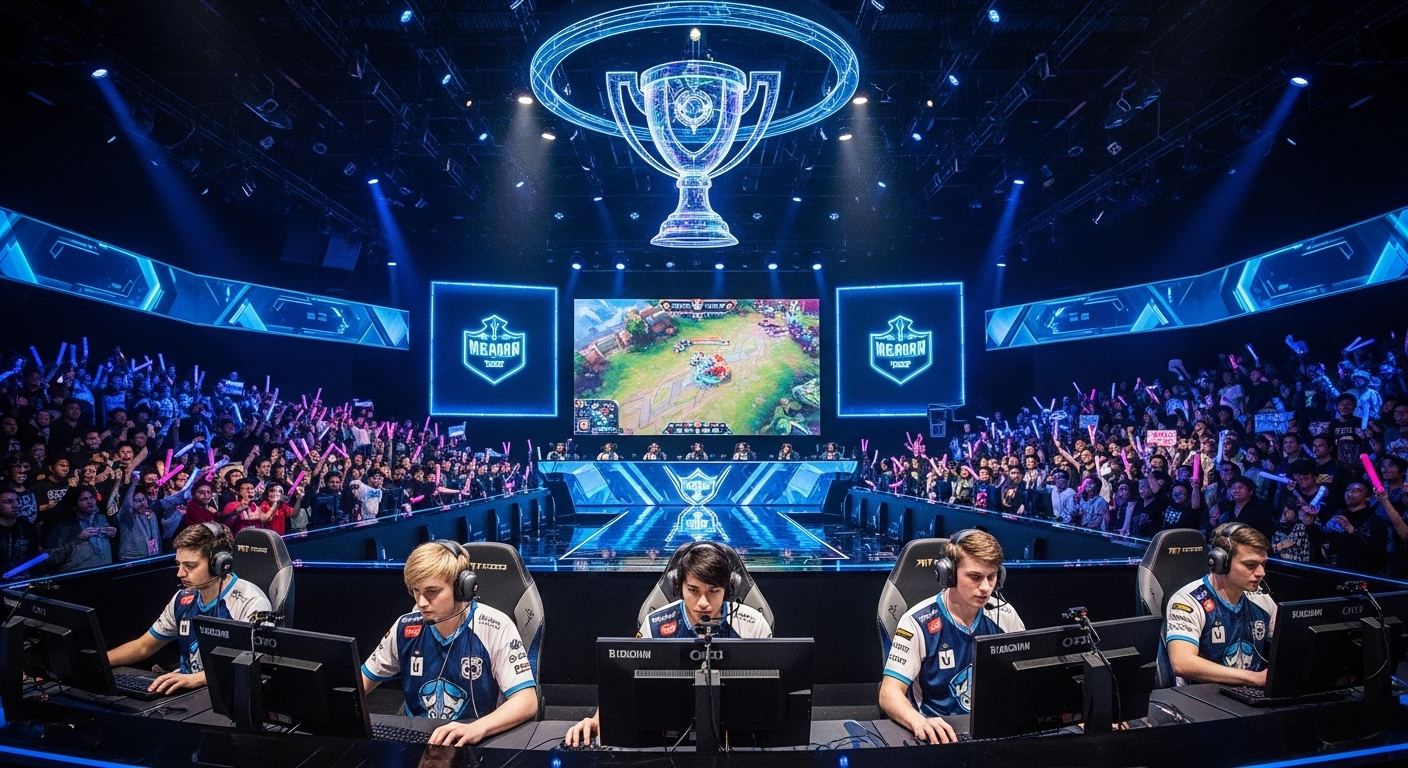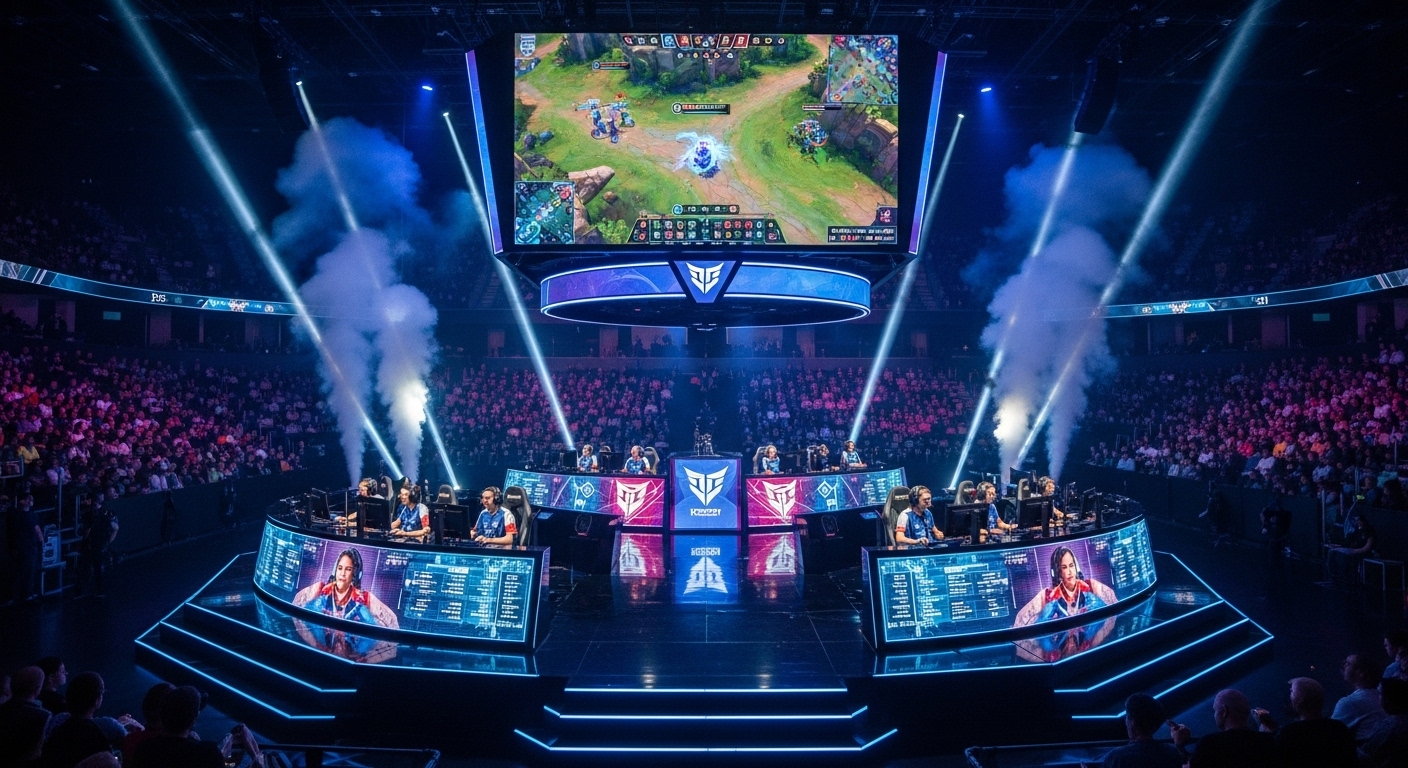
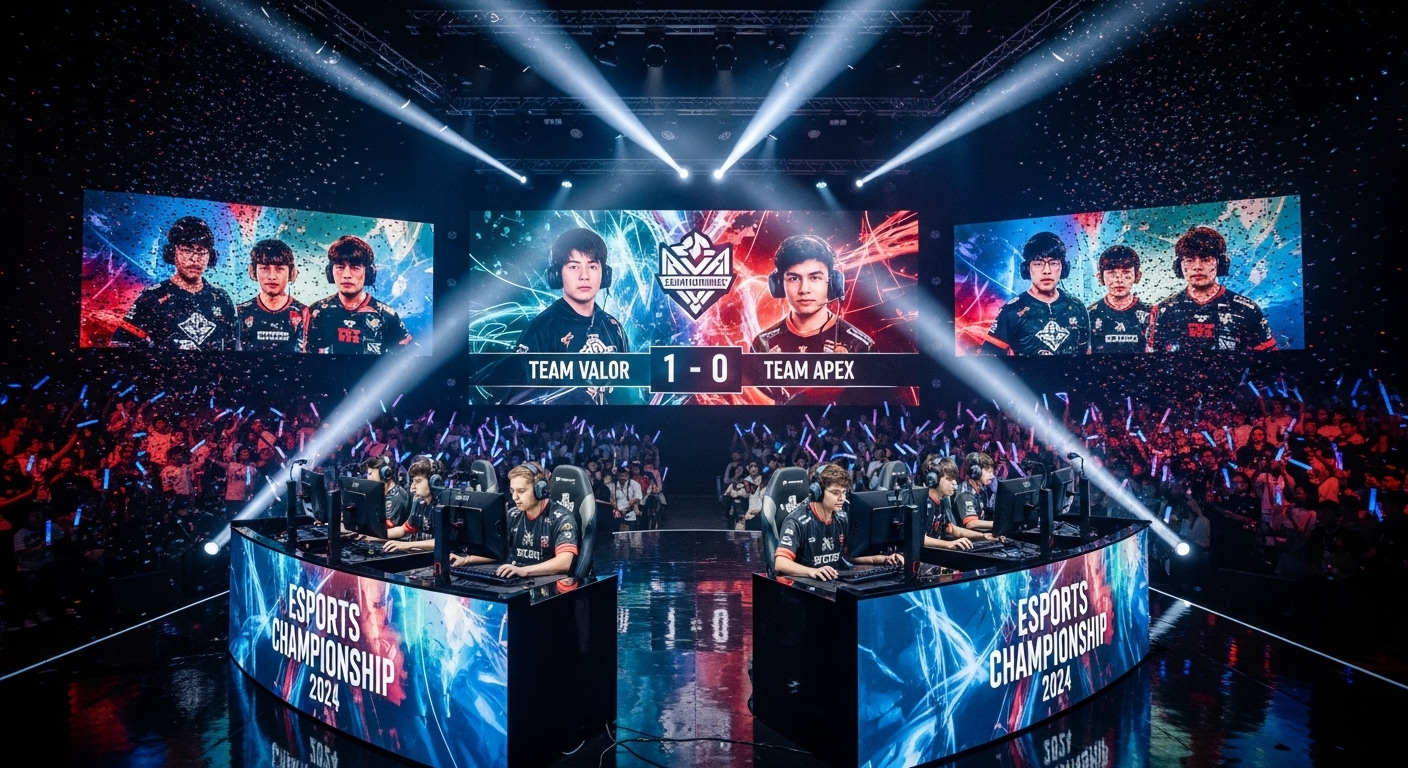
The world of esports has grown exponentially over the past decade, evolving from a niche hobby into a global industry worth billions. As competitive gaming rises in popularity, so too do the opportunities for careers within this dynamic sector. For many aspiring professionals, internships represent a critical first step toward breaking into the esports industry. This blog explores the landscape of internships and career opportunities available in esports organizations, highlighting the diverse roles, required skills, and how to position yourself for success in this exciting field.
The Growth of Esports and Its Industry Impact
Esports, short for electronic sports, refers to competitive video gaming where players compete individually or in teams in organized tournaments. This industry includes professional players, teams, event organizers, streaming platforms, sponsors, and media coverage. The rapid expansion of esports has created a demand for various professionals beyond just gamers. From marketing and content creation to event management and game development, esports offers a broad spectrum of career paths.
The global esports market’s significant financial growth has attracted investment from traditional sports franchises, technology companies, and media corporations. This influx of capital is driving the need for skilled individuals who can manage and grow esports brands, engage audiences, and deliver high-quality experiences.
Why Internships in Esports Matter
Internships provide practical experience, industry exposure, and networking opportunities crucial for anyone looking to establish a career in esports. Because the industry is relatively young and fast-moving, formal education alone often isn’t enough. Internships bridge the gap between academic learning and real-world application.
Working within an esports organization during an internship allows you to understand how these entities function daily, whether that involves coordinating tournaments, managing social media, producing content, or handling sponsorships. Interns often get the chance to contribute to live events, support professional players, and collaborate with marketing and communications teams, all of which build valuable skills.
Moreover, many esports organizations view internships as a talent pipeline. Successful interns can sometimes transition into full-time roles, gaining a permanent foothold in the industry.
Types of Roles Available in Esports Organizations
Esports organizations encompass many departments, each requiring different skills and offering various roles. Understanding these roles can help interns tailor their applications and develop relevant competencies.
1. Event Management and Operations
Esports tournaments and live events are central to the industry, requiring meticulous planning and execution. Interns in event management help coordinate logistics such as venue booking, scheduling, team accommodations, and equipment setup. They may also assist with live production tasks like broadcasting and streaming.
This role suits individuals with strong organizational skills, an ability to work under pressure, and a passion for esports events.
2. Marketing and Communications
Marketing professionals promote esports teams, players, and events to build fanbases and attract sponsors. Interns in marketing assist with social media campaigns, content creation, market research, and brand partnerships. They might write blog posts, design graphics, manage influencer relationships, or analyze engagement metrics.
Those interested in storytelling, digital marketing, and brand strategy will find this role rewarding.
3. Content Creation and Media Production
Content is king in esports. From video highlights and player interviews to live streams and podcasts, esports organizations rely on creative content to engage audiences. Interns in this area might work on video editing, graphic design, social media posts, or live broadcast support.
A background or interest in multimedia production, editing software, and storytelling is beneficial here.
4. Player and Team Management
Supporting professional players and teams involves managing schedules, communications, travel, and training logistics. Interns may assist team managers in coordinating practice sessions, handling player requests, and liaising with tournament organizers.
This role requires strong interpersonal skills, diplomacy, and an understanding of competitive gaming culture.
5. Sponsorship and Business Development
Esports organizations depend heavily on sponsorships and partnerships for revenue. Interns in business development help research potential sponsors, draft proposals, and support contract negotiations. This area suits individuals with a knack for sales, networking, and understanding brand alignment.
6. Game Development and Analysis
Though often separate from esports organizations, some roles overlap, particularly in game analysis and strategy coaching. Interns might work with analysts or coaches to collect and interpret gameplay data, helping improve player performance.
A technical background or deep understanding of game mechanics is key here.
Essential Skills for Esports Internships
Given the variety of roles, a range of skills are valuable across esports internships. However, some core competencies tend to be universally important:
- Communication: Whether writing social media posts, collaborating with teammates, or interacting with sponsors, clear and professional communication is essential.
- Passion for Esports: Genuine interest and knowledge of the esports scene demonstrate commitment and cultural fit.
- Technical Proficiency: Familiarity with relevant software tools such as video editing programs, graphic design software, social media platforms, or project management tools can set candidates apart.
- Adaptability: The fast-paced nature of esports means priorities can shift quickly; flexibility is vital.
- Teamwork: Esports organizations often work across departments and with external partners; teamwork skills are crucial.
- Problem-solving: Unexpected issues often arise during live events or campaigns, so the ability to think critically and act quickly is valued.
How to Find and Apply for Esports Internships
Internship opportunities in esports can be competitive but finding them is becoming easier as the industry matures. Here are some practical tips for locating and securing an esports internship:
- Research Organizations: Identify esports teams, event organizers, broadcasters, and related companies that align with your interests. Learn about their operations and culture.
- Check Official Websites and Job Boards: Many esports organizations list internships on their career pages. General job platforms sometimes feature esports opportunities.
- Network: Attend esports events, join online communities, and connect with industry professionals on social media. Networking can uncover unadvertised openings.
- Tailor Your Application: Customize your resume and cover letter to highlight relevant skills and experiences. Show your passion for esports and knowledge of the organization.
- Build a Portfolio: If applying for content creation or marketing roles, having a portfolio of videos, graphics, or writing samples can strengthen your application.
- Prepare for Interviews: Be ready to discuss your esports knowledge, how you handle challenges, and what you can contribute to the team.
Career Paths After Internships
Completing an internship successfully often leads to more opportunities. Some common career trajectories include:
- Full-time Roles within Esports Organizations: Interns may become marketing assistants, event coordinators, content creators, or player support staff.
- Freelance or Contract Work: Many esports professionals begin as freelancers providing services like video editing, social media management, or commentary.
- Specialization: With experience, individuals can specialize as coaches, analysts, production managers, or sponsorship executives.
- Related Industries: Skills gained in esports translate to traditional sports, entertainment, digital media, and gaming sectors.
Challenges and Considerations
While esports offers exciting career opportunities, there are challenges to keep in mind:
- Competition: The industry attracts many passionate applicants, so standing out requires effort and continuous learning.
- Work Hours: Esports events often happen during evenings and weekends, so flexibility is necessary.
- Job Stability: Some roles, especially early on, may be contract-based or part-time.
- Rapid Change: The esports landscape evolves quickly; staying current on trends and technology is essential.
The Future of Careers in Esports
As esports continues to grow, new roles and specialties will emerge. Advances in technology like virtual reality, artificial intelligence, and blockchain may create innovative career opportunities. Additionally, increased mainstream acceptance and investment will likely improve job security and professionalization.
Education programs focusing on esports management and production are also developing, providing structured pathways into the industry.
Conclusion
Internships represent a vital gateway into the esports industry, offering hands-on experience, valuable skills, and professional connections. With the diversity of roles available in esports organizations—from event management and marketing to player support and content creation—there is a place for many talents and interests.
Success in esports careers depends on passion, adaptability, continuous learning, and the willingness to embrace a fast-paced environment. Whether you dream of working behind the scenes at major tournaments or managing the careers of top players, internships can help turn your passion for esports into a fulfilling profession.