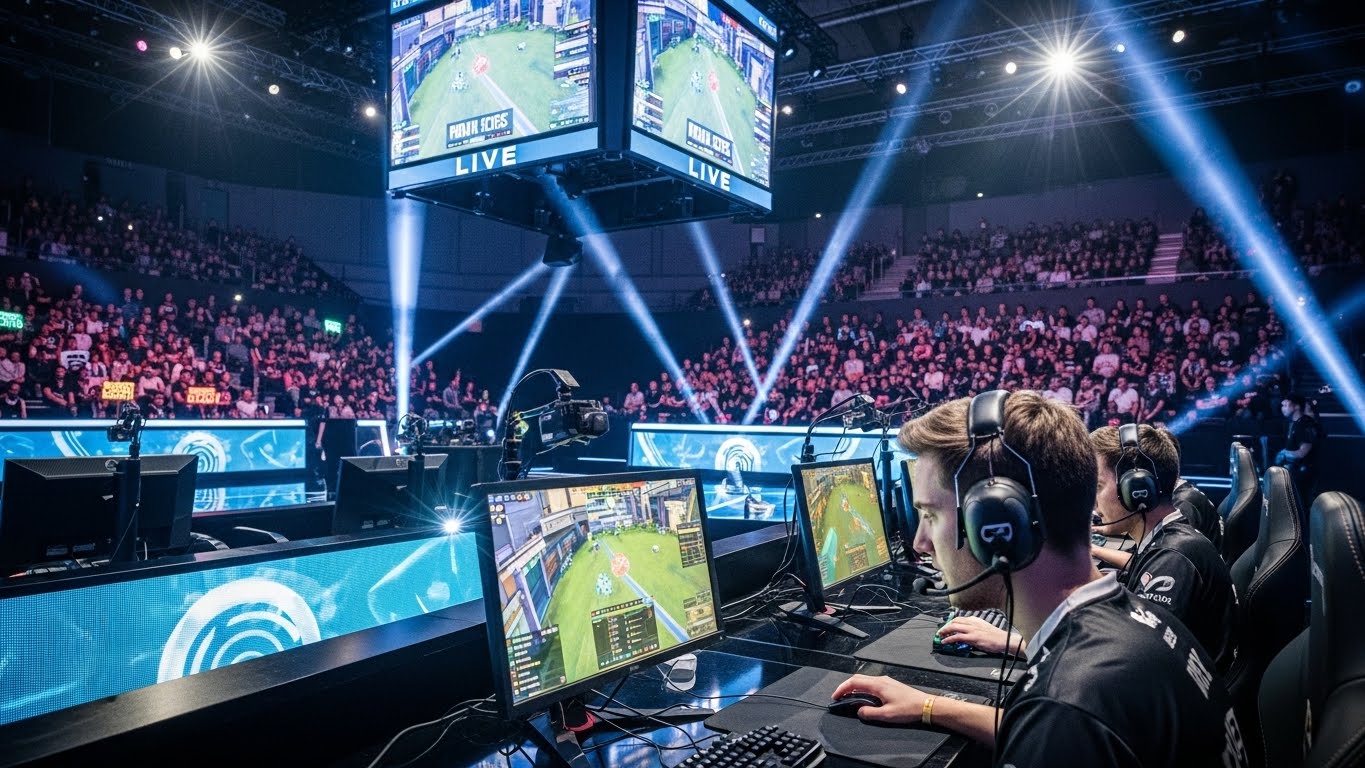
Esports has evolved from niche hobby into a worldwide competitive phenomenon, transforming gaming into a professional, cultural, and social movement. What began as small competitions among friends or local arcades now draws millions of viewers, sponsors, and professional players across the globe. Esports represents a fusion of skill, strategy, entertainment, and technology, redefining the way people engage with digital games. This blog explores the history, impact, and future of esports while examining why it has become an integral part of modern culture.
The Early Days of Competitive Gaming
The origins of esports can be traced back to the late 1970s and early 1980s when arcade competitions first gained popularity. Games like Pong and Space Invaders provided the first platform for players to compete and measure skill through high scores. While rudimentary, these competitions ignited a passion for competitive gaming.
The emergence of home consoles in the 1980s and personal computers in the 1990s expanded competitive gaming opportunities. Players began hosting tournaments within communities, exploring multiplayer gameplay, and building a culture around skill, strategy, and competition. The advent of the internet in the late 1990s marked a turning point, allowing players to connect globally and compete across borders.
Defining Esports in the Modern Context
Esports, short for electronic sports, refers to organized, competitive gaming played at amateur and professional levels. Unlike casual gaming, esports emphasizes skill mastery, strategic thinking, and structured competition. Players and teams participate in leagues, tournaments, and championship events, often following strict rules and schedules.
Esports spans multiple game genres including first-person shooters, real-time strategy games, multiplayer online battle arenas, and sports simulations. Each genre requires a unique set of skills, from fast reflexes to deep strategic planning, making esports a multifaceted and highly competitive discipline.
The Rise of Professional Esports
The professionalization of esports has transformed gaming into a viable career path. Professional players train rigorously, studying game mechanics, strategies, and their opponents’ gameplay. Teams hire coaches, analysts, and psychologists to optimize performance and ensure consistent results.
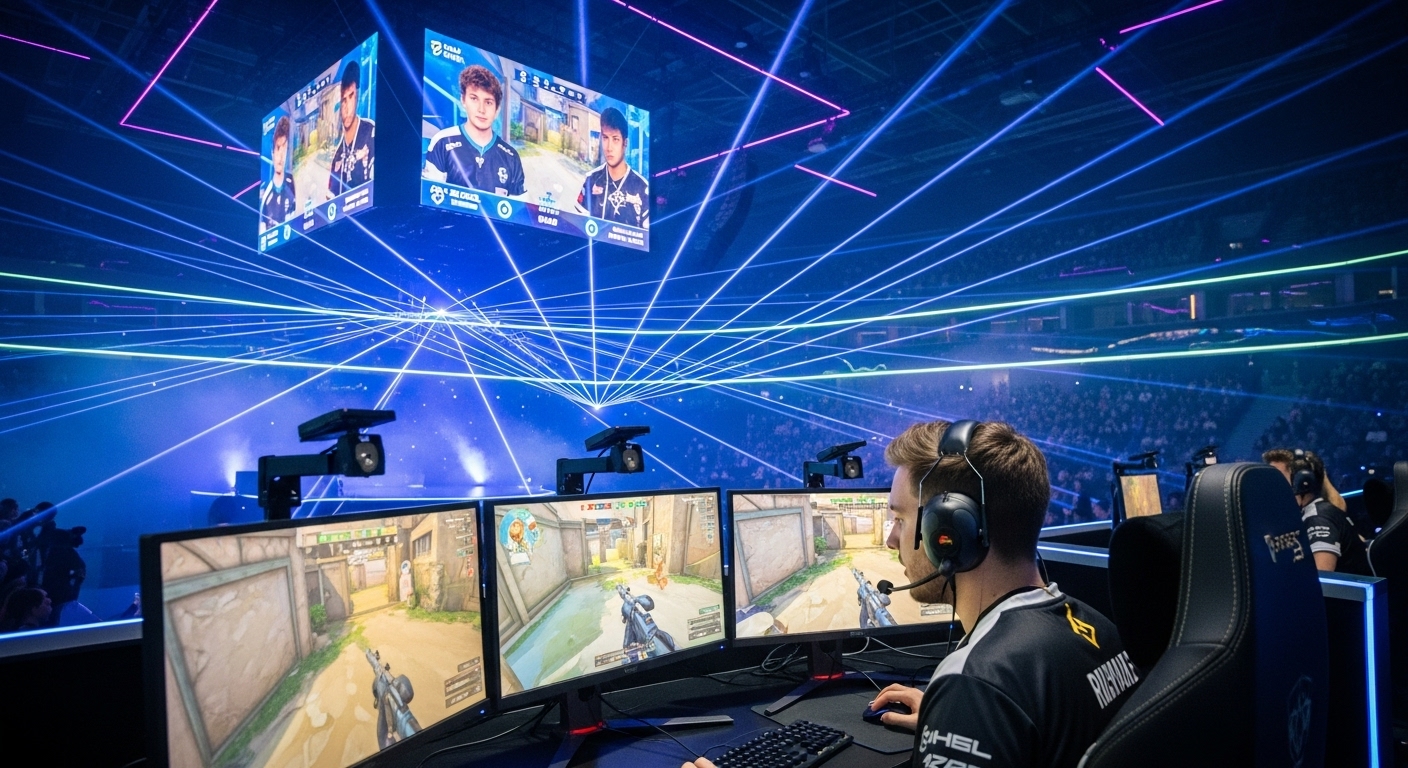
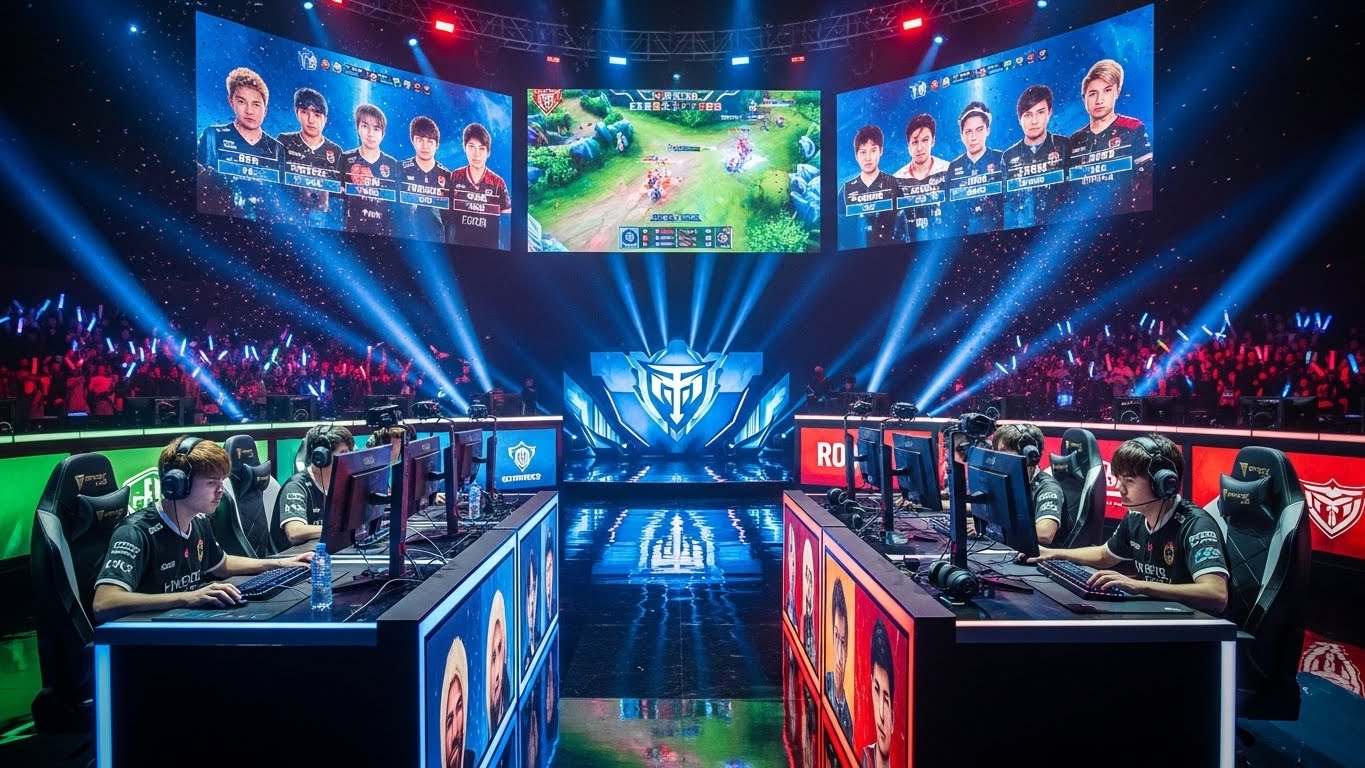
Major tournaments now rival traditional sports in scale and spectacle. Live events attract thousands of spectators, while online streaming allows millions of fans worldwide to follow competitions in real time. Professional esports players earn recognition, sponsorships, and income, demonstrating that gaming is no longer just a hobby—it is a profession.
Skills Required for Esports Excellence
Success in esports requires a combination of physical precision and mental acuity. Players must develop excellent hand-eye coordination, reflexes, and accuracy. In high-speed games, milliseconds can determine victory or defeat.
Mental skills are equally important. Strategic thinking, adaptability, decision-making under pressure, and situational awareness define elite esports competitors. Team-based games also require communication, collaboration, and leadership, demonstrating that esports demands both individual skill and group synergy.
The Role of Training and Discipline
Professional esports players adhere to structured training routines similar to those in traditional sports. Practice sessions focus on technical skills, strategic planning, and teamwork. Reviewing past matches helps players identify weaknesses and refine tactics.
Discipline extends beyond gameplay. Maintaining a balanced schedule, managing stress, and ensuring adequate rest are essential for peak performance. Professional esports demonstrates that dedication, preparation, and consistent practice are crucial components of success.
Physical and Mental Health Considerations
Although esports is digitally based, physical and mental health remain vital. Long hours of gameplay can lead to eye strain, poor posture, and musculoskeletal issues. Many professional teams incorporate physical exercise, stretching routines, and ergonomic setups to mitigate these risks.
Mental health is equally critical. Competitive pressure, public scrutiny, and high-stakes environments can contribute to stress and burnout. Teams now provide mental health support, emphasizing rest, mindfulness, and work-life balance. Healthy players are more focused, adaptable, and resilient, underscoring the importance of wellness in esports.
Esports as a Career and Industry
Esports offers diverse career opportunities beyond professional play. Coaches, analysts, commentators, content creators, event organizers, and marketers are essential to the industry’s growth. Sponsorships, merchandise, and broadcasting rights create significant economic impact.
Educational institutions have begun recognizing esports as a legitimate pursuit. Universities offer esports programs that teach strategy, digital literacy, and leadership skills. These programs validate esports as both a professional path and a tool for personal development.
Community and Social Engagement
Esports thrives on community engagement. Players and fans connect across continents through online platforms, forums, and social media. Communities form around favorite games, teams, or players, creating a sense of belonging and shared identity.
These communities extend beyond gameplay. Fans collaborate on content creation, share strategies, and celebrate victories together. Social interaction within esports demonstrates its role as a connector, fostering friendships, mentorship, and global collaboration.
Cultural Influence of Esports
Esports has become a cultural phenomenon. Competitive gaming terminology, personalities, and aesthetics now influence music, fashion, media, and pop culture. Professional players often serve as role models, inspiring dedication, creativity, and ambition.
Major esports events resemble cultural festivals, blending competition, performance, and entertainment. They attract global attention, showcase innovation, and shape cultural trends. Esports is not just a hobby; it is a defining element of contemporary culture.
Technology as the Foundation of Esports
Technology underpins every aspect of esports. High-performance gaming hardware, optimized software, and reliable internet connectivity enable competitive play. Game developers continuously refine mechanics, graphics, and balance to maintain fairness and challenge.
Broadcasting innovations allow millions of viewers to watch matches live with commentary, analytics, and interactive features. Esports is a prime example of how technology amplifies entertainment, engagement, and accessibility on a global scale.
Global Reach and International Competition
Esports is truly global. Players and teams from Asia, Europe, the Americas, and beyond compete at international levels. Global tournaments bring together diverse talent, creating excitement, rivalries, and cultural exchange.
Fans worldwide follow competitions, support teams, and celebrate victories together. Esports transcends geography and language, proving that digital competition can unite communities and foster a sense of shared passion.
Educational and Developmental Benefits
Participation in esports cultivates valuable skills. Strategic games improve problem-solving, critical thinking, and adaptability. Team-based games enhance communication, leadership, and collaboration. These skills translate into academic and professional contexts.
Esports also encourages digital literacy, data analysis, and responsible online interaction. Players develop skills that prepare them for modern workplaces, demonstrating the educational potential of competitive gaming.
Challenges Facing Esports
Despite rapid growth, esports faces challenges. Player burnout, lack of standardized regulations in some regions, and issues around fair treatment require attention. Ensuring inclusion, equity, and ethical practices is essential for sustainable development.
Toxicity in online communities, harassment, and unhealthy consumption patterns also present challenges. Addressing these concerns requires collaboration among developers, teams, organizers, and players. Responsible management ensures esports remains a positive and rewarding experience.
The Future of Esports
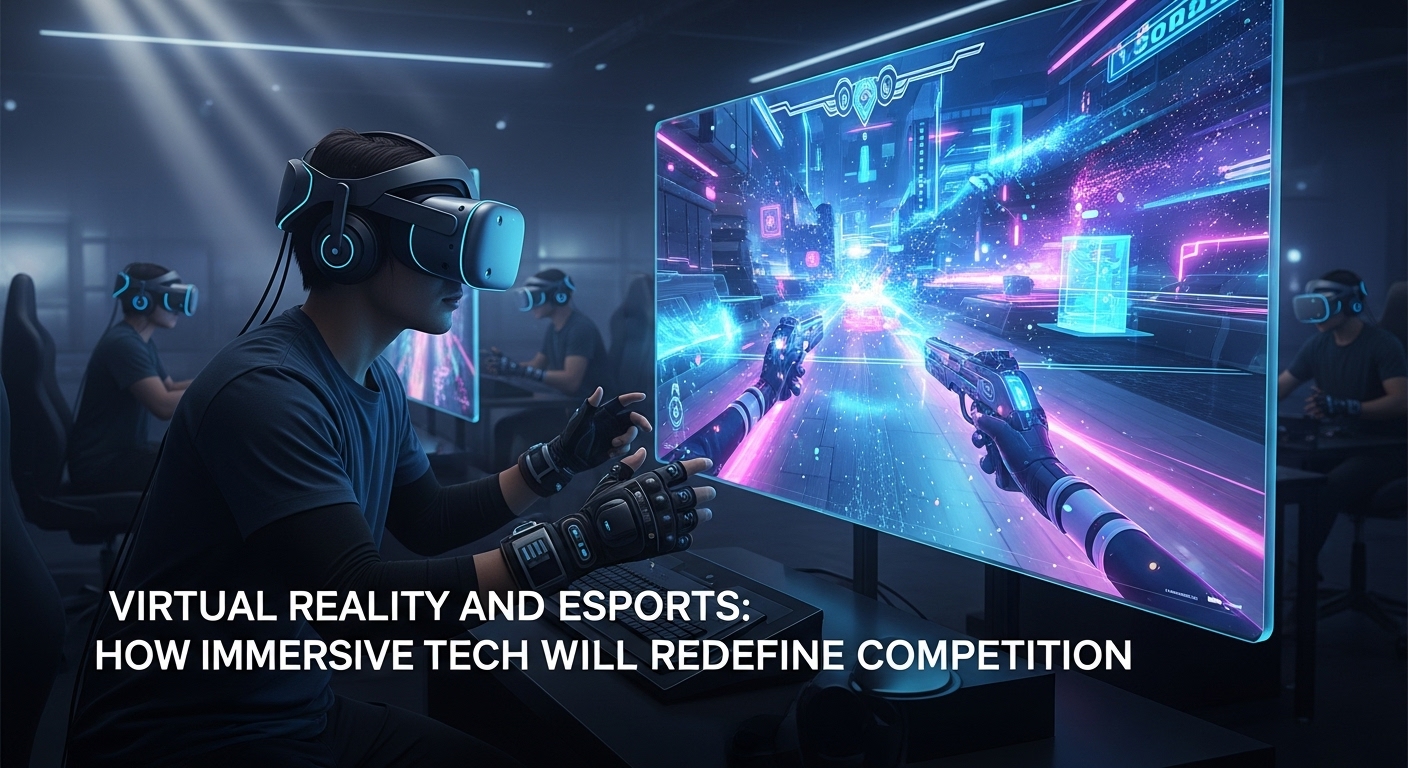
The future of esports is promising and dynamic. Advances in virtual reality, augmented reality, and artificial intelligence will create new ways to play and spectate. Mobile gaming and streaming technology will make competitive experiences accessible to broader audiences.
Esports is likely to integrate further with mainstream entertainment, education, and global sporting culture. As technology and creativity evolve, esports will continue to innovate, inspiring players, fans, and communities worldwide.
Conclusion
Esports has transformed competitive gaming into a global cultural and professional phenomenon. It combines strategy, skill, technology, and community engagement in ways that mirror traditional sports while introducing unique digital possibilities. Beyond entertainment, esports fosters personal development, social connection, and career opportunities.
From local competitions to international championships, esports has proven that digital arenas can inspire real achievement, resilience, and cultural impact. As the industry continues to grow and evolve, esports will remain a defining force in modern culture, bridging technology, competition, and human creativity in unprecedented ways.