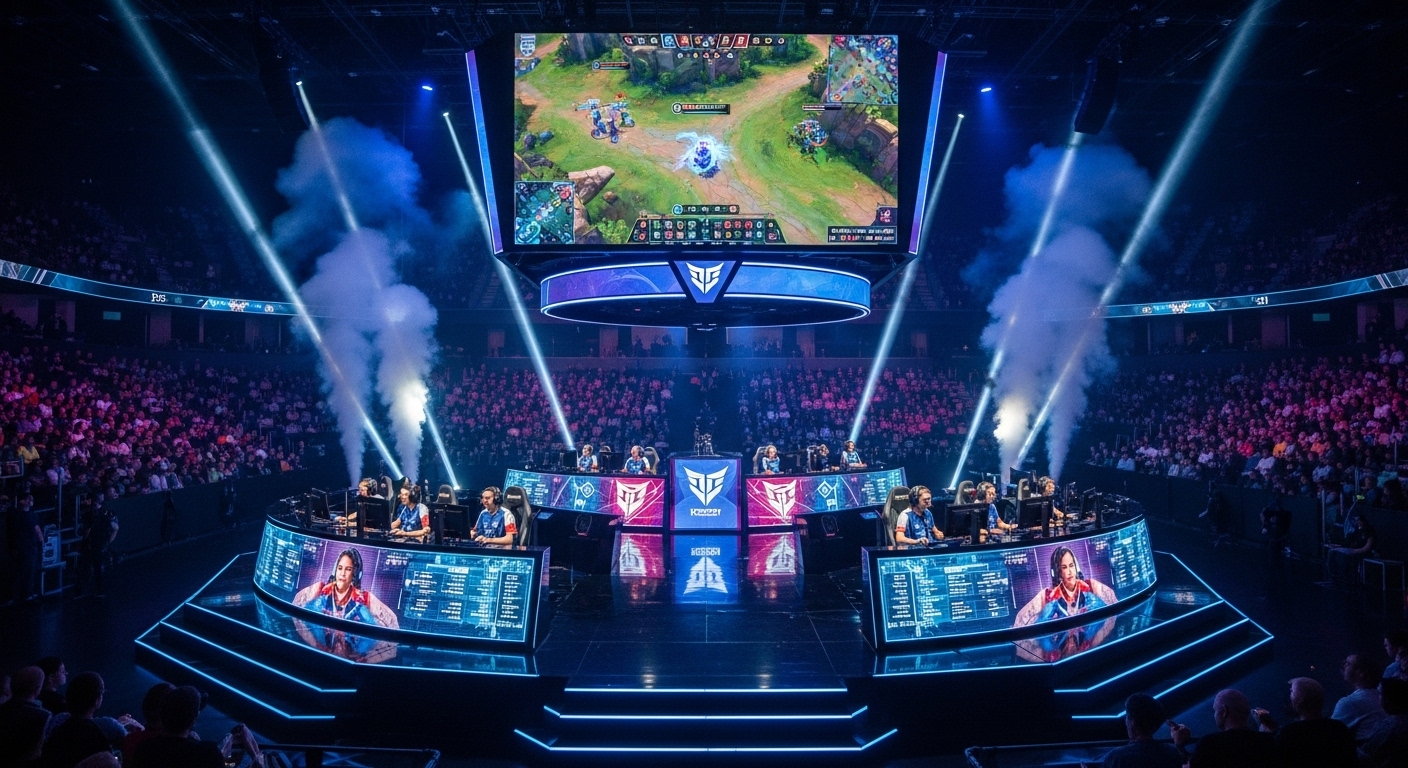
Esports, or competitive video gaming, has evolved from a niche pastime into a global phenomenon, attracting millions of viewers, professional players, and substantial investments. What started as small gatherings of enthusiasts competing for high scores in arcades has transformed into a fully-fledged industry with professional leagues, international tournaments, sponsorship deals, and a devoted fanbase. This evolution represents not only technological progress but also a cultural shift in how entertainment and competition are perceived.
Today, esports is more than just playing video games. It combines strategy, skill, teamwork, and performance, creating experiences that engage both participants and audiences. Its growth has been fueled by the widespread availability of high-speed internet, powerful gaming hardware, and the rise of streaming platforms, which allow fans to engage with content in real time. Esports has become a global stage where talent, dedication, and innovation define success.
This blog explores the history, development, and impact of esports. It examines the key games, players, tournaments, and business ecosystem that have shaped the industry and looks at the cultural, technological, and social factors driving its continued growth.
Early Beginnings: Competitive Gaming in the 1970s and 1980s
The roots of esports can be traced back to the first generation of video games. In the 1970s, arcade games like Pong and Space Invaders introduced players to competition through high scores. These early games provided the first taste of competitive play, where players could compare skills and achievements in public spaces. Arcades became informal arenas, fostering camaraderie, rivalry, and community.
One notable milestone was the 1980 Space Invaders tournament sponsored by Atari, which drew thousands of participants. This event demonstrated the potential for organized competitive gaming and highlighted the public’s interest in gaming as more than just a leisure activity. As home consoles and personal computers became more accessible in the 1980s, competitive gaming began to move beyond arcades, forming the foundation for the professional esports industry.
The Rise of PC Gaming in the 1990s
The 1990s marked a turning point for esports with the rise of personal computers as gaming platforms. Games like Doom, Quake, and StarCraft introduced multiplayer modes, enabling players to compete in real time across networks. Local Area Network (LAN) parties emerged as social hubs where gamers could connect, share strategies, and compete at the highest levels.
StarCraft, released in 1998, was a transformative game for esports, particularly in South Korea. The country developed a robust infrastructure for professional gaming, including leagues, televised matches, and dedicated training facilities. Players trained rigorously, often for several hours a day, and earned salaries and sponsorships. This professional model established esports as a legitimate career path and served as an example for other regions seeking to cultivate competitive gaming cultures.
The Birth of Esports Leagues
The early 2000s saw the formalization of esports through organized leagues and tournaments. Games like Counter-Strike, Warcraft III, and later League of Legends became the pillars of competitive gaming. Organizations were established to manage teams, host events, and secure sponsorships, creating a structured environment similar to traditional sports.
Streaming platforms and online communities played a critical role in the growth of esports. Fans could watch matches, discuss strategies, and engage with players directly. This interactivity created a sense of belonging and heightened investment in the competitions. Major tournaments, such as the Electronic Sports World Cup and the World Cyber Games, demonstrated the global appeal of esports and helped standardize competition rules and professional structures.
Popular Esports Genres and Titles
Esports spans a variety of game genres, each with unique competitive mechanics and communities. Multiplayer Online Battle Arena (MOBA) games, such as League of Legends and Dota 2, emphasize strategy, teamwork, and long-term planning. First-Person Shooters (FPS) like Counter-Strike: Global Offensive and Call of Duty focus on reflexes, precision, and tactical coordination.
Real-Time Strategy (RTS) games, including StarCraft, challenge players to manage resources, execute complex strategies, and adapt to opponents’ tactics under intense pressure. Fighting games, racing simulators, and battle royale games like Fortnite also contribute to the esports ecosystem, each cultivating its own fan base and professional circuit. The diversity of esports genres ensures that competitive gaming appeals to a wide range of players and spectators.
Global Expansion of Esports
Esports is now a worldwide phenomenon, with thriving communities in North America, Europe, South Korea, China, and Southeast Asia. Each region has contributed uniquely to the industry. South Korea pioneered professional esports infrastructure, with televised leagues and structured training programs. China has heavily invested in esports arenas, development programs, and large-scale tournaments. North America and Europe emphasize franchised leagues, sponsorship partnerships, and mainstream media integration.
The global nature of esports allows players from different countries to compete at the highest levels. International tournaments attract millions of viewers online, fostering a shared experience that transcends language and cultural barriers. Digital accessibility ensures that fans worldwide can engage in real-time, contributing to a sense of community and belonging.
The Role of Streaming Platforms
Streaming platforms have revolutionized esports by providing a direct link between players and audiences. Platforms such as Twitch, YouTube Gaming, and regional services allow fans to watch matches live, interact with chat communities, and engage with players. This interactivity strengthens fan loyalty and enhances the viewing experience.
Streaming has also created new opportunities for content creators. Players can build personal brands, share gameplay, offer tutorials, and interact with fans outside of official tournaments. Social media amplifies this effect, spreading highlights, memes, and interviews across global communities. The combination of live streaming and social media has transformed esports into a participatory and culturally influential medium.
Professional Players and Team Dynamics
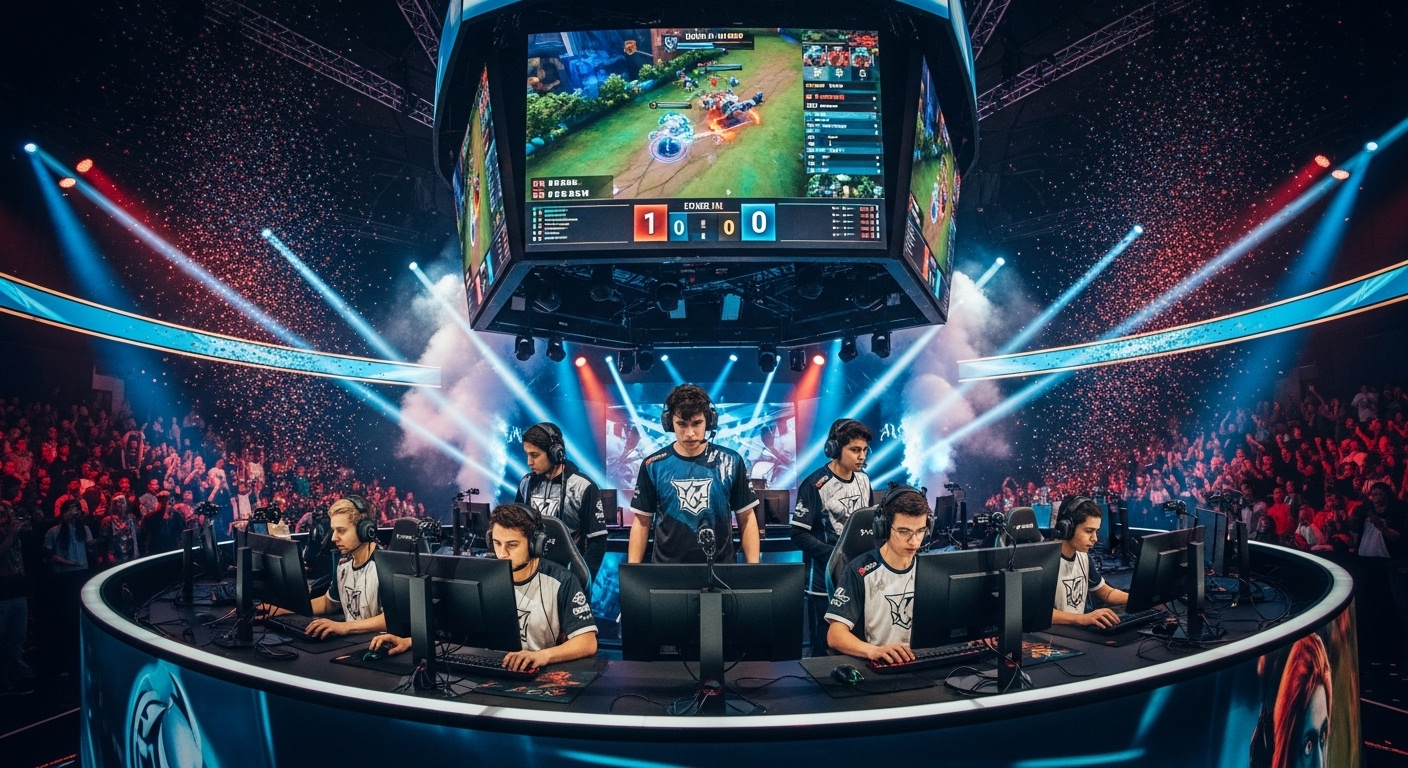
Professional esports players are highly skilled athletes. They dedicate extensive hours to training, refining strategies, and maintaining physical and mental fitness. Many teams employ coaches, analysts, and psychologists to optimize performance and prevent burnout.
Team dynamics are critical in esports. Players must communicate effectively, coordinate strategies, and maintain composure under pressure. Leadership, adaptability, and mutual trust are essential to success. These factors elevate esports from individual skill to collaborative performance, making it a complex and demanding competitive pursuit.
Tournaments and Competitive Structures
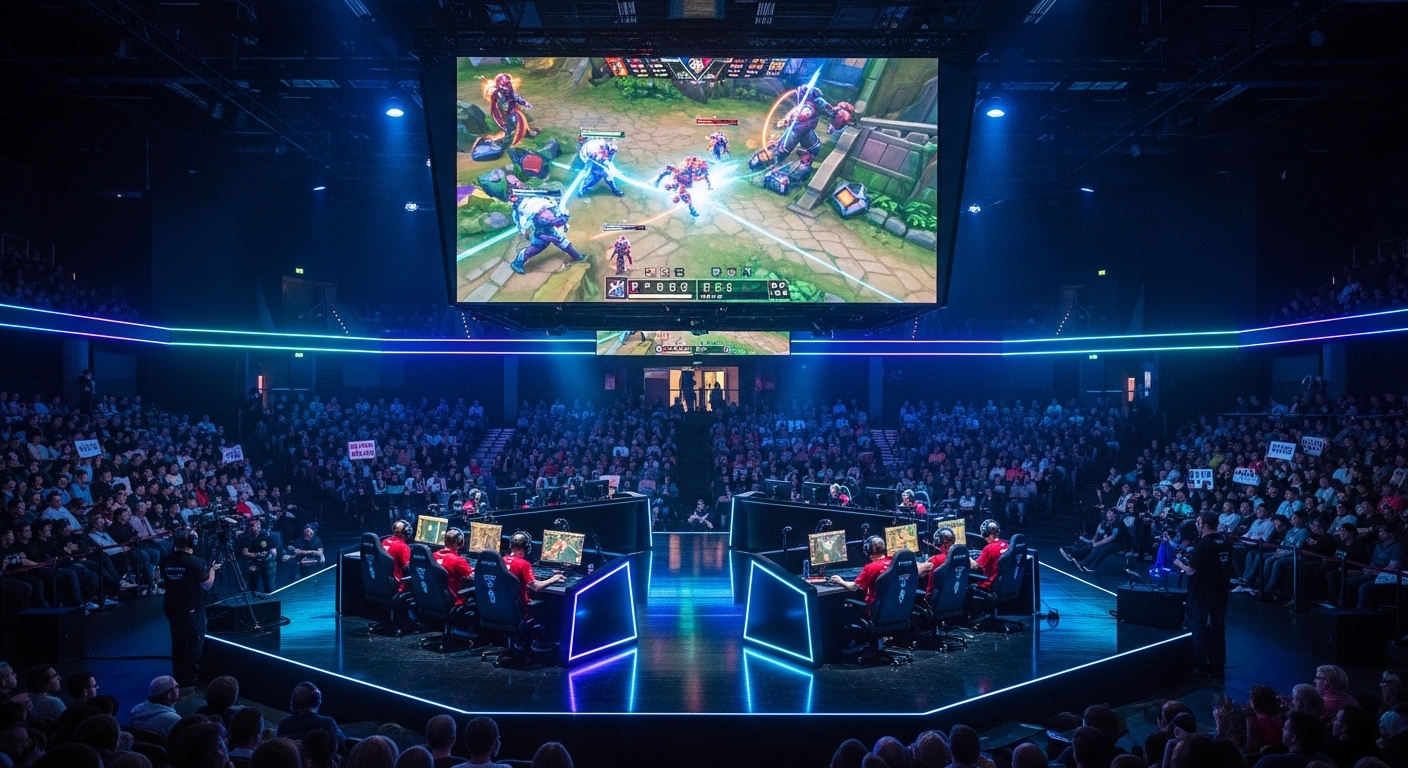
Esports tournaments range from local competitions to global championships with multi-million-dollar prize pools. Events like The International for Dota 2, the League of Legends World Championship, and the Overwatch League showcase professional gaming at the highest level. Tournaments often follow structured formats, including group stages, double-elimination brackets, and best-of-series matches, ensuring fairness and testing players’ abilities comprehensively.
Tournament production has also become highly sophisticated. Professional casting, live commentary, interactive graphics, and spectator-friendly viewing enhance the entertainment value. Fans can follow storylines, track player statistics, and celebrate victories, creating a dynamic and engaging experience akin to traditional sports.
The Business Side of Esports
Esports has become a multi-billion-dollar industry, attracting investors, brands, and sponsors. Revenue comes from tournament prize pools, media rights, advertising, merchandise, and team sponsorships. Companies from technology, energy drinks, apparel, and lifestyle sectors recognize the value of engaging esports’ young, highly connected audience.
Professional teams function similarly to traditional sports franchises. Players sign contracts, receive salaries, and earn performance-based bonuses. Investments in infrastructure, marketing, and talent development support the growth of esports, making it a sustainable and lucrative industry.
Cultural Impact of Esports
Esports has influenced culture by creating new forms of celebrity, narratives, and shared experiences. Fans celebrate achievements, analyze gameplay, and participate in online communities. Cosplay, fan art, and online forums contribute to a rich culture surrounding esports, blending creativity with fandom.
Competitive gaming also challenges traditional stereotypes about gamers. It highlights strategy, discipline, and teamwork, showing that esports requires dedication and skill comparable to traditional sports. Professional players serve as role models for younger audiences, inspiring new generations to pursue careers in gaming, streaming, and game development.
Challenges Facing Esports
Despite its rapid growth, esports faces challenges. Player burnout and mental health are significant concerns due to long training hours, travel schedules, and high-pressure environments. Teams and organizations must implement support systems to ensure sustainable careers.
Cheating, performance-enhancing software, and match-fixing threaten the integrity of competitions. Strict monitoring and regulations are essential to maintain credibility. Additionally, unequal access to high-speed internet and gaming hardware creates participation disparities, limiting the global reach of esports in certain regions.
The Future of Esports
The future of esports is bright and full of possibilities. Emerging technologies such as virtual reality, cloud gaming, and augmented reality will redefine competitive experiences. Interactive broadcasting, immersive gameplay, and global participation will continue to expand the industry’s reach.
Esports may further integrate with traditional sports, with professional teams, franchised leagues, and international competitions solidifying its legitimacy. Investment in infrastructure, coaching, and talent development will sustain growth. Cultural influence will expand, with esports shaping entertainment, media, and youth culture worldwide.
Conclusion
Esports has transformed from a niche hobby into a global entertainment powerhouse. With professional players, international tournaments, and millions of fans, it is now a legitimate industry that rivals traditional sports in impact and scale.
The growth of streaming platforms, social media, and global competitions has created an interconnected ecosystem where players, fans, and organizations thrive. Esports demands skill, strategy, teamwork, and mental fortitude, demonstrating that competitive gaming is far more than a leisure activity.
As technology advances and the global audience continues to expand, esports will remain at the forefront of digital entertainment. It is a cultural phenomenon, a professional pursuit, and a testament to the power of creativity, competition, and human connection in the digital age.
Esports is no longer just a game; it is a global stage where skill, strategy, and passion converge to captivate audiences around the world.