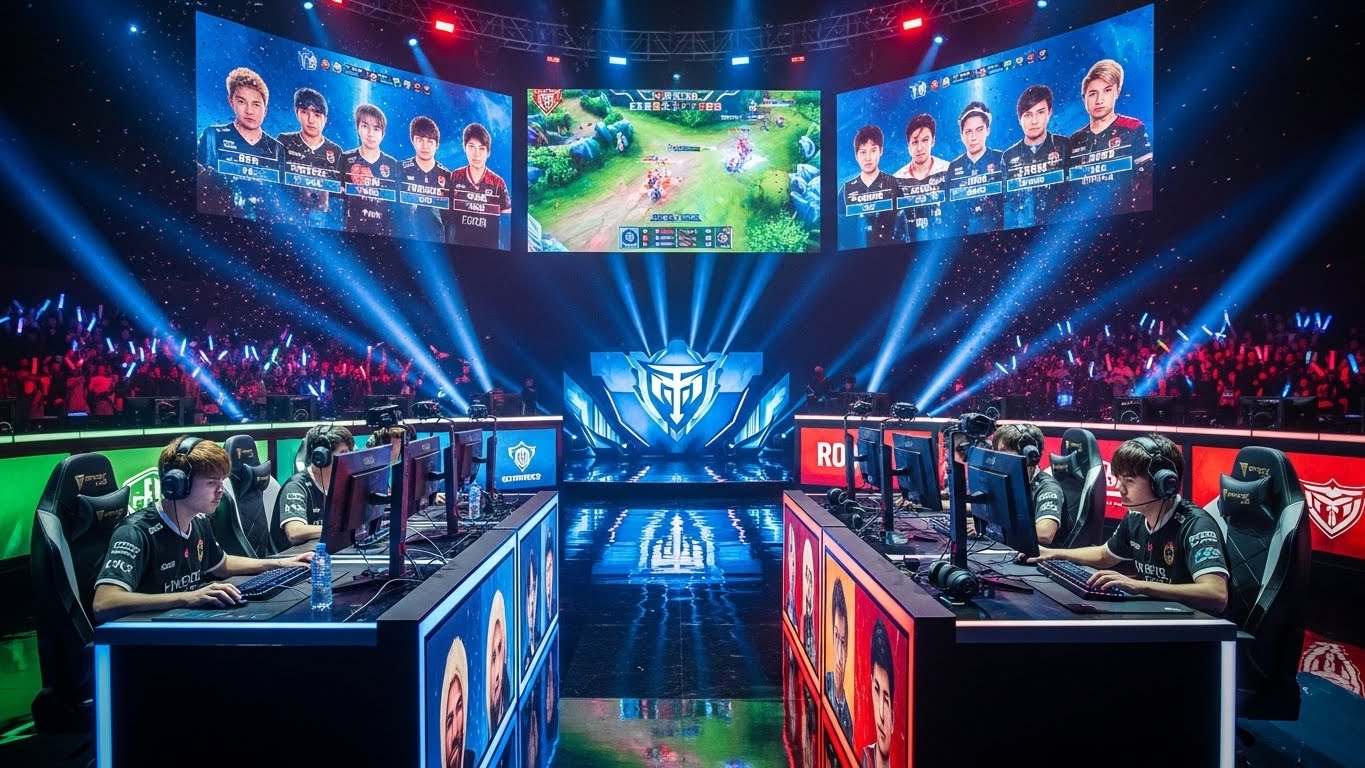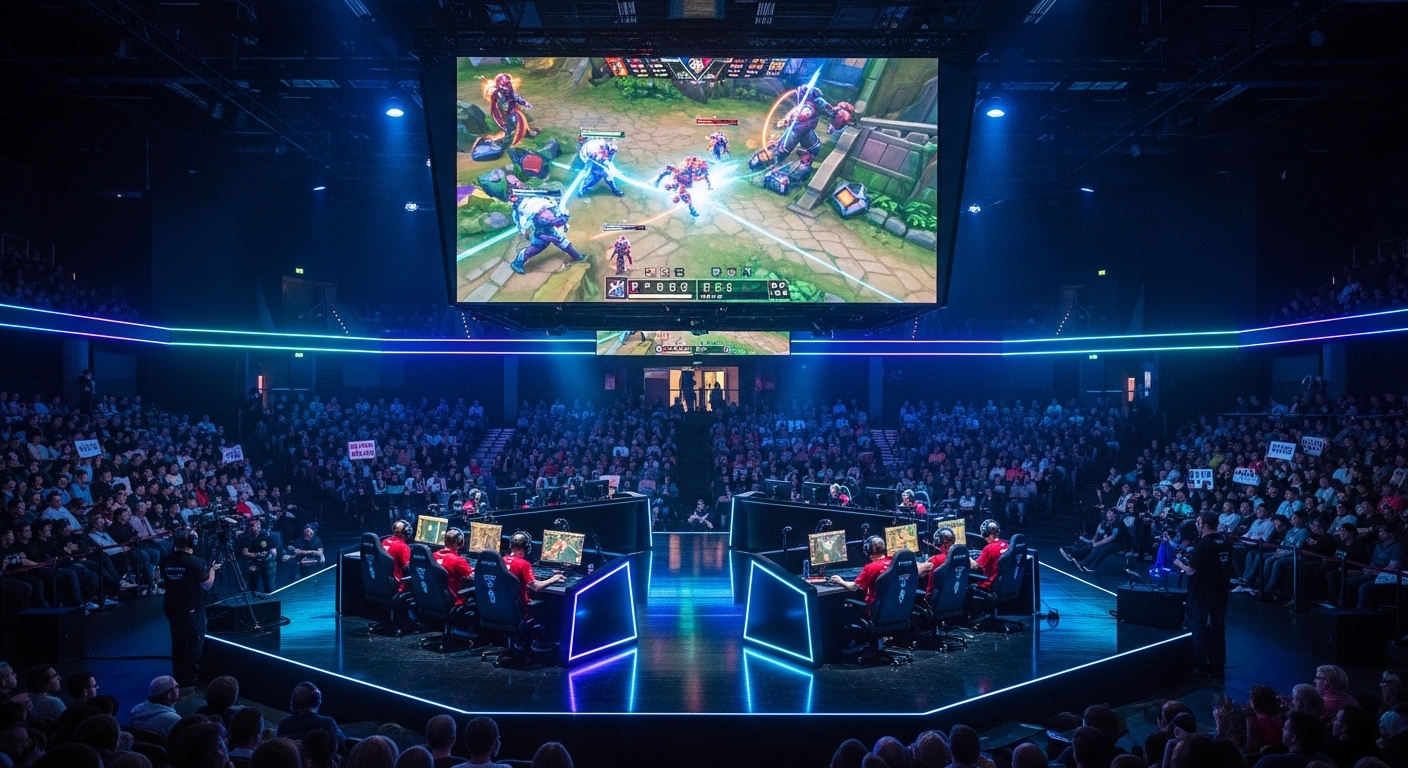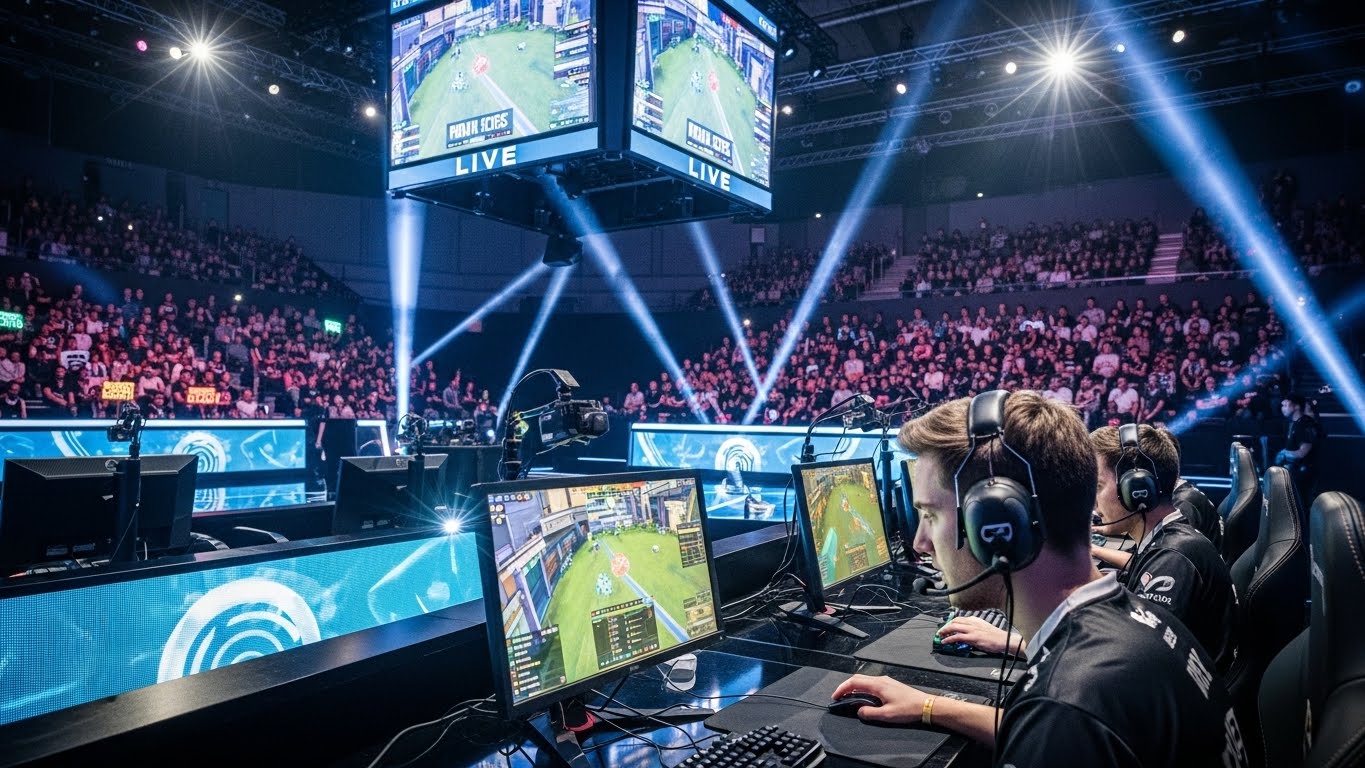
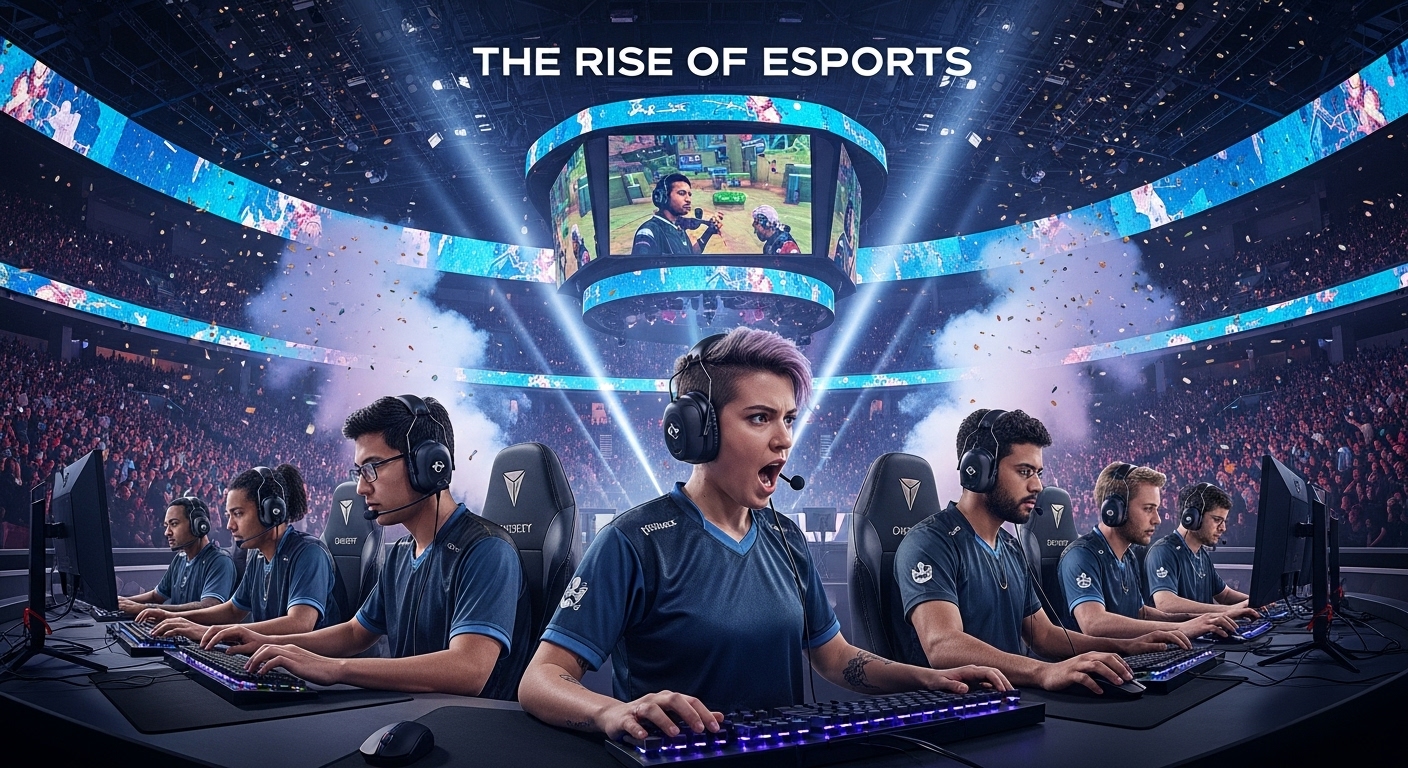
Esports, short for electronic sports, has evolved from a niche hobby into a global cultural and competitive phenomenon. What was once a pastime for a small group of gaming enthusiasts has transformed into a billion-dollar industry with professional leagues, international tournaments, and millions of viewers tuning in from across the world. This transformation did not happen overnight. It is the result of technological advancements, cultural shifts, and a growing recognition of gaming as a legitimate form of competition and entertainment.
The Early Days of Competitive Gaming
The origins of competitive gaming can be traced back to the late 1970s and early 1980s when arcade machines became a popular form of entertainment. Games like Space Invaders and Pac-Man were not only played casually but also competitively, with players striving to achieve high scores. The first recorded video game competition took place in 1972 at Stanford University, where students competed in a game called Spacewar. This event laid the foundation for the concept of competitive gaming.
In the 1980s, gaming tournaments began to gain traction, particularly in arcades across the United States and Japan. Magazines started publishing high-score leaderboards, and competitions like the Space Invaders Championship in 1980 drew thousands of participants. These early competitions were primarily local and lacked the organizational structure we associate with esports today. However, they demonstrated the potential for video games to engage large audiences and foster competitive communities.
The Rise of Multiplayer Gaming
The 1990s marked a significant shift in the gaming landscape with the advent of multiplayer games. Titles like Doom, Quake, and StarCraft allowed players to compete against one another in real-time, creating new opportunities for competitive play. The rise of the internet played a pivotal role in this era, enabling players to connect and compete with others from different parts of the world. LAN parties, where gamers would gather with their computers to play together, became a popular social and competitive activity.
StarCraft, released in 1998, was particularly influential in the development of esports. Its strategic gameplay and balanced mechanics made it an ideal platform for competitive gaming. In South Korea, StarCraft competitions gained immense popularity, eventually leading to the establishment of professional leagues and televised matches. This period marked the beginning of esports as a legitimate competitive pursuit rather than just a hobby.
The Professionalization of Esports
As the 2000s approached, esports began to professionalize. Dedicated teams and organizations emerged, offering salaries and sponsorships to talented players. Games like Counter-Strike, Warcraft III, and later League of Legends became central to the competitive scene. Tournaments started offering significant prize pools, attracting players who were willing to dedicate their time and skills to mastering these games.
Television and online streaming platforms began to play a crucial role in expanding esports audiences. Networks in South Korea broadcasted esports events, while platforms like YouTube and Twitch allowed global audiences to watch matches live. This visibility helped legitimize esports as a professional endeavor and created opportunities for players to earn a living through competitions, sponsorships, and content creation.
The Global Expansion of Esports
The 2010s witnessed explosive growth in the global esports industry. Games like Dota 2, League of Legends, and Counter-Strike: Global Offensive attracted millions of players and viewers worldwide. Major tournaments, such as The International for Dota 2 and the League of Legends World Championship, offered prize pools in the tens of millions, rivaling traditional sports events. These tournaments also introduced elaborate production values, with professional commentators, analysts, and live audiences, further enhancing the spectator experience.
Esports also expanded beyond traditional PC games to include console gaming and mobile esports. Titles like Call of Duty, Fortnite, and PUBG Mobile attracted diverse audiences and showcased the adaptability of esports across different gaming platforms. The accessibility of mobile games, in particular, helped bring esports to regions where PC gaming infrastructure was limited, further fueling its global reach.
Esports as a Career
One of the most significant developments in esports is the recognition of gaming as a viable career. Professional players can earn substantial incomes through tournament winnings, team salaries, streaming revenue, and sponsorship deals. Popular esports athletes have achieved celebrity status, with fan followings rivaling those of traditional sports stars.
Coaches, analysts, and content creators have also found career opportunities within esports. Teams employ dedicated staff to develop strategies, analyze opponents, and manage training schedules, similar to traditional sports organizations. The professionalization of esports has created a sustainable ecosystem that supports players and staff, ensuring the industry’s growth and stability.
The Role of Technology in Esports
Technological advancements have been instrumental in the rise of esports. High-speed internet, powerful gaming hardware, and streaming platforms have enabled competitive gaming to flourish. Game developers continuously update titles with new features, balancing mechanics, and competitive modes to maintain player engagement and fairness in competitions.
Virtual reality and augmented reality are also beginning to influence the esports landscape. While still in their early stages, VR esports competitions are emerging, offering immersive experiences for both players and spectators. Technology has not only enhanced gameplay but also transformed how audiences interact with esports, creating opportunities for interactive viewing experiences, live betting, and fan engagement.
Cultural Impact of Esports
Esports has had a profound impact on global culture. Gaming conventions, live events, and online communities have created spaces for fans to connect, share experiences, and celebrate competitive gaming. Esports has also influenced traditional sports, with some leagues adopting gaming tournaments as part of their events to engage younger audiences.
The cultural acceptance of gaming has shifted dramatically in the past decade. Parents, educators, and mainstream media increasingly recognize the skills developed through esports, such as strategic thinking, teamwork, and quick decision-making. Universities and colleges now offer scholarships for esports athletes, further legitimizing gaming as an educational and professional pursuit.
Challenges Facing the Esports Industry
Despite its growth, the esports industry faces several challenges. Player burnout, mental health issues, and the pressures of competition are significant concerns. The intense training schedules and high expectations can lead to stress, fatigue, and anxiety among professional players. Addressing these issues requires support systems, mental health resources, and sustainable career management practices.
Additionally, the industry must navigate regulatory and ethical considerations. Issues such as cheating, doping, and gambling need oversight to maintain fairness and integrity. Organizations and governing bodies are increasingly establishing rules and standards to ensure that esports remains a credible and reputable form of competition.
The Future of Esports
The future of esports looks promising, with continued growth expected across all regions and platforms. Emerging technologies, such as artificial intelligence and advanced analytics, will enhance gameplay, training, and spectator experiences. The integration of esports with mainstream entertainment, traditional sports, and education will further solidify its cultural significance.
As esports becomes more mainstream, it will continue to attract diverse audiences and talent. Opportunities for women, minorities, and players from underrepresented regions are expanding, contributing to a more inclusive and global esports community. The potential for esports to influence broader societal trends, including education, technology adoption, and entertainment, is immense.
Conclusion
Esports has evolved from a niche hobby into a global phenomenon that transcends geographical and cultural boundaries. Its growth is driven by technological innovation, professionalization, and cultural acceptance. As the industry continues to mature, esports will not only provide entertainment and career opportunities but also shape the future of digital competition and interactive experiences. The journey of esports is a testament to human creativity, adaptability, and the enduring appeal of competition in all its forms.