
Introduction
eSports, short for electronic sports, has grown into one of the fastest-growing entertainment industries in the world. What began as casual video game competitions has transformed into a professional arena where skill, strategy, and teamwork are celebrated globally. eSports engages millions of players and spectators, creating a vibrant digital community and redefining the way people experience competition.
The Origins and Growth of eSports
The roots of eSports can be traced back to small gaming competitions in arcades and early computer games. With the rise of the internet and online multiplayer platforms, gaming evolved into a global phenomenon. Today, eSports features organized leagues, professional teams, and international tournaments, with audiences rivaling traditional sports events. This growth reflects the increasing recognition of gaming as a legitimate competitive and entertainment platform.
Popular eSports Games
eSports encompasses a wide range of games that test different skills and strategies. Multiplayer Online Battle Arenas (MOBAs) like League of Legends and Dota 2 focus on teamwork and tactical planning. First-Person Shooters (FPS) such as Counter-Strike and Call of Duty demand precision, quick reflexes, and decision-making under pressure. Battle royale games and sports simulations also enjoy massive popularity, providing diverse experiences that appeal to competitive players worldwide.
Professional Players and Teams
Professional eSports players dedicate hours of practice to refine their skills, develop strategies, and maintain peak performance. Teams often have coaches, analysts, and support staff to enhance performance and coordination. Players compete for prize money, sponsorships, and global recognition, transforming gaming from a hobby into a serious career. Their dedication demonstrates the discipline and commitment required to succeed at the highest level.
Major Tournaments and Global Competitions
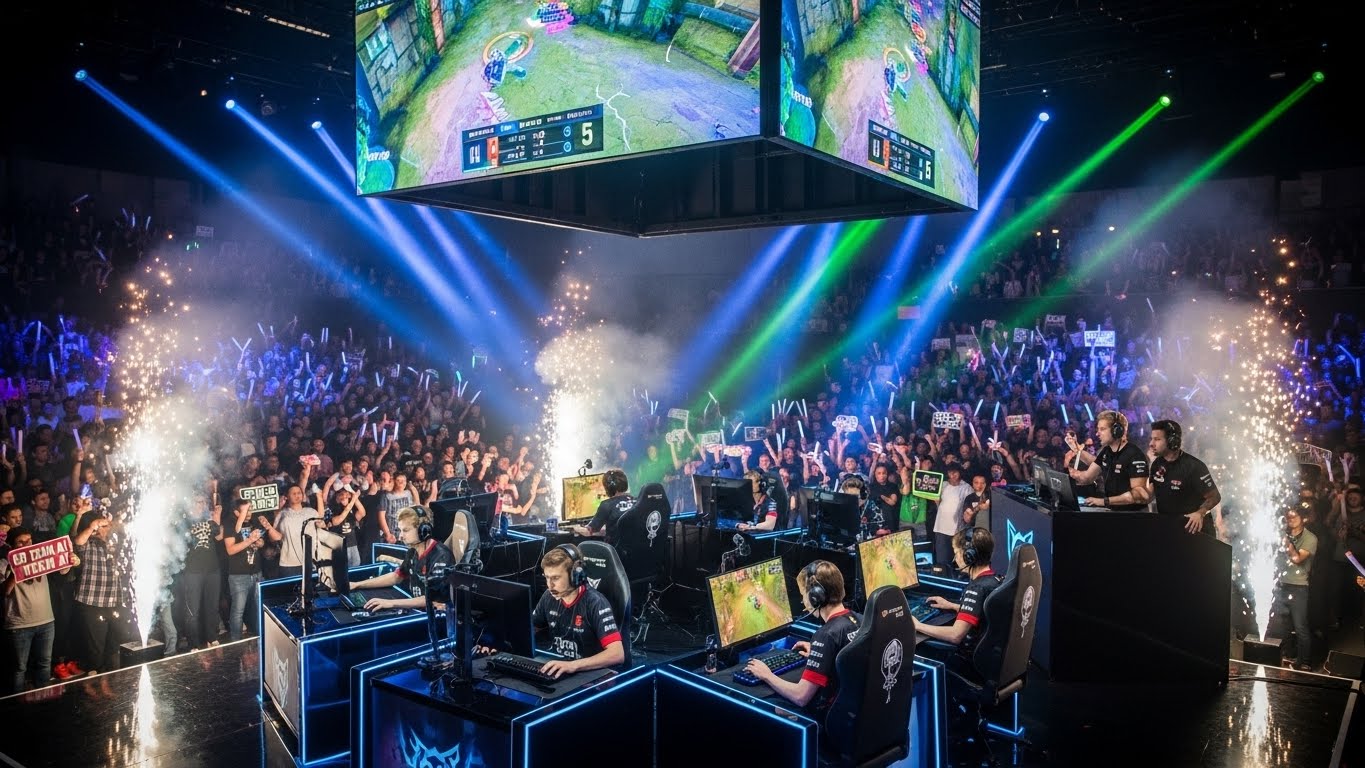
Tournaments are the lifeblood of eSports. Events like The International, League of Legends World Championship, and Fortnite World Cup attract millions of viewers, both online and in stadiums. These competitions combine intense gameplay, strategic depth, and entertainment value, making eSports a spectacle comparable to traditional sporting events. They provide players with opportunities to showcase talent and inspire fans around the world.
Technology and Innovation in eSports
Technology is central to the growth of eSports. High-performance computers, fast internet connections, and advanced graphics engines enhance gameplay and viewing experiences. Live streaming platforms allow fans to watch matches in real time, interact with players, and follow global competitions. Emerging technologies like virtual reality, augmented reality, and artificial intelligence are expanding the possibilities for immersive and interactive gameplay.
The Social and Cultural Impact of eSports
eSports has created global communities where players and fans connect, share experiences, and build friendships. It influences popular culture, from music and fashion to media and entertainment. Additionally, eSports teaches valuable skills such as teamwork, strategic thinking, and problem-solving. It fosters inclusivity, bringing together people from diverse backgrounds united by a shared passion for gaming.
The Future of eSports
The future of eSports is bright and full of potential. As technology continues to advance, competitions will become more immersive and interactive. Professional opportunities will expand, and educational institutions may increasingly incorporate eSports programs. With growing sponsorships, media coverage, and global interest, eSports is poised to become an integral part of mainstream entertainment and competitive culture.
Conclusion
eSports has transformed competitive gaming into a global phenomenon that entertains, connects, and inspires millions. With professional players, international tournaments, and technological innovation, it has redefined the meaning of competition in the digital age. As eSports continues to evolve, it will remain a powerful force shaping entertainment, culture, and the future of gaming worldwide.