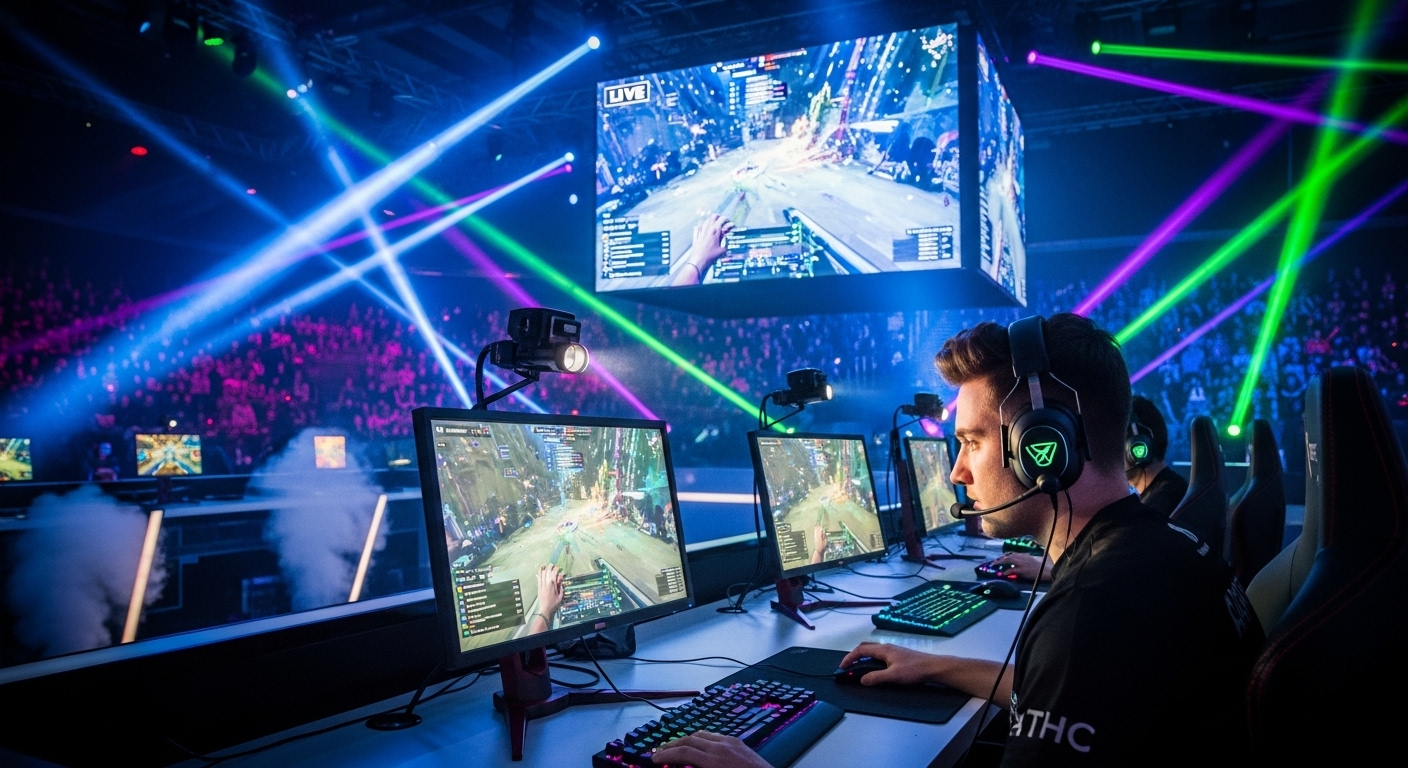
Introduction to the World of Esports
In the last two decades, few industries have grown as rapidly and dramatically as esports. What once started as small gaming competitions held in dimly lit internet cafés has now evolved into a multibillion-dollar global phenomenon that rivals traditional sports in viewership, sponsorships, and fan engagement. Esports, short for electronic sports, refers to organized, competitive video gaming where professional players and teams compete in popular games for fame, fortune, and glory. From titles like League of Legends, Dota 2, and Counter-Strike to modern-day giants such as Valorant and Fortnite, esports has become a major form of entertainment and cultural influence in today’s digital age.
The rise of esports reflects more than just the popularity of gaming—it symbolizes the merging of technology, media, and human competition. It represents how digital culture has reshaped entertainment, creating new heroes, communities, and industries that thrive entirely in virtual spaces.
The Origins of Competitive Gaming
The concept of competitive gaming dates back to the early 1970s, when video games were still a novelty. One of the earliest recorded gaming competitions took place at Stanford University in 1972, where students competed in the game Spacewar! for a subscription to a magazine. Though the event was small, it marked the beginning of what would become a global movement.
The 1980s saw the emergence of arcade culture. Games like Pac-Man and Donkey Kong inspired players to compete for high scores and recognition. Leaderboards displayed in arcades became early indicators of gaming prestige. In 1980, Atari hosted the Space Invaders Championship, attracting over 10,000 participants and becoming one of the first large-scale gaming tournaments.
However, it wasn’t until the 1990s that the true spirit of esports began to take shape. The rise of personal computers, local area networks (LANs), and the internet made multiplayer gaming more accessible. Titles such as Quake, StarCraft, and Counter-Strike introduced competitive play that could be enjoyed not just locally but globally.
The Growth of Online Competitions
The 2000s marked a turning point in esports history. With broadband internet becoming widespread, online gaming tournaments gained momentum. Players could now compete without being in the same physical location, giving rise to international rivalries and online leagues.
Games like StarCraft became a cultural phenomenon in South Korea, where esports gained government recognition and mainstream media coverage. Professional gamers were treated like celebrities, filling stadiums and earning sponsorships. South Korea became the global hub of esports, setting the foundation for professional leagues, television broadcasts, and structured tournaments.
In the Western world, titles such as Counter-Strike 1.6, Warcraft III, and Halo dominated the competitive scene. Esports organizations began to form, such as Fnatic, Team Liquid, and SK Gaming, which would go on to become legendary names in the industry. The introduction of streaming platforms like Twitch in the 2010s transformed how audiences consumed esports, allowing millions to watch live matches from anywhere in the world.
The Era of Professional Esports Leagues
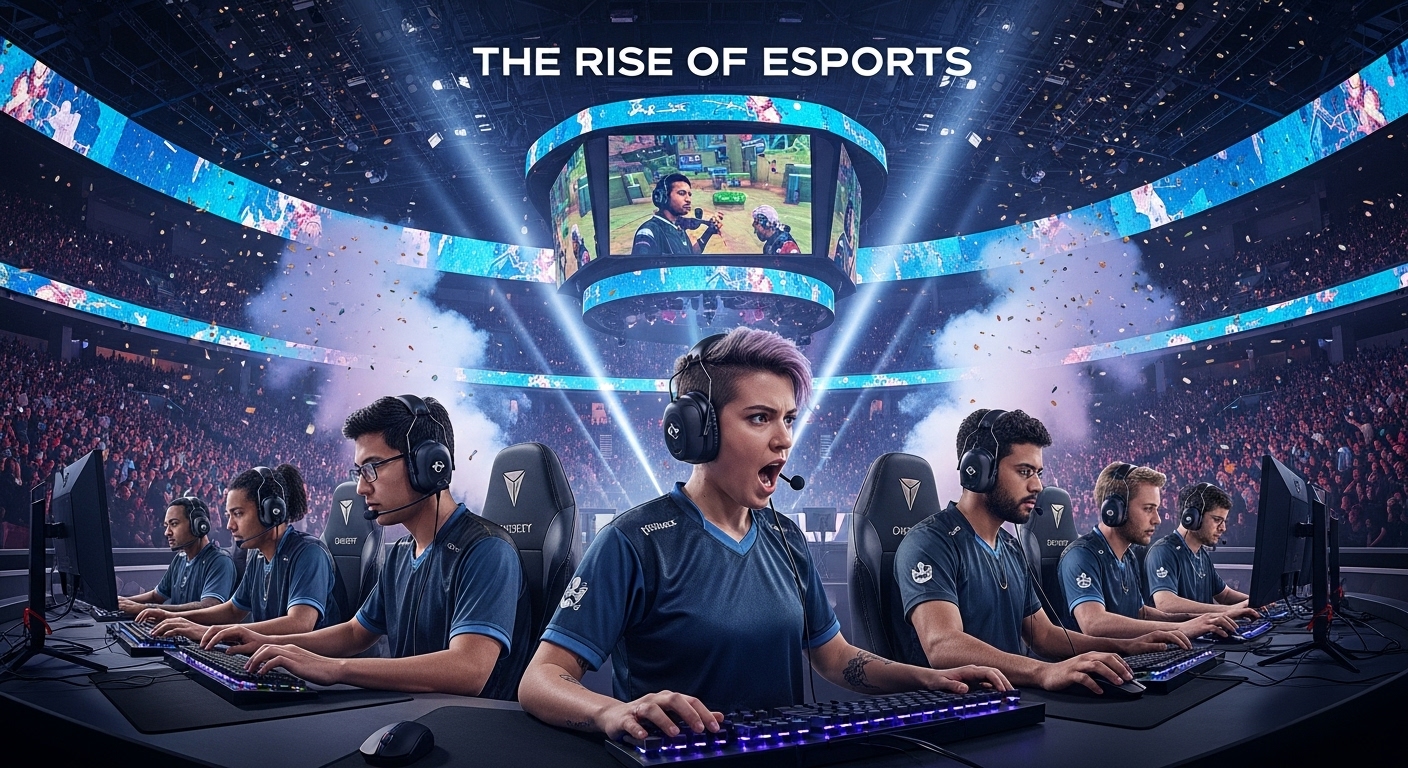
As esports grew in popularity, it became more structured and professional. Major publishers and developers began organizing their own official leagues. Riot Games launched the League of Legends Championship Series (LCS), Blizzard introduced the Overwatch League, and Valve continued to elevate Dota 2’s The International into one of the most prestigious tournaments with record-breaking prize pools.
Esports organizations began operating like traditional sports franchises. Teams hired coaches, analysts, nutritionists, and psychologists to optimize player performance. Players signed contracts, earned salaries, and even transferred between teams for large sums of money. Major events began filling arenas across the world, from Madison Square Garden in New York to the Bird’s Nest Stadium in Beijing.
What was once seen as a niche pastime had now become a global spectator sport. The integration of esports into mainstream culture also attracted non-endemic sponsors like Coca-Cola, Mercedes-Benz, and Nike, further legitimizing the industry.
The Role of Streaming and Content Creation
One of the biggest factors driving the explosion of esports has been the rise of live streaming. Platforms such as Twitch, YouTube Gaming, and Facebook Gaming allowed fans to connect directly with their favorite players and personalities. This direct engagement created a community-driven ecosystem where players were not just competitors but entertainers.
Streamers and content creators played a major role in shaping the perception of gaming. They provided insights, tutorials, and entertainment that attracted both casual viewers and hardcore fans. Many esports professionals also became popular streamers, building personal brands that extended beyond the competitive scene.
Streaming platforms also allowed grassroots tournaments to flourish. Smaller communities could organize their own events, broadcast them online, and attract sponsors. This democratization of exposure helped many talented players get discovered and enter the professional scene.
The Evolution of Esports Games
Esports is not limited to one type of game; it encompasses a wide variety of genres. Each game brings its own unique competitive experience and fanbase.
Multiplayer Online Battle Arenas (MOBA) like League of Legends and Dota 2 focus on teamwork, strategy, and real-time decision-making. These games are often regarded as the intellectual giants of esports, with complex gameplay and high skill ceilings.
First-Person Shooters (FPS) such as Counter-Strike, Valorant, and Call of Duty rely on precision, reflexes, and communication. They often produce intense, fast-paced matches that keep audiences on the edge of their seats.
Battle Royale games like Fortnite and PUBG introduced massive-scale competition, where dozens or even hundreds of players compete until only one remains.
Sports simulators such as FIFA and NBA 2K have also carved their place in esports, appealing to fans of traditional sports who enjoy the digital version of their favorite games.
Each genre has contributed to the richness of the esports landscape, allowing different types of players and fans to find their place within the community.
Esports as a Career Path
One of the most fascinating aspects of esports is the emergence of viable career opportunities. In the early days, playing video games professionally was seen as unrealistic or even irresponsible. Today, top players earn millions in prize money and sponsorships.
Beyond players, esports has created jobs in coaching, broadcasting, event management, marketing, journalism, and production. Universities across the world now offer scholarships for esports athletes and degrees in esports management.
The infrastructure surrounding esports continues to grow, with training facilities, boot camps, and performance analytics that mirror traditional sports. The professionalization of the industry has also brought discussions about player health, mental well-being, and career longevity to the forefront.
Esports and Traditional Sports: A New Rivalry
A major talking point in recent years has been the comparison between esports and traditional sports. While esports lacks the physical exertion of sports like football or basketball, it demands immense cognitive skill, reaction speed, and strategic thinking. Many traditional sports teams and organizations have recognized this, investing heavily in esports divisions.
Football clubs like Manchester City and Paris Saint-Germain have established esports teams, while athletes such as Shaquille O’Neal and David Beckham have invested in esports organizations. This crossover has further blurred the lines between physical and digital competition.
In terms of viewership, esports has already surpassed many traditional sports. Major tournaments attract tens of millions of viewers globally, and younger audiences often prefer watching gaming events over televised sports.
The Cultural Impact of Esports
Esports is not just a competitive activity—it is a cultural movement. It has redefined entertainment, community, and even identity for millions around the world. Fans don’t just watch matches; they create fan art, memes, cosplay, and social media discussions that keep the community alive year-round.
The accessibility of esports has also made it a truly global phenomenon. Unlike traditional sports that require physical infrastructure, esports can be played from almost anywhere with an internet connection. This inclusivity has allowed people from all backgrounds to participate and compete at the highest levels.
Moreover, esports has inspired a new generation of youth to pursue careers in technology, media, and gaming. It has fostered creativity, teamwork, and digital literacy in ways traditional education systems have struggled to achieve.
Challenges Facing the Esports Industry
Despite its success, esports faces significant challenges. One major issue is sustainability. While prize pools and sponsorships are impressive, not all players or teams can survive financially. Many organizations struggle with maintaining profitability, and smaller tournaments often operate at a loss.
Player burnout is another concern. The pressure of constant practice, travel, and competition can take a toll on mental and physical health. The average esports player’s career is relatively short, often ending in their mid-twenties.
Additionally, issues such as cheating, match-fixing, and lack of standardized regulations have sometimes tarnished the industry’s reputation. As esports grows, it must develop stronger governance, fair play standards, and support systems for its players.
The Role of Education and Esports Academies
In recent years, educational institutions have recognized the value of esports. Schools and universities now host esports clubs, offer scholarships, and even run dedicated esports programs. These initiatives not only prepare players for competition but also teach valuable life skills like communication, teamwork, and leadership.
Esports academies provide structured training environments where aspiring professionals can develop their skills under expert supervision. These academies bridge the gap between casual gaming and professional play, ensuring that talent is nurtured responsibly.
The Future of Esports: Innovation and Expansion
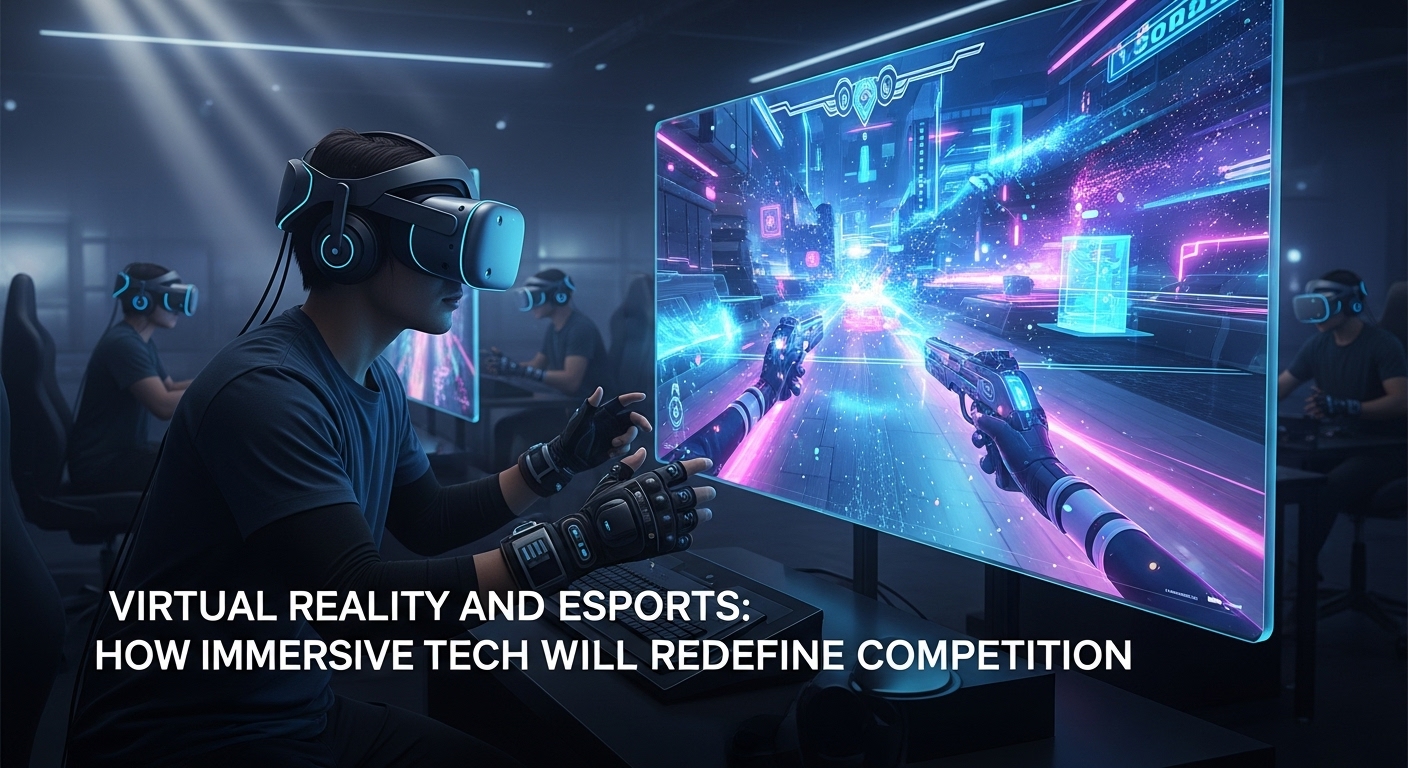
The future of esports looks incredibly promising. As technology continues to evolve, so will the gaming experience. Virtual reality, augmented reality, and artificial intelligence could revolutionize how esports are played and watched.
Franchised leagues will likely expand into new regions, creating more opportunities for players and fans. Esports may also become an Olympic event in the near future, as discussions with the International Olympic Committee continue.
Furthermore, the integration of blockchain technology and digital collectibles could change how fans engage with their favorite teams, offering new forms of ownership and participation.
The industry’s global appeal means that emerging markets in Asia, the Middle East, and Africa will become key growth regions in the coming decade. With increasing investment, infrastructure, and audience interest, esports could soon stand shoulder-to-shoulder with the biggest traditional sports in history.
Conclusion: Esports as a Defining Force of the Digital Age
Esports is far more than just gaming—it is a reflection of how technology, culture, and competition intertwine in the modern world. It represents the limitless potential of human creativity and connection in a digital era. From small beginnings to packed arenas and global broadcasts, esports has proven that passion, skill, and innovation can create a phenomenon that transcends boundaries.
As we move deeper into the 21st century, esports will continue to shape the way we define entertainment, community, and even success. It is not just the future of gaming—it is the future of global sports and digital culture.