Introduction
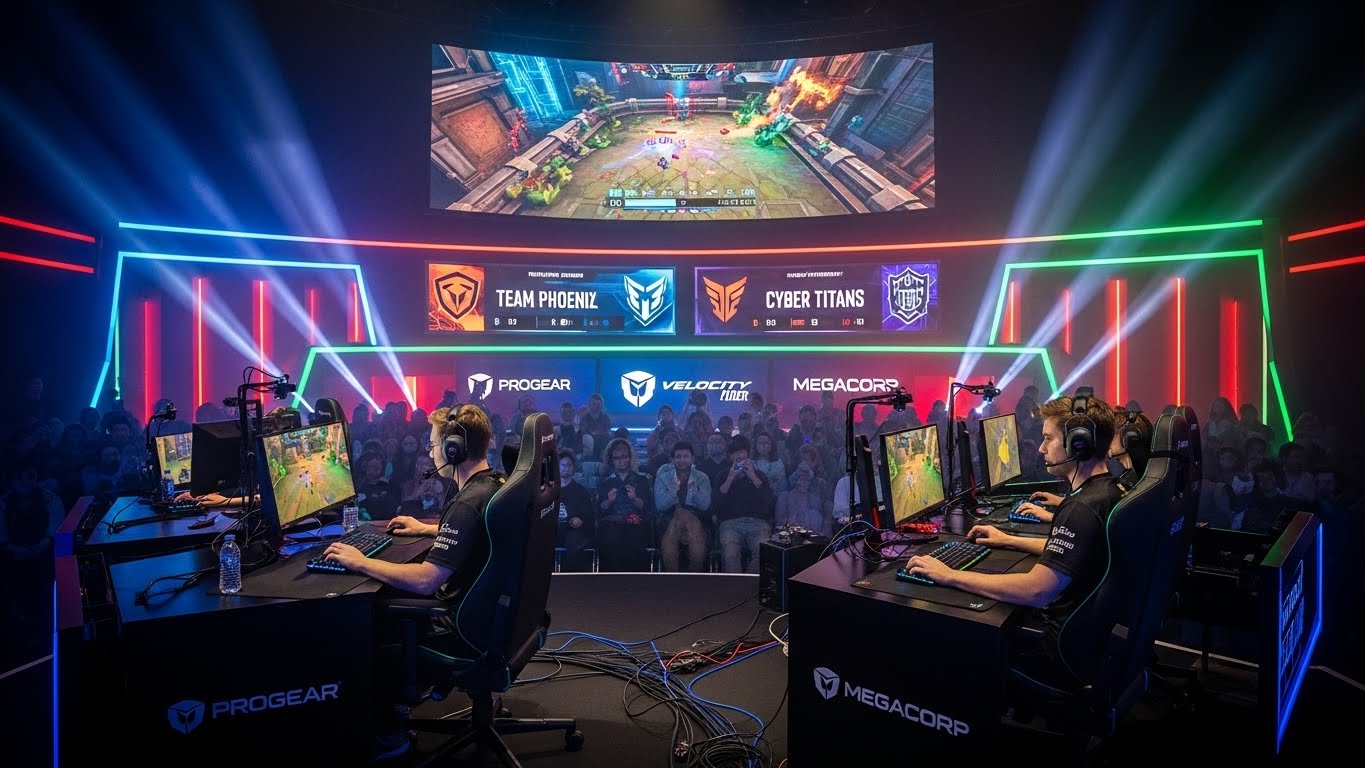
Esports has grown from a simple form of digital recreation into a global competitive phenomenon that rivals traditional sports in popularity and influence. What was once considered a hobby has now become a structured industry featuring professional athletes, organized leagues, massive tournaments, and millions of dedicated fans. Esports represents a shift in how competition, entertainment, and community are experienced in the digital age. This blog explores the journey of esports, its inner workings, cultural significance, challenges, and what lies ahead for this rapidly evolving industry.
The Early Foundations of Esports
The origins of esports can be traced back to the earliest days of video gaming, when players gathered around arcade machines to compete for high scores. These early competitions were informal and community-driven, focused on skill and bragging rights rather than financial rewards. Despite their simplicity, they laid the groundwork for competitive gaming culture.
As technology advanced, gaming moved into homes through consoles and personal computers. Local multiplayer games and small tournaments became more common, allowing players to test their abilities against others. These grassroots efforts formed the foundation of esports by nurturing competitive spirit and fostering tight-knit gaming communities.
Internet Connectivity and Global Expansion
The rise of the internet marked a turning point for esports. Online multiplayer games allowed players to compete across cities, countries, and continents. This global connectivity transformed competitive gaming into an international activity, expanding both participation and viewership.
Streaming platforms played a crucial role in this expansion by making esports accessible to spectators worldwide. Fans could watch live matches, follow professional players, and engage in real-time discussions. This accessibility helped esports grow beyond players and into a mainstream form of entertainment.
Organization and Professional Structure
Modern esports operates within a well-defined professional structure. Game developers often support competitive ecosystems by establishing leagues, tournament formats, and official rules. Professional teams sign players to contracts, provide coaching staff, and manage training facilities.
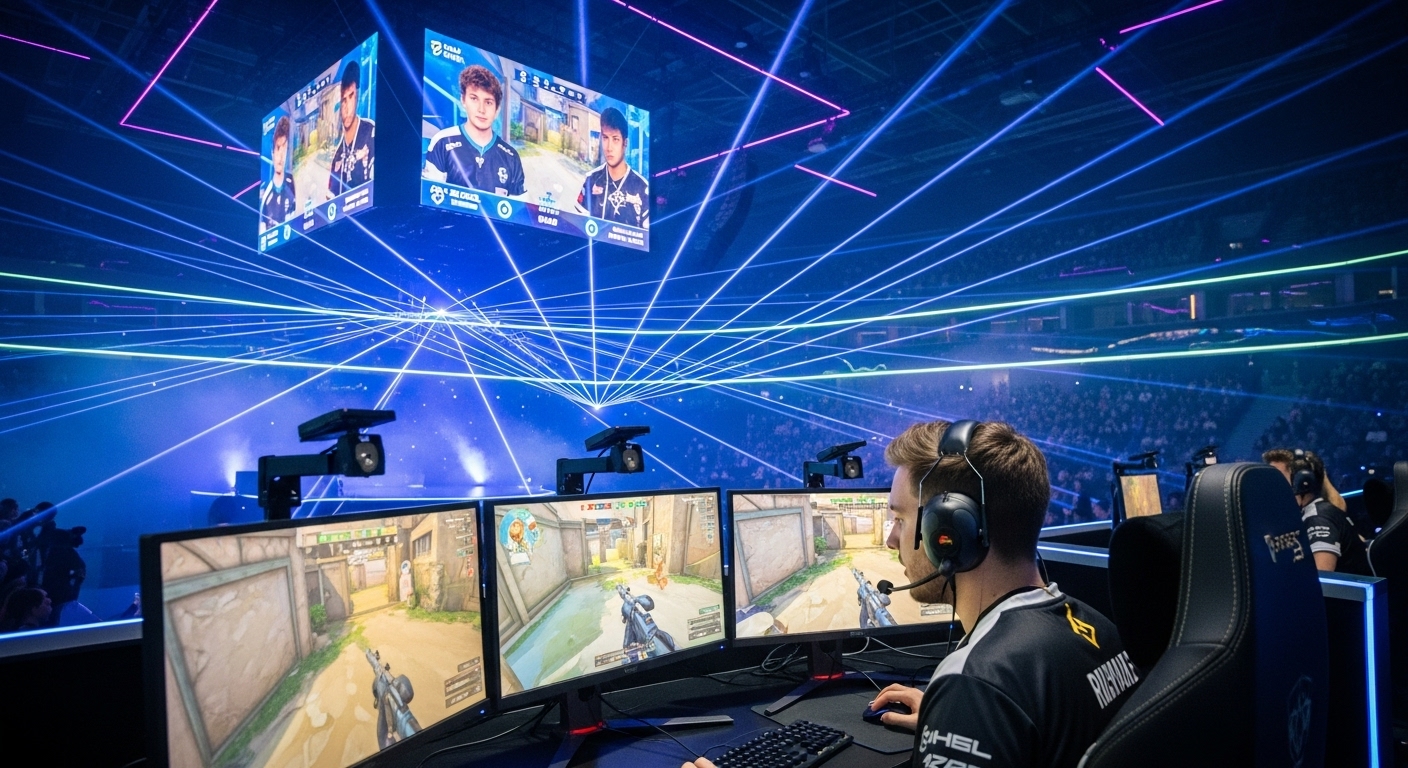
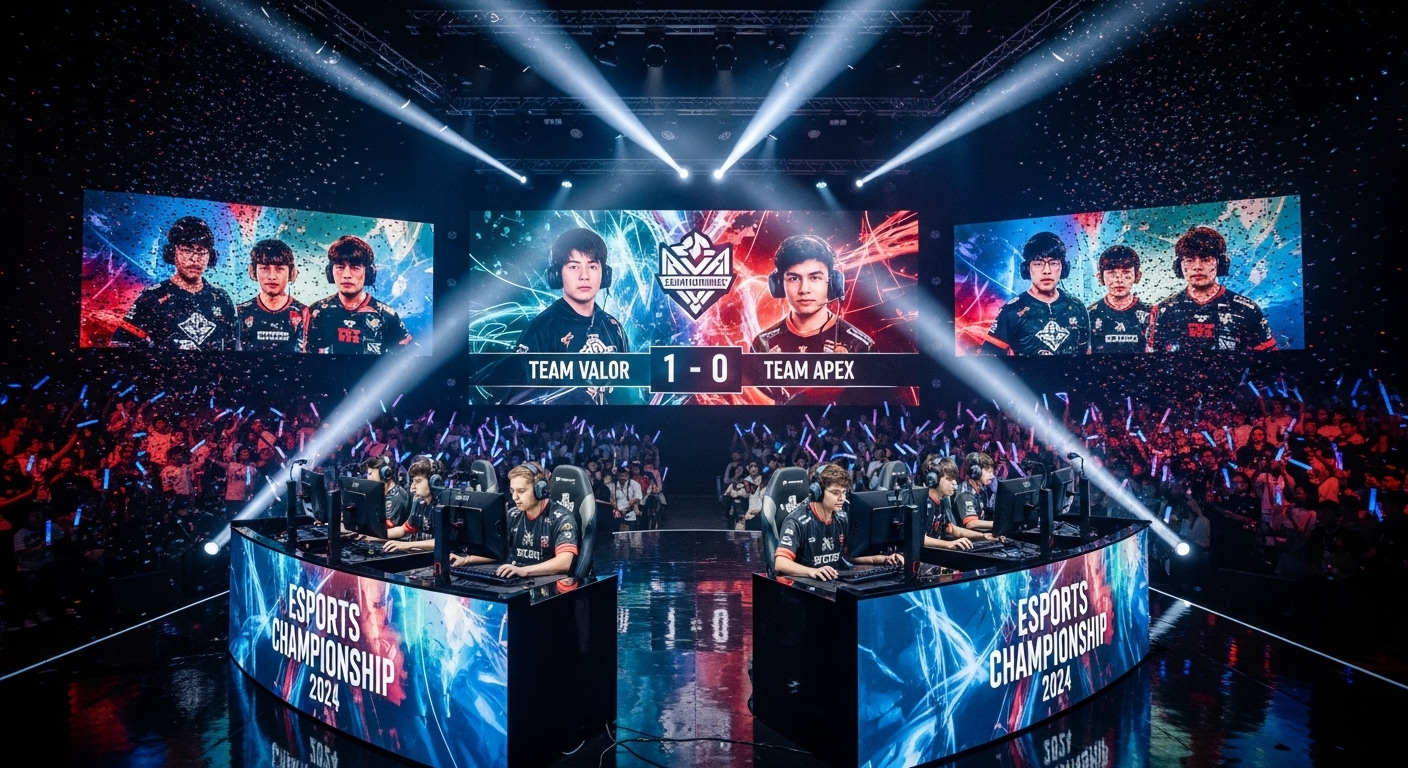
Tournaments are organized at various levels, from online qualifiers to international championships held in large arenas. These events feature professional production, commentary, and analysis, enhancing the spectator experience. The structure mirrors traditional sports while maintaining the flexibility of digital competition.
Major Esports Genres
Esports includes a wide range of game genres, each offering unique competitive dynamics. Strategy-based games require long-term planning, coordination, and adaptability. Shooter games emphasize quick reflexes, accuracy, and teamwork. Sports simulation games recreate traditional athletic competition in a digital format.
This diversity allows esports to appeal to a broad audience. Players and fans can engage with games that suit their preferences, whether they enjoy tactical depth or fast-paced action. The constant introduction of new titles keeps the esports ecosystem fresh and competitive.
Training and Life of Esports Athletes
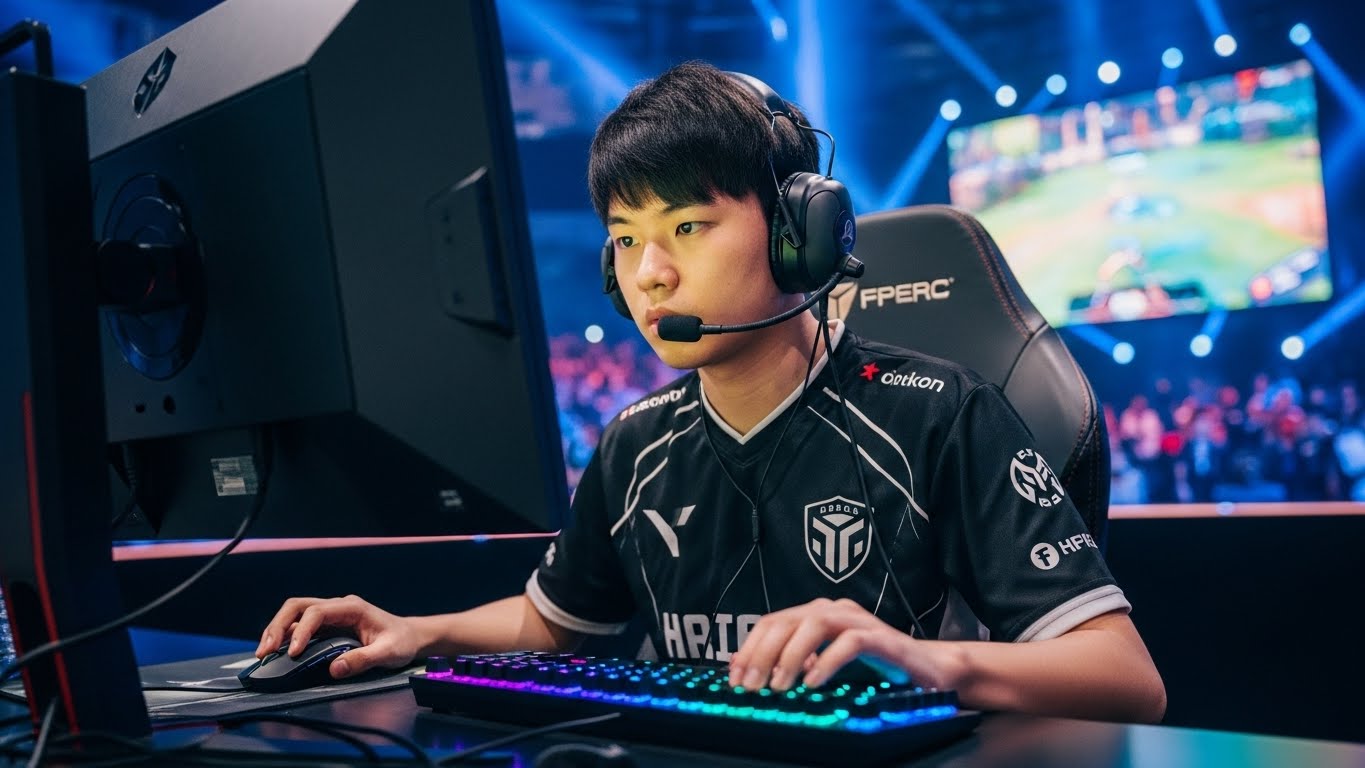
Professional esports players follow demanding training routines. Daily schedules often include individual practice, team scrimmages, strategy meetings, and performance analysis. Success depends on technical skill, game knowledge, communication, and mental discipline.
Physical and mental health are increasingly prioritized in esports. Players incorporate exercise, proper nutrition, and rest into their routines. Mental training helps manage stress, pressure, and burnout. Although esports careers can be short, disciplined preparation improves performance and longevity.
Teams, Coaches, and Support Systems
Behind every successful esports athlete is a support system that includes coaches, analysts, and managers. Coaches develop strategies, analyze gameplay, and guide team development. Analysts study opponents and performance data to gain competitive advantages.
Esports organizations manage sponsorships, branding, travel, and public relations. Their role is essential in creating stable environments where players can focus on competition. Strong leadership and positive team culture often separate successful teams from struggling ones.
Fans and Community Engagement
The esports community is one of its strongest assets. Fans actively support teams and players through viewership, merchandise, and social engagement. Online platforms allow direct interaction between fans and professionals, creating a sense of closeness rarely seen in traditional sports.
Community tournaments and amateur leagues provide pathways for new talent and keep grassroots participation alive. This inclusive environment strengthens loyalty and ensures continuous growth within the esports ecosystem.
Economic Growth and Career Paths
Esports has developed into a significant economic sector. Revenue is generated through sponsorships, advertising, merchandise, event hosting, and media coverage. Large tournaments attract global attention and contribute to local economies.
Career opportunities extend beyond professional play. Roles in broadcasting, coaching, content creation, event management, marketing, and game development are increasingly common. Educational programs focused on esports management further support workforce development in the industry.
Challenges Within Esports
Despite rapid growth, esports faces several challenges. Player burnout and mental health concerns are ongoing issues due to intense training schedules and competitive pressure. Financial instability can affect smaller teams and organizations.
Regulation and governance remain inconsistent across different games and regions. Ensuring fair play, ethical conduct, and player protection requires cooperation among developers, organizers, and teams. Addressing these challenges is crucial for long-term sustainability.
Cultural Influence of Esports
Esports has become a powerful cultural force, influencing fashion, music, and digital media. Professional players often become influencers, shaping trends and inspiring younger generations. Major tournaments are celebrated as global events that bring people together.
International competition encourages cultural exchange, as players and fans from diverse backgrounds interact through shared passion. This global connection highlights esports as a unifying element in modern digital culture.
The Future of Esports
The future of esports appears promising, driven by technological innovation and expanding audiences. Advances in graphics, immersive environments, and interactive viewing will enhance both gameplay and spectator experiences. Improved governance and player welfare initiatives will further professionalize the industry.
As digital natives continue to embrace competitive gaming, esports will remain a central form of entertainment. Adaptability, inclusivity, and responsible growth will shape how esports evolves in the years to come.
Conclusion
Esports has transformed from casual competition into a global industry that blends technology, entertainment, and human skill. Its journey reflects changing attitudes toward gaming and digital interaction. While challenges remain, the passion of players, dedication of organizations, and enthusiasm of fans continue to drive its expansion. Esports is not just a trend but a lasting movement that has redefined competition in the modern world.