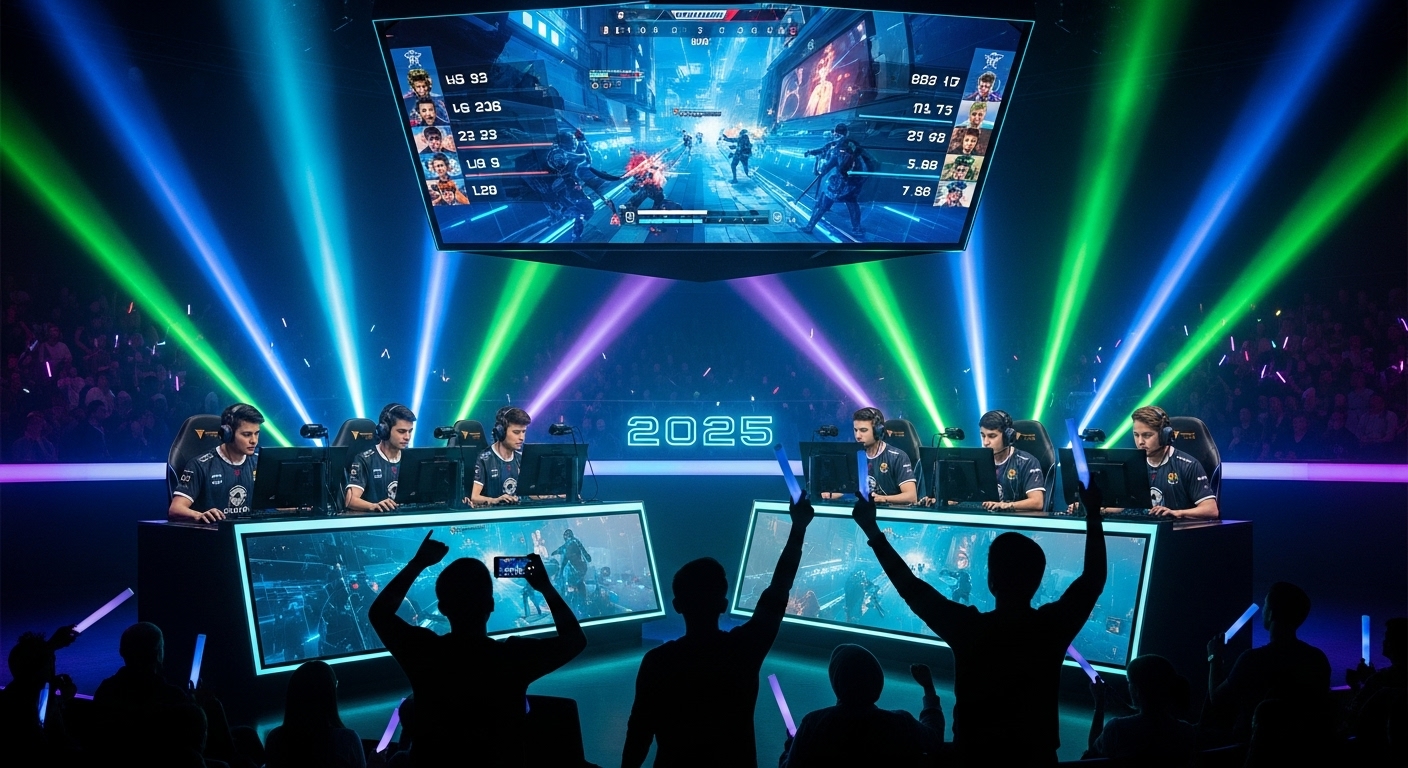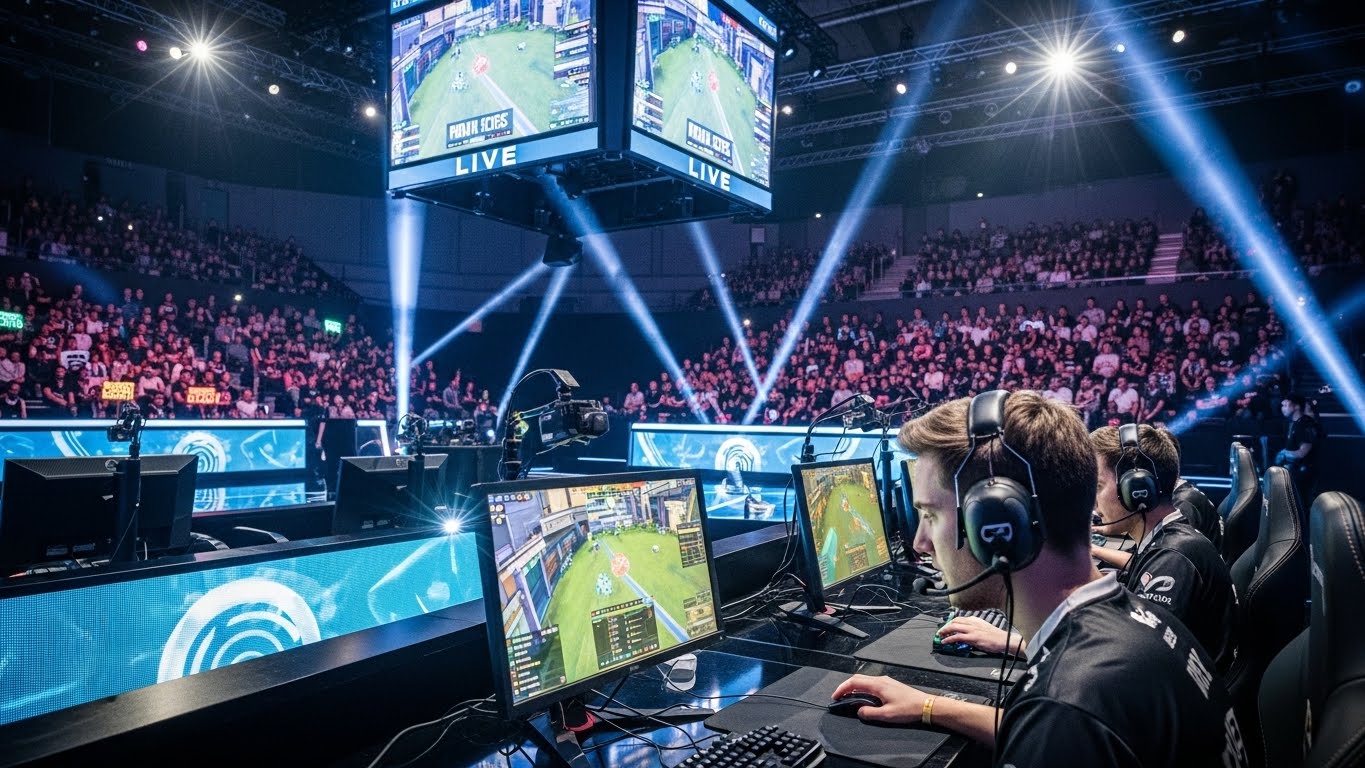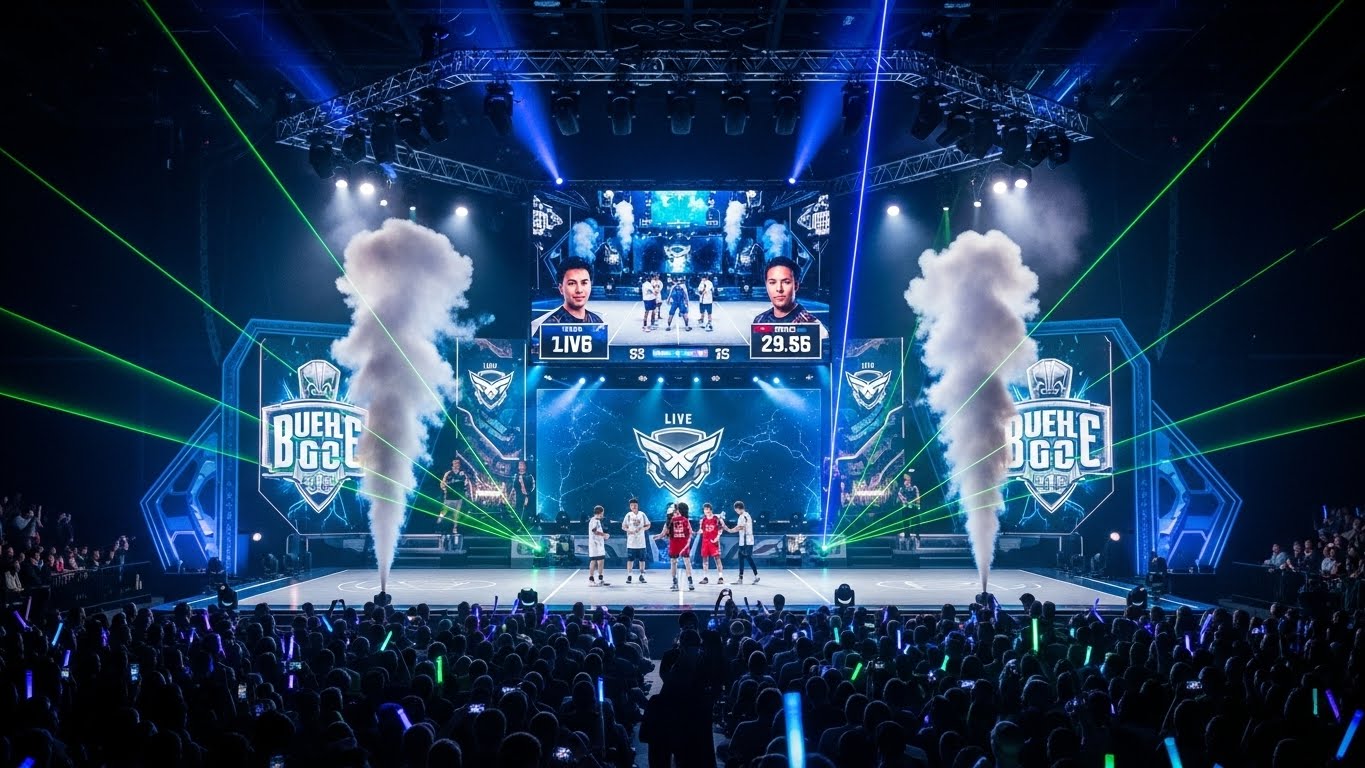
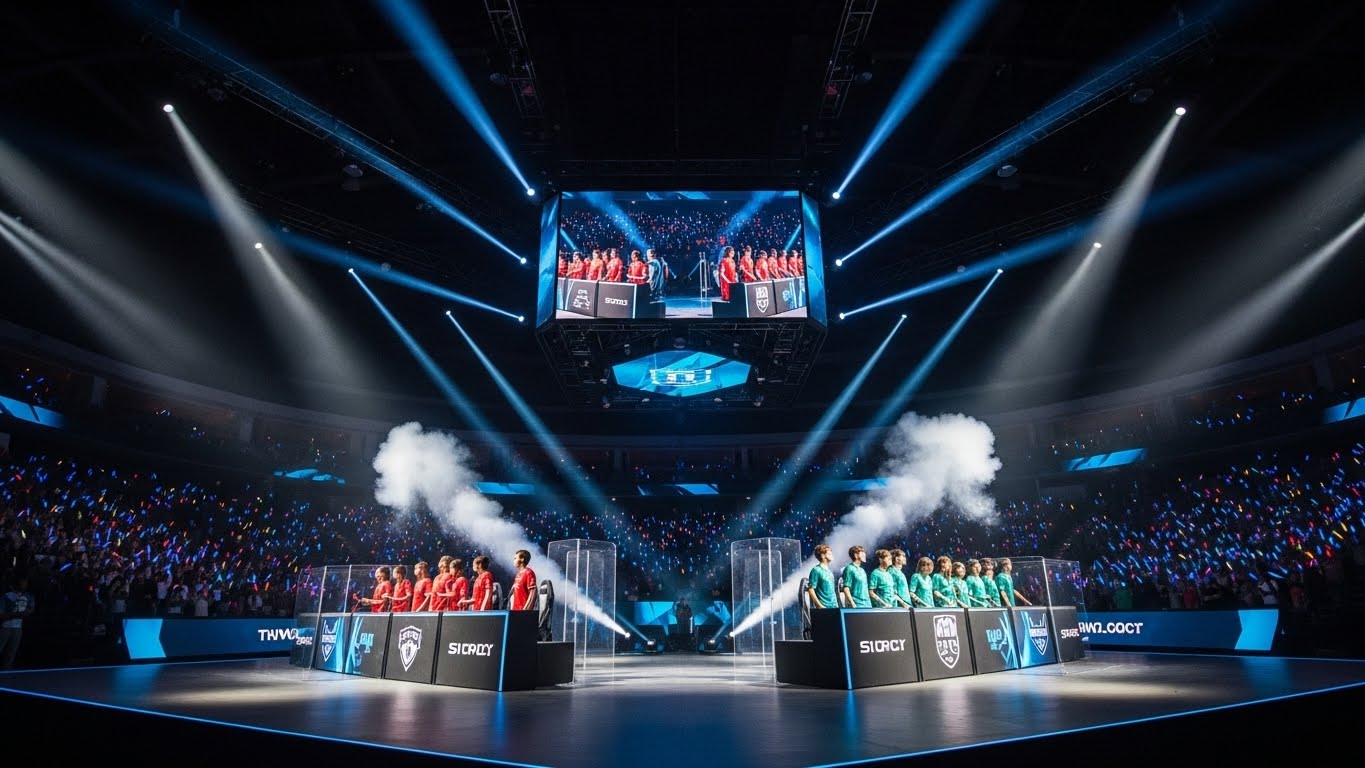
Esports has emerged as one of the most transformative entertainment phenomena of the digital age. What started as casual video game competitions among friends has grown into a professional, multi-billion-dollar industry with millions of players and spectators worldwide. Esports is no longer just a pastime—it has become a global culture, a career path, and a legitimate form of competition. From the rise of professional leagues to the influence of streaming platforms, esports is redefining the meaning of sports in a virtual world. In this blog, we explore the origins, impact, and future of esports, while highlighting its role in shaping the next generation of digital athletes.
The Origins of Esports
The roots of esports can be traced back to the early days of video gaming, when players would compete for high scores in arcade games like Pac-Man and Space Invaders. These early competitions were largely local, often centered around arcades or school competitions, and they introduced the concept of competitive play.
The 1990s brought the rise of multiplayer PC games such as Quake, Counter-Strike, and StarCraft, allowing gamers to connect via local area networks and the emerging internet. These early online competitions laid the groundwork for organized esports tournaments, where skill, strategy, and teamwork became the focus rather than simply beating a game’s AI.
By the 2000s, esports began to gain mainstream recognition. Competitive gaming leagues, sponsorship deals, and larger tournaments started emerging, turning what was once a hobby into a legitimate career path for dedicated players. Today, esports has evolved into a global phenomenon with professional teams, massive prize pools, and millions of spectators worldwide.
Popular Esports Genres
Esports encompasses a wide variety of game genres, each demanding different skills and strategies.
Multiplayer Online Battle Arenas (MOBAs) are one of the most popular esports genres. Games like League of Legends and Dota 2 require players to work as a team, strategize in real-time, and execute precise in-game actions. Success in MOBAs relies heavily on communication and cooperation among team members.
First-Person Shooters (FPS) such as Counter-Strike, Valorant, and Call of Duty emphasize quick reflexes, accuracy, and tactical decision-making. FPS games often feature intense, high-speed action where split-second choices determine the outcome.
Real-Time Strategy (RTS) games, including classics like StarCraft, focus on resource management, strategic planning, and multi-tasking. Players must think several moves ahead while controlling units and managing in-game resources effectively.
Sports Simulations like FIFA, NBA 2K, and Madden recreate real-world sports digitally, allowing players to compete in virtual environments while applying knowledge of actual sports strategies.
Battle Royale games, including Fortnite and PUBG, combine survival tactics with fast-paced action. Players compete in large-scale matches where adaptability and positioning are key to victory.
Each genre appeals to different audiences, and professional players often specialize in one category to hone their skills and achieve mastery.
Training and Discipline in Professional Esports
Professional esports players undergo rigorous training schedules similar to those of traditional athletes. Practice often involves six to ten hours of focused gameplay per day, covering technical skills, strategic planning, and team coordination. Players study game footage to identify mistakes and refine strategies, ensuring constant improvement.
Mental preparation is just as important as physical practice. Players must maintain focus under pressure, adapt to unpredictable situations, and manage emotional responses to high-stakes competitions. Many professional teams now employ sports psychologists to help players develop mental resilience and prevent burnout.
Physical fitness is also critical in esports. Long hours in front of screens can lead to repetitive strain injuries and fatigue, so players incorporate exercise, stretching, and proper ergonomics into their routines. Maintaining physical health supports reaction times, focus, and overall performance.
The Business of Esports
Esports has grown into a multi-billion-dollar global industry with diverse revenue streams. Prize money from tournaments, team sponsorships, merchandise, media rights, and advertising all contribute to the financial ecosystem. Major events, such as the League of Legends World Championship or The International Dota 2 Championship, attract millions of online viewers and offer prize pools that rival traditional sports.
Professional esports teams operate similarly to traditional sports franchises, with salaried players, coaching staff, marketing teams, and branding strategies. Sponsors recognize esports’ value, particularly among younger audiences, making the industry highly attractive for investment and marketing.
Esports has also created career opportunities beyond gameplay. Coaches, analysts, commentators, event organizers, and content creators are now integral parts of the esports ecosystem, demonstrating that competitive gaming extends far beyond the players themselves.
Social and Cultural Impact of Esports
Esports is not just a competition; it is a social phenomenon. Online platforms allow players and fans from around the world to connect, share experiences, and build communities. Esports fosters collaboration, communication, and teamwork, creating a sense of belonging for many individuals.
Esports communities provide opportunities for learning and mentorship. New players can interact with experienced gamers, improving skills and gaining strategic insights. For fans, esports offers a shared cultural experience, complete with tournaments, commentary, and fan-driven content.
The cultural influence of esports extends beyond gaming. It has inspired music, fashion, digital art, and storytelling, further embedding itself into mainstream entertainment and popular culture.
Iconic Moments in Esports History
Throughout its history, esports has produced unforgettable moments that resonate with players and fans alike. Legendary plays, underdog victories, and record-breaking performances have become part of esports folklore.
Examples include teams overcoming seemingly impossible odds to win championships, players achieving unprecedented skill feats, and matches that are remembered for years due to their intensity and excitement. These moments demonstrate that esports is as thrilling and emotionally engaging as any traditional sport.
Challenges Facing Esports
Despite its success, esports faces challenges. Player burnout is common due to long hours and intense competition. Mental health concerns, repetitive strain injuries, and stress require careful management by teams and organizations.
Another challenge is maintaining fair play. Cheating, match-fixing, and inconsistent tournament regulations threaten the integrity of esports. The industry is increasingly focused on creating standardized rules and ethical practices to address these issues.
Public perception can also be a barrier. Some regions still view esports as less legitimate than traditional sports, although growing recognition by universities, governments, and international organizations is slowly changing this perception.
Women and Diversity in Esports
Historically, esports has been male-dominated, but women are increasingly making their mark as players, coaches, and commentators. Tournaments and initiatives promoting inclusivity help provide safe and equal opportunities for female participants.
Diversity strengthens esports by bringing new perspectives, strategies, and creativity to the industry. Ensuring representation and inclusivity is crucial for the growth and sustainability of competitive gaming on a global scale.
Streaming and Content Creation
Streaming platforms have been instrumental in the rise of esports. Platforms allow fans to watch competitions live, interact with players, and participate in community events. Streamers and content creators expand the reach of esports, providing tutorials, highlight reels, and entertainment that attracts new audiences.
Content creation also allows professional players to build personal brands, supplementing their income and engaging with fans outside tournaments. The symbiotic relationship between streaming and competitive gaming has fueled esports’ explosive growth.
The Future of Esports
The future of esports promises continued innovation and expansion. Advances in virtual reality, augmented reality, and artificial intelligence may create more immersive gameplay experiences. Competitive formats may evolve, blending physical and digital elements for hybrid competitions.
Educational institutions are increasingly offering programs and scholarships focused on esports, legitimizing it as a professional and academic field. As the industry grows, inclusivity, sustainability, and mental well-being will be critical priorities.
Esports will continue to redefine entertainment and sports in the digital era, influencing how people connect, compete, and consume media worldwide.
Conclusion: Esports as the Digital Age Sport
Esports is more than a gaming trend—it is a cultural and professional force shaping the future of competition. It combines skill, strategy, teamwork, and entertainment in ways that traditional sports cannot fully replicate. From professional players to global fans, esports offers opportunities for growth, learning, and connection.
As technology advances and esports continues to evolve, it will remain a defining element of digital culture. The rise of esports proves that passion, dedication, and innovation can create new forms of competition and entertainment that transcend physical boundaries. Competitive gaming is no longer confined to screens; it is a global arena where talent, strategy, and perseverance define champions.