Introduction: The World of Competitive Gaming
In recent years, esports has evolved from a niche subculture to a global powerhouse, captivating millions of fans and players worldwide. What was once considered just a hobby for gamers has now blossomed into a multi-billion-dollar industry, with professional leagues, international tournaments, sponsorships, and an ever-growing audience. From casual online matches to massive live-streamed competitions, esports has become a cultural force that continues to shape the landscape of modern entertainment.
The rise of esports has been nothing short of meteoric. Competitive gaming now attracts some of the largest crowds and offers substantial financial rewards to top players. But what exactly has propelled esports into the mainstream? In this post, we’ll explore the factors contributing to the rise of esports, the impact of technological advancements, the growing fanbase, and what the future holds for this dynamic industry.
The Growth of Esports: From Niche to Mainstream
Esports has its roots in the 1970s and 1980s, with the early days of arcade gaming competitions. However, it wasn’t until the late 1990s and early 2000s that competitive gaming began to take shape in a more organized and structured format. Games like StarCraft, Counter-Strike, and Warcraft laid the foundation for what we now recognize as modern esports. The introduction of online multiplayer gaming and the development of powerful gaming consoles further fueled the growth of competitive gaming.
In the mid-2000s, organizations like Major League Gaming (MLG) began hosting large-scale tournaments and events, attracting players from all over the world. Streaming platforms such as Twitch also played a pivotal role in bringing esports into the mainstream, allowing fans to watch live competitions in real time. With the rise of social media platforms, esports began to gain massive visibility, allowing fans and players to interact and form communities.
By the 2010s, esports had firmly cemented itself as a global industry. The most popular games, such as League of Legends, Dota 2, Fortnite, and Overwatch, attracted millions of viewers, with some tournaments offering prize pools in the millions of dollars. Big-name sponsors, including tech companies like Intel, NVIDIA, and Red Bull, began pouring money into esports, further legitimizing its place in the entertainment industry.
Key Factors Behind Esports’ Rise
Several key factors have contributed to the rapid rise of esports in recent years. These factors have shaped not only the growth of competitive gaming but also the broader entertainment ecosystem.
1. The Power of Streaming Platforms
The explosion of streaming services like Twitch, YouTube Gaming, and Facebook Gaming has had a transformative impact on esports. Live streaming allows gamers and fans to connect in real-time, providing a platform for players to showcase their skills and interact with their audience. As the popularity of gaming content grew, streaming became more than just a way to watch games—it became an essential part of the esports experience.
Twitch, for example, has become a hub for esports events, with millions of viewers tuning in to watch major tournaments and smaller, community-driven competitions alike. The ability to stream not only has allowed viewers to watch their favorite players but has also created an avenue for aspiring professional gamers to gain recognition and build their own fanbase.
2. The Role of Professional Leagues and Tournaments
Esports has evolved from a grassroots hobby to a professional sport, with dedicated leagues and tournaments spanning multiple genres. Games like League of Legends and Overwatch now have official leagues with franchise teams, regular seasons, and high-stakes playoffs. These leagues operate similarly to traditional sports leagues, complete with sponsorships, broadcasting deals, and player contracts.
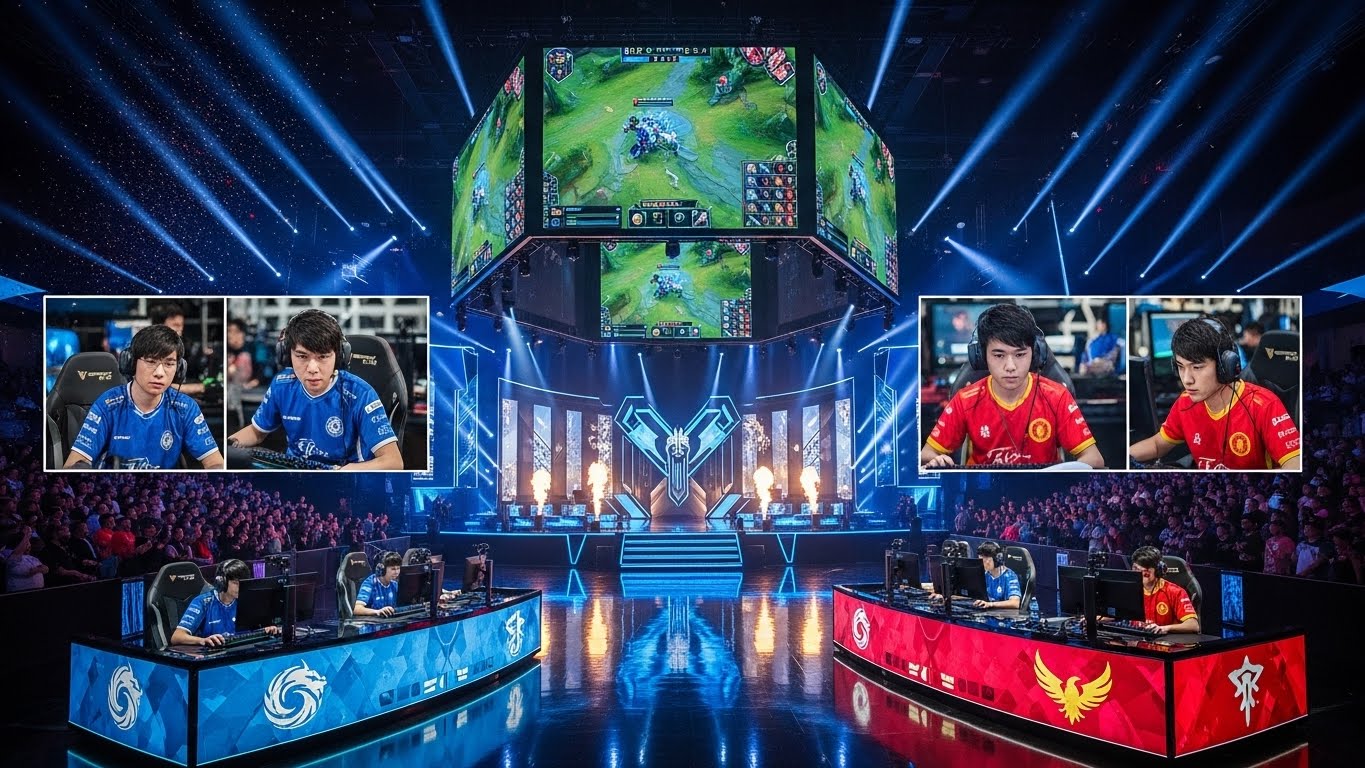
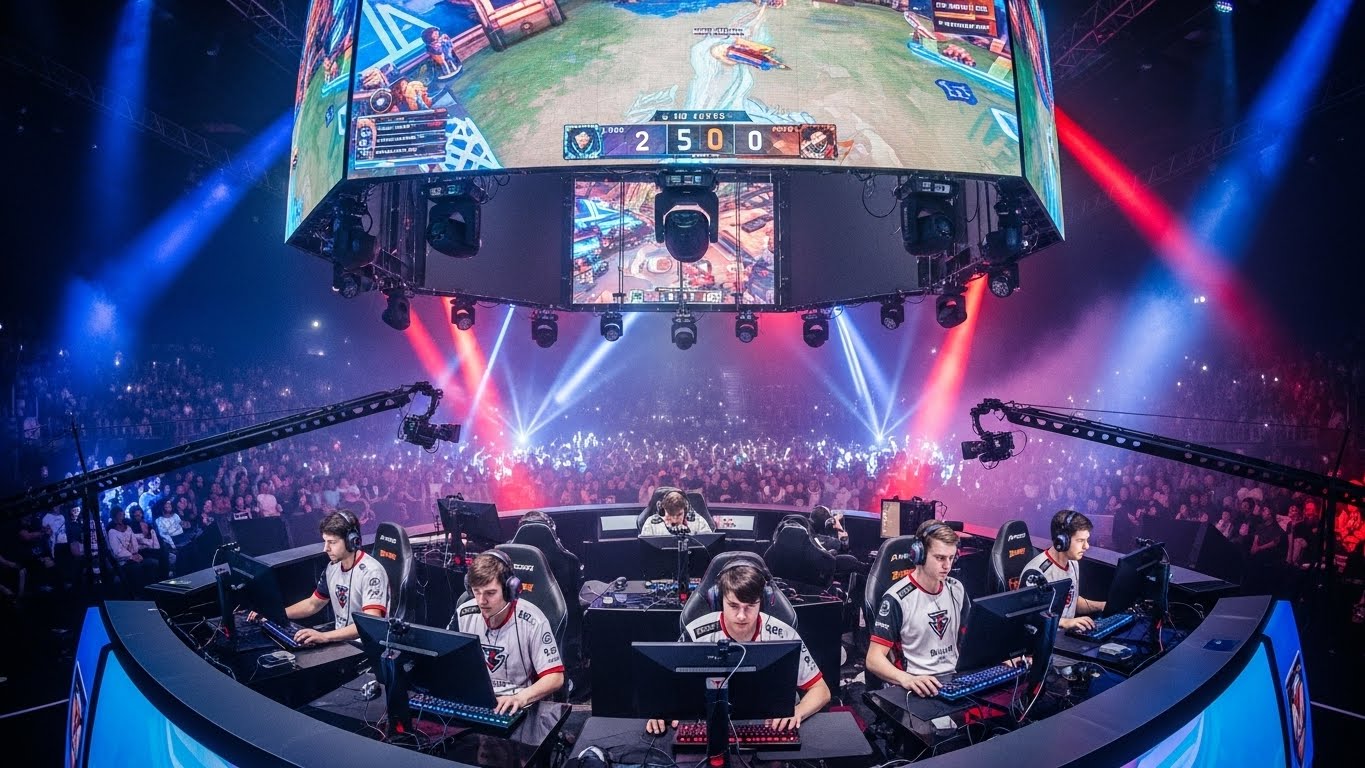
Major tournaments like The International (Dota 2) and the League of Legends World Championship offer multi-million dollar prize pools and attract millions of viewers. These tournaments often take place in large arenas, with sold-out crowds watching teams compete for glory and significant financial rewards. The electrifying atmosphere of these events, combined with the international nature of esports, has helped to elevate esports to the level of traditional sports in terms of prestige and popularity.
3. The Integration of Traditional Sports
In recent years, traditional sports organizations have begun to invest in esports, further legitimizing the industry. Major sports franchises, including the NBA, NFL, and European football clubs, have established esports teams or invested in esports leagues. The NBA, for example, has its own esports league—NBA 2K League—which features professional players competing in the NBA 2K video game series.
These partnerships have not only brought financial backing to esports but have also helped bridge the gap between traditional and digital sports. Fans of traditional sports are increasingly discovering the excitement of esports through these crossovers, expanding the audience base.
4. Technological Advancements and Accessibility
Esports would not have reached its current heights without the advancements in gaming hardware and internet connectivity. Powerful gaming PCs, consoles, and mobile devices now offer unparalleled gaming experiences, making it easier for players to compete at a high level. High-speed internet connections allow for smooth online play, while the development of cloud gaming services like Google Stadia and NVIDIA GeForce Now has made competitive gaming accessible to a wider audience.
The availability of these technologies has also made esports more inclusive. Competitive gaming is no longer limited to a select few with access to high-end equipment; players from all walks of life, regardless of their location or economic background, can now compete on a global stage.
The Esports Audience: A New Generation of Fans
One of the most fascinating aspects of the esports industry is its dedicated and rapidly growing fanbase. Unlike traditional sports, which often have a demographic skewed toward older generations, esports has attracted a younger, tech-savvy audience. According to a report by Newzoo, the global esports audience is projected to exceed 500 million people by 2025.
This audience is highly engaged, with many fans watching live streams, discussing strategies on social media, and following their favorite players or teams on various platforms. In fact, esports fans are among the most passionate and loyal in the world, often forming communities around their favorite games, streamers, and teams.
What sets the esports audience apart is its level of interactivity. Fans don’t just passively watch esports—they actively participate in the experience. They engage with live chat during streams, create fan art and memes, and even influence the direction of the games through feedback and community-driven content. This sense of involvement has helped foster a strong, vibrant community that transcends geographical boundaries.
The Impact of Esports on the Broader Entertainment Industry
Esports has had a profound impact on the broader entertainment landscape. The rise of competitive gaming has forced traditional entertainment companies, such as television networks and streaming services, to reconsider their approach to content. Networks like ESPN and Turner Sports have begun airing esports events, while streaming platforms like Netflix and Hulu have developed original esports-themed shows and documentaries.
Esports has also influenced the music industry. Many major music artists have performed at esports events, and some have even collaborated with game developers to release in-game concerts or performances. The blending of gaming and music has created a unique synergy that appeals to younger audiences and helps further blur the lines between traditional entertainment and digital experiences.
Challenges Facing the Esports Industry
Despite its rapid growth, esports still faces several challenges that need to be addressed to ensure its long-term success. One of the primary concerns is the sustainability of the business model. While esports has attracted significant sponsorships and investments, it is still heavily reliant on a few major companies and game publishers. This concentration of power could limit the diversity of games and competitions in the future.
Another challenge is the issue of player welfare. Professional esports players often face intense pressure to perform, and many start their careers at a very young age. The demands of practice, travel, and competition can take a toll on players’ mental and physical health. Organizations and governing bodies will need to prioritize player support, offering better mental health resources and ensuring fair contracts and working conditions.
Lastly, the potential for online toxicity and harassment remains a significant concern. The anonymity of the internet can embolden negative behavior, and esports communities are not immune to the prevalence of toxic behavior, especially in highly competitive environments. Addressing these issues will be crucial for ensuring a welcoming and inclusive environment for players and fans alike.
The Future of Esports
The future of esports looks bright, with continued growth in both audience size and financial investment. As technology advances, esports is likely to evolve in ways we can’t yet predict, including the possibility of augmented reality (AR) or virtual reality (VR) tournaments. The convergence of esports and traditional sports is also likely to increase, with more sports leagues investing in esports or creating their own competitive gaming divisions.
Furthermore, the continued development of mobile gaming presents new opportunities for esports to reach even more players and fans. Mobile esports is already a booming sector, with games like PUBG Mobile and Mobile Legends attracting massive followings, especially in regions like Southeast Asia.
Conclusion: Esports is Here to Stay
Esports is no longer just a fad or a passing trend; it’s a full-fledged industry with global appeal. With its vast potential for entertainment, career opportunities, and cultural impact, esports is shaping the future of competitive gaming and digital entertainment. As more people discover the excitement of watching professional gamers battle it out in thrilling tournaments, esports will continue to grow, bringing with it new opportunities for players, fans, and brands alike.
The future of esports is not just about games—it’s about the community, the experiences, and the shared passion for competition. Whether you’re a die-hard fan or a newcomer to the world of competitive gaming, one thing is certain: esports is here to stay, and it’s only going to get bigger.