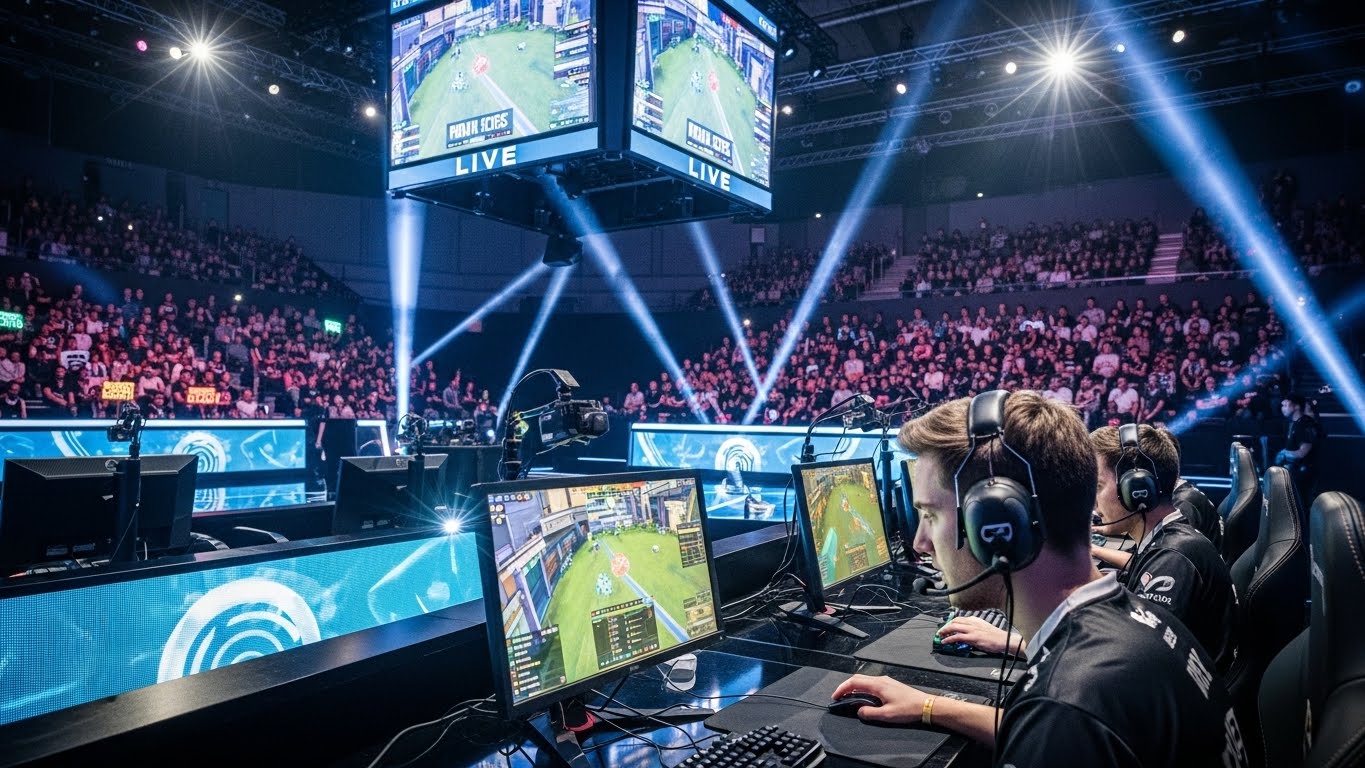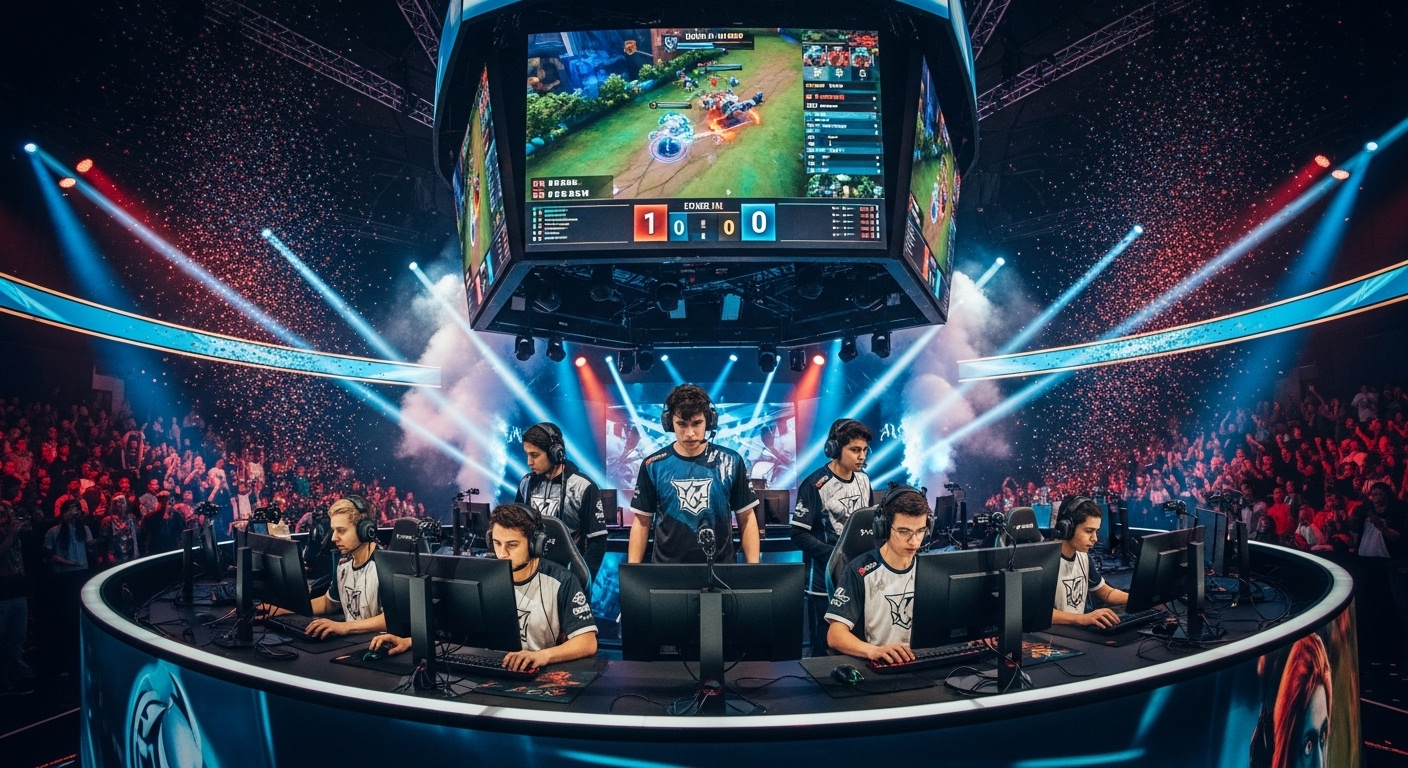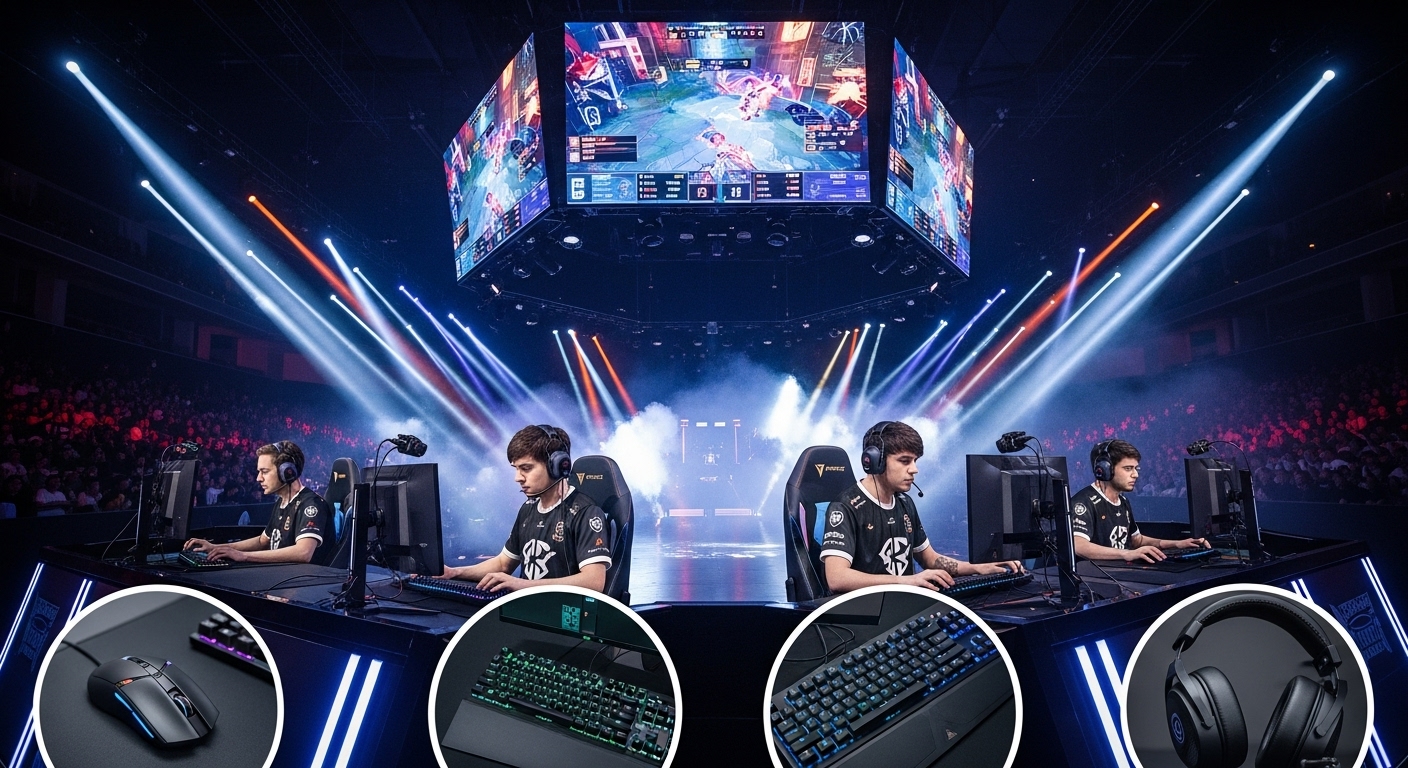
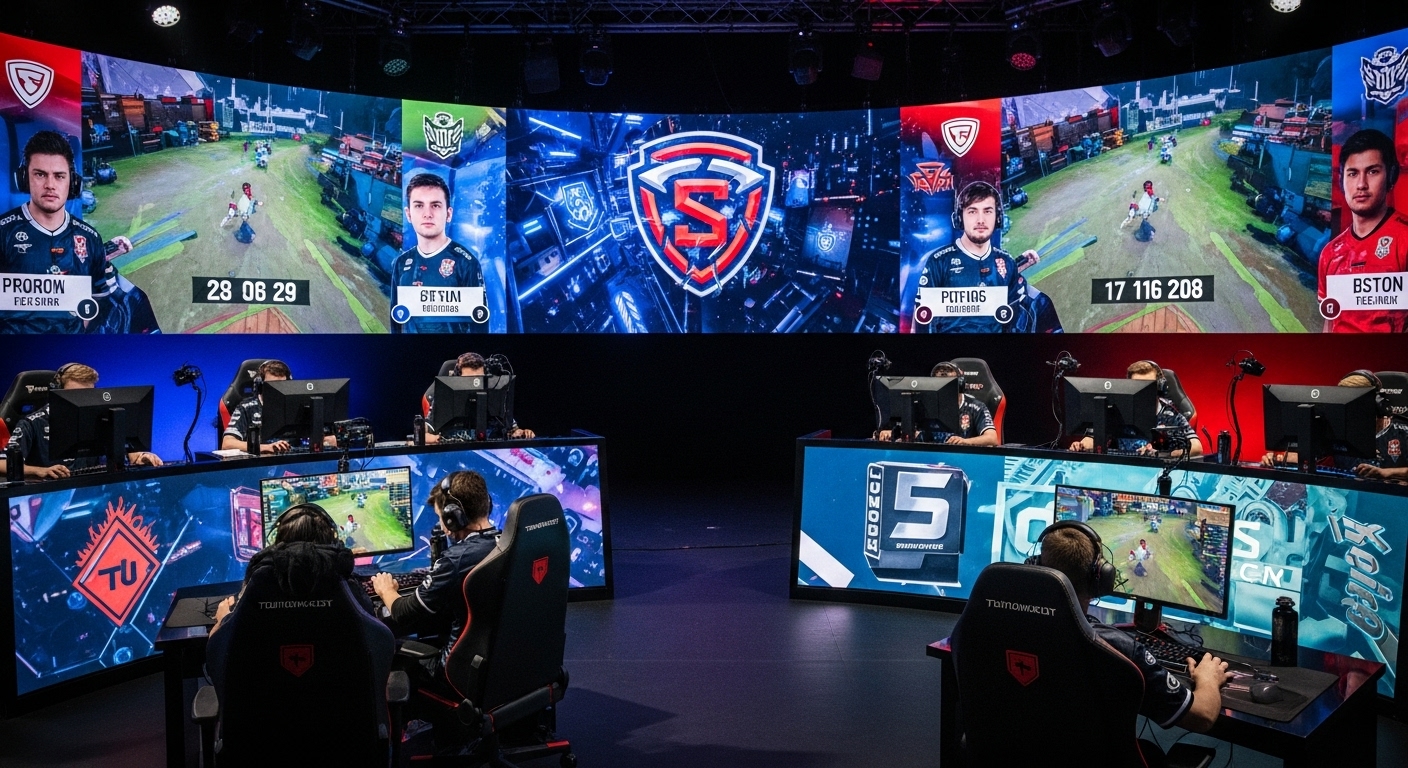
Esports, once considered a niche hobby for the gaming community, has evolved into a global phenomenon that is rapidly transforming the world of entertainment and sports. From humble beginnings in local LAN parties to multi-million dollar tournaments broadcasted globally, esports has become a dominant force that is reshaping how we think about competition, entertainment, and culture. This blog explores the rise of esports, its impact on the global entertainment industry, and its future potential.
The Genesis of Esports: From Casual Gaming to Professional Tournaments
The history of esports dates back to the late 1990s and early 2000s when online gaming first became mainstream. Games like Quake, StarCraft, and Warcraft laid the foundation for competitive gaming, with players competing in local tournaments, often broadcasted through rudimentary streaming platforms.
It wasn’t until the early 2000s that the concept of esports began to gain traction. Professional gaming leagues and tournaments such as the World Cyber Games (WCG) and Electronic Sports World Cup (ESWC) helped give esports its first taste of global attention. These events attracted a relatively small but dedicated fanbase, and the prize money for top players and teams was modest at best.
The Rise of Streaming and Sponsorship
A critical turning point for esports came in 2011 with the launch of Twitch, a live-streaming platform dedicated to gaming content. Twitch revolutionized how people consumed gaming content by providing a platform where gamers could watch live matches, learn strategies, and connect with players from around the world. The real-time nature of Twitch allowed audiences to watch professional gaming events as they happened, fostering a global community of esports fans.
This shift in the way esports was consumed opened the doors for massive corporate sponsorships. Companies like Coca-Cola, Intel, and Red Bull began to see the commercial potential in esports and quickly invested in various tournaments and teams. These sponsorships helped elevate esports to a level that matched traditional sports in terms of production value and audience engagement.
The Esports Industry Today: A Multi-Billion Dollar Ecosystem
Today, esports is no longer a niche market; it’s a full-fledged industry worth billions of dollars. According to Newzoo, the global esports market generated over $1 billion in revenue in 2020, and that number is expected to grow significantly in the coming years. This revenue comes from a combination of advertising, sponsorships, media rights, merchandise sales, and ticket sales for live events.
One of the most lucrative aspects of the esports industry is its sponsorship deals. Major brands are pouring money into esports, hoping to tap into the huge and engaged gaming audience. Esports has a uniquely youthful demographic, with the majority of fans falling between the ages of 18 and 34, making it an attractive space for brands looking to reach a younger consumer base.
In addition to sponsorships, esports has become a highly profitable business through media rights and broadcasting. Major streaming platforms like YouTube, Twitch, and Facebook Gaming have inked deals with tournament organizers to stream high-profile events. These media rights generate millions of dollars and allow fans to watch their favorite players and teams compete from anywhere in the world.
Popular Esports Titles: The Games that Define the Industry
Several video games have become synonymous with esports, helping to solidify its place in the mainstream. These games aren’t just fun to play; they also offer a unique competitive experience that can turn players into superstars. Here are a few of the most popular esports titles:
1. League of Legends (LoL)
Developed by Riot Games, League of Legends is one of the most widely played and watched esports games globally. Its annual League of Legends World Championship is one of the largest esports events in the world, drawing millions of viewers each year. The game’s strategic depth and fast-paced action have made it a favorite among both players and fans, and its popularity shows no signs of waning.
2. Counter-Strike: Global Offensive (CS: GO)
Counter-Strike: Global Offensive (CS: GO) has been a staple of competitive gaming for over a decade. Developed by Valve, this first-person shooter has seen the rise of legendary teams and players. CS: GO tournaments are some of the most prestigious in esports, with events like ESL Pro League and CS:GO Major Championships attracting top-tier teams and huge audiences.
3. Dota 2
Another game from Valve, Dota 2 is known for its high skill ceiling and intense competition. The International tournament, which has been held annually since 2011, boasts one of the largest prize pools in esports history, often surpassing $30 million. The game’s strategic complexity and diverse heroes make it a captivating spectacle for both players and viewers.
4. Fortnite
Fortnite took the gaming world by storm with its battle royale format and cultural impact. Though its esports scene is still developing, Fortnite has attracted huge sponsorships and massive viewership. The Fortnite World Cup, held in 2019, offered a prize pool of $30 million, cementing its place as a major player in esports.
5. Overwatch
Developed by Blizzard Entertainment, Overwatch blends first-person shooting with team-based strategy. The Overwatch League, a professional esports league based on city teams, has brought a unique sports-style atmosphere to esports. Overwatch’s colorful characters and unique abilities offer viewers an entertaining experience.
The Players: The Stars of the Esports Universe
Esports players are the athletes of this new digital age. Just like professional sports, esports athletes train rigorously to perfect their skills, often dedicating hours each day to practice, strategy, and teamwork. The life of an esports player is demanding, with constant pressure to perform at the highest level.
Some players have risen to international stardom, becoming celebrities within the esports community. Names like Faker (Lee Sang-hyeok) in League of Legends, s1mple (Oleksandr Kostyliev) in CS:GO, and Ninja (Tyler Blevins) in Fortnite have become household names among gaming fans. These players don’t just compete; they represent their games, their teams, and their fans. They also have the potential to earn substantial income from tournament winnings, sponsorships, and streaming.
Many esports players also find fame through platforms like Twitch, where they can interact with their fans directly, stream their practice sessions, and showcase their personalities. This shift from purely competitive play to a more personality-driven model has made esports a form of entertainment that transcends just the games themselves.
Esports and Traditional Sports: A Growing Symbiosis
The overlap between esports and traditional sports is becoming increasingly evident. Many traditional sports organizations, including the NBA, NFL, and soccer clubs, have started to invest in esports. This includes creating esports leagues, sponsoring esports teams, and even hiring players with esports experience.
The NBA 2K League is a perfect example of this fusion. The league features professional players who compete in the video game NBA 2K, representing real-life NBA teams. Similarly, European football clubs like FC Barcelona and Manchester City have established their own esports divisions, fielding teams in games like FIFA and Rocket League.
This integration highlights the growing acceptance of esports as a legitimate form of competition, one that is recognized alongside traditional sports. It also opens new avenues for fan engagement, allowing fans of traditional sports to engage with their favorite teams in new and exciting ways.
The Future of Esports: Challenges and Opportunities
While the esports industry is thriving, it faces several challenges as it continues to grow. One of the main concerns is the sustainability of player careers. The lifespan of an esports player is often shorter than that of a traditional athlete, with many players retiring or moving to coaching roles in their late 20s or early 30s. Esports organizations are beginning to recognize the need to support players through education, career development, and health programs to ensure their longevity both inside and outside of the game.
Another challenge is the issue of regulation and governance. As esports continues to grow, there is a need for standardized rules and fair practices to ensure that the integrity of the competitions is upheld. Anti-doping policies, player contracts, and prize pool distribution need to be addressed to ensure the future of the industry is built on fairness and transparency.
Despite these challenges, the opportunities for esports are immense. With an increasing number of fans, expanding sponsorships, and greater media rights deals, the potential for growth is limitless. In the coming years, we can expect to see esports become even more integrated into mainstream culture, with even larger audiences, more diverse games, and expanded media coverage.
Conclusion: Esports as the New Frontier in Entertainment
Esports is not just a passing trend; it represents a cultural revolution in how we view competition, entertainment, and community. From a niche activity to a multi-billion dollar industry, esports has proven its staying power and continues to captivate audiences worldwide. Whether you’re a casual gamer or a dedicated fan, esports is now a dominant force in the global entertainment ecosystem. As technology advances and the industry continues to evolve, there’s no telling where esports will go next, but one thing is clear: it’s here to stay.