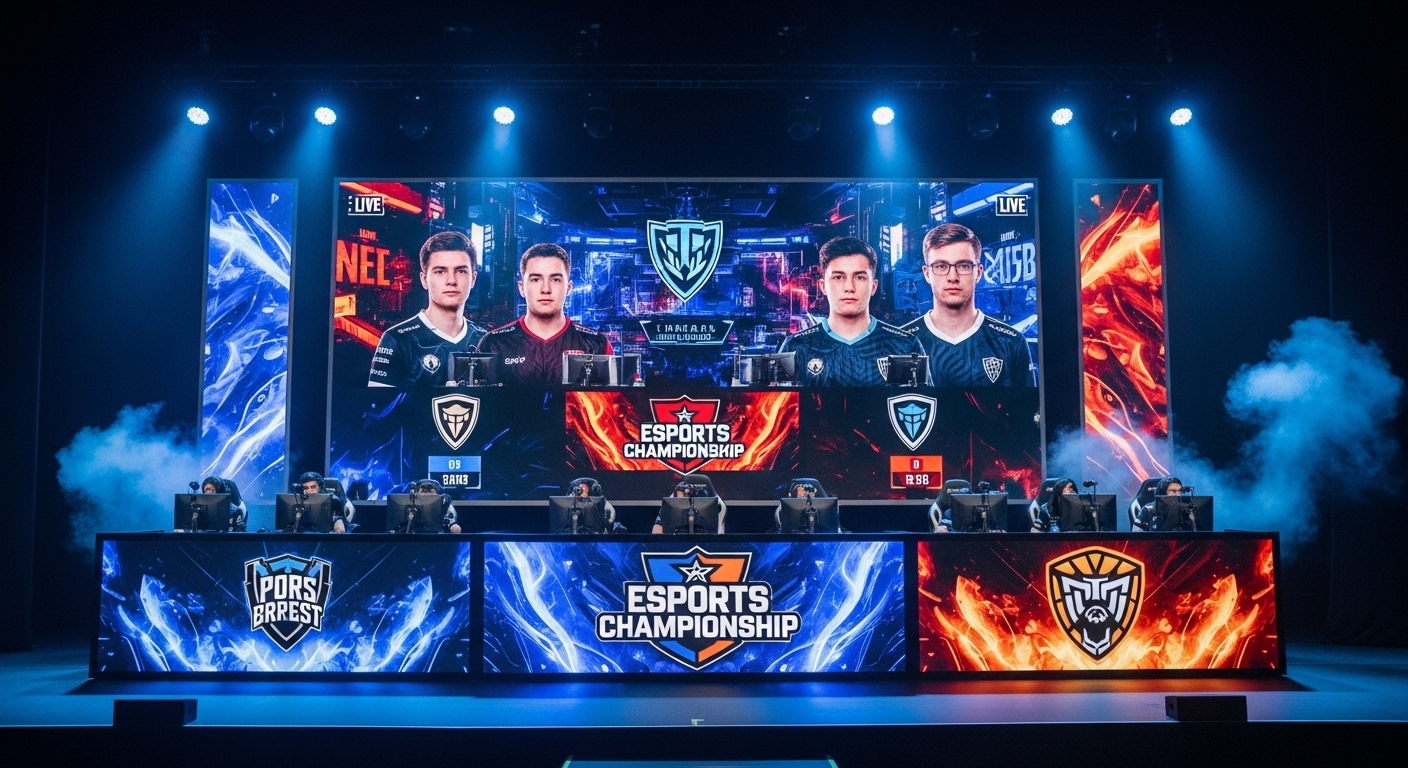
Introduction: A New Era of Competition
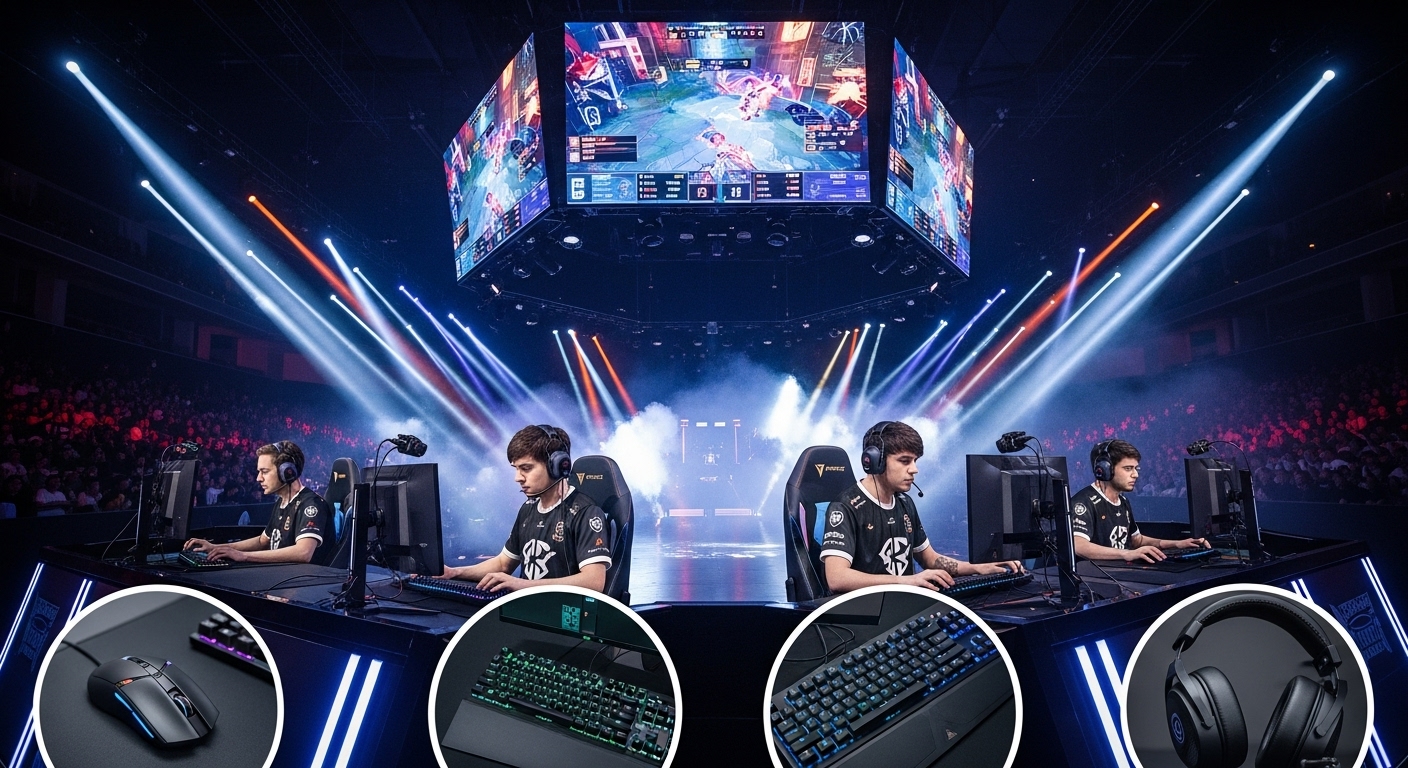
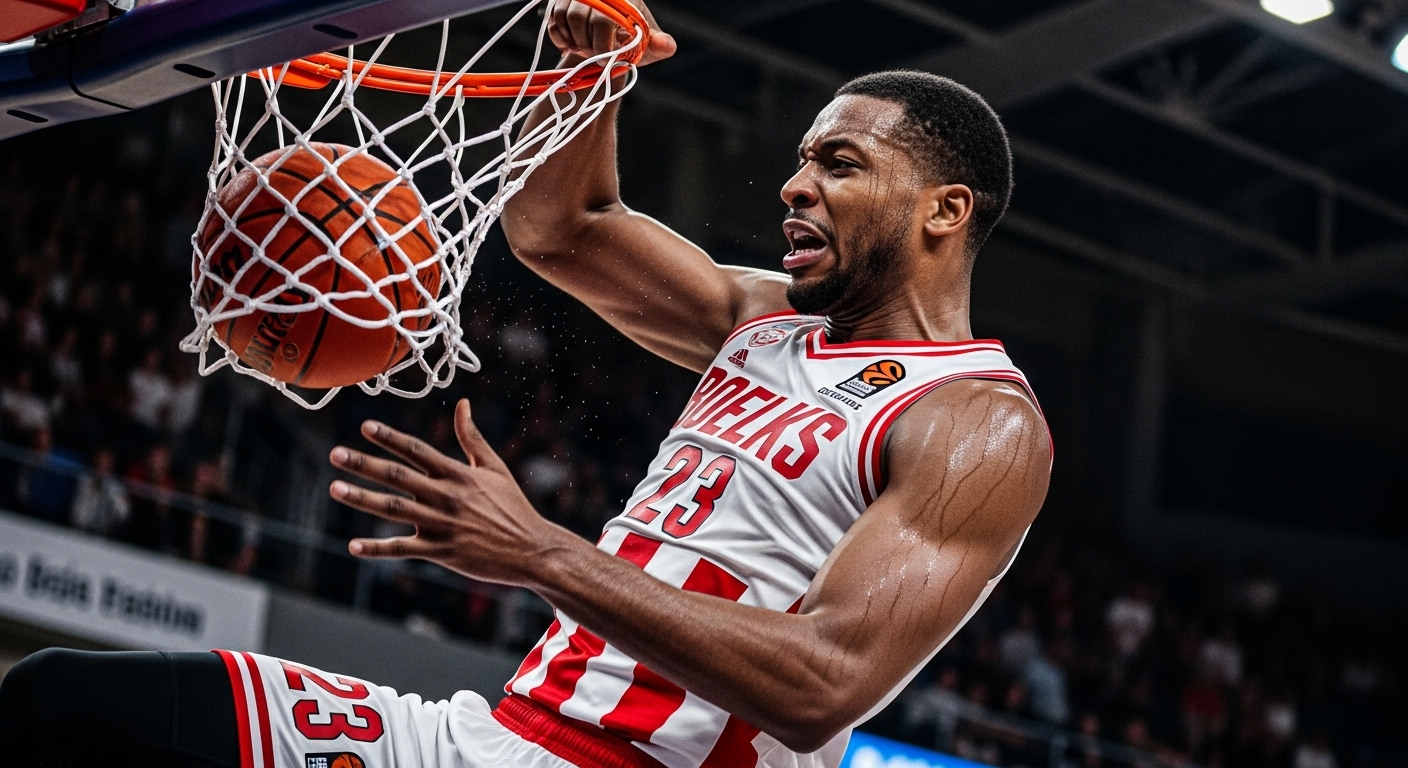
In the past, video games were often seen as a casual hobby, confined to bedrooms and arcades. Today, competitive gaming, widely known as esports, has emerged as a global phenomenon that rivals traditional sports in viewership, sponsorship, and cultural impact. What began as small, local competitions has grown into international tournaments with millions of fans watching online and in stadiums.
Esports is more than just a game; it is a fusion of skill, strategy, technology, and entertainment. It has created new career paths, brought together diverse communities, and transformed the way people perceive competition in the digital age.
The Origins of Esports
Esports traces its roots back to the early days of video gaming. The first known competition occurred in 1972 at Stanford University, where students played Spacewar for a modest prize. This humble beginning sparked a growing interest in competitive gaming.
The 1980s introduced arcade culture, with games like Pac-Man, Donkey Kong, and Street Fighter attracting large crowds. High scores became a status symbol, and local tournaments emerged as a social and competitive activity. Players were no longer just gamers—they were pioneers of a new type of sport.
The 1990s brought home computers, gaming consoles, and the internet, allowing players to compete across regions. Games such as Quake, StarCraft, and Counter-Strike set the stage for professional esports, while leagues like the Cyberathlete Professional League formalized competition, creating rankings, structured tournaments, and prize pools that mirrored traditional sports.
The Global Expansion of Esports
The real boom of esports began in the 2000s and 2010s with the rise of online streaming and high-speed internet. Games like League of Legends, Dota 2, Fortnite, and Overwatch captured international audiences and turned casual players into global stars.
Streaming platforms allowed fans to watch live matches, interact with players, and join online communities. Esports personalities became celebrities, combining skill and entertainment to inspire millions. Countries like South Korea and China became esports hubs, establishing training academies, broadcasting tournaments on national television, and treating esports players as professional athletes.
Accessibility also played a crucial role. Unlike traditional sports, esports only requires a device and internet connection, allowing players from all over the world to participate and compete. This has helped build a truly global community around gaming.
Structure of the Esports Ecosystem
Esports is organized similarly to traditional sports, with professional teams, leagues, and tournaments forming the backbone of the industry. Teams recruit top talent and employ coaches, analysts, and managers to maintain performance and competitiveness. Many organizations operate like corporations, focusing on branding, sponsorships, and long-term growth.
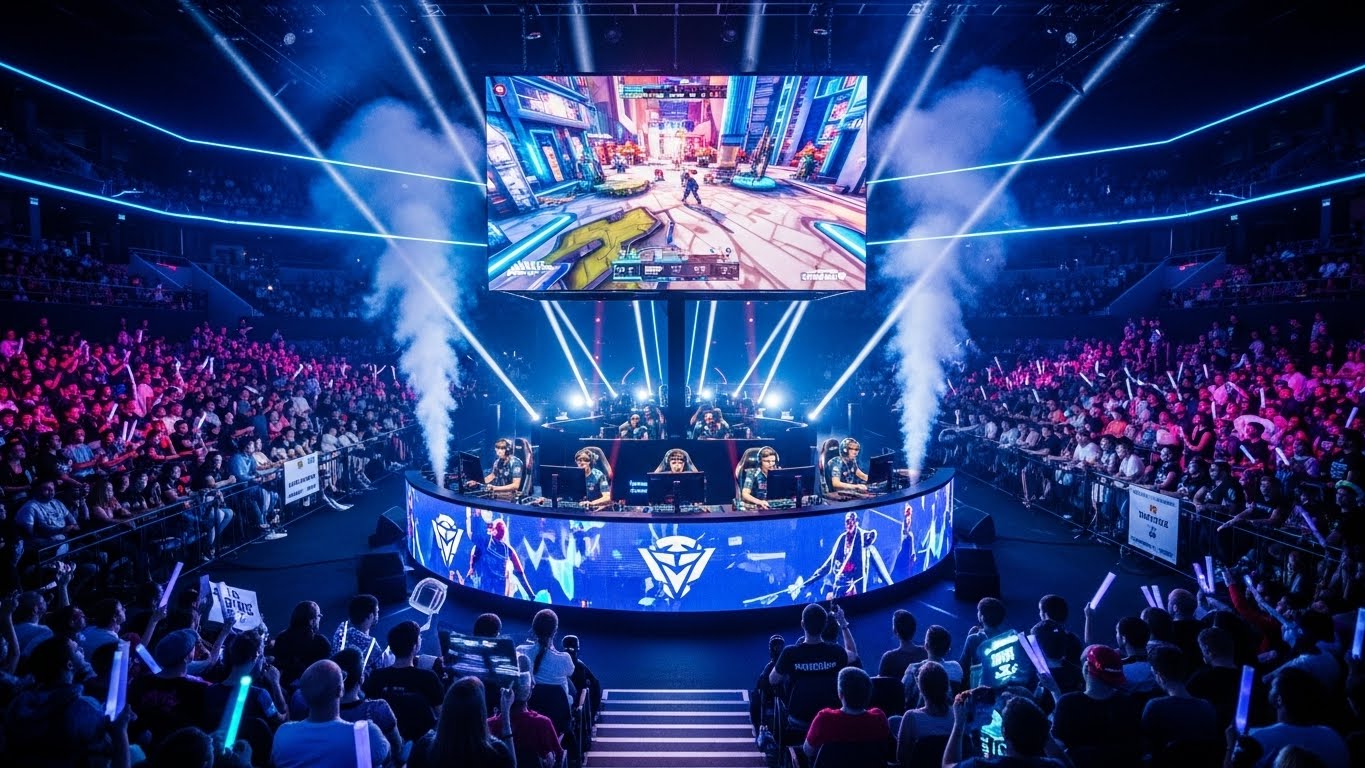
Tournaments range from small online events to global championships. The International, a Dota 2 tournament, and the League of Legends World Championship attract millions of viewers and offer prize pools of several million dollars. These events are broadcast online and increasingly hosted in arenas filled with live audiences.
Game publishers also play a critical role in esports. They maintain competitive balance, enforce rules, and often organize major tournaments. Fans contribute to the ecosystem through streaming, merchandise purchases, and community engagement, creating a cycle that sustains the industry.
Careers in Esports: Beyond Professional Players
While professional players are the most visible figures in esports, the industry offers diverse career opportunities. Coaches strategize and guide teams, analysts study gameplay and data to improve performance, and commentators provide engaging coverage of tournaments.
Other roles include content creators, event organizers, marketing experts, and broadcast technicians. Universities have begun offering courses in esports management and game design, preparing students for careers in this rapidly growing sector. The professionalization of esports ensures it is a sustainable career path with opportunities beyond playing games competitively.
The Business Side of Esports
Esports is a multi-billion-dollar industry with a variety of revenue streams. Sponsorships are the primary source of income, as companies seek to connect with younger, digitally engaged audiences. Brands invest in team partnerships, tournament sponsorships, and in-game advertising.
Streaming platforms contribute significantly to revenue through subscriptions, advertisements, and viewer donations. Ticket sales for live events and merchandise sales for teams provide additional income. Traditional sports organizations and investors are increasingly entering esports, recognizing both its cultural influence and financial potential.
This business model allows esports organizations to thrive while expanding their global reach and attracting a diverse fan base.
Esports and Mainstream Media
Once viewed as a niche hobby, esports has now become mainstream. Media outlets, television networks, and sports journalists cover major tournaments, player profiles, and team rivalries. The narratives of esports—skill, strategy, perseverance, and victory—resonate with audiences just like traditional sports stories.
Esports has even been included in multi-sport events like the Asian Games, further legitimizing competitive gaming as a recognized discipline. Although discussions continue about its inclusion in the Olympics, esports’ growing prominence shows that it is here to stay as both a cultural and competitive phenomenon.
Psychological and Social Aspects of Esports
Esports presents unique psychological challenges. Professional players face intense pressure, long hours of practice, and constant scrutiny, which can lead to burnout. Organizations now prioritize mental health programs, physical fitness, and balanced schedules to support player well-being.
Despite the challenges, esports offers numerous benefits. Players develop strategic thinking, teamwork, communication, and problem-solving skills. Gaming communities foster social connections and inclusion, providing a sense of belonging for individuals who might feel excluded in other social or sports environments. Esports is not just a competitive activity—it is a platform for personal growth, collaboration, and social interaction.
Technology as the Backbone of Esports
Esports is deeply intertwined with technology. High-speed internet, advanced hardware, and live streaming platforms make global competition possible. Emerging technologies such as artificial intelligence, virtual reality, and augmented reality are poised to further transform the industry.
Artificial intelligence helps analyze gameplay, identify optimal strategies, and enhance training. Virtual and augmented reality offer immersive experiences for both players and spectators, creating new ways to engage with esports. Blockchain technology and digital assets are also being explored to reward players and fans, reshaping the economic structure of competitive gaming.
Technology ensures that esports remains innovative, dynamic, and captivating for both participants and audiences.
Challenges Facing the Industry
Despite its rapid growth, esports faces several challenges. Sustainability is a major concern, as player burnout, tournament inconsistencies, and fluctuating revenue can hinder long-term stability.
Governance is another issue. Unlike traditional sports with centralized regulatory bodies, esports is fragmented, with each game publisher setting its own rules. This can lead to inconsistent standards and difficulties in protecting players’ rights.
Maintaining integrity is critical. Cheating, match-fixing, and online harassment must be addressed through strict policies and technological safeguards to preserve the credibility and reputation of esports.
The Future of Esports
The future of esports is bright and filled with potential. Analysts predict continued growth in audience numbers, revenue, and mainstream recognition. Younger generations, raised in digital environments, are likely to embrace esports as a legitimate form of competition.
Technological innovation will continue to shape the industry. Mixed-reality events, AI-driven coaching, and immersive spectator experiences may redefine the boundaries of gaming. Governments, universities, and investors are increasingly supporting esports infrastructure, ensuring it matures into a sustainable and well-regulated global industry.
At its core, esports will continue to thrive because of community, passion, and competition. Whether players are competing professionally or casually, the shared love for gaming drives growth, innovation, and engagement.
Conclusion: Esports as a Cultural and Competitive Force
Esports is more than a pastime—it is a cultural revolution that has redefined competition, entertainment, and community in the digital age. Combining skill, strategy, teamwork, and technology, esports creates experiences that rival traditional sports and captivate audiences worldwide.
From arcade beginnings to international tournaments with millions of fans, esports has proven that virtual competition can inspire, entertain, and unite people across the globe. It represents human creativity, technological innovation, and the power of connection.
As esports continues to grow, it will shape careers, influence media, and transform technology. The world of competitive gaming is no longer limited to screens—it is a global movement that celebrates excellence, teamwork, and the spirit of competition.