Esports, or electronic sports, has evolved from a niche hobby into a global phenomenon, captivating millions of players and viewers worldwide. With tournaments offering multi-million-dollar prize pools, professional teams, and celebrity gamers, esports is no longer just a pastime—it’s an industry reshaping entertainment, technology, and sports culture. In this article, we explore the multifaceted world of esports, from its history and major games to the economic impact and future prospects.
A Brief History of Esports
The roots of competitive gaming date back to the early 1970s, when video games began appearing in arcades and universities hosted competitions. The first notable event, the “Intergalactic Spacewar Olympics” in 1972, saw students competing in the game Spacewar on a DEC PDP-10 computer. While small and localized, this event set the stage for gaming competitions in the decades to come.
The 1980s and 1990s saw the rise of arcade gaming and early home consoles, fueling competitions in games such as Pac-Man, Donkey Kong, and Street Fighter. In 1990, the Nintendo World Championships demonstrated that gaming could draw a large audience and reward skillful play.
The advent of the internet and multiplayer gaming in the late 1990s and early 2000s marked a turning point for esports. Games like StarCraft and Counter-Strike laid the foundation for professional gaming, particularly in South Korea, where competitive gaming was treated with a seriousness comparable to traditional sports. This period also witnessed the formation of esports leagues and organized tournaments, paving the way for the global industry we see today.
Understanding Esports: Competitive Gaming Defined
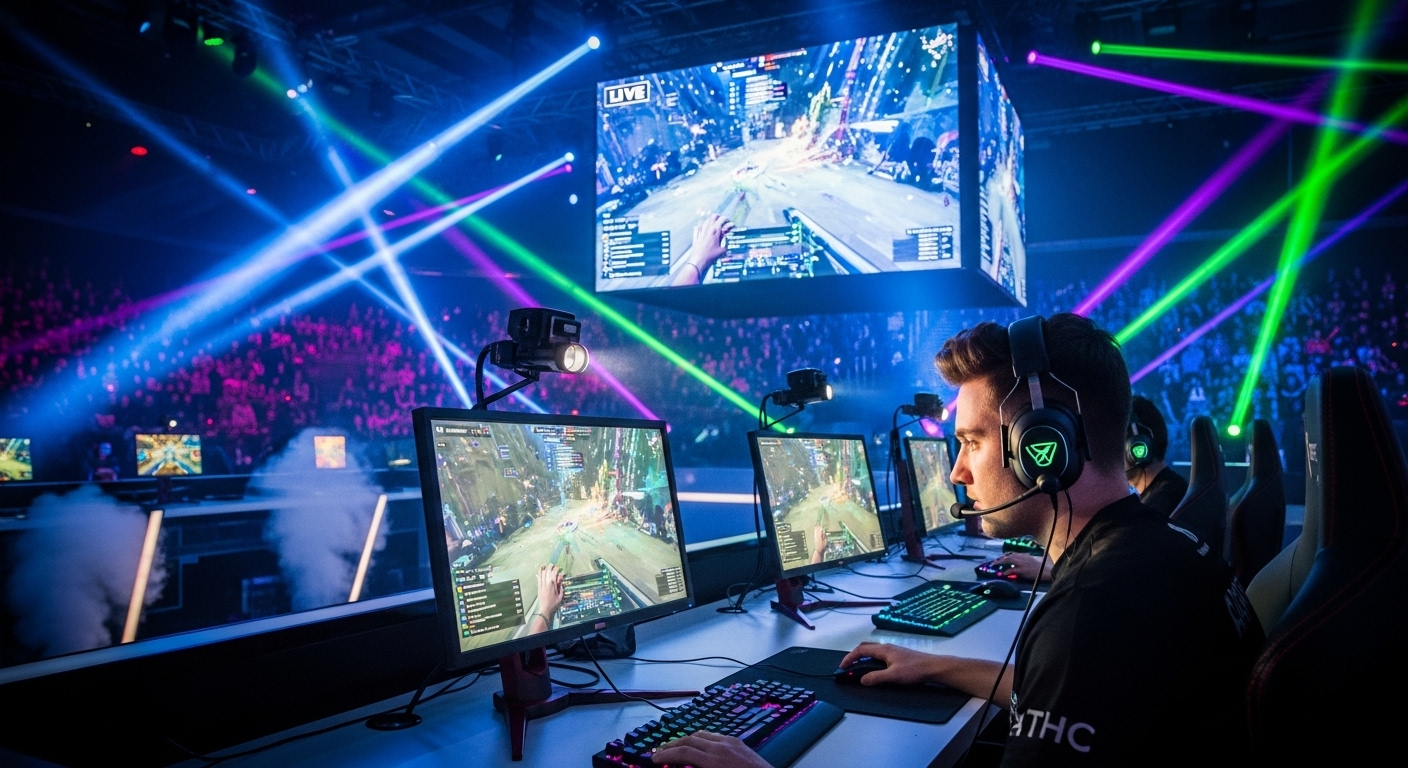
Esports is defined as organized, competitive video gaming, where individuals or teams compete in tournaments or leagues for prizes, recognition, and professional status. Unlike casual gaming, esports demands exceptional skill, strategy, and teamwork. Professional players train rigorously, often practicing for several hours daily to maintain peak performance.
Games played in esports competitions are diverse, spanning multiple genres. Each genre requires different skill sets, strategies, and team dynamics, offering unique entertainment experiences for both players and spectators.
Popular Esports Genres and Games
Esports has a wide variety of games, each with a unique fanbase and competitive scene. Some of the most notable genres include:
1. Multiplayer Online Battle Arena (MOBA)
MOBAs are strategic team-based games where players control characters with distinct abilities to achieve objectives on a battlefield. Popular titles like League of Legends and Dota 2 have become iconic in the esports world, featuring massive tournaments with prize pools exceeding tens of millions of dollars.
MOBAs require coordination, strategy, and real-time decision-making. Teams must manage resources, secure objectives, and counter opponents’ strategies, making the games intellectually demanding and thrilling to watch.
2. First-Person Shooters (FPS)
FPS games, including Counter-Strike: Global Offensive, Valorant, and Call of Duty, focus on precision, reflexes, and tactical execution. These games are often played in fast-paced matches where individual skill can significantly impact the outcome. Competitive FPS tournaments attract millions of live viewers, demonstrating the global appeal of high-stakes gunplay and team coordination.
3. Battle Royale
Battle royale games, such as Fortnite, PUBG, and Apex Legends, have surged in popularity due to their blend of survival, exploration, and combat. Players compete in large-scale matches where the last person or team standing wins. These games emphasize adaptability, situational awareness, and strategy, keeping viewers on the edge of their seats.
4. Fighting Games
Fighting games like Street Fighter, Tekken, and Super Smash Bros. have a long history in esports, dating back to the arcade era. Success in fighting games requires precise timing, memorization of combos, and understanding of opponents’ patterns. Tournaments like EVO have become iconic events in the esports calendar, celebrating skill and competition.
5. Sports Simulations
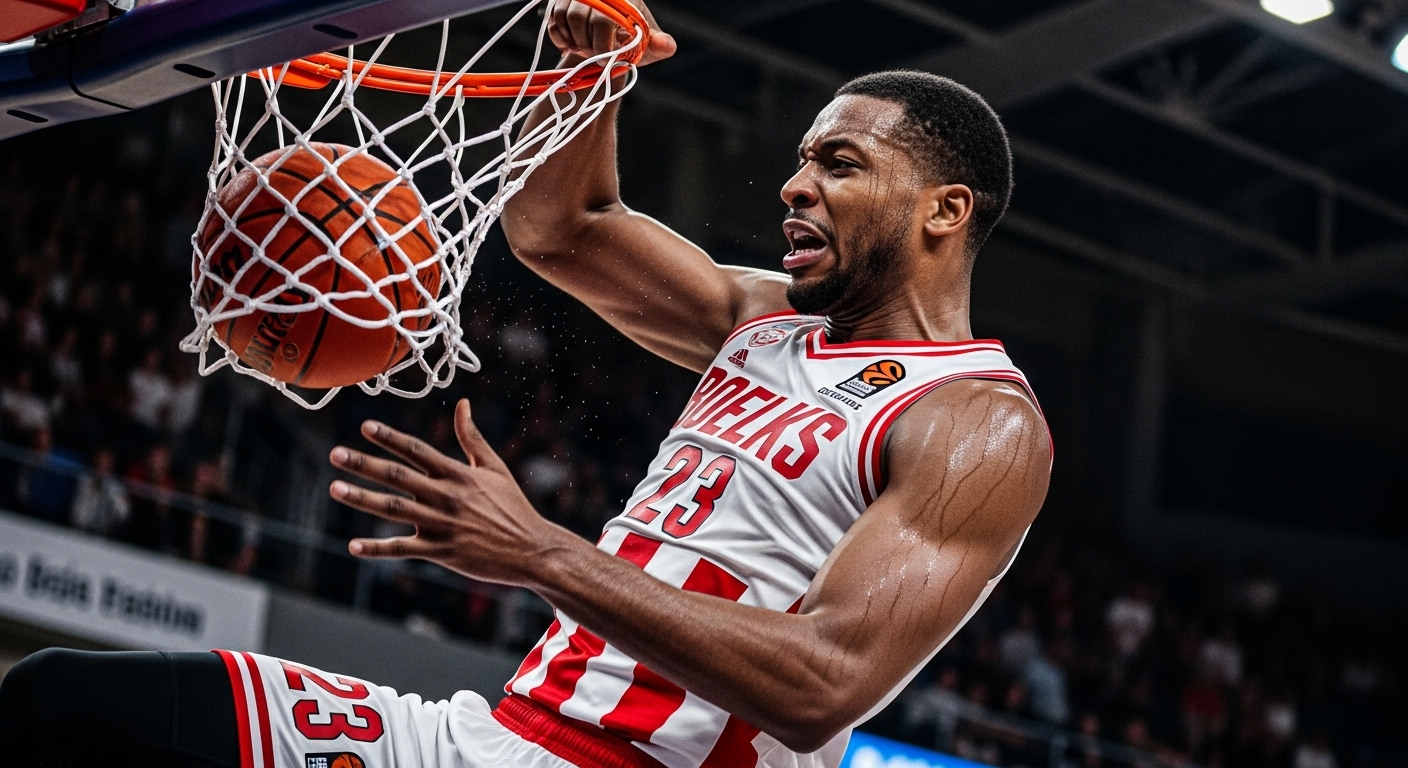
Video game adaptations of traditional sports, such as FIFA, NBA 2K, and Madden NFL, have carved a niche in competitive gaming. These games attract both fans of the sport and gaming enthusiasts, bridging the gap between physical sports and digital competition. Players often compete in leagues modeled after professional sports structures, enhancing realism and immersion.
The Professional Esports Ecosystem
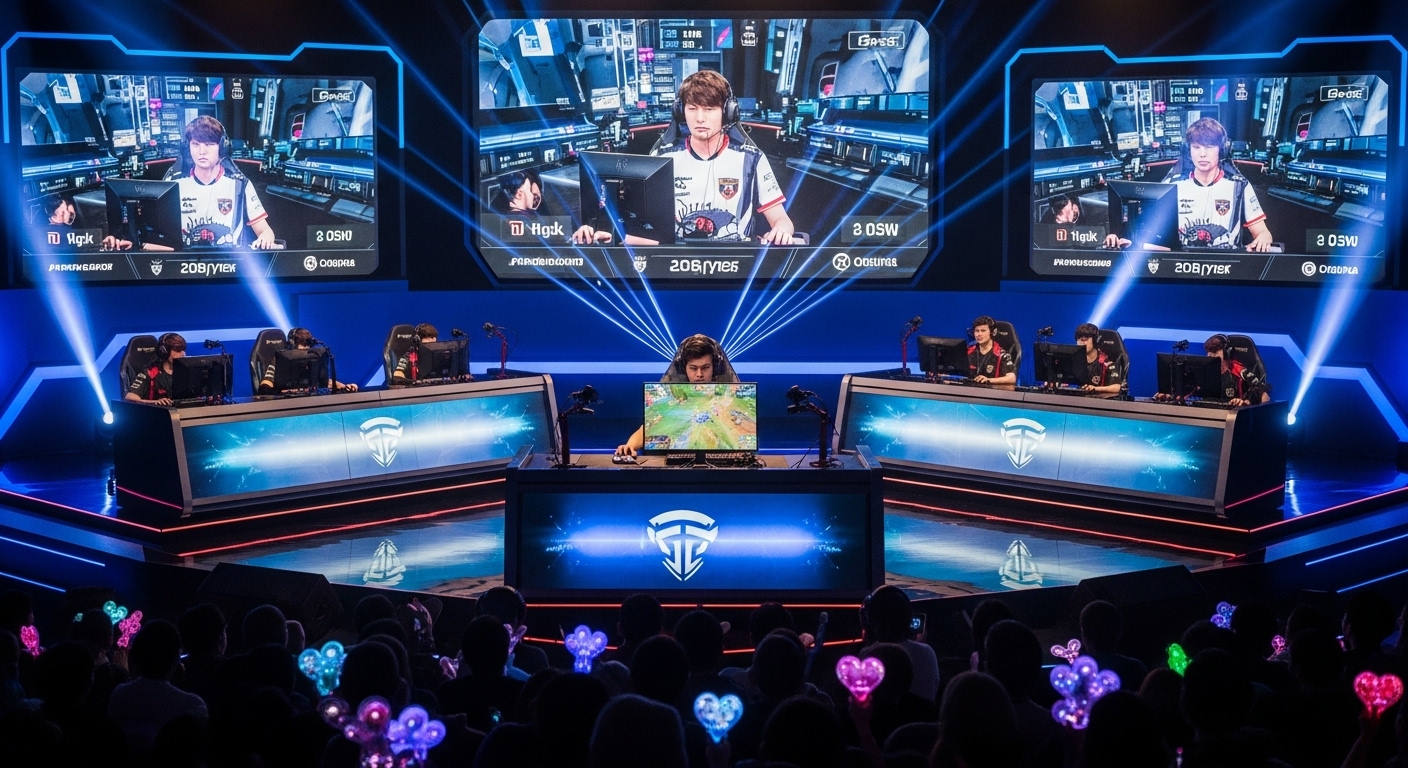
Professional esports mirrors traditional sports in many ways. Players are often signed to teams, receive salaries, and participate in global tournaments. The esports ecosystem is supported by leagues, sponsorships, streaming platforms, and media coverage.
Teams and Organizations
Esports teams are similar to traditional sports franchises. They recruit top talent, provide coaching, and develop strategies for competitions. Some of the most famous organizations, like Team Liquid, Fnatic, and Cloud9, operate globally, maintaining rosters across multiple games and regions.
Training and Preparation
Professional esports players dedicate extensive time to training. Unlike casual gaming, professional practice involves structured routines, strategy discussions, review of gameplay footage, and physical conditioning to maintain reflexes and mental acuity. Nutrition, exercise, and mental health have also become integral to sustaining long-term careers in esports.
Streaming and Content Creation
Streaming platforms such as Twitch, YouTube Gaming, and TikTok Gaming play a crucial role in the esports ecosystem. Many players supplement their income through streaming and content creation, offering fans insight into their gameplay, personalities, and daily routines. Streaming has democratized esports viewership, allowing anyone with an internet connection to watch top players compete live.
Economic Impact of Esports
The financial scale of esports has grown exponentially over the past decade. Analysts estimate that the global esports market will surpass several billion dollars, fueled by sponsorships, advertising, merchandise, and media rights.
Sponsorships and Advertising
Major brands are increasingly investing in esports sponsorships, recognizing the opportunity to reach a younger, tech-savvy audience. Companies in technology, energy drinks, apparel, and even automotive sectors have partnered with esports teams and tournaments, creating mutually beneficial exposure.
Prize Pools and Competitive Incentives
Esports tournaments offer lucrative prize pools that can reach millions of dollars. The International, Dota 2’s premier tournament, has consistently broken records with crowdfunded prize pools exceeding forty million dollars. These incentives attract top-tier talent, elevate competition, and enhance global interest in esports.
Career Opportunities Beyond Players
The esports industry provides career opportunities beyond professional play. Roles in coaching, event management, broadcasting, game development, marketing, and data analysis contribute to the sector’s growth. As esports expands, the industry increasingly resembles a traditional sports ecosystem with diverse career pathways.
Global Reach and Cultural Influence
Esports has transcended borders, influencing cultures, media, and entertainment worldwide. Countries like South Korea, China, and the United States lead the competitive scene, while emerging markets in Europe, South America, and Southeast Asia are rapidly developing esports infrastructures.
South Korea: The Birthplace of Modern Esports
South Korea is often regarded as the birthplace of modern esports, particularly for real-time strategy games like StarCraft. Professional gaming is deeply ingrained in the country’s culture, with players enjoying celebrity status, dedicated esports arenas, and government support.
Western Expansion
In North America and Europe, esports has experienced a surge in popularity through games like League of Legends, Fortnite, and Counter-Strike. Universities now offer esports scholarships, and professional leagues adopt franchised systems, solidifying esports as a mainstream form of entertainment.
Cultural Integration
Esports has influenced music, fashion, and social media trends. Collaborations with popular artists, limited-edition merchandise, and virtual concerts within games have created a unique cultural fusion, bridging gaming with broader entertainment industries.
Challenges and Criticisms
Despite its growth, esports faces challenges that impact sustainability and public perception.
Player Health and Burnout
Intense training schedules and high-stress environments can lead to physical and mental health issues. Eye strain, repetitive strain injuries, and burnout are common among professional players. Teams increasingly emphasize holistic health strategies to mitigate these risks.
Regulation and Integrity
Cheating, match-fixing, and performance-enhancing drugs have raised concerns about fairness and integrity in esports. Governing bodies are gradually implementing regulations and standardized rules to ensure competitive fairness.
Social Perceptions
Esports still faces skepticism as a “real sport” due to its digital nature. Traditional sports enthusiasts often question its legitimacy, although growing mainstream acceptance and media coverage are gradually shifting perceptions.
The Future of Esports
The future of esports is promising, driven by technological innovation, audience growth, and global investment. Key trends shaping the industry include:
Virtual Reality and Augmented Reality
Emerging technologies like virtual reality (VR) and augmented reality (AR) have the potential to revolutionize esports. Immersive gaming experiences could redefine competition, viewer engagement, and player interaction.
Mobile Esports Expansion
Mobile gaming is a significant growth area, particularly in regions with limited access to high-end gaming PCs or consoles. Titles like Mobile Legends and PUBG Mobile have created thriving competitive ecosystems, making esports more accessible worldwide.
Integration with Traditional Sports
Partnerships between esports and traditional sports leagues are increasing. Football clubs, basketball teams, and other professional sports organizations are investing in esports teams, merging fanbases and expanding market reach.
AI and Data Analytics
Artificial intelligence and data analytics are being used to improve training, strategy, and audience engagement. Coaches can analyze gameplay patterns, while broadcasters enhance storytelling with real-time insights.
Conclusion
Esports has transformed from a niche hobby into a global cultural and economic powerhouse. With millions of players, fans, and investors engaged in the ecosystem, the industry continues to innovate and expand. From grassroots competitions to massive international tournaments, esports embodies skill, strategy, and entertainment, reshaping how we think about sports and digital culture.
The journey of esports is far from over. As technology evolves, audiences grow, and competitive standards rise, esports will continue to redefine entertainment, blur the lines between physical and digital competition, and cement its place in global culture for years to come.