Esports, short for electronic sports, has evolved from a niche hobby to a multi-billion-dollar industry with global recognition. What once started as small, localized tournaments and LAN parties has now exploded into a professional ecosystem that attracts millions of viewers, generates substantial revenue, and garners massive sponsorships from some of the world’s largest brands. Today, esports is not just a pastime for gamers, but a legitimate career path, with dedicated players, coaches, analysts, and production teams. In this blog post, we will explore the history, evolution, and current state of esports, along with its cultural, economic, and social impacts.
The Early Days: Origins and Growth of Esports
The First Steps
The origins of esports can be traced back to the late 1980s and early 1990s, when competitive gaming started to take shape. The concept of gaming tournaments was birthed with the first significant event being the Space Invaders Championship in 1980. Held by Atari, this tournament gathered a large number of participants and gave birth to the idea that games could be more than just entertainment—they could be competitive. However, it wasn’t until the 1990s that the esports landscape began to truly develop.
During this time, games like Street Fighter II, Doom, and Warcraft II became the foundation of competitive gaming. These games had multiplayer modes and encouraged players to face off against one another, leading to the creation of the first LAN (Local Area Network) parties and tournaments. These early events were often small, but they helped establish the concept that video games could be played professionally and competitively.
The Birth of Online Tournaments
With the rise of the internet in the late 1990s and early 2000s, competitive gaming began to move beyond LAN tournaments and expanded into the online realm. Games like Quake, StarCraft, and Counter-Strike introduced online multiplayer features, allowing players from all around the world to compete against one another. The ability to play remotely revolutionized esports, turning it from a localized activity into a truly global phenomenon.
The late 1990s also saw the formation of early esports organizations and competitive teams, laying the groundwork for the professional leagues we see today. The Cyberathlete Professional League (CPL), founded in 1997, was one of the first organizations to host large-scale, competitive gaming events. As esports began to grow, the first wave of professional players emerged, and sponsorships started to trickle into the industry.
The Rise of Esports in the 2000s
The Emergence of Big Games
The 2000s marked a major turning point for esports. The release of games like Warcraft III, League of Legends, StarCraft II, and Counter-Strike: Global Offensive brought a new level of sophistication to competitive gaming. These games not only attracted large audiences but also supported intricate strategies, team-based gameplay, and the development of professional esports circuits.
One of the defining moments of this era was the success of StarCraft: Brood War in South Korea. StarCraft became more than just a game in South Korea; it became a national pastime. The Korean esports scene blossomed with the creation of major tournaments, including the Proleague and StarCraft: League. By the mid-2000s, professional esports leagues were organized in countries all over the world, but South Korea remained the undisputed epicenter of the esports industry. The country established esports as a legitimate, mainstream sport, and professional players were treated with the same respect as traditional athletes.
In 2000, Major League Gaming (MLG) was formed in the United States, marking the beginning of North America’s entrance into the esports mainstream. MLG hosted large-scale tournaments for games like Halo, Call of Duty, and Gears of War, gaining significant popularity throughout the 2000s.
Sponsorships and Media Growth
As the demand for esports grew, so did its visibility. Major sponsors, including companies like Intel, Red Bull, and Samsung, began to pour money into the industry, further legitimizing esports as a professional activity. By the late 2000s, streaming platforms like Twitch began to emerge, making it easier for fans to follow live tournaments and watch professional gamers in action.
Twitch was officially launched in 2011, and it quickly became the go-to platform for esports streams. Gamers could now watch professional competitions, follow their favorite teams and players, and even interact with them in real-time via chat. This fostered a sense of community around esports, as viewers could feel connected to the action, no matter where they were.
The Role of Broadcasting and Live Events
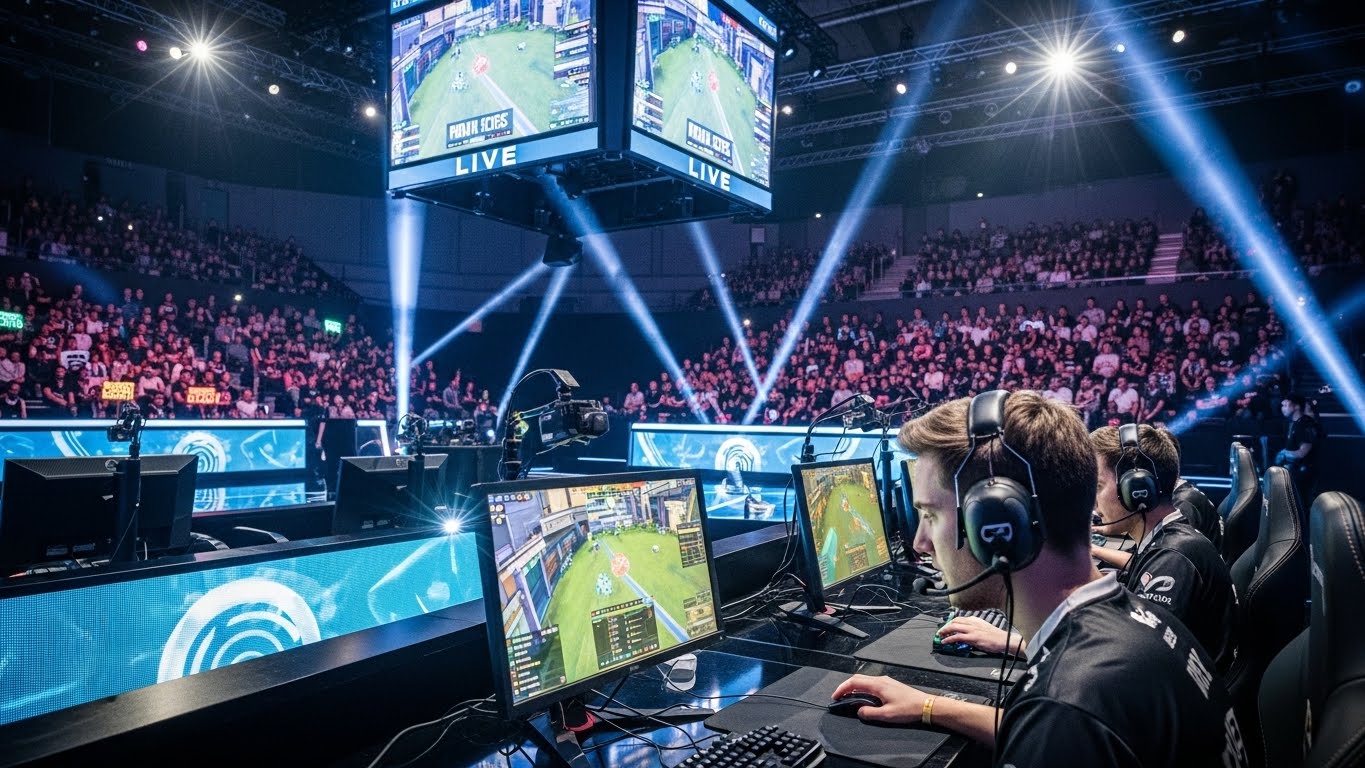
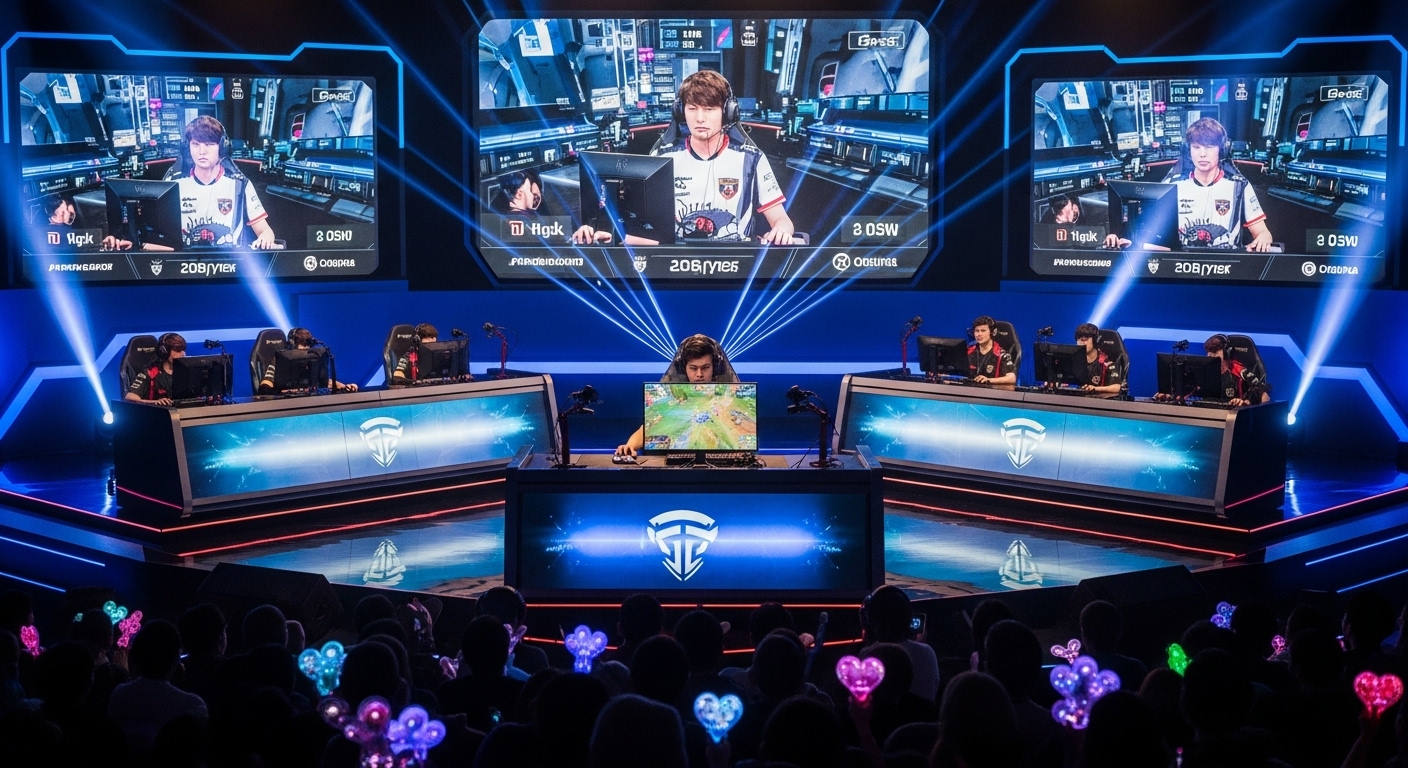
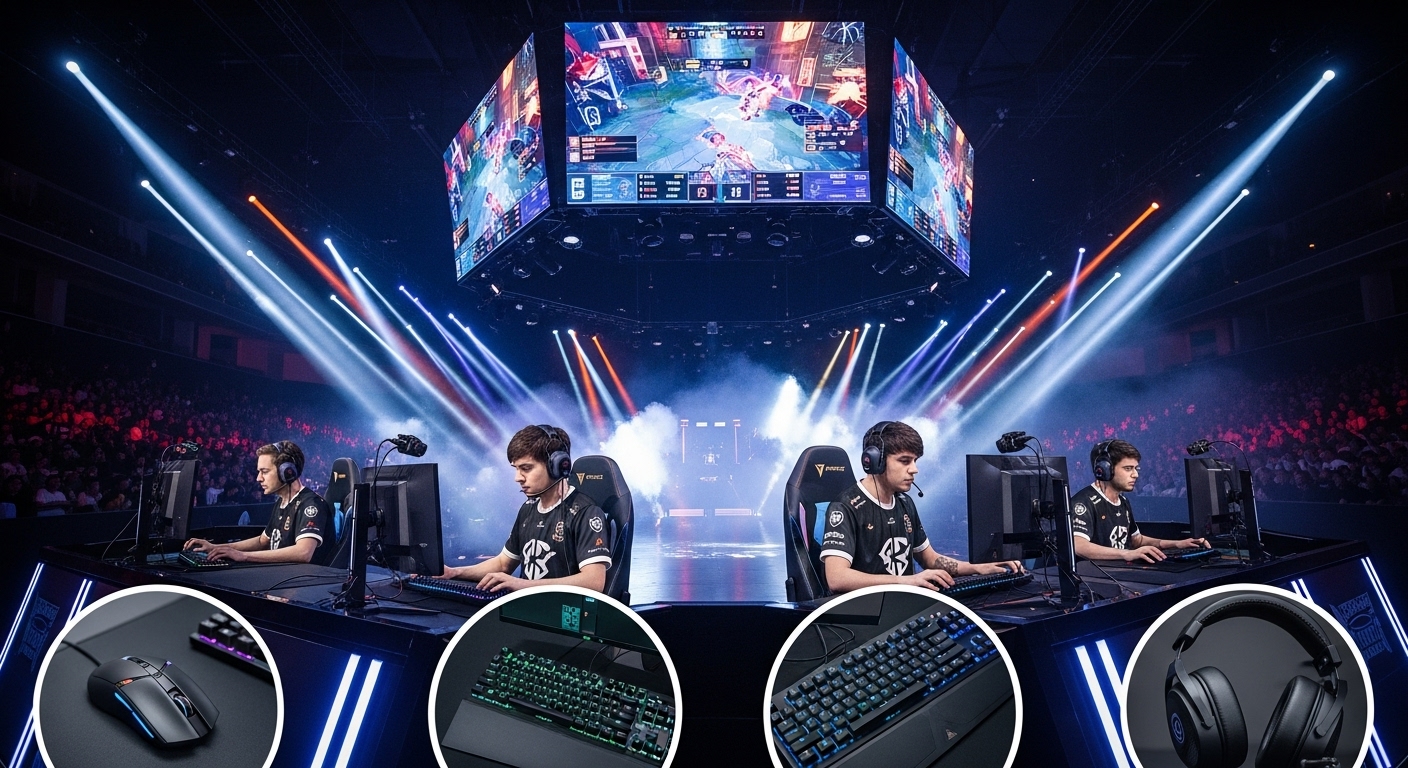
As online streaming platforms began to grow in the early 2010s, live events and esports broadcasts became a significant part of the esports ecosystem. Major events like The International (TI) for Dota 2, League of Legends World Championships, and BlizzCon brought together tens of thousands of fans in large arenas and millions of viewers from around the globe.
Live broadcasts of these tournaments were available on multiple platforms, and some were even broadcasted on television in certain regions, giving esports exposure to audiences who were previously unfamiliar with the concept of competitive gaming. These events were marked by high production values, including professional commentators, live interviews with players, and detailed analysis of the gameplay.
The Growth of Esports in the 2010s
From Hobby to Profession
The 2010s marked a period of explosive growth for esports. No longer just a hobby or niche interest, esports became a legitimate profession for many players. With the influx of sponsorships, media rights deals, and a growing fan base, esports was well on its way to becoming a multi-billion-dollar industry. Professional leagues and tournaments were organized with increasing frequency, and competitive gaming became a viable career for many skilled players.
By this time, some of the largest esports organizations were established, and these teams began to attract significant sponsorship deals from global brands. Cloud9, Fnatic, Team Liquid, and SK Telecom T1 became household names in the esports scene, and their players were treated as celebrities by fans.
The growth of esports led to the creation of the first esports-focused universities and scholarship programs. Players could now attend college while also competing in professional esports leagues. As a result, esports was increasingly recognized as a legitimate career path, with scholarships and support available for aspiring players.
Esports in Mainstream Culture
As esports continued to grow, it became more integrated into mainstream culture. High-profile celebrities and influencers began to take notice, with people like Shaquille O’Neal, Drake, and Ninja getting involved in the esports scene. Even traditional sports teams, such as the Philadelphia 76ers and Dallas Cowboys, invested in esports organizations.
Esports events started to fill large stadiums, and even larger events were held in massive venues like the Mercedes-Benz Arena in Berlin or the Staples Center in Los Angeles. These events were sold-out, and the crowds in attendance rivaled those of major music concerts or traditional sports games.
One of the most notable changes in the 2010s was the increased focus on the viewership experience. Esports events were broadcast in high-definition, complete with professional commentary, player profiles, and engaging production values that made watching online or in person a thrilling experience.
The Role of Streaming Platforms
The role of streaming platforms like Twitch, YouTube Gaming, and Facebook Gaming became more central to the esports industry in the 2010s. These platforms not only allowed players to stream their personal gameplay but also provided access to live esports events and tournaments. Viewers could follow specific players or teams, watch events in real-time, and engage with the content in a way that traditional sports broadcasts could not replicate.
In addition to these platforms, social media became a key factor in growing the visibility of esports. Twitter, Instagram, and TikTok allowed players to connect with their fan base, share highlights, and promote their teams and events. The interactivity of these platforms helped build the global esports community and foster deeper relationships between players, organizations, and their fans.
The Present Day: The State of Esports in 2025
A Multi-Billion-Dollar Industry
Today, esports has truly evolved into a global phenomenon. The industry generates billions of dollars annually through various revenue streams, including sponsorships, advertising, media rights, merchandise sales, and ticket sales for live events. The esports market continues to expand, with professional leagues and tournaments being held in almost every region of the world.
The largest esports events now offer millions of dollars in prize money. The International 2024 for Dota 2, for example, offered a staggering prize pool of over $40 million, with the winners taking home a significant portion of that amount. In addition, sponsorships from major brands like Coca-Cola, Intel, and Nike have solidified esports as a key player in the global entertainment market.
The Rise of New Games and Titles
While games like League of Legends, Dota 2, and Counter-Strike continue to dominate the competitive gaming scene, newer titles like Fortnite, Valorant, and Apex Legends have emerged as the next wave of esports games. These games have garnered large, dedicated player bases and have become a central part of the esports ecosystem.
Fortnite, in particular, made waves with its innovative battle royale mode and massive prize pools for its events, including the Fortnite World Cup in 2019, where a 16-year-old player won $3 million. The game’s unique approach to competitive play and accessibility has made it one of the most successful esports titles to date.
Esports as a Spectator Sport
Esports is also increasingly recognized as a spectator sport. Just like traditional sports, fans can follow their favorite teams and players, watch live games, and cheer for their favorite competitors. The rise of esports betting has further solidified esports as a legitimate sports industry. Major gambling companies have recognized the potential of esports betting, and online sportsbooks now offer odds on major esports events.
In addition, traditional media companies and broadcast networks are now interested in esports. This has led to major partnerships with networks like ESPN, Fox Sports, and NBC, who now air esports events alongside traditional sports programming.
Inclusion and Diversity in Esports
One of the most positive developments in recent years has been the growing inclusivity of esports. Historically, esports has been dominated by male players, but efforts are being made to encourage female participation in both competitive play and content creation. Female players and teams like Dignitas’ female CS:GO team and G2’s female Valorant team are making their mark in the esports world.
Additionally, organizations are beginning to take steps toward creating more inclusive environments for players from diverse backgrounds. This includes promoting initiatives to support players from underrepresented regions, improving accessibility for people with disabilities, and addressing harassment issues within the community.
Conclusion: The Future of Esports
Esports has come a long way from its humble beginnings in the 1980s. Today, it stands as a global industry with millions of fans, dedicated players, and significant financial backing. With its continuing growth, esports is poised to become even more mainstream, with more opportunities for players, teams, and content creators to thrive.
As technology continues to evolve, esports will likely continue to push the boundaries of what’s possible. Virtual reality and augmented reality are on the horizon, and it’s likely that these technologies will soon play a role in the next evolution of esports. Moreover, esports will continue to blend with traditional sports, with more crossover events and collaborations between esports organizations and traditional sports teams.