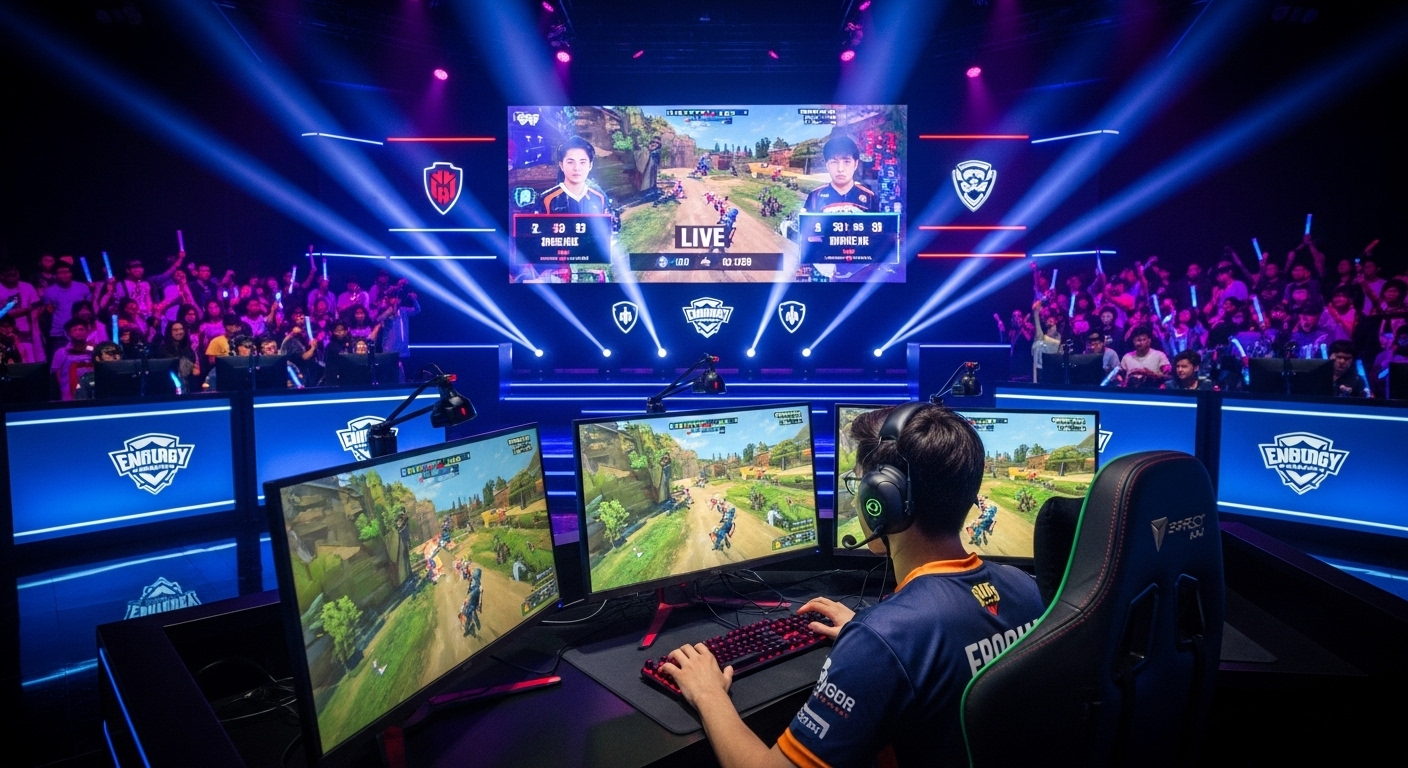
In the past two decades, the world has witnessed a dramatic transformation in the way people play, watch, and celebrate games. What was once dismissed as a mere pastime for young people sitting in front of computer screens has evolved into one of the fastest-growing global industries: esports. Today, competitive gaming has captured the imagination of millions across the world, rivaling traditional sports in terms of popularity, audience engagement, and revenue. Esports has emerged not merely as entertainment but as a legitimate cultural and economic phenomenon that represents the digital age’s intersection of technology, competition, and creativity.
Understanding Esports: The Foundation of a Global Phenomenon
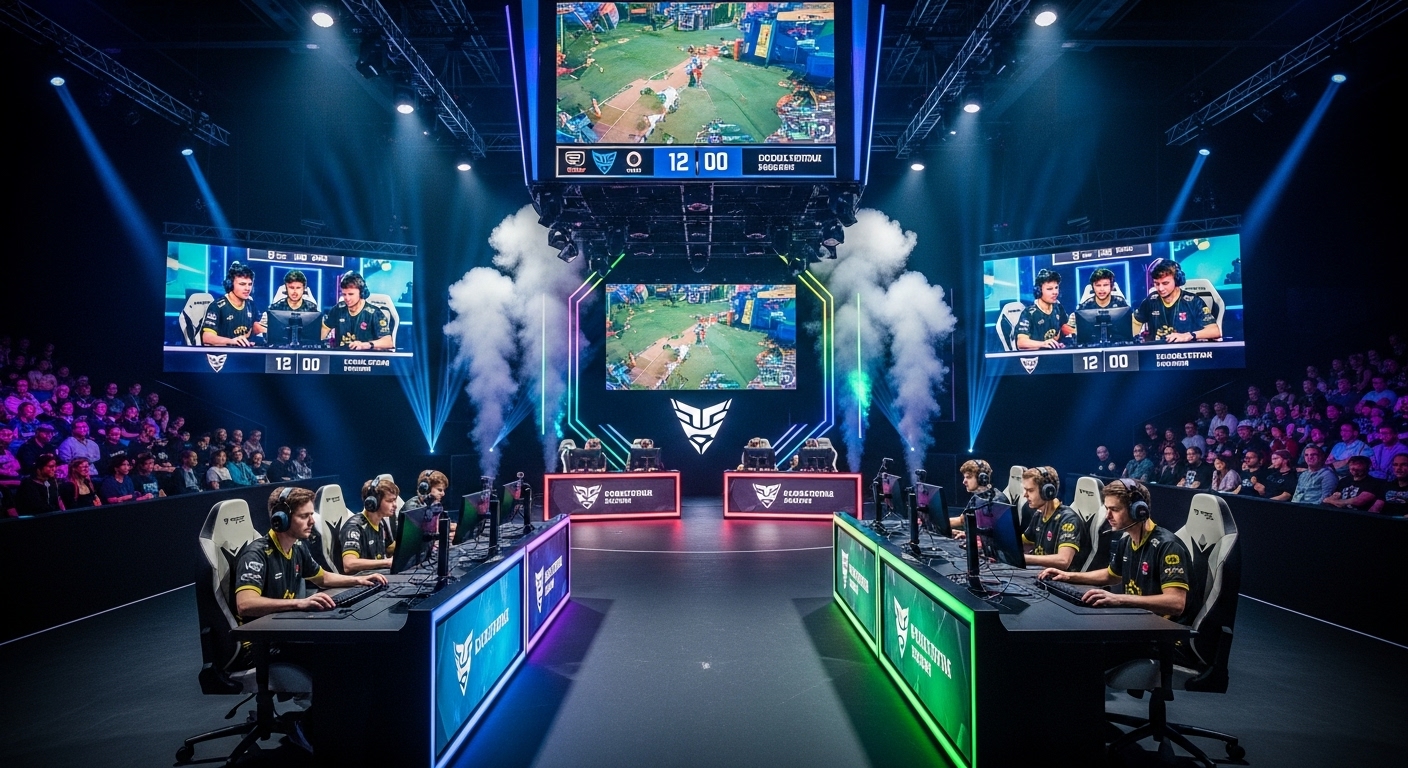
Esports, short for electronic sports, refers to organized, competitive video gaming where individuals or teams compete against each other in various games. These competitions often take place in professional tournaments, with live audiences and massive online viewerships. Games such as League of Legends, Counter-Strike, Dota 2, Fortnite, and Valorant have become household names, attracting players and fans from all corners of the globe.
Unlike casual gaming, esports is characterized by professional-level competition, rigorous training, strategy, and teamwork. Players are often signed to professional organizations, receive salaries, and compete for large prize pools. The structure resembles that of traditional sports, with leagues, sponsorships, coaching, and even player transfers. This transformation from hobby to profession has given rise to an entirely new industry ecosystem that includes broadcasters, advertisers, event organizers, and developers.
The Early Years: From Arcades to Online Arenas
The roots of esports can be traced back to the early 1980s when the first video game competitions began appearing in arcades and local gaming clubs. One of the earliest known gaming tournaments took place at Stanford University in 1972, where students competed in the game Spacewar. In 1980, Atari hosted the Space Invaders Championship, attracting over 10,000 participants across the United States — a remarkable achievement for its time and a sign of things to come.
As technology advanced, gaming consoles and personal computers became more accessible, expanding the community of players. In the 1990s, online multiplayer gaming took shape with titles like Doom and Quake, allowing players to compete over local area networks (LANs). This gave rise to the first generation of professional gamers and teams who traveled to LAN parties to showcase their skills.
The rise of broadband internet in the late 1990s and early 2000s marked a turning point. Games like StarCraft in South Korea became cultural icons, and televised gaming competitions began to appear. South Korea, in particular, played a pivotal role in legitimizing esports, establishing dedicated television channels for gaming and turning players into national celebrities. This era laid the groundwork for the global expansion that would follow.
The Golden Age: Esports Goes Mainstream
The 2010s marked the golden age of esports. With the proliferation of streaming platforms such as Twitch and YouTube Gaming, audiences could now watch live matches from anywhere in the world. This accessibility transformed esports into a mainstream form of entertainment. Major tournaments like The International (for Dota 2), the League of Legends World Championship, and the Fortnite World Cup began offering multimillion-dollar prize pools, drawing millions of viewers and participants.
During this decade, esports organizations such as Cloud9, Team Liquid, and Fnatic became global brands. Sponsorships from non-endemic companies — including automotive, beverage, and financial industries — began flooding in, recognizing the massive marketing potential of the esports audience. The competitive gaming scene was no longer an underground subculture; it was a global industry that attracted the same level of attention as major sporting events.
Universities began offering esports scholarships, governments started recognizing professional gamers as athletes, and major cities competed to host international tournaments. The line between sports and esports became increasingly blurred, with traditional sports franchises investing in esports teams and athletes transitioning into gaming as a career path.
The Esports Ecosystem: More Than Just Players
Behind every professional esports player is a complex and interconnected system that keeps the industry running. The esports ecosystem includes game developers, tournament organizers, broadcasters, sponsors, fans, and content creators — all of whom play a crucial role in its growth and sustainability.
Game developers such as Riot Games, Valve, and Blizzard Entertainment design and maintain competitive titles, balancing gameplay and creating engaging spectator experiences. Tournament organizers manage large-scale events, ensuring that the competitive environment is fair, exciting, and technologically seamless. Streaming platforms serve as the digital stadiums where fans gather to watch their favorite teams in action.
Sponsors and advertisers form another vital pillar of the ecosystem, providing financial backing in exchange for exposure to esports’ highly engaged and youthful audience. Merchandise sales, media rights, and ticketed live events contribute additional revenue streams. Esports is not just about gaming; it’s about media, entertainment, marketing, and community building.
The Players: The New Generation of Digital Athletes
Professional esports players, often referred to as cyber athletes, represent the heart of the industry. They dedicate years to honing their reflexes, strategic thinking, and teamwork. A typical professional gamer practices for 8 to 12 hours a day, studying opponents, reviewing gameplay footage, and maintaining peak physical and mental health. The skill level required to compete at the top is extraordinary, and only a handful make it to the global stage.
These players often start their careers as teenagers, rising through online leaderboards before being scouted by professional teams. They participate in boot camps, follow strict training regimens, and often live together in team houses to foster communication and cohesion. The physical toll of long hours in front of screens is significant, leading many teams to hire fitness coaches, nutritionists, and psychologists to maintain player well-being.
What sets esports athletes apart is their connection to fans. Unlike traditional sports, where athletes may be distant celebrities, esports players often interact directly with fans through live streams and social media, building personal relationships and communities around their personalities.
The Spectator Experience: From Arenas to Online Streaming
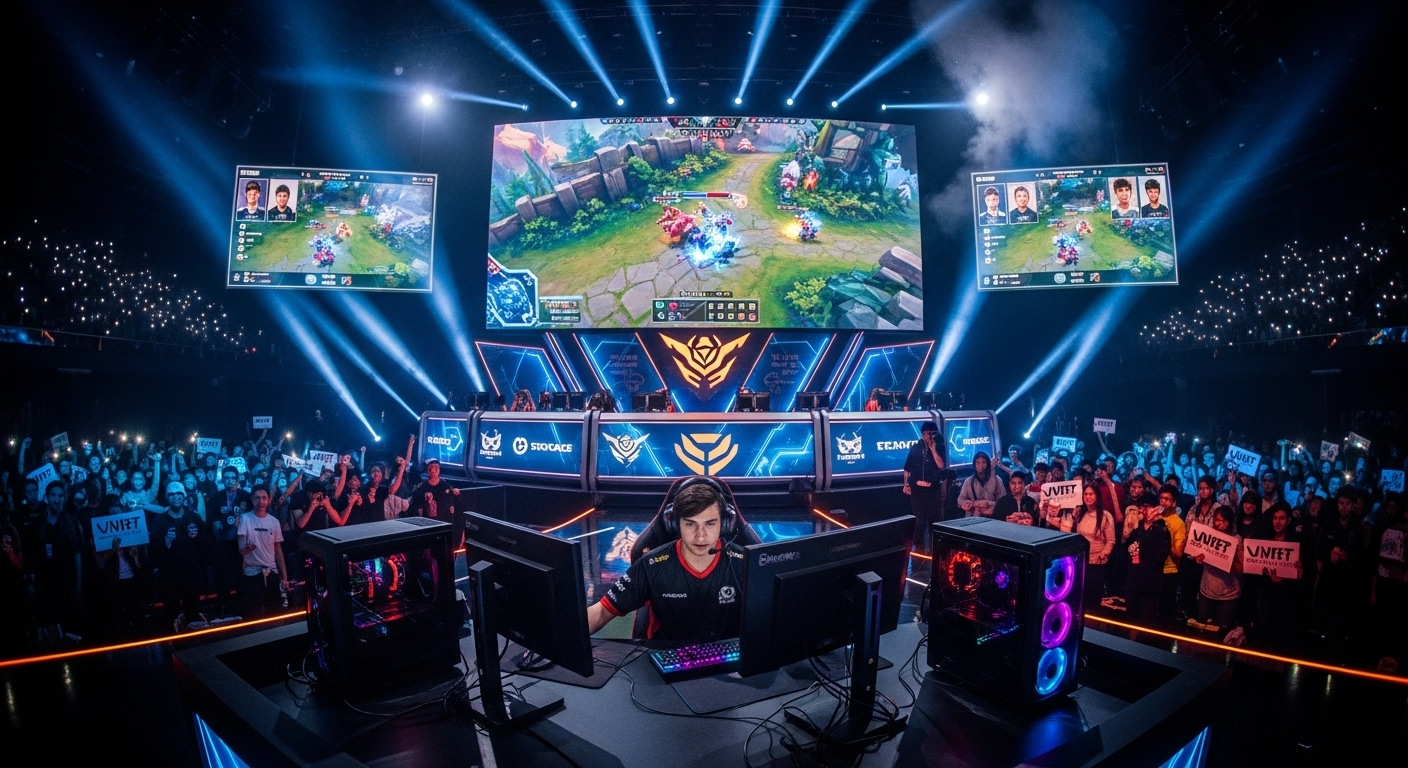
One of the most remarkable aspects of esports is its spectator culture. Watching competitive gaming has become as popular as playing. Esports tournaments regularly fill massive arenas, with fans cheering, waving banners, and chanting team slogans. Events like the League of Legends World Championship have sold out stadiums such as Madison Square Garden and the Staples Center, showcasing the immense popularity of the scene.
Online, millions tune in to watch matches live, commentating and chatting with other viewers. The real-time interactivity of streaming platforms has created a social experience that traditional sports broadcasting rarely matches. Fans can follow their favorite players, watch behind-the-scenes content, and even contribute financially through subscriptions and donations.
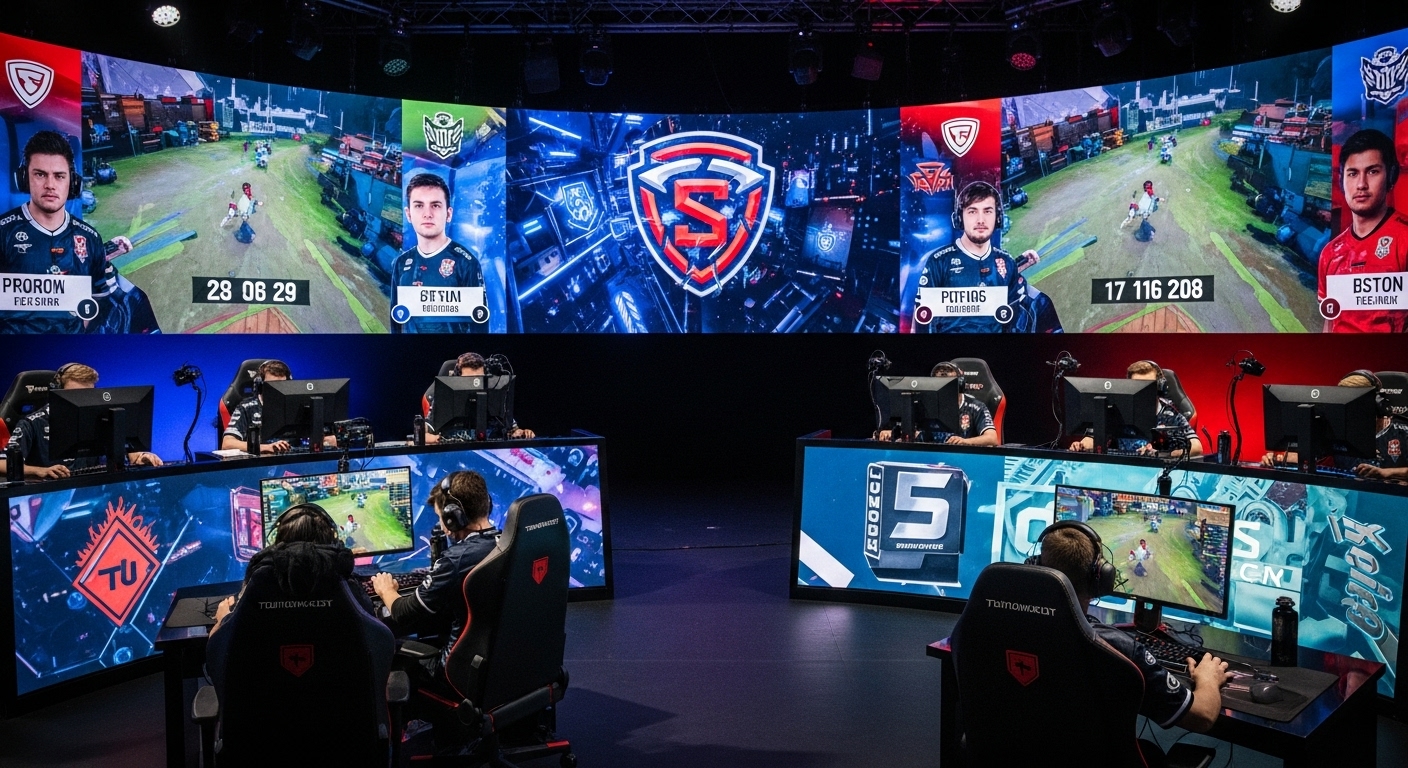
The production value of esports broadcasts rivals that of television networks, with professional commentators, analysts, replays, and digital graphics. The storytelling element — underdog victories, rivalries, and dramatic comebacks — keeps audiences emotionally invested. This immersive experience is one of the key factors driving esports’ unprecedented growth.
The Business of Esports: An Industry Worth Billions
Esports has become a multibillion-dollar industry, driven by diverse revenue streams such as sponsorships, advertising, media rights, ticket sales, and in-game purchases. Major brands have recognized the immense potential of esports as a marketing platform. Companies like Intel, Coca-Cola, and Red Bull have sponsored tournaments and teams, tapping into a demographic that is young, tech-savvy, and globally connected.
Media rights have also become a significant source of income. Broadcasting deals with major networks and online platforms have brought esports to even wider audiences. Some games, like Overwatch and Call of Duty, have adopted franchised league models similar to the NBA or NFL, where teams represent specific cities and compete in seasonal structures.
In addition to professional tournaments, the rise of amateur and semi-professional leagues has created new opportunities for aspiring players and smaller organizations. The global nature of esports allows participation from virtually any country, fostering inclusivity and diversity in competition.
The Cultural Impact: Redefining Entertainment and Identity
Esports is not just changing the way we play — it is redefining culture. It represents the merging of technology, creativity, and competition in a way that resonates deeply with the digital generation. Esports communities have become vibrant cultural hubs where fans create art, share memes, and celebrate their favorite teams much like traditional sports fans do.
For many young people, esports offers a sense of belonging. Online communities transcend geographic boundaries, allowing people from different countries and backgrounds to connect over shared interests. This global interconnectedness reflects the broader cultural shift toward digital socialization.
Moreover, esports has influenced other industries, including fashion, music, and film. Collaborations between game publishers and major artists have resulted in in-game concerts, custom apparel lines, and cinematic content that blurs the line between reality and virtuality. The aesthetic and language of gaming have seeped into mainstream culture, shaping everything from slang to marketing trends.
Challenges and Criticisms in the Esports World
Despite its rapid rise, esports faces a number of challenges. One of the primary concerns is player burnout. The intense training schedules and short career spans take a toll on mental and physical health. Unlike traditional sports, where athlete unions and regulations exist, esports is still developing its governance structures.
Another issue is competitive integrity. Match-fixing, cheating, and doping scandals have occasionally tarnished the industry’s image. Efforts are ongoing to implement stricter anti-cheat systems and professional codes of conduct. Additionally, the lack of standardized rules across different games and tournaments has made it difficult to establish a unified global framework.
Monetization disparities also pose a challenge. While top players and teams earn millions, smaller organizations struggle to survive. Women and minority representation remains an ongoing conversation, with efforts being made to create more inclusive spaces in what has traditionally been a male-dominated field.
Esports Education and Career Opportunities
As esports continues to grow, it has also found a place in academia. Universities and schools around the world now offer programs and degrees in esports management, game design, and broadcasting. Scholarships are awarded to talented players, similar to traditional athletic scholarships. This formal recognition of esports within education underscores its legitimacy and potential as a long-term career path.
Beyond professional play, the industry offers a multitude of career opportunities — from coaching and content creation to marketing, event management, and data analysis. The ecosystem requires professionals with skills in business, media, and technology, making esports one of the most diverse modern industries.
The Future of Esports: A Digital Frontier
The future of esports looks incredibly bright. With advancements in technology such as virtual reality, artificial intelligence, and cloud gaming, the next decade promises even greater innovation. As internet connectivity improves globally, more regions will join the competitive scene, expanding audiences and participation.
We may see esports integrated more closely with traditional sports, with hybrid events and cross-industry collaborations. The metaverse concept — virtual worlds where people can interact, compete, and socialize — could redefine how esports tournaments are experienced, offering immersive 3D arenas where fans and players meet digitally.
The continued support from governments, investors, and educators will be essential to sustain growth. Regulation, player welfare, and fair competition must remain priorities to ensure a balanced and ethical future for the industry.
Conclusion: The Legacy of Esports
Esports has transcended its humble origins to become a defining aspect of modern culture. It reflects the evolution of technology, the globalization of entertainment, and the boundless creativity of human competition. What began as a niche hobby has grown into a global phenomenon that brings together millions of people — players, fans, creators, and innovators — in a shared digital arena.
As we move deeper into the digital age, esports will continue to shape how we understand competition, community, and identity. It represents more than just playing games; it embodies passion, strategy, and the human desire to connect and excel. Whether you are a player striving for greatness or a fan cheering from your screen, esports stands as a symbol of what the future of entertainment looks like — fast-paced, inclusive, and boundlessly global.